
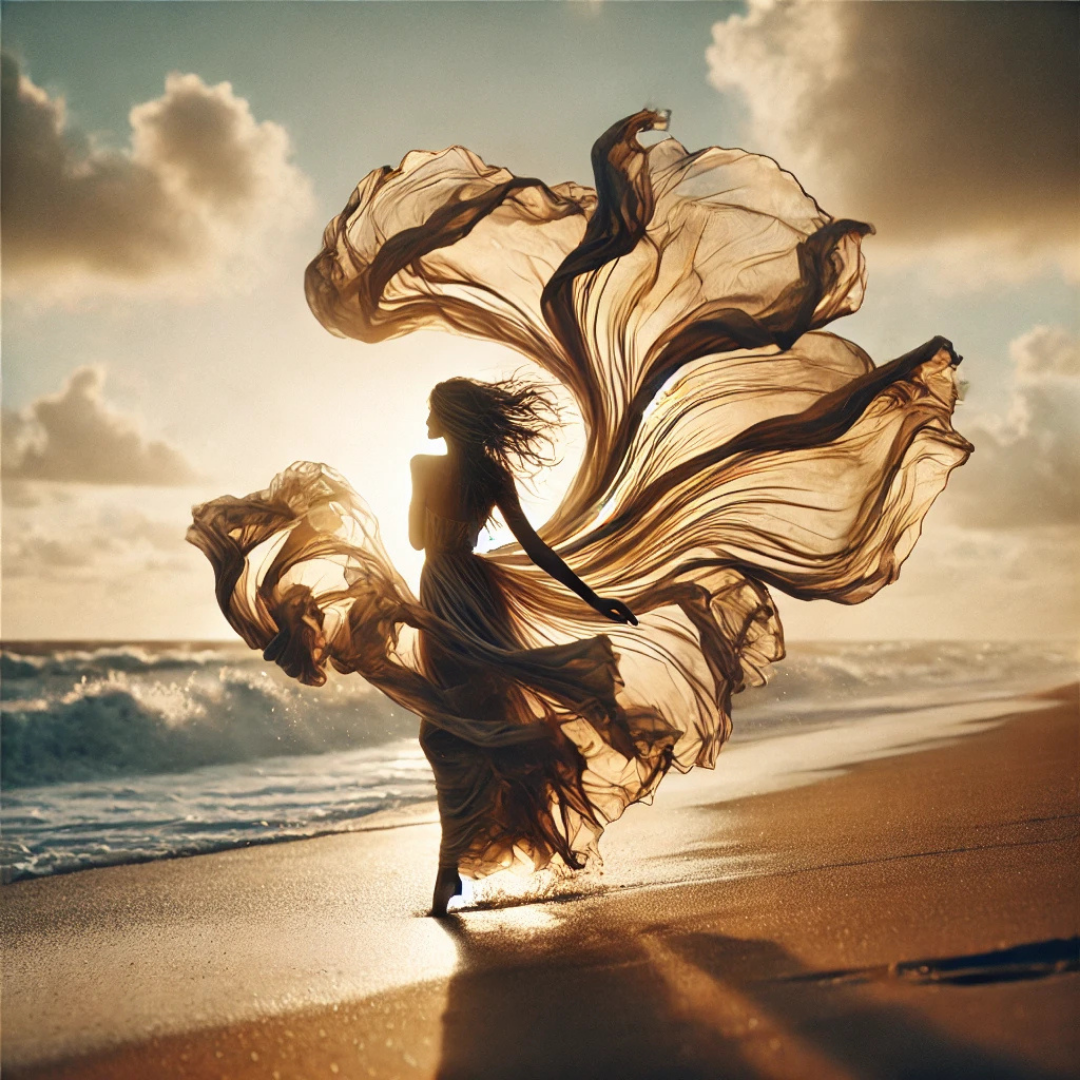
Learn how to create a story through sarong photography with expert styling tips, fabric selection, color psychology, posing ideas, and visual storytelling techniques.
Table of Contents
The Ultimate Guide to Sarong Photography: Styling, Composition, and Storytelling
Sarong Photography is a mesmerizing blend of fashion, culture, and artistic expression. A simple piece of fabric, when draped skillfully, can transform an image into a compelling story filled with emotion, movement, and authenticity. Whether you’re a professional photographer, an aspiring creative, or someone who loves experimenting with visual narratives, understanding the intricacies of Sarong Photography can help you craft breathtaking images that stand out.
In this guide, we’ll explore the essential styling tips, composition techniques, and post-processing methods to elevate your Sarong Photography skills.
Before choosing lightroom presets, you can also explore our complete camera equipment buying guide to understand which photography gear, lighting tools, and accessories are actually worth buying.
Great sarong photography goes beyond showcasing fabric—it creates emotion, atmosphere, and narrative. Learning Fashion Storytelling Photography Tips and exploring Editorial Fashion Photography Techniques can help photographers build stronger visual stories through styling, lighting, and composition.
Mastering jewellery photo editing requires both technical skills and an efficient workflow. Learning from Adobe Lightroom Editing Tutorials and exploring Professional Product Photography Techniques can help photographers create sharper, more detailed, and visually appealing jewellery images.
Why Trust The Candid Shoot?
At The Candid Shoot, we publish practical photography guides based on real-world shooting techniques, camera knowledge, lighting setups, and post-processing workflows. Our goal is to simplify photography concepts so beginners, hobbyists, creators, and professionals can capture better images with confidence.
Every guide is carefully reviewed and updated to reflect current photography trends, camera technology, AI-powered editing tools, and industry best practices. Whenever relevant, we reference trusted photography resources and official manufacturer documentation to ensure our recommendations remain accurate and reliable.
Whether you’re photographing products for an online store, social media, Amazon listings, or personal projects, our tutorials are designed to help you improve image quality while making informed equipment and workflow decisions.
Quick Answer
Product photography is the process of creating high-quality images that accurately showcase a product’s appearance, features, and details. Effective product photography combines proper lighting, composition, camera settings, backgrounds, and editing techniques to produce professional images that increase customer trust and improve online sales.
Learn More About Product Photography
If you’re looking to master product photography from beginner to advanced level, don’t miss our complete guide:
👉 Powerful Product Photography Secrets for Photos
Inside this comprehensive guide, you’ll learn:
- Camera settings for product photography
- Lighting techniques for every budget
- Background selection
- Composition tips
- Lens recommendations
- Editing workflow
- AI tools for product photography
- Studio setup ideas
- Photography mistakes to avoid
- Professional workflow from planning to final image
This pillar guide connects all of our product photography tutorials in one place, making it the perfect starting point for beginners and experienced photographers alike.
Understanding the Art of Sarong Photography
Why Sarong Photography is Unique
Sarong Photography stands out because it combines fashion, movement, and storytelling in a visually dynamic way. Here’s what makes it unique:
- Versatility of the Sarong – The sarong can be styled in countless ways, making each shoot distinct.
- Symbolic Representation – Different cultures use sarongs in varied ways, adding depth to the images.
- Fluid Movement – Unlike structured outfits, sarongs create a sense of motion and drama.
- Visual Aesthetics – The textures, prints, and colors enhance the artistic appeal of each shot.
Cultural Significance of Sarongs
Sarongs are worn in various parts of the world, including Southeast Asia, Africa, and the Pacific Islands. Understanding their cultural significance can add authenticity and depth to your images. For example:
- Balinese Sarongs – Symbolize tradition and spirituality.
- African Kanga & Kitenge – Represent vibrant heritage and storytelling.
- Indian Saree-Inspired Draping – A fusion of elegance and ethnicity.
- Polynesian Pareo – Often used in dance and beach photography.
Choosing the Right Sarong for Your Shoot
1. Selecting the Fabric for Mood and Movement
The choice of fabric affects how the sarong moves and interacts with lighting. Here’s how different materials influence the final image:
- Chiffon & Silk – Perfect for flowing, ethereal shots with delicate movement.
- Cotton & Linen – Best for earthy, natural aesthetics with a structured drape.
- Satin & Velvet – Creates luxurious, high-fashion looks with deep textures.
- Batik & Handwoven Textiles – Adds cultural richness and intricate patterns.
2. Color Theory in Sarong Photography
Colors play a critical role in conveying emotions and themes. Use the following guidelines:
- Red: Represents passion, boldness, and strength.
- Blue: Evokes calmness, depth, and serenity.
- Yellow & Orange: Signify warmth, energy, and joy.
- Black & White: Create contrast and drama for timeless compositions.
- Earthy Tones: Enhance natural, bohemian, or rustic aesthetics.
3. Pattern and Texture Considerations
- Solid Colors – Minimalistic and elegant, ideal for fine-art photography.
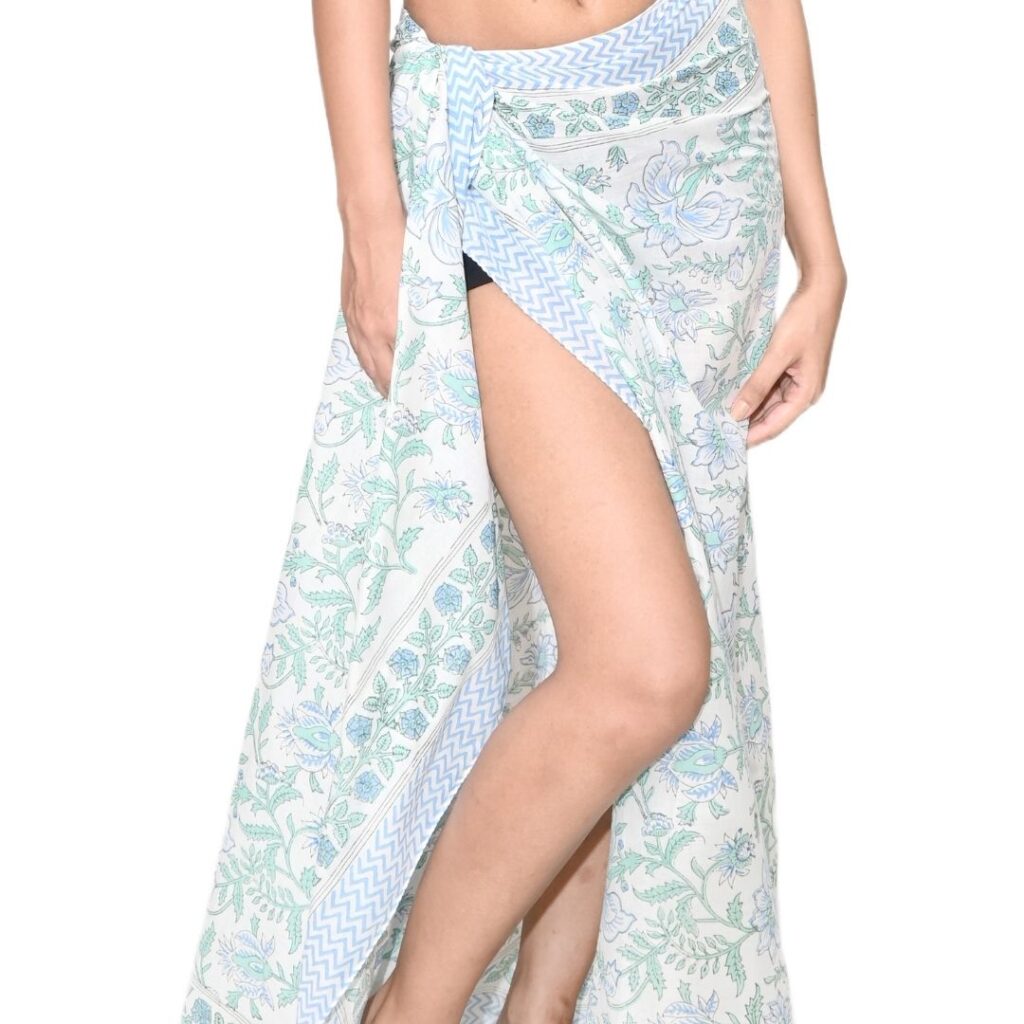
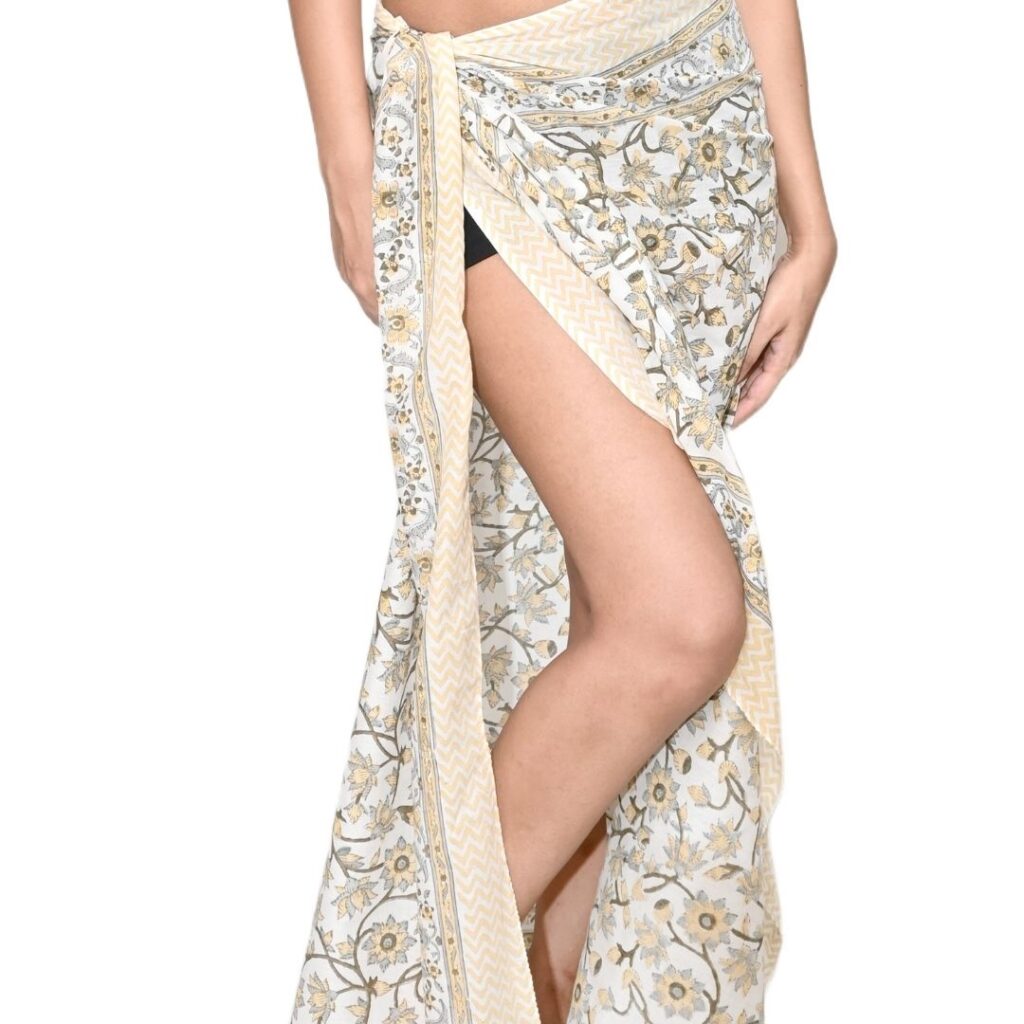
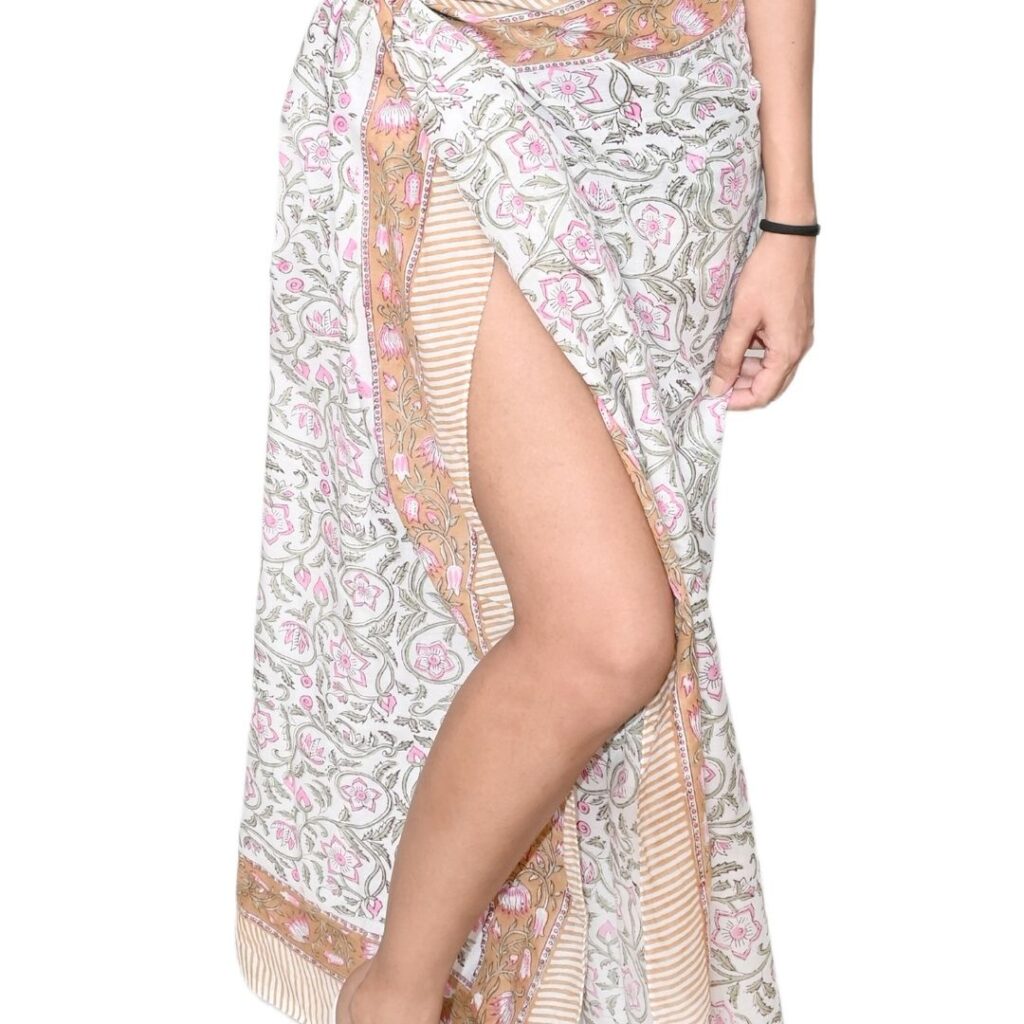
- Floral & Ethnic Prints – Enhance storytelling elements and cultural depth.
- Sheer & Layered Fabrics – Add complexity and fluidity to compositions.
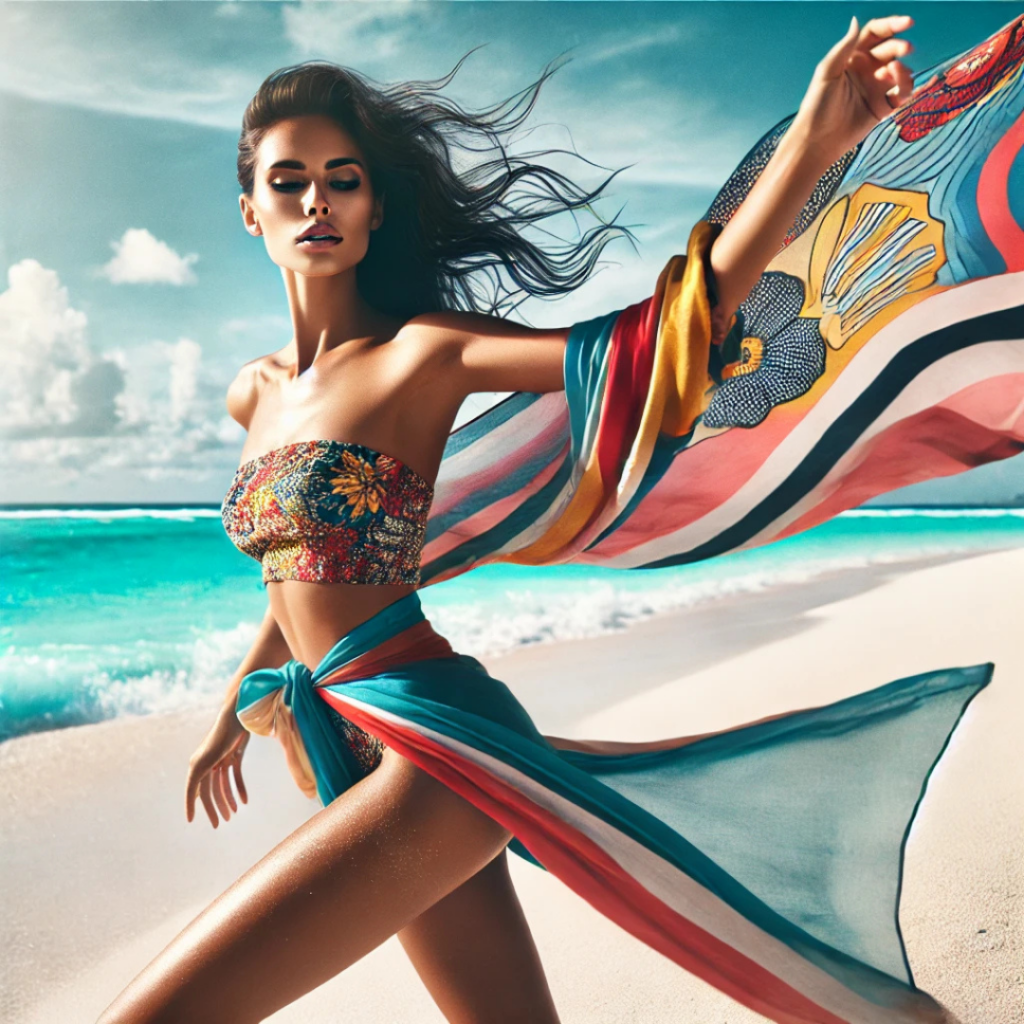
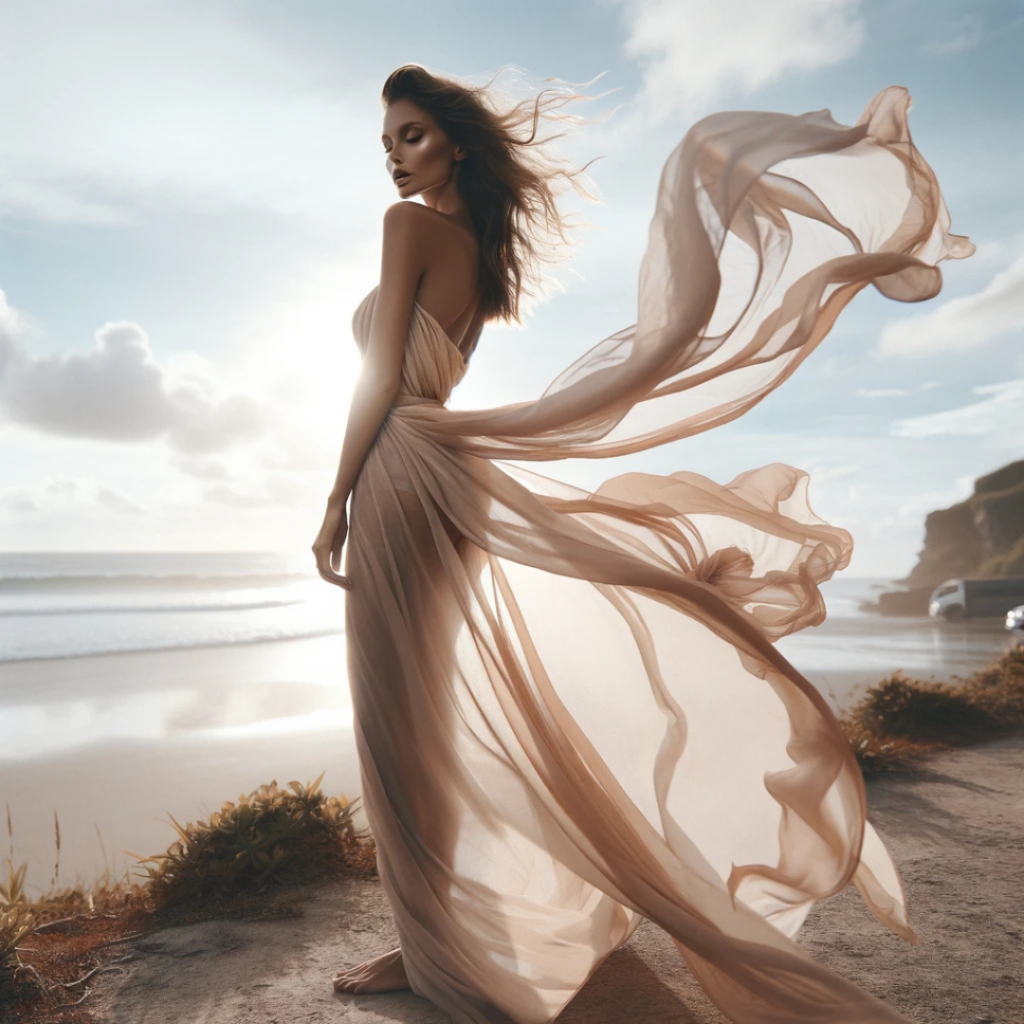
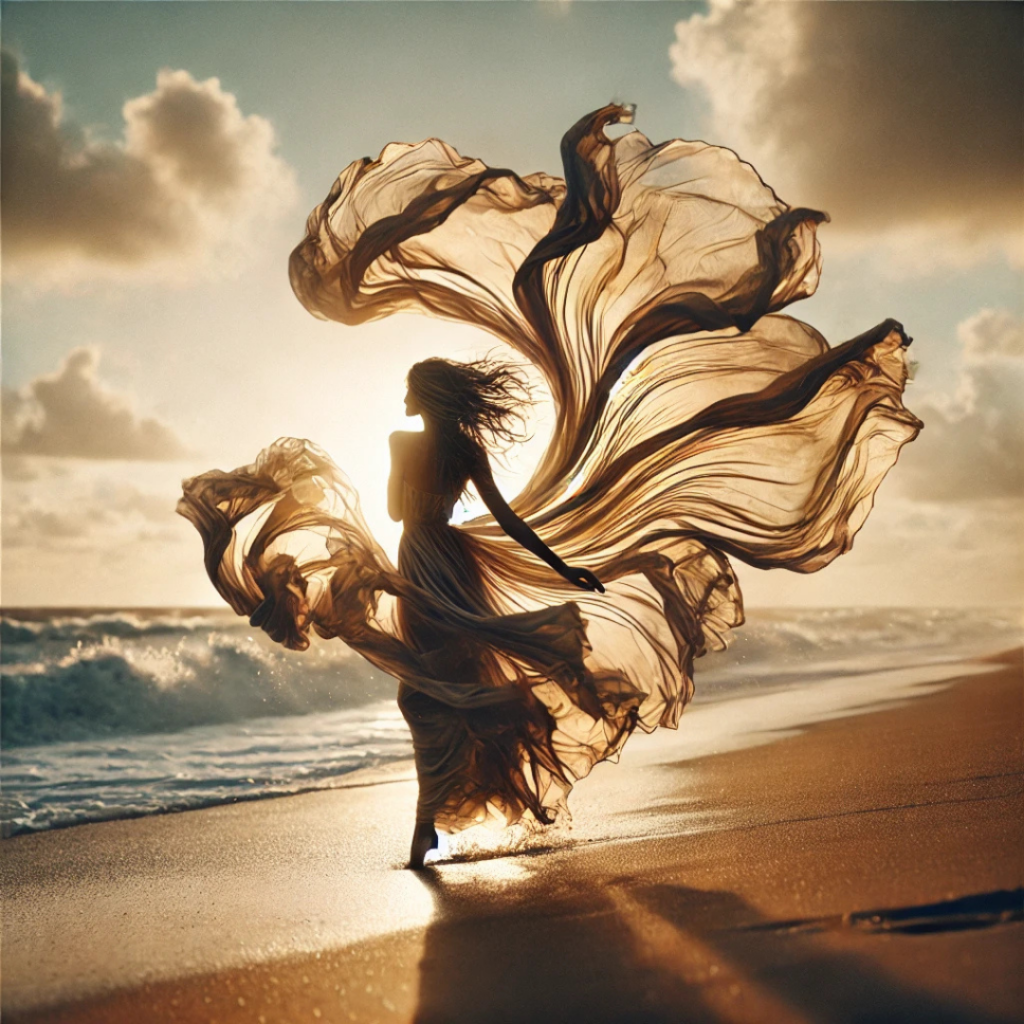
Draping and Styling Techniques for Maximum Impact
1. Elegant and Classic Drapes
- Grecian Wrap – A one-shoulder drape that exudes timeless elegance.
- Full-Body Swath – Covers the body in layered fabric, creating a regal look.
- Toga-Inspired Draping – Perfect for dramatic, high-fashion shoots.
2. Bohemian & Free-Spirited Drapes
- Loose Wrap with Open Slit – Adds movement and sensuality.
- Off-Shoulder Drape – Ideal for beachside or dreamy outdoor shots.
- Knotted Waist Wrap – Creates a relaxed, effortless look.
3. Cultural and Traditional Draping
- Balinese Temple Wrap – Represents grace and spirituality.
- Polynesian Sarong Tie – Highlights island aesthetics and dance movements.
- African Sarong Styling – Adds vibrancy and bold visual contrasts.
Accessories and Props to Elevate Sarong Photography
1. Statement Jewelry and Headpieces
- Layered necklaces for depth and texture.
- Handmade earrings to enhance cultural richness.
- Floral crowns or metallic headpieces for added drama.
2. Complementary Footwear
- Barefoot – Emphasizes raw, natural elements.
- Sandals – Perfect for beach or tropical settings.
- Heeled Shoes – Adds elegance and elongates posture.
3. Props for a Storytelling Effect
- Silk scarves for added motion effects.
- Woven baskets or handmade bags for authenticity.
- Mirrors to create intriguing reflections and depth.
Posing and Composition Strategies for Sarong Photography
1. Dynamic Motion Poses
- Twirling or spinning to highlight fabric flow.
- Walking against the wind for natural movement.
- Mid-air jumps for an ethereal effect.
2. Emotionally Expressive Poses
- Soft gazes for introspective storytelling.
- Hand movements to interact with the sarong.
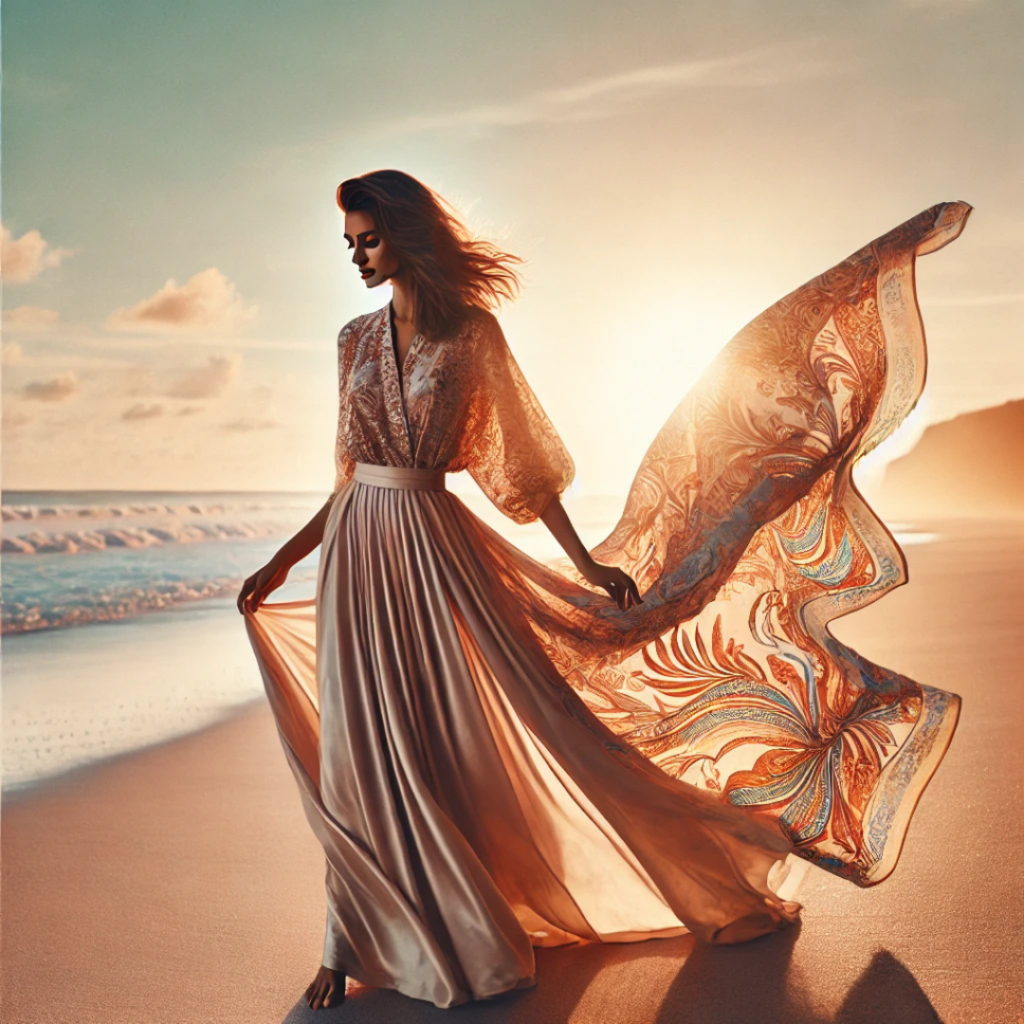
- Silhouetted shots against golden hour lighting.
3. Framing and Composition Techniques
- Rule of Thirds – Places the subject off-center for balance.
- Leading Lines – Uses fabric folds to guide the viewer’s eye.
- Negative Space – Emphasizes the subject by keeping the background minimal.
Lighting and Post-Processing Techniques
1. Lighting Setups for Sarong Photography
- Golden Hour Glow – Enhances warmth and softness.
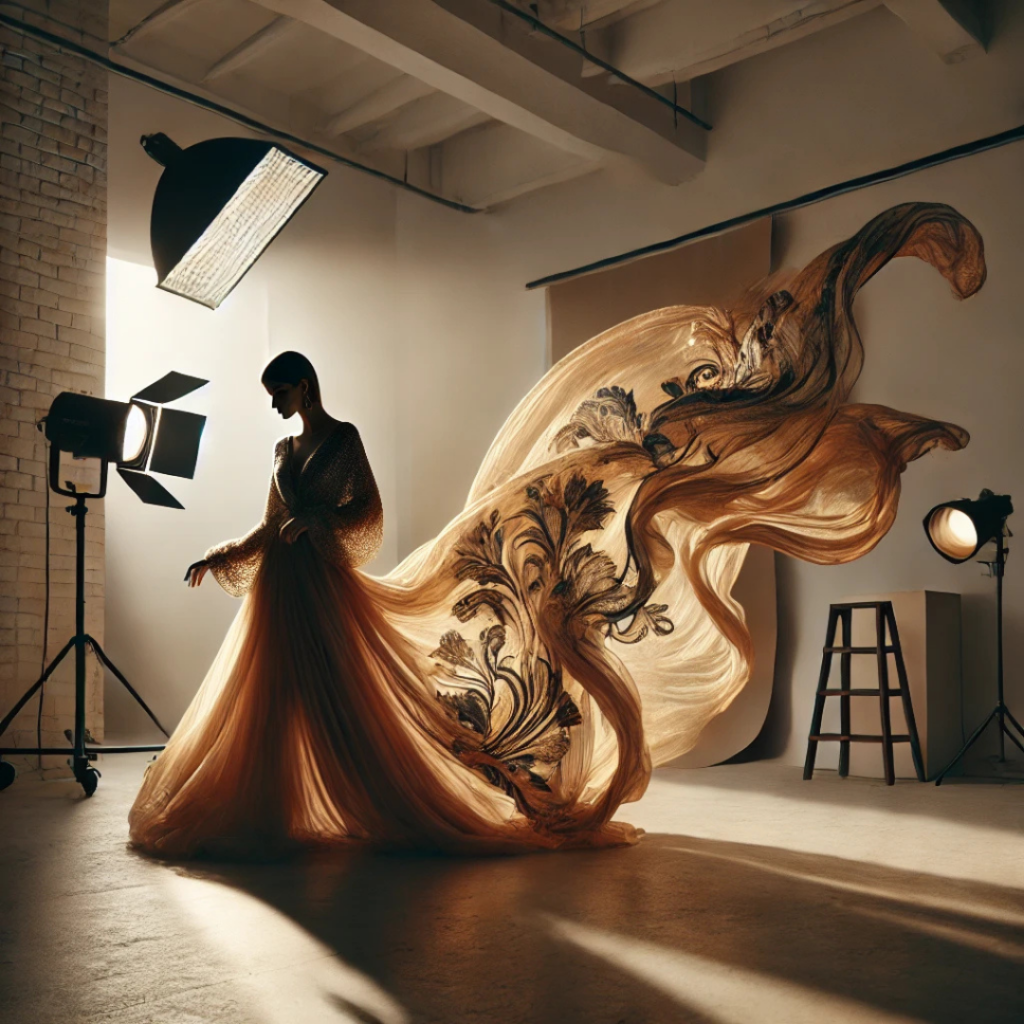
- Backlighting – Showcases fabric transparency and movement.
- Studio Lighting – Adds high contrast and drama.
2. Editing Tips for a Professional Finish
- Color correction to enhance fabric vibrancy.
- Adjusting contrast to define drapes and textures.
- Adding grain or motion blur for a cinematic effect.
FAQ: Sarong Photography
How do you create a story through sarong photography?
A strong story begins with a clear theme, thoughtful styling, meaningful locations, and poses that communicate emotion. Fabric movement, color choices, and accessories can help reinforce the visual narrative.
Why is storytelling important in fashion photography?
Storytelling helps viewers connect emotionally with an image. Instead of simply displaying clothing, it creates mood, personality, and context that make photographs more memorable.
What fabrics work best for sarong photography?
Chiffon, silk, satin, and lightweight cotton are popular because they create movement, texture, and visual depth that enhance storytelling.
How does color affect storytelling in sarong photography?
Colors influence emotions and mood. Warm tones often convey energy and passion, while cool tones create calm and reflective imagery. Earthy palettes can support natural and bohemian themes.
What accessories enhance sarong photoshoots?
Statement jewellery, floral crowns, woven accessories, scarves, hats, and culturally inspired props can add depth and strengthen the story behind the image.
What are the best poses for storytelling photography?
Walking, twirling, interacting with fabric, looking away from the camera, and natural movement-based poses often create more authentic and engaging storytelling images.
How can lighting improve sarong photography?
Golden-hour light, soft diffused lighting, and backlighting can highlight fabric texture, movement, and atmosphere while enhancing the overall narrative.
Can sarong photography be used for fashion brands?
Yes. Fashion brands often use sarong photography for campaigns, editorials, social media, and ecommerce because it combines style, movement, and storytelling.
What backgrounds work best for sarong photography?
Natural landscapes, beaches, deserts, gardens, heritage locations, and minimalist studio setups are commonly used to complement the sarong without distracting from the subject.
How do you make sarong photography look editorial?
Focus on intentional styling, strong composition, dramatic lighting, expressive posing, and a cohesive visual narrative. Editorial fashion photography emphasizes storytelling as much as the clothing itself.
Conclusion: Mastering Sarong Photography
Sarong Photography is more than just a visual experience—it’s an art form that tells powerful stories through fabric, movement, and culture. By mastering styling techniques, props, lighting, and post-processing, you can create captivating images that leave a lasting impression. Whether for editorial shoots, personal projects, or fashion campaigns, embracing the beauty of sarongs will elevate your photography to new heights.
Related Articles:
- Guide to Styling and Draping for Sarong Photoshoots
- Matching Jewellery with Sarongs: A Guide for Styled Shoots
- Best Editing Techniques for Sarong Product Photography
- How to Make Sarong Photography Look Editorial & High Fashion
- Sarong Photography: How to Create a Breezy & Natural Look
- The Role of Fabric & Color in Sarong Fashion Photography
Related Product Photography Guides
Continue improving your photography skills with these helpful resources:
- Product Photography Lighting Guide
- Best Cameras for Product Photography
- DIY Product Photography Setup at Home
- White Background Product Photography Tips
- Product Photography Camera Settings Explained
- Best Lenses for Product Photography
- AI Product Photography Tools
- Product AI Photo Editing Guide
- Photography Tutorials for Beginners
Recommended Resources
Improve Your Product Photography Skills
Photography is a skill that improves with practice. Try experimenting with different lighting setups, camera angles, and editing techniques to discover what works best for your products. Even small improvements in composition and lighting can make your images look significantly more professional.
If you enjoyed this guide, explore m




Leave a Reply