
Discover the best cameras for wildlife photography in 2026. Compare Canon, Nikon, Sony, OM SYSTEM, Panasonic and Fujifilm cameras for birds and wildlife.
Table of Contents
Quick Answer: What Is the Best Camera for Wildlife Photography in 2026?
If you want the best overall combination of reach, autofocus, speed, resolution, stabilization, and value, the Canon EOS R7 is our top pick for wildlife photography in 2026.
Its 32.5MP APS-C sensor provides a 1.6× crop factor, while the camera can shoot at up to 30 fps electronically with AF/AE tracking. Canon also gives it animal eye detection, dual SD card slots, and up to 8 stops of coordinated image stabilization with compatible lenses.
However, there isn’t one perfect wildlife camera for everyone.
A bird photographer who spends hours hiking through forests may value the compact OM SYSTEM OM-1 Mark II more than a larger full-frame camera.
A wildlife photographer working primarily at dawn, dusk, or in difficult lighting may prefer the Nikon Z6III.
And professionals who need maximum resolution and flagship performance may want the Sony α1 II, Nikon Z8, or another high-end full-frame body.
Our Top 10 Wildlife Cameras for 2026
| Rank | Camera | Best For |
|---|---|---|
| 1 | Canon EOS R7 | Best overall wildlife camera |
| 2 | OM SYSTEM OM-1 Mark II | Best for birds and portability |
| 3 | Nikon Z6III | Best full-frame wildlife camera |
| 4 | Sony α1 II | Best premium wildlife camera |
| 5 | Nikon Z8 | Best high-resolution wildlife camera |
| 6 | Canon EOS R6 Mark III | Best Canon full-frame option |
| 7 | Sony α6700 | Best Sony APS-C wildlife camera |
| 8 | Panasonic Lumix G9 II | Best value Micro Four Thirds option |
| 9 | Fujifilm X-H2S | Best high-speed APS-C alternative |
| 10 | Nikon Z50II | Best budget Nikon wildlife camera |
This ranking considers more than megapixels. We evaluated autofocus, subject detection, burst performance, sensor format, stabilization, lens availability, portability, weather resistance, storage redundancy, low-light performance, and overall value.
Introduction
Wildlife photography is one of the most demanding forms of photography.
Your subject may be hundreds of meters away.
It may suddenly run, fly, dive, attack, take off, or disappear behind vegetation.
The light may be changing rapidly.
And unlike a studio subject, you usually don’t get a second chance.
That makes the camera body only one part of the equation. A good wildlife setup needs a combination of fast autofocus, high burst rates, effective subject detection, excellent telephoto lenses, good stabilization, and enough resolution for cropping.
The good news is that camera technology has advanced significantly.
Modern cameras can recognize birds and animals, track subjects across the frame, shoot dozens of frames per second, and even capture images immediately before you fully press the shutter.
But the most expensive camera isn’t automatically the best wildlife camera.
For many photographers, an APS-C or Micro Four Thirds camera can actually be more practical because the smaller sensor allows manufacturers to build smaller systems while providing useful reach with long lenses.
That’s why this guide includes full-frame, APS-C, and Micro Four Thirds cameras.
Explore More Camera & Equipment Guides
Choosing a wildlife camera is only one part of building a capable photography system. Your lens, accessories, autofocus technique, and shooting settings can have just as much impact on the final image. Explore our Camera & Equipment guides for more camera comparisons, buying guides, lens recommendations, and photography gear advice.
Why Trust The Candid Shoot?
Wildlife camera recommendations should not be based solely on megapixel counts or manufacturer marketing.
For this guide, we focus on the features that actually affect wildlife photography:
- Autofocus and subject tracking
- Bird and animal recognition
- Continuous shooting speed
- Buffer performance
- Sensor resolution
- Low-light capability
- Image stabilization
- Telephoto lens availability
- Camera weight
- Weather resistance
- Battery performance
- Memory-card redundancy
- Overall system value
We also distinguish between cameras designed for different types of wildlife photography.
A safari photographer, bird photographer, wildlife filmmaker, and occasional nature photographer may have very different requirements.
What Makes a Camera Good for Wildlife Photography?
Before choosing a camera, it is worth understanding which specifications actually matter.
Autofocus and Subject Detection
Autofocus is arguably the most important camera feature for wildlife photography.
Animals rarely remain perfectly still.
A bird can change direction in a fraction of a second.
A cheetah can accelerate rapidly.
A monkey can jump between branches.
A camera needs to acquire focus quickly and maintain it while the subject moves.
Modern cameras increasingly use subject-recognition systems that can identify animals and birds rather than simply detecting contrast.
For example, Canon’s EOS R7 provides animal eye detection, while Nikon’s Z6III offers subject detection for nine subject types and 3D tracking.
The OM-1 Mark II goes even further with AI subject detection for birds and several other subject categories.
Continuous Shooting Speed
Wildlife photography is often about timing.
Consider a bird taking off from a branch.
There may be only a fraction of a second where the wings are positioned exactly as you want.
A camera capable of shooting 20 or 30 frames per second gives you more opportunities to capture that decisive moment.
But don’t simply choose the camera with the highest advertised frame rate.
Check:
- Whether autofocus works during the burst
- Whether RAW files are supported
- How large the buffer is
- Whether the fastest mode uses a crop
- Whether image quality changes at maximum speed
Those details matter far more than the headline number.
Pre-Capture
Pre-capture is particularly useful for unpredictable wildlife.
Instead of beginning the recording only when you press the shutter completely, some cameras continuously buffer frames while you half-press the shutter.
When you finally press the button, the camera can save images from immediately before that moment.
Nikon’s Z6III, for example, offers Pre-Release Capture at up to 120 fps in its High-Speed Frame Capture modes, although the fastest modes come with limitations.
This can be extremely useful for:
- Bird takeoffs
- Sudden jumps
- Predator attacks
- Fast movements
- Wing-position timing
Image Stabilization
Long telephoto lenses magnify camera movement.
At 600mm or 800mm, even a small amount of movement can make framing difficult.
Effective in-body stabilization can therefore make handheld wildlife shooting much easier.
The Canon EOS R7 offers up to 8 stops of coordinated stabilization with compatible lenses, while the OM-1 Mark II is rated for up to 8.5 EV steps of built-in stabilization.
However, remember that stabilization does not freeze a moving animal.
If the animal is running, you still need a sufficiently fast shutter speed.
Resolution and Cropping
Wildlife subjects are often far away.
Even with a 600mm lens, you may not fill the entire frame.
That’s where resolution becomes valuable.
A higher-resolution sensor gives you more pixels to work with when cropping.
But there is a trade-off.
Higher resolution can mean:
- Larger RAW files
- More storage requirements
- Greater processing demands
- Potentially more visible noise at high ISO depending on sensor and output conditions
This is one reason a 32.5MP APS-C camera like the EOS R7 can be so attractive for wildlife photographers.
APS-C vs Full Frame vs Micro Four Thirds for Wildlife Photography
Sensor format is one of the most important decisions you’ll make.
APS-C
APS-C cameras are often excellent wildlife choices because they provide a narrower field of view than full-frame cameras when using the same lens.
Canon’s EOS R7, for example, uses a 1.6× crop factor.
That means a 500mm lens gives you a field of view comparable to approximately 800mm on full frame.
This doesn’t magically turn the lens into an 800mm lens optically, but it does put the subject larger within the recorded frame.
APS-C is therefore particularly attractive for:
- Birds
- Small animals
- Distant subjects
- Safari
- Wildlife photographers on a budget
Full Frame
Full-frame cameras offer advantages of their own.
They generally provide:
- Strong low-light performance
- Greater flexibility at high ISO
- Excellent dynamic range
- Large selection of professional bodies
- High-end telephoto lens options
For photographers who frequently work at dawn, dusk, or in dense forests, full frame can be extremely attractive.
The Nikon Z6III is a particularly strong example, combining a 24.5MP full-frame sensor with a partially stacked design, sophisticated subject detection, 3D tracking, and very fast shooting modes.
Micro Four Thirds
Micro Four Thirds takes the reach concept even further.
The format uses a 2× crop factor, which can make long wildlife lenses significantly more compact than equivalent full-frame systems.
The OM SYSTEM OM-1 Mark II is a particularly strong example.
It combines a 20.4MP sensor with 50 fps continuous RAW shooting with C-AF, 120 fps RAW shooting with S-AF, bird detection, Pro Capture, and up to 8.5 stops of stabilization.
This combination is extremely attractive for bird photographers who spend long periods carrying their equipment outdoors.
Which Sensor Format Should You Choose?
| Sensor | Main Advantage | Best For |
|---|---|---|
| Micro Four Thirds | Compact long-reach systems | Birds, hiking, travel |
| APS-C | Excellent reach + resolution | Birds, safari, general wildlife |
| Full Frame | Low-light performance + premium systems | Professional wildlife, low light |
| High-resolution Full Frame | Cropping flexibility | Distant wildlife, commercial work |
There is no universally superior format.
Your choice should depend on how you photograph wildlife.
1. Canon EOS R7 — Best Overall Wildlife Camera
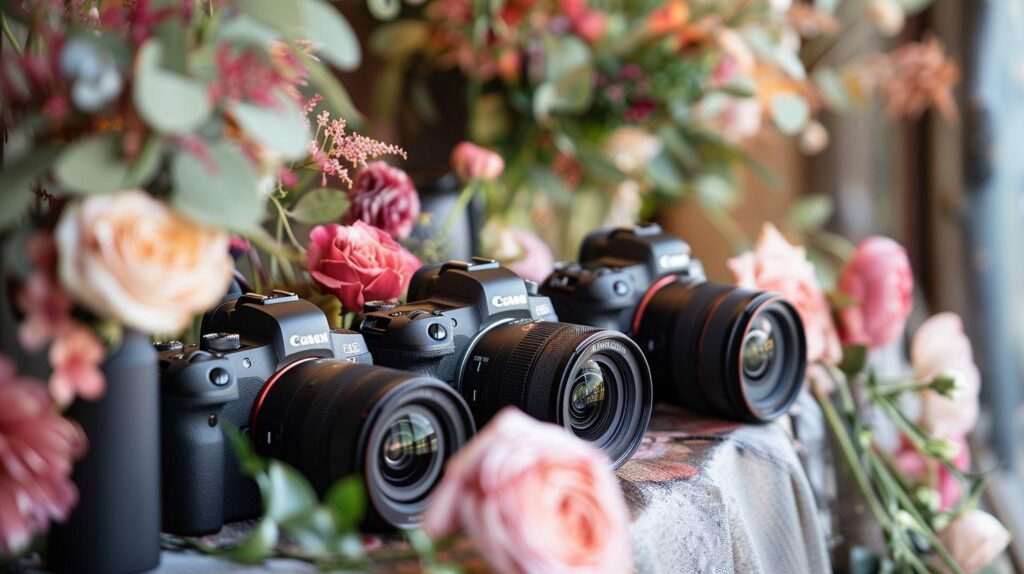
The Canon EOS R7 is our top overall wildlife camera for 2026 because it delivers an unusually strong combination of resolution, reach, autofocus, speed, stabilization, and price.
It is an APS-C camera, but that is actually one of its biggest advantages for wildlife photography.

Why the Canon EOS R7 Is Our #1 Choice
The R7 combines a 32.5MP APS-C sensor with a 1.6× crop factor.
It can shoot at up to 15 fps mechanically and up to 30 fps electronically with AF/AE tracking. Canon also provides animal eye detection and extensive autofocus coverage.
For a wildlife photographer, those specifications make a lot of sense.
You get:
High resolution
32.5MP gives you plenty of pixels for cropping distant animals.
Useful reach
The 1.6× APS-C field of view is extremely useful when your subject is far away.
Fast bursts
Up to 30 fps electronic shooting gives you plenty of frames for unpredictable action.
Animal detection
The camera can detect animal eyes, helping maintain focus on the subject rather than the background.
Strong stabilization
Canon rates coordinated image stabilization at up to 8 stops with compatible lenses.
Canon EOS R7 Key Specifications
| Feature | EOS R7 |
|---|---|
| Sensor | 32.5MP APS-C |
| Crop factor | 1.6× |
| Mechanical burst | Up to 15 fps |
| Electronic burst | Up to 30 fps |
| Autofocus | Dual Pixel CMOS AF II |
| Animal eye detection | Yes |
| Stabilization | Up to 8 stops coordinated |
| Card slots | Dual SD |
| Video | Up to 4K 60p |
| Mount | Canon RF |
Canon specifically positions the R7’s high-speed electronic shooting as useful for wildlife photography.
Why Wildlife Photographers Will Love It
The R7’s biggest strength is that almost every important wildlife feature is present without pushing the camera into flagship pricing.
The APS-C sensor is especially useful when you’re photographing relatively small subjects.
Imagine photographing a bird sitting high in a tree.
With a full-frame camera and a 500mm lens, the bird may occupy only a portion of the frame.
With the R7’s 1.6× crop factor, the same lens provides a much narrower field of view.
That can reduce how aggressively you need to crop afterward.
The R7 Is Especially Good for Bird Photography
Bird photography places enormous demands on autofocus and reach.
The R7 addresses both.
Its animal eye detection and high burst rates make it capable of handling birds in flight, while the APS-C sensor helps you make better use of long lenses.
Dual Card Slots
Another advantage for serious wildlife photographers is the dual SD-card configuration.
You can configure your workflow around multiple cards rather than relying on a single memory card.
For photographers traveling to remote wildlife locations, this provides additional flexibility for storage and backup.
Potential Drawbacks
The APS-C sensor is not automatically better than full frame.
In very low light, a full-frame camera can have advantages depending on the comparison, lens, and output requirements.
The R7’s electronic shutter can also introduce rolling-shutter effects with extremely fast movement in certain situations.
And while Canon’s RF lens ecosystem is strong, the availability and size of native APS-C-focused supertelephoto options should be considered carefully when planning your complete system.
Who Should Buy the Canon EOS R7?
The R7 is an excellent choice for:
- Bird photographers
- Safari photographers
- Wildlife enthusiasts
- Nature photographers
- Beginners moving into serious wildlife photography
- Photographers who need strong reach
- Photographers who want high resolution without a flagship price
Who Should Consider Something Else?
Consider a full-frame camera if:
- You frequently shoot in very low light
- High-ISO performance is your top priority
- You already own a full-frame lens system
- You need maximum professional performance
Consider the OM-1 Mark II if:
- Portability is extremely important
- You hike long distances
- You primarily photograph birds
- You want a compact supertelephoto system
Our Verdict
The Canon EOS R7 is our best overall wildlife camera for 2026.
It doesn’t win because it has the highest resolution or fastest headline burst rate.
It wins because it provides the combination wildlife photographers actually need:
reach + resolution + autofocus + speed + stabilization + value.
For many photographers, that combination is more useful than spending significantly more on a flagship full-frame camera.
2. OM SYSTEM OM-1 Mark II — Best for Birds and Portability
The OM SYSTEM OM-1 Mark II is one of the most specialized cameras in this entire guide.
Its Micro Four Thirds sensor may look modest next to 45MP and 50MP full-frame cameras, but wildlife photography is one of the areas where the smaller format makes a great deal of sense.
Why the OM-1 Mark II Is So Good for Wildlife
The OM-1 Mark II combines:
- 20.4MP sensor
- 50 fps RAW shooting with continuous AF
- 120 fps RAW shooting with single AF
- AI bird detection
- Pro Capture
- Blackout-free sequential shooting
- 8.5 EV stabilization
- Weather sealing
OM SYSTEM specifically highlights the camera for bird, wildlife, macro, landscape, and outdoor sports photography.
The 2× Crop Advantage
Micro Four Thirds uses a 2× crop factor.
This can be extremely useful for wildlife.
A 300mm lens provides a field of view equivalent to 600mm on full frame.
A 400mm lens provides an equivalent field of view of 800mm.
That means you can achieve substantial reach without necessarily carrying the enormous lenses required by a full-frame system.
This Matters on Long Wildlife Trips
Imagine spending six hours walking through a national park.
A smaller camera and telephoto lens combination can be considerably easier to carry than a full-frame body paired with a massive 600mm or 800mm lens.
This is one of the biggest arguments in favor of Micro Four Thirds.
AI Bird Detection
Bird photography is where the OM-1 Mark II becomes especially interesting.
Its AI subject-detection autofocus includes birds and is designed to recognize and track subjects even during challenging movement.
That makes it particularly useful for:
- Birds in flight
- Birds taking off
- Birds landing
- Small birds in vegetation
- Fast-moving wildlife
Pro Capture
Pro Capture is another major advantage.
The camera can begin buffering images before you fully press the shutter.
That can be extremely useful when a bird suddenly takes off.
Instead of relying entirely on your reaction time, the camera can preserve frames from immediately before the shutter release.
50 fps RAW Shooting
The OM-1 Mark II can shoot RAW at up to 50 fps with continuous autofocus, according to OM SYSTEM.
That is an extraordinary capability for a relatively compact camera.
The 120 fps mode is available with single autofocus, while the 50 fps mode is the more relevant choice when you need continuous focusing during action.
Weather Sealing
Wildlife photography frequently means working in environments that aren’t friendly to cameras.
Rain.
Dust.
Cold.
Humidity.
Mud.
The OM-1 Mark II is designed with dustproof, splashproof, and freezeproof construction, making it particularly well suited to outdoor work.
Potential Drawbacks
The biggest compromise is the smaller sensor.
If you regularly shoot wildlife at very high ISO, especially in extremely dim conditions, a full-frame camera may be more attractive.
The 20.4MP resolution also gives you less cropping latitude than 32MP+ APS-C and high-resolution full-frame cameras.
But that doesn’t make the OM-1 Mark II a poor wildlife camera.
It simply means you should choose it for the things it does exceptionally well:
reach, speed, portability, stabilization, and outdoor durability.
Who Should Buy the OM-1 Mark II?
It’s especially suitable for:
- Bird photographers
- Wildlife photographers who hike frequently
- Travel wildlife photographers
- Outdoor photographers
- Photographers who want a lightweight telephoto system
- Anyone who values portability over maximum sensor size
Who Should Consider Something Else?
Consider a full-frame camera if:
- You frequently shoot at very high ISO
- You photograph mostly at dawn or dusk
- You need maximum dynamic range
- You crop heavily
- You already own a full-frame lens system
Our Verdict
The OM SYSTEM OM-1 Mark II is our top choice for wildlife photographers who prioritize portability and bird photography.
Its combination of AI bird detection, 50 fps RAW shooting with continuous AF, Pro Capture, powerful stabilization, weather sealing, and compact telephoto lenses makes it one of the most purpose-built wildlife systems available.
3. Nikon Z6III — Best Full-Frame Wildlife Camera
The Nikon Z6III takes our third position because it provides a compelling combination of full-frame image quality, fast readout, advanced autofocus, high burst rates, and professional durability.


For photographers who prefer the advantages of full frame but don’t need a 45MP or 50MP flagship camera, it is one of the most balanced choices available.
Why the Z6III Is Excellent for Wildlife
The Z6III uses a 24.5MP full-frame partially stacked CMOS sensor.
That partially stacked design gives it a significantly faster readout than the previous Z6II generation, helping reduce rolling-shutter distortion and supporting high-speed shooting. Nikon lists up to 14 fps in its high-speed modes and up to 120 fps in High-Speed Frame Capture+.
Key Specifications
| Feature | Nikon Z6III |
|---|---|
| Sensor | 24.5MP full frame |
| Sensor design | Partially stacked CMOS |
| Processor | EXPEED 7 |
| Subject detection | 9 subject types |
| 3D Tracking | Yes |
| Mechanical/electronic burst | Up to 14/20 fps |
| High-Speed Capture+ | Up to 120 fps |
| Pre-Release Capture | Yes |
| Stabilization | 5-axis VR |
| Card slots | CFexpress/XQD + SD |
| Weather resistance | Professional-level construction |
Nikon also rates the Z6III for operation down to -10°C/14°F, which is useful for photographers working in cold environments.
Full-Frame Advantage
The Z6III makes sense when your wildlife photography frequently takes place in difficult light.
Imagine photographing:
- A deer at dawn
- A leopard shortly after sunset
- An owl in a shaded forest
- Wildlife under heavy cloud
- Animals during winter mornings
In these situations, the ability to work at higher ISO can become more important than having the maximum possible crop factor.
3D Tracking
Nikon’s 3D tracking is another major advantage.
Wildlife subjects don’t necessarily stay in one predictable part of the frame.
The Z6III can combine subject detection with tracking to help maintain focus as the animal moves.
Pre-Release Capture
The Z6III also supports Pre-Release Capture.
This can be extremely valuable when photographing unpredictable wildlife.
A bird can launch from a branch before you fully react.
A deer can suddenly jump.
A predator can make a rapid movement.
Pre-capture gives you another tool for capturing those moments.
High-Speed Capture
The Z6III’s headline 120 fps capability sounds incredible, but wildlife photographers should understand that the fastest modes come with limitations.
For everyday wildlife photography, a lower continuous shooting rate with full-quality RAW files and continuous autofocus is often much more useful.
The lesson is simple:
Don’t buy a camera solely because its specification sheet says 120 fps.
Look at how the camera performs in the shooting mode you will actually use.
Dual Card Slots
The Z6III uses two card slots, providing a CFexpress/XQD-compatible primary slot and an SD slot.
That gives professional photographers more flexibility when designing their storage workflow.
For wildlife photographers traveling internationally or working on paid assignments, this is a useful advantage.
Potential Drawbacks
At 24.5MP, the Z6III doesn’t provide the same cropping latitude as a 45MP or 50MP body.
That can matter when your subject is very distant.
You may therefore prefer the Z8 if maximum detail and cropping are more important than low-light balance and file efficiency.
Who Should Buy the Nikon Z6III?
It’s an excellent choice for:
- Professional wildlife photographers
- Safari photographers
- Photographers working in low light
- Nikon users upgrading from older bodies
- Wildlife photographers who need strong autofocus
- Photographers who want a balanced full-frame system
Who Should Consider Something Else?
Consider the Z8 if:
- You need maximum resolution
- You crop heavily
- You photograph very distant subjects
Consider the OM-1 Mark II if:
- Portability is more important
- You primarily photograph birds
- You want smaller telephoto lenses
Consider the R7 if:
- Reach and pixel density are more important
- You want a strong APS-C wildlife setup
- Budget is a major factor
Our Verdict
The Nikon Z6III is our best full-frame wildlife camera in 2026.
It doesn’t attempt to be the highest-resolution camera in this guide.
Instead, it balances full-frame image quality with fast readout, strong autofocus, 3D tracking, pre-capture, high-speed shooting, stabilization, and professional construction.
For photographers who want one full-frame body capable of handling a wide range of wildlife situations, the Z6III is one of the safest choices in this guide.
4. Sony α1 II — Best Premium Wildlife Camera
The Sony α1 II is the camera to consider when budget is secondary to performance.
Wildlife photography can demand two things that don’t always come together easily: very high resolution and very high speed.
The α1 II is designed around exactly that combination.
Its full-frame stacked sensor delivers approximately 50.1MP, while Sony provides full AF/AE tracking at up to 30 fps. The camera also recognizes animals, birds, insects, and several other subject categories.
Why the Sony α1 II Is So Powerful for Wildlife
A wildlife photographer may need to crop aggressively while still preserving fine detail.
At the same time, a bird can take off or a predator can suddenly change direction.
The α1 II gives you substantial resolution without forcing you to sacrifice high-speed shooting.
That combination makes it particularly attractive for:
- Professional wildlife photographers
- Bird photographers
- Safari photographers
- Wildlife photojournalists
- Commercial nature photographers
- Professionals who also shoot sports or action
Key Specifications
| Feature | Sony α1 II |
|---|---|
| Sensor | 50.1MP full frame |
| Sensor type | Stacked CMOS |
| Continuous shooting | Up to 30 fps |
| AF/AE tracking | Yes |
| Subject recognition | Animals, birds, insects and more |
| Card slots | Dual CFexpress Type A / SD |
| Stabilization | 5-axis |
| Lens mount | Sony E |
| Video | Up to 8K |
Sony lists both card slots as supporting CFexpress Type A and UHS-I/II SD cards, giving professionals flexible high-speed storage options.
50MP Makes a Difference
Wildlife subjects are frequently distant.
Even with a long telephoto lens, you may not completely fill the frame.
That’s where the α1 II’s 50.1MP resolution becomes useful.
You have considerably more image data available for cropping.
For example, a photographer photographing a relatively small bird against a distant background may be able to crop substantially while retaining enough detail for a large final image.
This is particularly valuable when the photograph may eventually be used for:
- Editorial publication
- Prints
- Calendars
- Wildlife books
- Commercial campaigns
- Large displays
30 fps With Tracking
The other half of the equation is speed.
Sony says the α1 II can capture images at up to 30 fps with full AF/AE tracking.
That’s especially useful for:
- Birds in flight
- Takeoffs
- Landing sequences
- Running animals
- Jumping animals
- Predator action
- Fast wing movement
The important point is that this isn’t simply a high-speed mode without autofocus.
The camera is designed to continue tracking the subject during the burst.
Advanced Subject Recognition
Sony’s AI processing system recognizes a wide range of subjects, including animals and birds.
This can help the photographer concentrate more on composition and timing rather than constantly moving the autofocus point manually.
That doesn’t mean autofocus becomes foolproof.
Branches, grass, water, low contrast, overlapping animals, and rapidly changing backgrounds can still challenge any autofocus system.
But advanced subject recognition can dramatically reduce the amount of work required from the photographer.
The Sony E-Mount Advantage
The camera also benefits from Sony’s extensive E-mount ecosystem.
Wildlife photographers can choose from a broad range of telephoto lenses from Sony and third-party manufacturers.
That includes options covering:
- 100–400mm
- 200–600mm
- 400mm
- 600mm
- 800mm
- Telephoto zooms
- Supertelephoto primes
This flexibility is particularly important because the lens often has a larger impact on wildlife photography than moving from one excellent camera body to another.
Potential Drawbacks
The biggest issue is obvious:
Cost.
The α1 II is far more camera than many wildlife photographers actually need.
Its 50MP files also require substantial storage and processing capacity.
If your photographs are primarily viewed on phones and social media, you may never see the benefit of all that resolution.
Who Should Buy the Sony α1 II?
It makes the most sense for:
- Professional wildlife photographers
- Commercial photographers
- High-end bird photographers
- Wildlife photojournalists
- Photographers who need extreme cropping flexibility
- Professionals who also shoot sports and action
Who Should Skip It?
Consider another camera if:
- You’re a beginner
- Your budget is limited
- You don’t need 50MP
- You don’t routinely shoot extremely fast action
- You would benefit more from investing in a better telephoto lens
Our Verdict
The Sony α1 II is our best premium wildlife camera for 2026.
It combines 50.1MP full-frame resolution, stacked-sensor speed, sophisticated subject recognition, and up to 30 fps AF/AE tracking into one professional body.
But don’t mistake “best” for “best value.”
For most wildlife photographers, spending the difference on a high-quality telephoto lens, tripod or monopod, and travel equipment could produce a bigger improvement in the final photographs.
5. Nikon Z8 — Best High-Resolution Wildlife Camera
The Nikon Z8 is one of the strongest choices for wildlife photographers who want extremely high resolution without stepping all the way up to Nikon’s largest flagship body.
Its 45.7MP full-frame sensor, EXPEED 7 processor, sophisticated subject detection, and fast shooting modes make it particularly well suited to wildlife and bird photography. Nikon itself highlights the Z8’s speed for photographing birds and its ability to freeze fast-moving subjects such as falcons.
Why the Nikon Z8 Stands Out
The Z8 offers an unusual combination:
High resolution + fast performance + relatively compact professional body.
That makes it attractive for photographers who frequently need to crop distant wildlife.
Key Specifications
| Feature | Nikon Z8 |
|---|---|
| Sensor | 45.7MP full frame |
| Processor | EXPEED 7 |
| RAW | 14-bit |
| Full-resolution RAW burst | Up to 20 fps |
| High-speed JPEG modes | Up to 120 fps |
| Subject detection | Animals, birds and other subjects |
| 3D Tracking | Yes |
| Card slots | CFexpress/XQD + UHS-II SD |
| Stabilization | 5-axis VR |
| Video | Up to 8K |
Nikon’s current specifications list 45.7 million effective pixels and support for CFexpress/XQD and UHS-II SD cards.
Resolution for Distant Subjects
Wildlife photography often involves cropping.
A bird may occupy only 20–30% of the original frame.
A 45.7MP sensor gives you significantly more room to crop compared with a 24MP-class camera.
This is especially valuable when photographing:
- Small birds
- Distant mammals
- Wildlife across open landscapes
- Animals that cannot safely be approached
- Subjects photographed from safari vehicles
Nikon’s Subject Detection
The Z8’s autofocus system uses deep-learning technology and can recognize multiple subject types, including birds. Nikon also provides 3D tracking.
That combination is particularly useful for wildlife because the photographer can use a tracking system rather than relying entirely on a manually positioned AF point.
20 fps RAW Shooting
One of the most useful specifications isn’t actually the 120 fps headline mode.
It’s the 20 fps full-resolution RAW capability.
For serious wildlife photography, RAW files provide the flexibility needed for:
- Recovering shadow detail
- Managing difficult highlights
- Correcting exposure
- Fine-tuning white balance
- Preserving detail for large prints
The 120 fps mode can be useful for specialized situations, but its output limitations mean it isn’t a replacement for the camera’s normal high-quality RAW burst modes.
Excellent for Birds
The Z8 is particularly strong for bird photographers.
Birds demand:
- High shutter speeds
- Fast AF
- Subject recognition
- High burst rates
- Good cropping flexibility
The Z8 checks all of those boxes.
Potential Drawbacks
The main drawback is the amount of data.
45.7MP RAW files can quickly consume storage.
If you photograph thousands of frames per trip, you will need a serious storage and backup strategy.
The Z8 is also not the smallest wildlife system available.
If your priority is hiking long distances with the lightest possible kit, an APS-C or Micro Four Thirds setup may be more practical.
Who Should Buy the Nikon Z8?
The Z8 is ideal for:
- Professional wildlife photographers
- Bird photographers
- Safari photographers
- High-resolution shooters
- Photographers who crop heavily
- Nikon users who want flagship-style capabilities in a smaller body
Who Should Consider Something Else?
Choose the Z6III if:
- You prefer smaller files
- You frequently work in low light
- You don’t need 45.7MP
Choose the OM-1 Mark II if:
- Portability is your priority
- You primarily photograph birds
- You want a compact telephoto system
Our Verdict
The Nikon Z8 is our best high-resolution wildlife camera.
Its 45.7MP sensor gives wildlife photographers tremendous cropping flexibility, while its autofocus, tracking, burst performance, and professional construction make it capable of handling demanding assignments.
For photographers who routinely need to extract a small subject from a large frame, the Z8 is an outstanding tool.
6. Canon EOS R6 Mark III — Best Canon Full-Frame Wildlife Camera
The Canon EOS R6 Mark III is a particularly interesting wildlife camera because Canon has increased the resolution substantially while retaining the speed-oriented character associated with the R6 series.
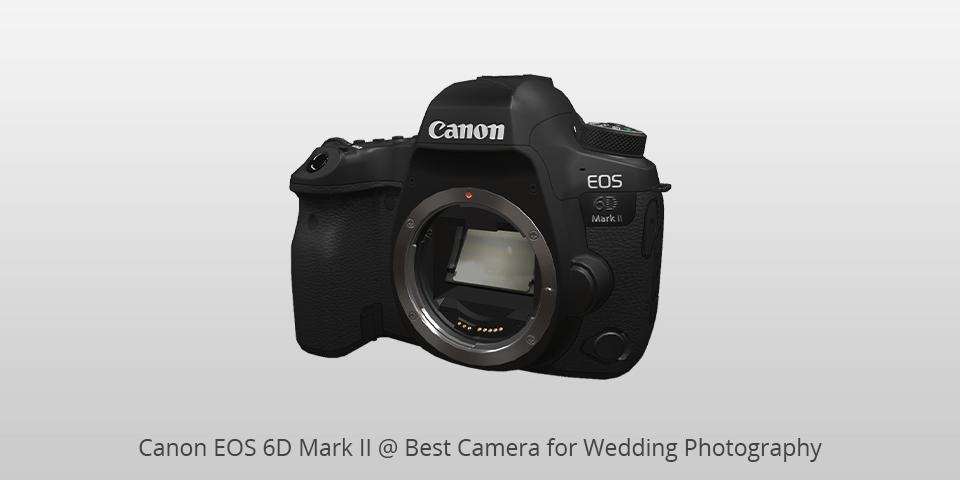
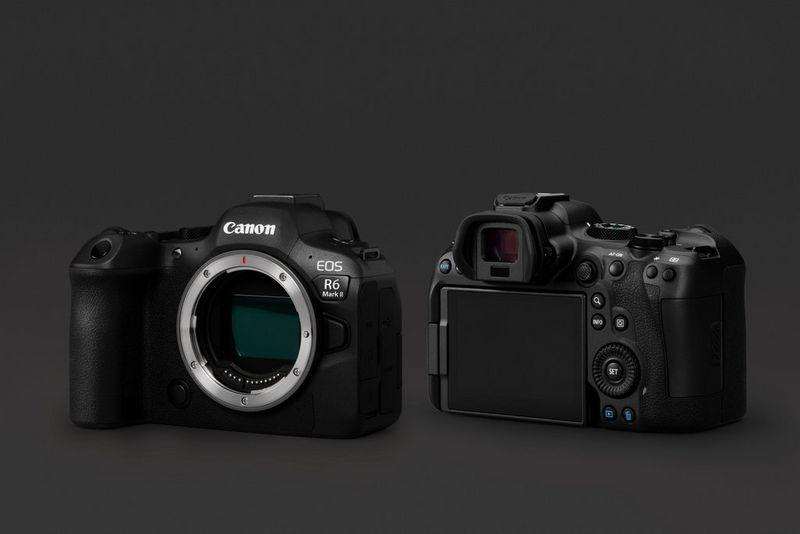

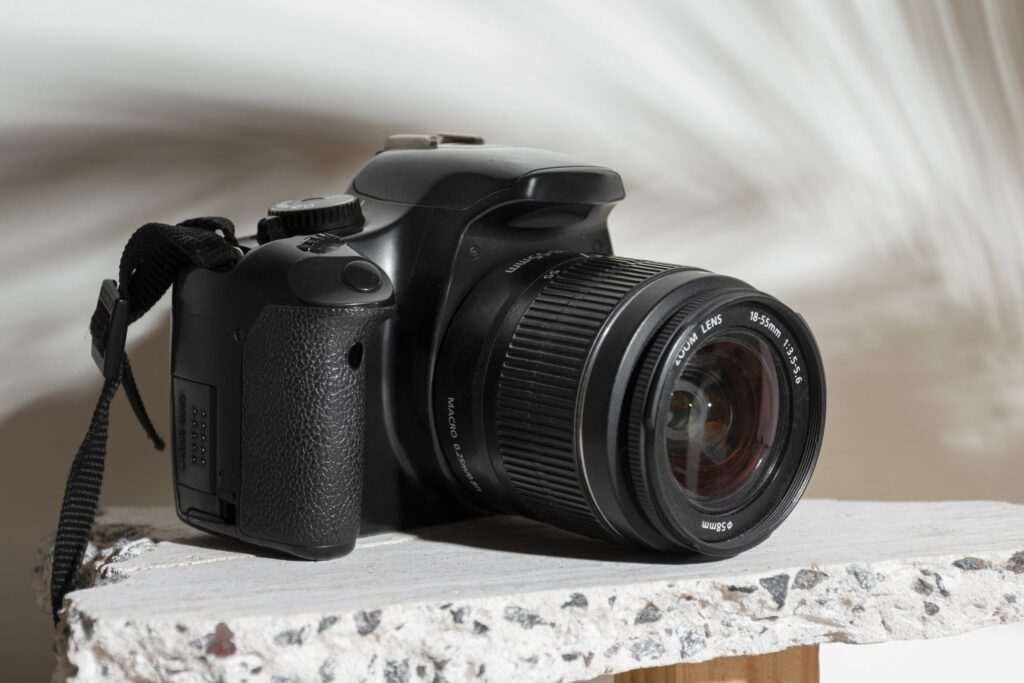
It features a 32.5MP full-frame sensor, up to 40 fps electronic shooting, pre-continuous shooting, animal subject detection, and up to 8.5 stops of coordinated image stabilization with compatible lenses.
Why It Works So Well for Wildlife
Wildlife photography rewards speed.
But resolution matters too.
The R6 Mark III provides a useful middle ground.
You don’t get the enormous files of a 45MP or 50MP flagship camera, but you gain considerably more resolution than older 20–24MP wildlife-oriented bodies.
Key Specifications
| Feature | Canon EOS R6 Mark III |
|---|---|
| Sensor | 32.5MP full frame |
| Processor | DIGIC X |
| Electronic burst | Up to 40 fps |
| Mechanical / first-curtain | Up to 12 fps |
| Pre-continuous shooting | 20 frames |
| Animal detection | Dogs, cats, birds, horses |
| IBIS | Up to 8.5 stops center |
| Card slots | CFexpress Type B + UHS-II SD |
| Mount | Canon RF |
Canon specifically lists animal detection for dogs, cats, birds, and horses, while its autofocus system provides up to 6,097 selectable AF positions for still photography.
40 fps for Wildlife Action
Forty frames per second is extremely useful when you’re trying to capture a precise moment.
For example:
A bird begins opening its wings.
You start shooting.
The wings move through several different positions.
At 40 fps, you have a much larger sequence to choose from.
That can make the difference between an ordinary wildlife photograph and a frame where the animal’s pose, wings, and expression all line up perfectly.
Pre-Continuous Shooting
Canon also provides a pre-continuous shooting mode that can record approximately 20 frames before the shutter is fully pressed.
This is especially useful when photographing unpredictable behavior.
Consider:
- A bird suddenly taking flight
- A deer jumping
- A horse starting to run
- A predator making a sudden movement
The photographer doesn’t necessarily have to predict the exact moment.
32.5MP Is a Useful Middle Ground
One of the R6 Mark III’s biggest advantages is balance.
32.5MP provides useful cropping flexibility without creating files as large as a 45MP or 50MP body.
That matters when you return from a wildlife trip with thousands of RAW files.
Full-Frame Benefits
Unlike the R7, the R6 Mark III uses a full-frame sensor.
That makes it attractive for photographers who frequently shoot in:
- Low light
- Dense forests
- Dawn
- Dusk
- Overcast conditions
- Indoor animal environments
The larger sensor also gives photographers more flexibility when working with shallow depth of field.
Dual Card Configuration
The R6 Mark III uses a CFexpress Type B card and a UHS-II SD card slot.
This gives professional wildlife photographers useful options for high-speed recording and backup workflows.
Potential Drawbacks
The R6 Mark III isn’t the obvious choice if maximum cropping resolution is your primary concern.
A 45.7MP Z8 or 50.1MP α1 II will give you more pixels to work with.
It can also be more expensive than an APS-C wildlife setup that provides greater apparent reach with the same focal length.
Who Should Buy the Canon EOS R6 Mark III?
It is particularly suitable for:
- Professional wildlife photographers
- Canon users moving to mirrorless
- Safari photographers
- Bird photographers
- Photographers working in difficult light
- Hybrid shooters
- Photographers who need high speed without extreme file sizes
Who Should Consider the R7 Instead?
The R7 may be a better choice if:
- Reach is your biggest priority
- You photograph small or distant birds
- You want to spend less on the body
- You want more pixel density on the subject
Our Verdict
The Canon EOS R6 Mark III is one of the best full-frame Canon cameras for wildlife photography in 2026.
Its combination of 32.5MP resolution, 40 fps electronic shooting, animal detection, pre-capture, stabilization, and dual-card recording makes it an extremely capable wildlife body.
For Canon photographers who want full-frame performance without moving to the highest-resolution R-series bodies, it is a very strong choice.
7. Sony α6700 — Best Sony APS-C Wildlife Camera
The Sony α6700 is one of the most attractive options for wildlife photographers who want a compact APS-C system with advanced subject recognition.
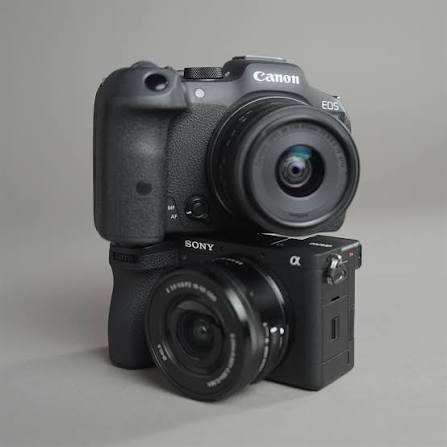
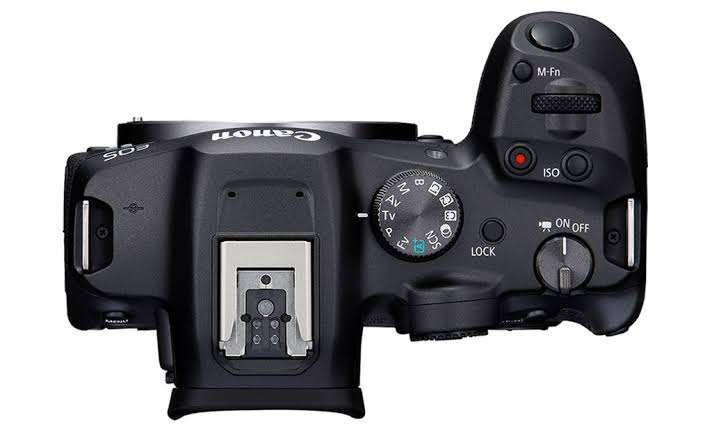
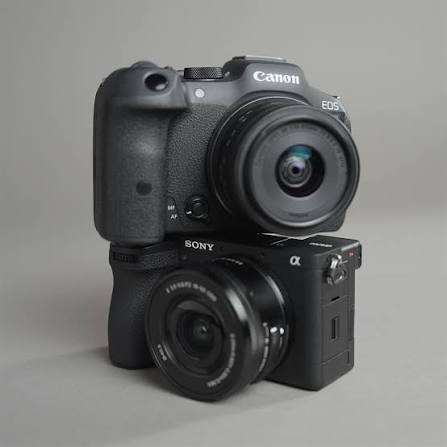
Its 26MP APS-C sensor, compact body, animal and bird recognition, and 11 fps continuous shooting make it a particularly interesting option for photographers who want Sony’s autofocus technology without the size and cost of a flagship full-frame body.
Why the α6700 Makes Sense for Wildlife
Wildlife photography often benefits from a lightweight camera.
If you’re hiking for several hours, carrying a long telephoto lens, tripod, food, water, and other equipment, every gram matters.
The α6700 is relatively compact.
That makes it particularly attractive for:
- Hiking
- Travel
- Birding
- Wildlife tours
- Nature photography
- Lightweight telephoto setups
Key Specifications
| Feature | Sony α6700 |
|---|---|
| Sensor | 26MP APS-C |
| Autofocus | Fast Hybrid AF |
| Subject recognition | Animals, birds, insects and more |
| Continuous shooting | Up to 11 fps |
| Card slot | SD UHS-I/II |
| Stabilization | 5-axis |
| Lens mount | Sony E |
| Video | 4K |
Sony lists recognition targets including humans, animals, birds, insects, cars, trains, and airplanes. The camera also provides up to 759 phase-detection AF points for still photography.
APS-C Reach
The α6700’s APS-C sensor gives photographers a 1.5× crop factor relative to full frame.
That means a 400mm lens gives a field of view comparable to approximately 600mm on full frame.
Again, this doesn’t increase the lens’s actual optical focal length.
But it does place the subject larger within the captured frame.
That’s extremely useful for distant wildlife.
Animal and Bird Recognition
Sony’s subject-recognition system can identify animals and birds, making the α6700 considerably more capable for wildlife than a basic entry-level APS-C camera.
For photographers who spend most of their time photographing birds or animals rather than people, this is one of the camera’s most important features.
11 fps Is Enough for Many Photographers
The α6700 doesn’t compete with the 30–40 fps flagship-style cameras in this guide.
But 11 fps is still fast enough for many wildlife situations.
You can capture:
- Walking animals
- Running animals
- Birds perched on branches
- Birds taking off
- Animal interactions
- Wildlife portraits
The bigger question is whether you need the extreme burst rates of a professional flagship.
For many enthusiasts, you don’t.
The Sony E-Mount Advantage
The α6700 also gives photographers access to Sony’s extensive E-mount ecosystem.
This is important because your wildlife system will eventually become more about lenses than the camera body.
You can build a lightweight system around APS-C lenses or use compatible full-frame E-mount telephoto lenses as your needs grow.
Single Card Slot
The main professional limitation is the single SD card slot.
For casual wildlife photography, this may be perfectly acceptable.
For paid assignments where losing images would have serious consequences, dual-card redundancy is preferable.
Potential Drawbacks
The 26MP APS-C sensor is less suited to extreme cropping than a 45MP or 50MP full-frame camera.
The smaller body can also be less comfortable with very large supertelephoto lenses than a larger professional camera body.
Who Should Buy the Sony α6700?
It’s a strong option for:
- Birders moving into serious photography
- Wildlife enthusiasts
- Travelers
- Hikers
- Nature photographers
- Sony users who want a lightweight body
- Photographers building a relatively affordable wildlife system
Who Should Consider a Different Camera?
Choose a larger professional body if:
- You regularly use very large telephoto lenses
- Dual-card recording is essential
- You need extremely high burst rates
- You photograph paid assignments where redundancy matters
Our Verdict
The Sony α6700 is our favorite Sony APS-C wildlife option.
It combines a compact body with 26MP resolution, advanced animal and bird recognition, 11 fps shooting, stabilization, and access to the extensive Sony E-mount ecosystem.
It isn’t the most powerful wildlife camera in this guide.
But for photographers who value portability, reach, autofocus, and system flexibility, it is an excellent choice.
8. Panasonic Lumix G9 II — Best Value Micro Four Thirds Wildlife Camera
The Panasonic Lumix G9 II is one of the most interesting wildlife cameras for photographers who want long reach, high-speed shooting, strong stabilization, and a relatively compact system.
Its 25.2MP Micro Four Thirds sensor provides the format’s 2× crop factor, while Panasonic combines it with phase-detection autofocus, animal-eye recognition, 60 fps burst shooting with continuous autofocus, and pre-burst recording.
Why the G9 II Makes Sense for Wildlife
The biggest advantage isn’t simply the camera body.
It’s the entire system.
Micro Four Thirds allows wildlife photographers to use relatively compact lenses while achieving very long equivalent fields of view.
For example:
- 300mm lens → approximately 600mm full-frame equivalent
- 400mm lens → approximately 800mm equivalent
- 600mm lens → approximately 1,200mm equivalent
That can be extremely useful when photographing small or distant wildlife.
Key Specifications
| Feature | Panasonic Lumix G9 II |
|---|---|
| Sensor | 25.2MP Micro Four Thirds |
| Crop factor | 2× |
| Autofocus | Phase Hybrid AF |
| Animal recognition | Animal eye/body detection |
| Burst | Up to 60 fps with AFC |
| Pre-burst | Yes |
| Stabilization | Up to 8 stops B.I.S. |
| Card slots | Dual SD |
| Lens mount | Micro Four Thirds |
| Video | Up to 5.8K/5.7K and 4K/120p |
Panasonic says the G9 II can shoot at 60 fps in AFC mode and provides pre-burst recording that can begin before the shutter is released.
60 fps With Continuous Autofocus
This is one of the G9 II’s biggest attractions.
At 60 fps, the camera can capture an enormous number of frames during a short burst.
That’s particularly useful for:
- Birds taking off
- Birds landing
- Wings in flight
- Fast animal movements
- Predator attacks
- Jumping animals
Of course, 60 fps should not be treated as the default setting for every wildlife photograph.
Shooting at extremely high frame rates can quickly generate huge numbers of files.
Use the speed when the behavior actually requires it.
Pre-Burst Is Extremely Useful
Wildlife doesn’t wait for photographers.
A bird may suddenly take off before you have fully pressed the shutter.
The G9 II’s pre-burst capability can help preserve that moment by recording frames before the shutter release. Panasonic says its SH pre-burst can begin up to 1.5 seconds before the shutter is released.
That can be a genuine advantage when photographing unpredictable behavior.
25.2MP Is a Good Balance
The G9 II’s 25.2MP sensor provides more resolution than some older Micro Four Thirds bodies while avoiding the enormous file sizes of 45MP+ full-frame cameras.
For wildlife photographers who already use long lenses, that can be a sensible balance.
Powerful Stabilization
Panasonic rates the G9 II’s body image stabilization at up to 8 stops.
That can be particularly useful when you’re:
- Tracking wildlife handheld
- Working from a safari vehicle
- Shooting at slower shutter speeds for stationary subjects
- Using long lenses without a tripod
As always, stabilization helps with camera movement, not subject movement.
A bird flying rapidly through the frame still requires a fast shutter speed.
The Main Advantage: Lens Size
This is where Micro Four Thirds becomes particularly compelling.
A wildlife photographer can potentially build a long-reach kit that is considerably smaller than a comparable full-frame setup.
For someone who spends entire days hiking through forests, mountains, wetlands, or reserves, this can make a major difference.
Potential Drawbacks
The smaller sensor isn’t ideal for every situation.
Full-frame cameras can offer advantages for:
- Extremely high ISO
- Very low-light wildlife
- Maximum dynamic range
- Extreme cropping
- Shallow depth of field
The G9 II is therefore best viewed as a specialized wildlife-friendly system, rather than a universal replacement for full frame.
Who Should Buy the Panasonic G9 II?
It is particularly suitable for:
- Bird photographers
- Wildlife photographers who hike
- Travel photographers
- Safari photographers
- Photographers who prioritize portability
- Enthusiasts who want long reach without enormous lenses
- Hybrid photo/video creators
Who Should Consider Something Else?
Choose full frame if:
- You frequently photograph wildlife at night or in very low light
- High-ISO performance is your priority
- You need extreme cropping flexibility
Choose APS-C if:
- You want a compromise between reach and sensor size
- You prefer a larger selection of APS-C bodies
Our Verdict
The Panasonic Lumix G9 II is one of the best value-oriented wildlife systems for photographers who prioritize reach and portability.
Its 25.2MP sensor, 60 fps AFC shooting, animal recognition, pre-burst capture, and powerful stabilization make it much more capable than its relatively compact form suggests.
9. Fujifilm X-H2S — Best High-Speed APS-C Alternative
The Fujifilm X-H2S is one of the most capable APS-C cameras for photographing fast-moving wildlife.
Its 26.1MP stacked X-Trans CMOS 5 HS sensor supports up to 40 fps electronic shooting, while Fujifilm’s subject-detection autofocus can recognize animals and birds. The camera also provides up to 7 stops of in-body stabilization.
Why the X-H2S Is So Good for Wildlife
Wildlife photography is exactly the kind of application where a stacked APS-C sensor makes sense.
You get:
- APS-C reach
- Fast sensor readout
- High burst rates
- Animal and bird detection
- Strong stabilization
- Weather resistance
- Relatively manageable system size
Key Specifications
| Feature | Fujifilm X-H2S |
|---|---|
| Sensor | 26.1MP APS-C |
| Sensor type | Stacked BSI X-Trans |
| Electronic burst | Up to 40 fps |
| Mechanical burst | Up to 15 fps |
| Subject detection | Animals, birds and more |
| Stabilization | Up to 7 stops |
| Card slots | CFexpress Type B + SD |
| Weight | Approx. 660g with battery/card |
| Video | 6.2K / 4K 120p |
Fujifilm’s current specifications confirm the 26.1MP APS-C sensor, 40 fps electronic shooting, 15 fps mechanical shooting, and dual CFexpress Type B/SD storage.
40 fps Wildlife Shooting
The X-H2S can shoot at up to 40 fps electronically.
That makes it particularly useful for fast sequences such as:
- Birds taking off
- Birds fighting
- Animals running
- Animals jumping
- Predators attacking
- Fast wing movement
Fujifilm specifically highlights the camera’s suitability for wildlife and birds, including its 40 fps blackout-free shooting.
Subject Detection AF
Fujifilm’s subject detection system can recognize and track birds and animals using AI/deep-learning technology.
That makes the X-H2S much more than a fast APS-C camera.
It is a genuine action-oriented wildlife body.
Stacked Sensor Advantage
A stacked sensor isn’t simply about shooting faster.
The faster readout can also help reduce rolling-shutter distortion when using the electronic shutter.
That’s important when photographing animals moving rapidly across the frame.
A conventional electronic shutter can sometimes distort fast-moving subjects.
A faster sensor readout reduces that problem.
Weather Resistance
Wildlife photography often takes place outdoors for hours.
Fujifilm designed the X-H2S with a weather-resistant magnesium-alloy body, making it better suited to demanding field conditions than many smaller enthusiast cameras.
Dual Card Slots
The X-H2S also offers two card slots:
- CFexpress Type B
- UHS-II SD
That provides professional photographers with a more flexible storage and backup workflow.
Potential Drawbacks
The X-H2S is not the highest-resolution APS-C camera in Fujifilm’s lineup.
The X-T5, for example, provides 40MP resolution.
But wildlife photography often benefits more from speed than maximum resolution.
That’s why the X-H2S remains the better choice for fast-moving subjects.
Another consideration is the overall telephoto ecosystem.
Photographers should choose the camera and lens combination rather than evaluating the body alone.
Who Should Buy the Fujifilm X-H2S?
It’s particularly suitable for:
- Bird photographers
- Wildlife photographers
- Action photographers
- Sports photographers
- Fujifilm users
- Photographers who prioritize speed
- Hybrid photo/video shooters
Who Should Consider the X-T5 Instead?
The X-T5 may be worth considering if:
- Maximum resolution matters more than burst speed
- You frequently crop wildlife images
- You photograph relatively static subjects
- You want a smaller body
Our Verdict
The Fujifilm X-H2S is one of the best high-speed APS-C wildlife cameras available.
Its stacked sensor, 40 fps electronic shooting, animal and bird detection, stabilization, and weather-resistant body make it especially strong for fast-moving wildlife.
For photographers who value speed over extreme resolution, it is an excellent alternative to the Canon EOS R7 and Sony α6700.
10. Nikon Z50II — Best Budget Nikon Wildlife Camera
The Nikon Z50II is the most affordable-oriented camera in our Top 10, but that doesn’t mean it is unsuitable for serious wildlife photography.
It combines a 20.9MP DX sensor with subject detection, 3D tracking, dedicated bird detection, and burst shooting of up to 30 fps. Nikon specifically lists people, dogs, cats, birds, and vehicles among its nine detectable subject types.
Why the Z50II Is Worth Considering
For someone starting wildlife photography, the camera body is only one part of the budget.
You also need a telephoto lens.
And that’s where buying a less expensive camera can make sense.
Instead of spending your entire budget on a flagship body, you could put more money into a long lens.
For wildlife photography, that can produce a much larger practical benefit.
Key Specifications
| Feature | Nikon Z50II |
|---|---|
| Sensor | 20.9MP APS-C/DX |
| Crop factor | 1.5× |
| Subject detection | 9 subject types |
| Bird detection | Yes |
| 3D Tracking | Yes |
| Electronic burst | Up to 30 fps |
| Card slot | UHS-II SD |
| Weight | Approx. 495g |
| Lens mount | Nikon Z |
Nikon lists the Z50II at approximately 495g and provides dedicated bird and airplane autofocus modes in addition to its broader subject-detection system.
APS-C Reach
The DX sensor gives you a 1.5× crop factor.
That means a 400mm lens provides a field of view comparable to approximately 600mm on full frame.
That’s very useful when photographing:
- Birds
- Deer
- Monkeys
- Smaller mammals
- Wildlife at zoos and reserves
30 fps Burst
The Z50II can shoot at up to 30 frames per second.
That is a surprisingly strong capability for a relatively affordable body. Nikon also provides Pre-Release Capture for helping record moments just before the shutter is fully released.
For a beginner, this means you can experiment with:
- Bird takeoffs
- Flying birds
- Running animals
- Jumping animals
- Fast animal interactions
without immediately needing a professional flagship.
Dedicated Bird Detection
Bird photography is one of the areas where the Z50II becomes particularly interesting.
Nikon provides a dedicated bird mode alongside its broader subject-recognition system.
That makes it a particularly attractive entry point for someone whose primary goal is bird photography.
Lightweight Body
At approximately 495g, the Z50II is significantly easier to carry than many professional full-frame bodies.
Pair it with a suitable telephoto zoom and it can make a very practical hiking wildlife setup.
The Major Limitation
The Z50II has a single memory-card slot.
For casual wildlife photography, that’s not necessarily a problem.
For paid assignments, it is worth considering carefully.
If you’re photographing a once-in-a-lifetime professional wildlife assignment, a dual-card body provides an additional level of redundancy.
Potential Drawbacks
The 20.9MP sensor provides less cropping flexibility than the higher-resolution cameras in this guide.
The smaller body can also be less comfortable when paired with very large professional telephoto lenses.
And while the Z50II provides impressive autofocus and burst capabilities for its class, it isn’t intended to replace Nikon’s higher-end Z6III, Z8, or flagship bodies.
Who Should Buy the Nikon Z50II?
It’s a strong option for:
- Wildlife beginners
- Bird photographers on a budget
- Travelers
- Hikers
- Nikon users entering the Z system
- Enthusiasts who want a lightweight setup
Who Should Consider Something Else?
Choose the Z6III if:
- Low-light performance matters more
- You need dual-card redundancy
- You’re shooting professionally
Choose the Z8 if:
- You need maximum resolution
- You crop heavily
- You want more advanced professional capabilities
Our Verdict
The Nikon Z50II is our best budget-friendly Nikon wildlife camera.
It combines a lightweight DX body with 30 fps shooting, bird detection, 3D tracking, and an increasingly capable Z-mount lens ecosystem.
For someone starting wildlife photography, it is a camera worth considering—especially if buying a better telephoto lens is more important than owning an expensive body.
The 10 Best Cameras for Wildlife Photography in 2026
After evaluating speed, autofocus, subject recognition, resolution, sensor format, stabilization, portability, lens ecosystems, and overall value, here’s our final ranking:
| Rank | Camera | Best For |
|---|---|---|
| 1 | Canon EOS R7 | Best overall wildlife camera |
| 2 | OM SYSTEM OM-1 Mark II | Best birds & portability |
| 3 | Nikon Z6III | Best full-frame wildlife camera |
| 4 | Sony α1 II | Best premium wildlife camera |
| 5 | Nikon Z8 | Best high-resolution wildlife camera |
| 6 | Canon EOS R6 Mark III | Best Canon full-frame option |
| 7 | Sony α6700 | Best Sony APS-C camera |
| 8 | Panasonic Lumix G9 II | Best value MFT camera |
| 9 | Fujifilm X-H2S | Best high-speed APS-C alternative |
| 10 | Nikon Z50II | Best budget Nikon |
Best Wildlife Camera for Different Types of Photography
The overall ranking doesn’t tell the whole story.
The best camera depends on what you photograph.
Best Camera for Birds
OM SYSTEM OM-1 Mark II
For bird photographers, the OM-1 Mark II’s combination of compact telephoto lenses, 2× crop factor, bird detection, 50 fps continuous AF shooting, Pro Capture, and strong stabilization is extremely difficult to ignore.
Best Camera for Birds in Flight
Canon EOS R7 or Fujifilm X-H2S
Both offer high-speed APS-C shooting and advanced subject detection.
The R7 has the advantage of its 32.5MP resolution and Canon’s strong animal autofocus system, while the X-H2S brings its stacked sensor and up to 40 fps electronic shooting.
Best Camera for Safari
Canon EOS R7
The R7’s APS-C sensor gives photographers useful reach while maintaining a relatively manageable body size.
It is particularly attractive when your subjects are relatively distant and you want to maximize the pixels you put on the animal.
Best Full-Frame Wildlife Camera
Nikon Z6III
It provides a strong balance between full-frame image quality, autofocus, tracking, speed, stabilization, and file size.
Best for Maximum Cropping
Sony α1 II
Its 50.1MP sensor gives you the most resolution among our primary recommendations, making it especially useful when your wildlife subject occupies only a small portion of the frame.
Best High-Resolution Alternative
Nikon Z8
At 45.7MP, the Z8 gives wildlife photographers enormous cropping flexibility while retaining professional autofocus and high-speed shooting.
Best Lightweight Wildlife System
OM SYSTEM OM-1 Mark II
The camera itself is only part of the advantage.
The compact Micro Four Thirds telephoto ecosystem can dramatically reduce the size and weight of a long-reach wildlife kit.
Best Budget Wildlife Camera
Nikon Z50II
It gives beginners access to modern subject detection, bird detection, 30 fps shooting, and Nikon’s Z-mount system without requiring a flagship-level investment.
Best Hybrid Wildlife Camera
Panasonic Lumix G9 II
If you want both serious wildlife photography and strong video capabilities, the G9 II offers a compelling combination of 25.2MP imaging, fast autofocus, 60 fps AFC shooting, stabilization, and extensive video functionality.
Best High-Speed APS-C Camera
Fujifilm X-H2S
The stacked 26.1MP sensor and 40 fps electronic shooting make it especially well suited to fast-moving wildlife.
One Important Lesson: The Camera Isn’t the Whole Wildlife System
Before buying any of these cameras, remember one thing:
Your telephoto lens may matter more than the camera body.
A $2,000 camera with an excellent 600mm-class lens can be a far more effective wildlife setup than a $6,000 camera paired with an unsuitable lens.
That’s why the next part of this guide focuses heavily on lenses, focal lengths, stabilization, teleconverters, and practical wildlife setups.
The Best Lenses for Wildlife Photography
Buying the right camera is only half the equation.
For wildlife photography, the lens can have an even greater impact on the photographs you produce.
A camera with outstanding autofocus cannot compensate for a telephoto lens that is too short for your subjects.
100–400mm: Best Versatile Wildlife Zoom
A 100–400mm-class lens is one of the most versatile choices for wildlife photography.
It works particularly well for:
- Zoos
- Large mammals
- Safari
- Wildlife that approaches relatively closely
- Travel photography
- General nature photography
The shorter end also makes it easier to find and track moving subjects.
That matters because finding a bird through a 600mm lens can sometimes be surprisingly difficult.
150–500mm / 200–600mm: The Wildlife Sweet Spot
For many photographers, a 150–500mm or 200–600mm zoom is the ideal starting point.
You get enough reach for distant wildlife while retaining the flexibility of a zoom.
This type of lens is particularly useful for:
- Birds
- Deer
- Safari
- Monkeys
- Large mammals
- Wildlife reserves
- Birds in flight
The ability to zoom out can also be extremely useful when an animal suddenly approaches.
400mm: Excellent for General Wildlife
A 400mm lens provides a strong balance between reach and portability.
It’s particularly useful when:
- You frequently hike
- Your subjects aren’t extremely distant
- You photograph larger wildlife
- You need a manageable telephoto setup
500–600mm: Ideal for Serious Wildlife
For serious bird and wildlife photography, 500–600mm is often where things become really interesting.
A 600mm lens gives you substantially more reach for distant subjects.
It’s particularly valuable for:
- Small birds
- Birds in flight
- Distant mammals
- Wildlife photography from hides
- Safari
- Professional assignments
The trade-off is size, weight, and price.
800mm and Beyond
800mm-class lenses are specialized tools.
They’re useful when:
- Wildlife is extremely distant
- You photograph small birds
- You work from hides
- You need maximum subject magnification
But they aren’t necessarily the best first telephoto lens.
They’re harder to handhold, harder to track with, and less versatile.
For many photographers, a 200–600mm zoom will be much more useful.
How Much Focal Length Do You Really Need?
| Focal Length | Best Use |
|---|---|
| 100–300mm | Large wildlife, zoos, nearby animals |
| 100–400mm | General wildlife and travel |
| 150–500mm | General wildlife + birds |
| 200–600mm | Serious wildlife and bird photography |
| 400–800mm | Distant birds and specialized wildlife |
| 600mm+ | Professional bird and distant wildlife work |
Don’t automatically buy the longest lens you can afford.
The best lens is the one you can carry, stabilize, focus, and use effectively.
APS-C Crop Factor and Wildlife Reach
One reason APS-C cameras are so popular for wildlife photography is their crop factor.
For example, Canon’s EOS R7 uses a 1.6× crop factor.
A 500mm lens therefore provides a field of view similar to approximately 800mm on a full-frame camera.
Sony’s APS-C cameras use a 1.5× crop factor.
Micro Four Thirds uses a 2× crop factor.
This makes the sensor format itself part of your wildlife setup.
Example
Suppose you’re photographing a bird with a 400mm lens.
Approximate field-of-view equivalents are:
| Camera Format | Approximate Equivalent |
|---|---|
| Full Frame | 400mm |
| APS-C 1.5× | 600mm |
| Canon APS-C 1.6× | 640mm |
| Micro Four Thirds 2× | 800mm |
This is one reason smaller-sensor systems can be so attractive for wildlife.
But crop factor does not magically increase the optical resolving power of the lens.
It simply changes how much of the scene is captured within the frame.
Should You Use a Teleconverter?
A teleconverter can increase the effective focal length of a compatible lens.
For example:
- 1.4× teleconverter → 600mm becomes approximately 840mm
- 2× teleconverter → 600mm becomes approximately 1,200mm
However, you generally lose light.
A 1.4× teleconverter costs approximately one stop of light.
A 2× teleconverter costs approximately two stops.
That means a lens that was f/4 can effectively become approximately f/5.6 with a 1.4× converter or f/8 with a 2× converter.
This can affect:
- Autofocus
- Shutter speed
- ISO
- Low-light performance
- Overall image quality
Use teleconverters when you genuinely need the additional reach and your lens is designed to work well with them.
Best Wildlife Camera Settings
Having the right camera doesn’t guarantee good wildlife photographs.
Your settings matter.
Shutter Speed
For moving wildlife, shutter speed should generally be high enough to freeze the subject.
Good starting points include:
- 1/500 sec — slower animals
- 1/1000 sec — general wildlife action
- 1/1600 sec — birds and fast movement
- 1/2000–1/4000 sec — very fast birds and action
These aren’t rigid rules.
Adjust according to the animal’s movement, lens focal length, and creative intent.
Aperture
A wide aperture can help separate the subject from the background.
Common wildlife choices include:
- f/2.8
- f/4
- f/5.6
- f/6.3
- f/8
A wider aperture is particularly useful in low light.
But don’t automatically shoot wide open.
If an animal is angled toward you and you want both eyes and more of the face sharp, stopping down slightly can be beneficial.
ISO
Wildlife photographers often need to raise ISO.
That’s because a fast shutter speed is usually more important than maintaining a very low ISO.
A sharp photograph at ISO 3200 is generally more useful than a blurred photograph at ISO 400.
Modern cameras have become very capable at high ISO, and noise can also be reduced during post-processing.
Autofocus Mode
For moving wildlife, use continuous autofocus.
Depending on your camera, this may be called:
- AF-C
- Servo AF
- Continuous AF
Pair it with animal or bird subject detection when appropriate.
Burst Mode
Use continuous shooting when the animal is moving.
You don’t necessarily need the maximum frame rate all the time.
For many situations, 10–20 fps is more than enough.
Save 30–60 fps modes for moments where precise timing really matters.
RAW
For serious wildlife photography, RAW is generally the better choice.
RAW files give you much more flexibility when adjusting:
- Shadows
- Highlights
- White balance
- Exposure
- Color
- Noise
- Fine detail
This becomes particularly valuable when shooting wildlife against bright skies or dark backgrounds.
How to Photograph Birds in Flight
Birds in flight are among the hardest wildlife subjects.
Start with:
Shutter speed: around 1/1600 sec or faster
Autofocus: continuous AF
Subject detection: bird/animal detection where available
Drive: high-speed continuous
Aperture: around f/5.6–f/8 depending on lens and light
ISO: Auto ISO can be useful
Don’t Use the Longest Lens Automatically
A common beginner mistake is assuming more focal length always means better bird photographs.
It doesn’t.
An 800mm lens can make it harder to acquire a rapidly flying bird.
A 400mm or 600mm lens may actually produce more keepers because it’s easier to find and track the subject.
Wildlife Photography in Low Light
Early morning and late evening are often the best times for wildlife.
Unfortunately, they’re also among the most technically challenging.
You may need:
- Fast lenses
- High ISO
- Fast shutter speeds
- Effective autofocus
- Image stabilization
This is where full-frame cameras such as the Nikon Z6III can be particularly attractive.
But remember that the lens matters just as much.
A fast f/2.8 or f/4 telephoto lens can make a dramatic difference.
Wildlife Photography From a Safari Vehicle
Safari photography creates a unique set of requirements.
You usually can’t move toward the animal.
Your subject may be:
- Very close
- Very far away
- Moving quickly
- Partially obscured
- In harsh sunlight
- In extremely low morning light
A flexible telephoto zoom is therefore often more useful than an extremely long prime lens.
Recommended Setup
A practical safari kit could consist of:
Camera: Canon EOS R7 / Nikon Z6III / Sony α7-class body
Main lens: 100–500mm or 200–600mm-class zoom
Secondary lens: 24–70mm-class zoom
This gives you both long reach and the ability to photograph wider environmental scenes.
Wildlife Photography From a Hide
Wildlife hides are different.
Your subject may remain relatively far away for long periods.
In that situation, longer focal lengths become much more useful.
A 600mm, 800mm, or 600mm + teleconverter setup can be extremely effective.
Because you’re stationary, the additional weight becomes less problematic.
A tripod or monopod can also become practical.
Do You Need a Full-Frame Camera for Wildlife Photography?
No.
This is one of the biggest misconceptions about wildlife photography.
APS-C and Micro Four Thirds cameras can be outstanding wildlife tools.
In some situations, they may actually be preferable.
Choose APS-C If You Want:
- More apparent reach
- High pixel density
- Smaller bodies
- Lower system cost
- Strong bird photography performance
Choose Full Frame If You Want:
- Better low-light flexibility
- Larger selection of professional bodies
- High-end telephoto options
- Maximum dynamic range
- Excellent high-ISO performance
Choose Micro Four Thirds If You Want:
- Maximum portability
- Compact long lenses
- Very long equivalent reach
- Lightweight hiking equipment
Common Wildlife Camera Buying Mistakes
Buying the Most Expensive Camera
You don’t need a flagship camera to photograph wildlife.
A less expensive camera paired with an excellent telephoto lens can often produce better results.
Ignoring the Lens
This is probably the biggest mistake.
Don’t spend your entire budget on the body.
Leave enough money for good glass.
Choosing Maximum Megapixels
More megapixels can help with cropping.
But autofocus, lens quality, light, shutter speed, and technique can matter more.
Ignoring Weight
A 4kg wildlife kit might sound impressive on paper.
After hiking with it for six hours, you may feel differently.
Buying Too Much Focal Length
An 800mm lens isn’t automatically better than a 400mm lens.
You need to be able to find and track your subject.
Forgetting Storage
High-speed wildlife photography generates enormous numbers of files.
A single morning of bird photography can easily produce hundreds or thousands of photographs.
Plan for:
- Multiple memory cards
- SSD storage
- Computer storage
- Backup drives
- Cloud backup when practical
Ignoring Weather Resistance
Wildlife photography frequently takes place in difficult weather.
A weather-resistant camera and lens combination is worth considering if you’re regularly shooting outdoors.
Frequently Asked Questions
What is the best camera for wildlife photography in 2026?
The Canon EOS R7 is our overall pick because it combines a high-resolution APS-C sensor, useful reach, fast burst shooting, animal autofocus, stabilization, and a relatively accessible price.
Is Canon R7 better than a full-frame camera for wildlife?
Not universally.
The R7’s APS-C sensor provides a useful 1.6× crop factor and 32.5MP resolution, making it particularly attractive for distant wildlife and birds.
A full-frame camera can be preferable in low light and when you need maximum high-ISO flexibility.
What is the best camera for bird photography?
The OM SYSTEM OM-1 Mark II is our top choice for bird photographers who prioritize portability and reach.
The Canon EOS R7, Nikon Z8, and Fujifilm X-H2S are also excellent options for birds.
Is 24MP enough for wildlife photography?
Yes.
A 24MP full-frame camera can produce excellent wildlife photographs.
Resolution becomes more important when you frequently crop heavily or need large high-detail prints.
Is APS-C better than full frame for wildlife?
APS-C can be advantageous because of its crop factor and pixel density.
Full frame can be better in low light and may provide superior access to professional high-end lenses.
Neither format is universally better.
How much zoom do I need for wildlife photography?
A 100–400mm lens is a good general-purpose option.
For serious wildlife and bird photography, a 200–600mm-class lens is often more useful.
Is 600mm enough for bird photography?
For many situations, yes.
A 600mm lens is an excellent wildlife focal length, especially when combined with a high-resolution APS-C or Micro Four Thirds body.
What is the best budget wildlife camera?
The Nikon Z50II is our budget-oriented choice.
It combines a lightweight APS-C body with bird detection, 3D tracking, and up to 30 fps shooting.
What camera is best for wildlife in low light?
The Nikon Z6III is one of our favorite choices because its full-frame sensor provides a strong balance of low-light capability, autofocus, speed, and file size.
Do I need 30 fps for wildlife?
No.
You can photograph wildlife successfully at much lower frame rates.
High burst rates become particularly useful for unpredictable action such as birds taking off or animals jumping.
Is image stabilization important for wildlife photography?
Yes, especially when using long lenses.
But stabilization does not freeze moving animals.
You still need an appropriate shutter speed for action.
Should I shoot wildlife in RAW?
For serious photography, RAW is generally preferable because it provides greater flexibility during editing.
Final Verdict: The Best Wildlife Camera Depends on Your Style
There is no single camera that wins every wildlife photography scenario.
Our overall ranking favors the cameras that provide the best combination of real-world wildlife capabilities rather than simply the highest specifications.
Best Overall Wildlife Camera
Canon EOS R7
Its combination of 32.5MP APS-C resolution, 1.6× crop factor, fast shooting, animal detection, stabilization, and dual card slots makes it an exceptionally well-rounded wildlife camera.
Best for Birds and Portability
OM SYSTEM OM-1 Mark II
If you’re primarily photographing birds and spend a lot of time hiking, the compact Micro Four Thirds system is extremely compelling.
Best Full-Frame Wildlife Camera
Nikon Z6III
It provides an excellent balance of full-frame image quality, autofocus, tracking, speed, stabilization, and manageable file sizes.
Best Premium Wildlife Camera
Sony α1 II
For professionals who want approximately 50MP resolution and up to 30 fps AF/AE tracking, the α1 II is an exceptional flagship.
Best High-Resolution Wildlife Camera
Nikon Z8
The 45.7MP sensor makes it particularly attractive when aggressive cropping is part of your workflow.
Best Canon Full-Frame Option
Canon EOS R6 Mark III
It combines 32.5MP full-frame resolution with very high-speed shooting, animal detection, pre-capture, stabilization, and dual-card recording.
Best Sony APS-C Option
Sony α6700
A compact body, 26MP sensor, animal/bird recognition, stabilization, and the Sony E-mount ecosystem make it a strong choice for lightweight wildlife setups.
Best Value Micro Four Thirds Camera
Panasonic Lumix G9 II
Its 25.2MP sensor, 60 fps AFC shooting, animal recognition, pre-burst capture, and long-reach MFT ecosystem make it a powerful value option.
Best High-Speed APS-C Alternative
Fujifilm X-H2S
The stacked sensor and 40 fps electronic shooting make it especially attractive for fast-moving wildlife.
Best Budget Nikon
Nikon Z50II
For photographers entering wildlife photography without wanting to spend flagship money, the Z50II provides a compelling combination of reach, autofocus, speed, and portability.
Conclusion
The best wildlife camera isn’t necessarily the camera with the highest resolution or the fastest advertised frame rate.
It’s the camera that works with the way you actually photograph wildlife.
If you photograph distant birds, prioritize reach, autofocus, pixel density, and a suitable telephoto lens.
If you photograph wildlife at dawn and dusk, consider a full-frame camera and a fast telephoto lens.
If you hike long distances, system weight becomes extremely important.
And if you’re shooting professionally, don’t overlook dual-card recording, weather resistance, battery life, and your backup strategy.
Most importantly, don’t put your entire budget into the camera body.
A strong wildlife system is built around:
Camera + telephoto lens + autofocus + reach + stability + technique.
Choose the combination rather than the specification sheet, and you’ll be far more likely to build a wildlife setup that performs when the animal finally appears.
Choosing the right camera and photography equipment is essential when building a wildlife photography setup. Along with the camera body, your lens, accessories, autofocus technique, and shooting settings can have a major impact on the final image.
Related Articles:
- Camera & Equipment Guides — Explore more camera comparisons, buying guides, lenses, and photography gear recommendations.
- How to Use a Telephoto Lens for Perfect Candid Shots — Learn how focal length, composition, and shooting technique can improve distant wildlife images.
- DSLR vs Mirrorless Camera: Which Is Better? — Compare the advantages and disadvantages of DSLR and mirrorless systems before choosing your next camera.
- Which Camera Is Best for Beginners in Photography? — A useful starting point for photographers buying their first interchangeable-lens camera.
- Top Mirrorless Cameras for Professional Photographers — Compare professional mirrorless cameras for demanding photography workflows.
Recommended Resources
For the most accurate specifications, firmware information, compatibility details, and technical documentation, it’s worth checking the manufacturers’ official resources:
- Canon — Official EOS camera specifications and support information
- Nikon — Official Z-series camera specifications and support
- Sony — Official Alpha camera specifications and support
- OM SYSTEM — Official OM-series camera specifications and support
- Panasonic LUMIX — Official LUMIX camera specifications and support
- Fujifilm — Official X Series camera specifications and support
Always verify current specifications, firmware versions, and regional availability before purchasing.
Ready to Choose Your Wildlife Camera?
The right wildlife camera depends on what you photograph, how far you travel, and how much reach and performance you actually need.
Before buying, consider the camera body, telephoto lens, autofocus performance, reach, stabilization, battery life, and overall system weight together.
If you’re ready to build your wildlife photography setup, explore our other Camera & Equipment guides to compare cameras, lenses, and photography gear before making your final decision.



Leave a Reply