
Discover the ultimate camera & equipment buying guide. Learn how to choose cameras, lenses, sensors, and photography gear without wasting money.
Introduction – Camera & Equipment

Buying your first camera & equipment can feel overwhelming.
A quick search online reveals hundreds of camera models, dozens of brands, endless lens options, and conflicting advice from photographers. Many beginners assume they need the most expensive camera to take professional photos. Others spend money on features they never use.
The truth is much simpler.
The best camera isn’t necessarily the newest or most expensive model. Instead, the best camera is the one that matches your goals, budget, and photography style.
This complete Camera & Equipment Buying Guide will help you understand exactly what matters when purchasing photography gear. Whether you’re a beginner buying your first camera or an experienced creator upgrading your setup, this guide will help you make smarter decisions and avoid costly mistakes.


Why You Can Trust This Camera & Equipment Guide
At The Candid Shoot, we publish practical camera and photography equipment guides designed to help beginners, creators, professionals, and businesses choose the right gear with confidence. Our recommendations are based on extensive product research, manufacturer specifications, real-world photography workflows, current market trends, and comparisons across multiple camera brands.
Whenever possible, we evaluate cameras and photography accessories based on factors that matter most in real-world use, including:
- Image quality and sensor performance
- Autofocus speed and subject tracking
- Low-light capabilities
- Video recording features
- Lens ecosystem and upgrade potential
- Battery life and portability
- Overall value for different budgets
Because camera technology evolves rapidly, this guide is reviewed and updated regularly to reflect new camera launches, firmware improvements, pricing changes, and industry developments.
Our goal is simple:
Help photographers buy the right equipment—not simply the most expensive one.
Quick Answer
Choosing the right camera equipment depends on your photography style, budget, and future goals—not just megapixels or price. Beginners often benefit most from entry-level mirrorless cameras with versatile kit lenses, while professionals may prioritize advanced autofocus, weather sealing, high-resolution sensors, or specialized lenses. Before buying, compare image quality, lens availability, ergonomics, video capabilities, and long-term upgrade options to invest wisely.
Continue Learning
If you’re building your photography kit from scratch or planning your next upgrade, don’t miss our complete buying guide:
👉 25 Essential Camera & Equipment Buying Secrets Every Photographer
This pillar guide explains:
- DSLR vs Mirrorless
- Choosing your first camera
- Best lenses for different photography styles
- Essential accessories
- Budget buying tips
- Mistakes to avoid before purchasing camera gear
Why Camera Buying Is So Confusing
Most camera manufacturers advertise technical specifications that sound impressive but often mean very little to beginners.
Examples include:
- 45 Megapixels
- 8K Video
- 120 FPS
- Dual Native ISO
- Phase Detection Autofocus
While these features matter, many photographers purchase equipment based on specifications rather than actual needs.
As a result:
- Beginners overspend
- Gear remains underused
- Photography becomes more complicated
Instead of focusing on marketing claims, focus on how you plan to use your camera.
Understanding Photography Equipment
Before comparing brands and models, you need to understand the three primary camera categories available today.
DSLR Cameras
DSLR stands for Digital Single-Lens Reflex.
These cameras use a mirror system to reflect light into an optical viewfinder.
For years, DSLRs dominated professional photography.
Advantages
- Excellent battery life
- Durable construction
- Large lens ecosystem
- Comfortable handling
Disadvantages
- Larger size
- Heavier weight
- Older technology compared to mirrorless systems





Mirrorless Cameras – Camera & Equipment
Mirrorless cameras eliminate the mirror mechanism found in DSLRs.
Instead, they use electronic viewfinders and digital displays.
Most modern camera innovation now occurs in the mirrorless category.
Advantages
- Lightweight design
- Advanced autofocus
- Better video features
- Faster subject tracking
Disadvantages
- Shorter battery life
- Often more expensive
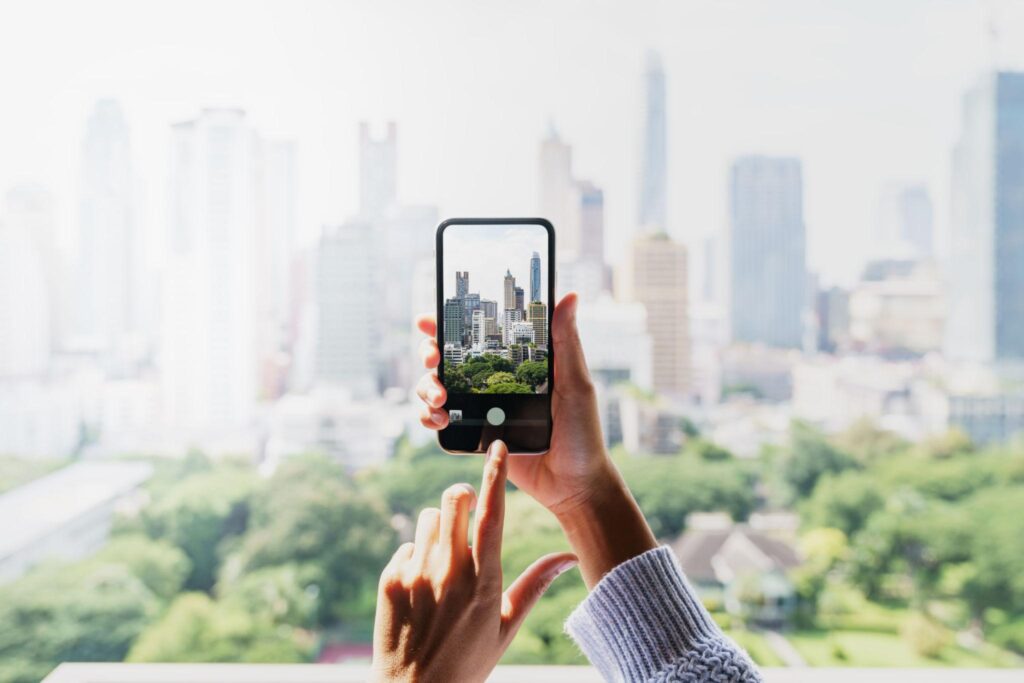
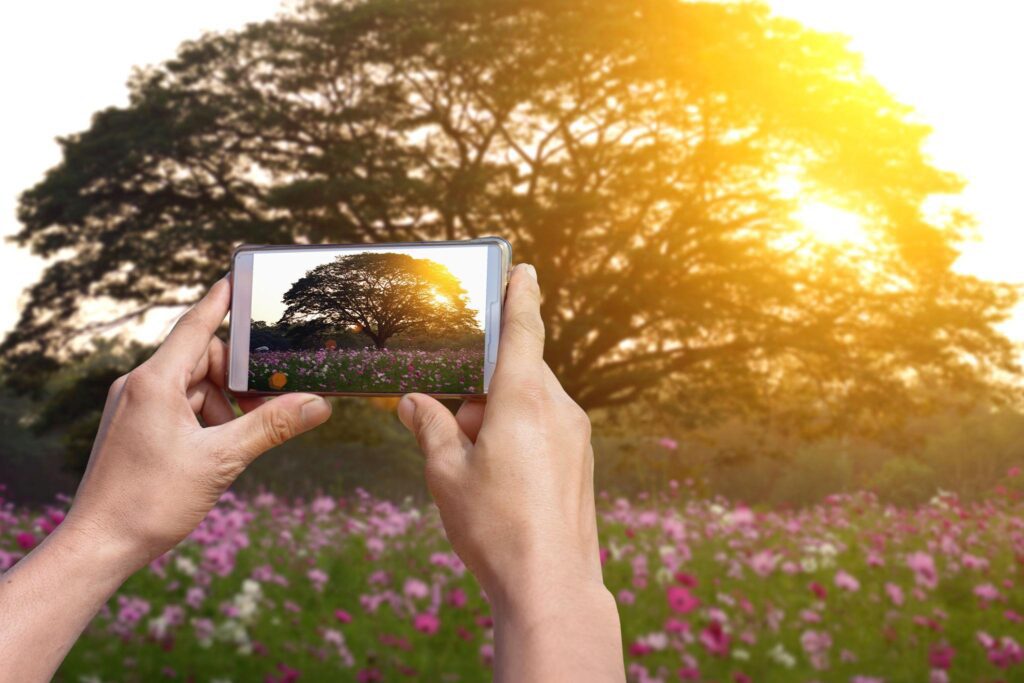
Smartphone Cameras
Smartphone photography has improved dramatically.
Many creators now produce professional-looking content entirely with phones.
Advantages
- Always available
- Easy sharing
- Computational photography
- Beginner friendly
Disadvantages
- Smaller sensors
- Limited lens flexibility
- Reduced low-light performance
DSLR vs Mirrorless vs Smartphone Cameras
DSLR Is Best For
- Wildlife photography
- Sports photography
- Budget-conscious photographers
- Existing DSLR users
Mirrorless Is Best For
- Content creators
- Professional photographers
- Travel photographers
- Hybrid photo/video creators
Smartphones Are Best For
- Social media creators
- Casual photography
- Travel convenience
- Beginner learning
Comparison Table – Camera & Equipment
| Feature | DSLR | Mirrorless | Smartphone |
|---|---|---|---|
| Image Quality | Excellent | Excellent | Good |
| Portability | Moderate | Excellent | Best |
| Battery Life | Best | Good | Moderate |
| Lens Options | Excellent | Excellent | Limited |
| Video Features | Good | Excellent | Very Good |
| Beginner Friendly | Moderate | Good | Excellent |
Camera Sensors Explained
The sensor is one of the most important parts of any camera.
A camera sensor captures light and converts it into a photograph.
Generally:
Larger sensors produce:
- Better image quality
- Better low-light performance
- More dynamic range
- Better background blur
Smaller sensors offer:
- Lower cost
- Compact cameras
- Greater reach for wildlife photography
Full Frame vs APS-C vs Micro Four Thirds
This is one of the most important camera-buying decisions.
Full Frame Sensors
Largest commonly available sensor.
Advantages:
- Better low-light performance
- Stronger background blur
- Maximum image quality
Examples:
- Sony A7 IV
- Canon R6 Mark II
- Nikon Z6 III
APS-C Sensors
Most popular beginner and enthusiast category.
Advantages:
- Lower cost
- Compact cameras
- Excellent image quality
Examples:
- Sony A6700
- Canon R10
- Nikon Z50
Micro Four Thirds Sensors
Smaller sensor system.
Advantages:
- Lightweight equipment
- Excellent stabilization
- Affordable lenses
Examples:
- OM System OM-5
- Panasonic G9 II


Camera & Equipment – Megapixels Explained
Many beginners believe more megapixels automatically mean better photos.
This is not true.
Megapixels primarily affect:
- Print size
- Cropping flexibility
For most photographers:
20–24 MP
Perfect for:
- Social media
- Travel photography
- Portraits
30–45 MP
Ideal for:
- Commercial work
- Large prints
- Professional photography
50+ MP
Best for:
- Studio work
- Advertising
- Extreme cropping
Camera & Equipment – Autofocus Systems Explained
Modern autofocus has become incredibly powerful.
The best autofocus systems can detect:
- Eyes
- Faces
- Animals
- Vehicles
- Birds
Important Autofocus Features
Eye Autofocus
Tracks human eyes automatically.
Subject Tracking
Follows moving subjects.
Face Detection
Maintains focus during portraits.
Animal Detection
Useful for wildlife photography.
Burst Shooting and FPS
FPS means Frames Per Second.
This determines how many photos a camera can capture each second.
5 FPS
Good for:
- Everyday photography
10 FPS
Great for:
- Sports
- Action
20 FPS+
Ideal for:
- Wildlife
- Professional sports
Video Features Explained
Many buyers now create both photos and videos.
Important video features include:
4K Video
Current standard.
6K and 8K
Useful for advanced production.
Log Profiles
Better color grading flexibility.
Slow Motion
Great for cinematic content.
Flip Screens
Helpful for creators and vloggers.
Related Articles:
- Best Camera Under ₹30,000
- Best Camera Under ₹1 Lakh
- Best Camera for Instagram and Reels
- Best Camera for YouTube Beginners
- Panasonic S5 II Review
- Nikon D850 Review
- Leica Q2 Review
- Photography Tutorials
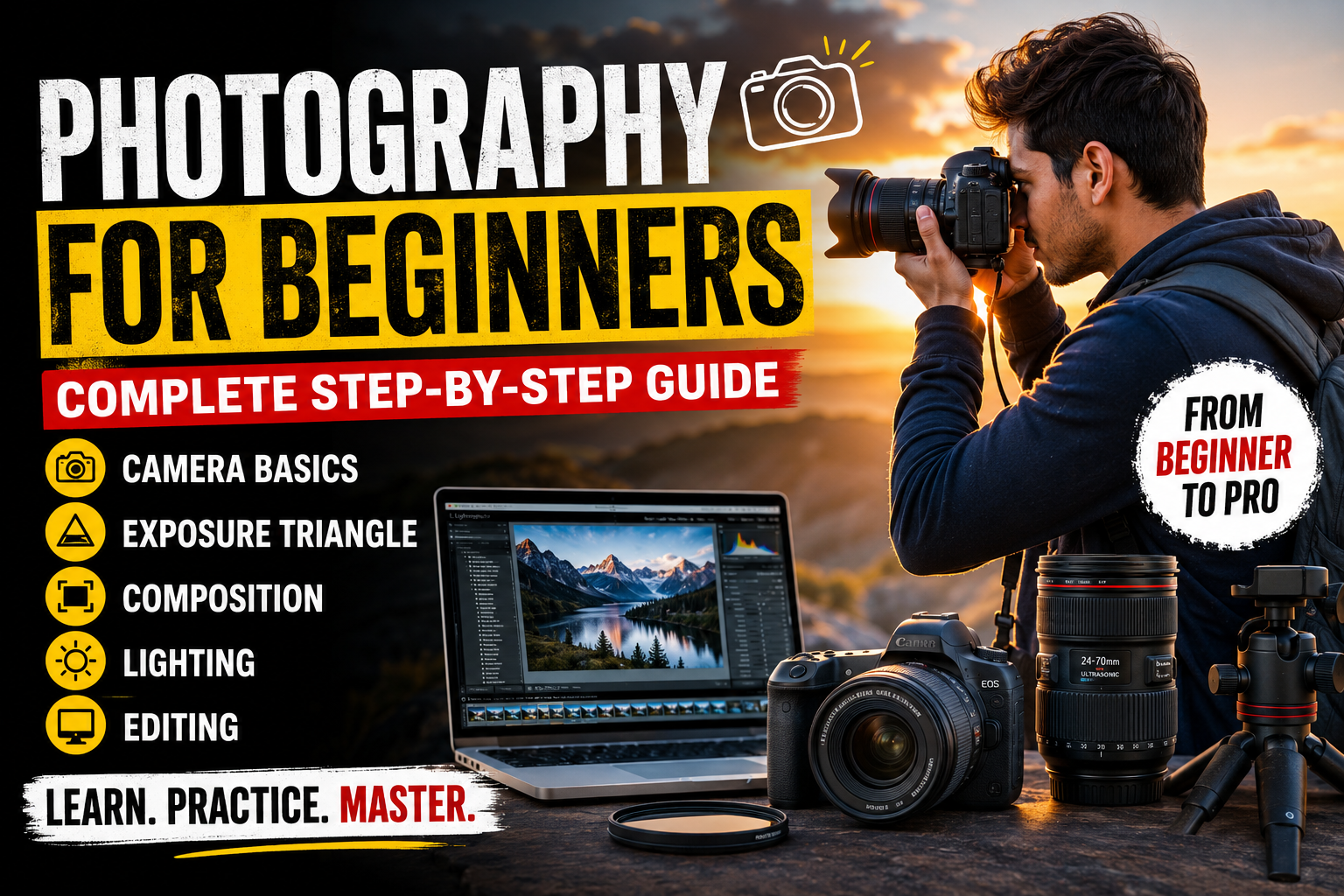
- Photography for Beginners
- Creative Lighting Ideas for Home Photoshoot
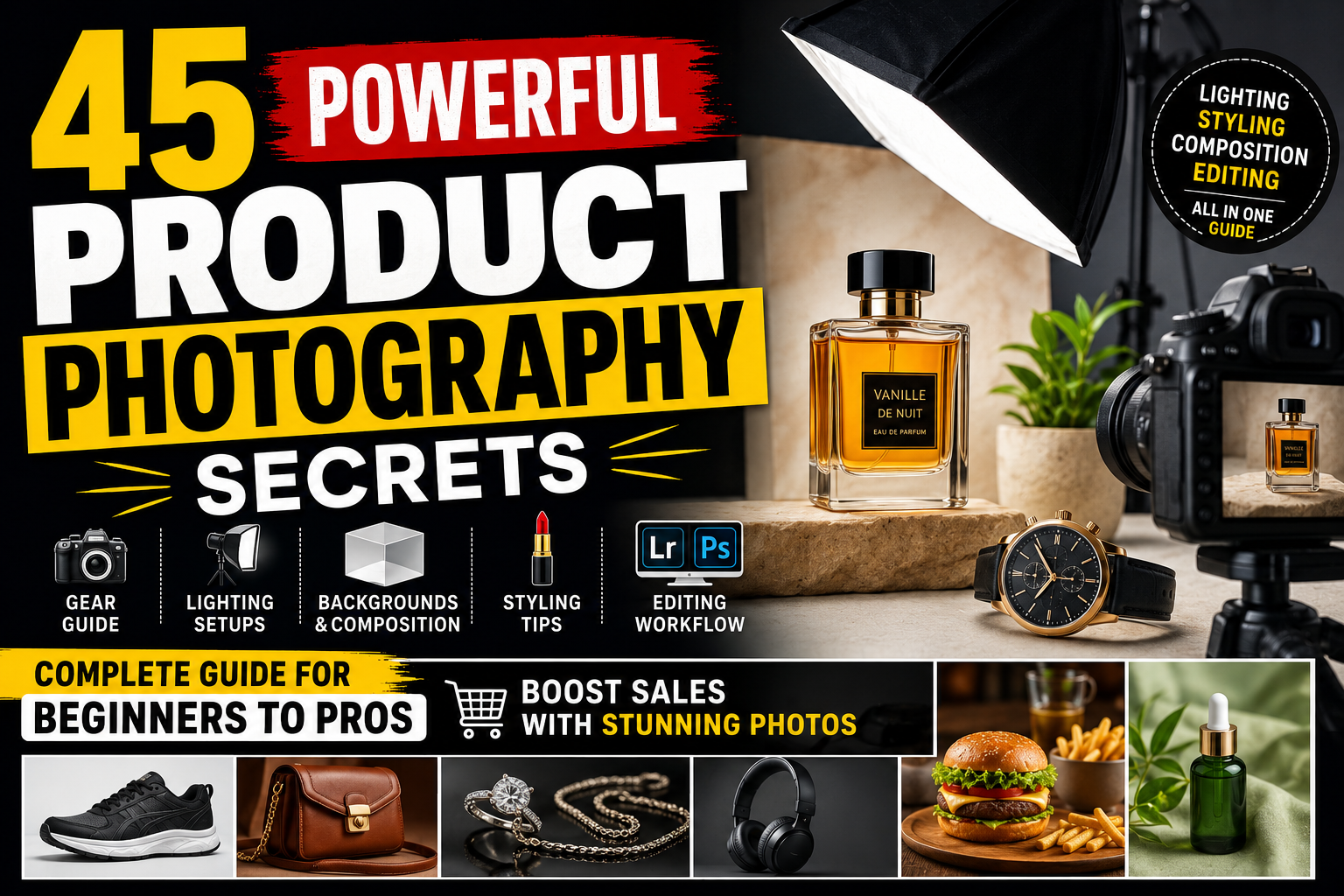
- Product Photography Setup at Home
- DIY Photoshoot Ideas at Home
Complete Camera & Equipment Lens Buying Guide
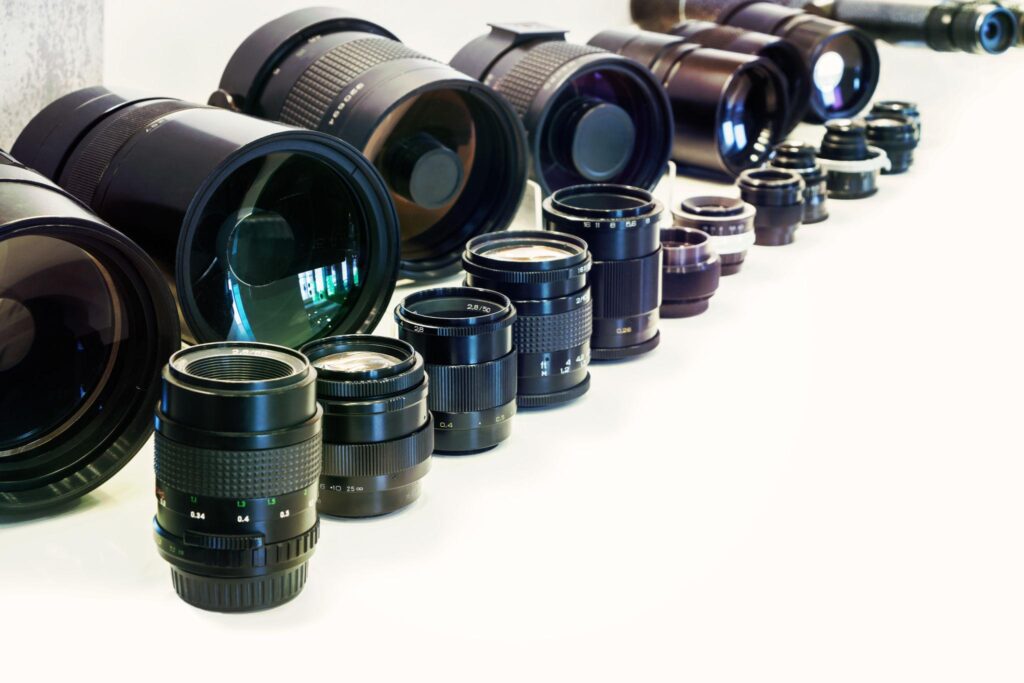
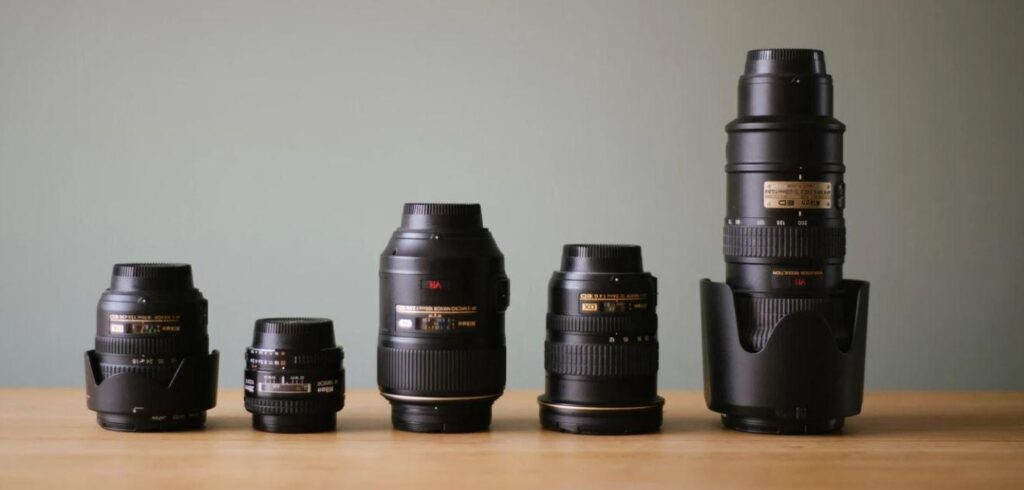
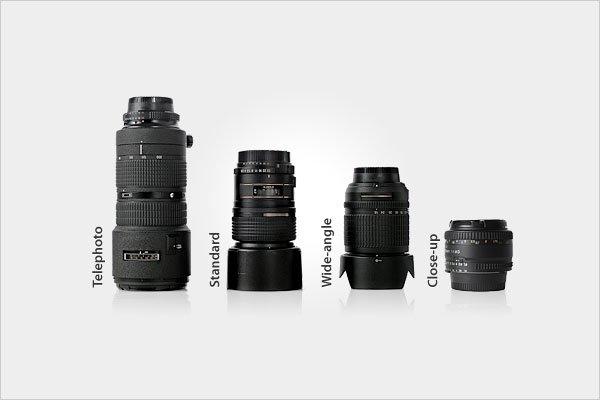
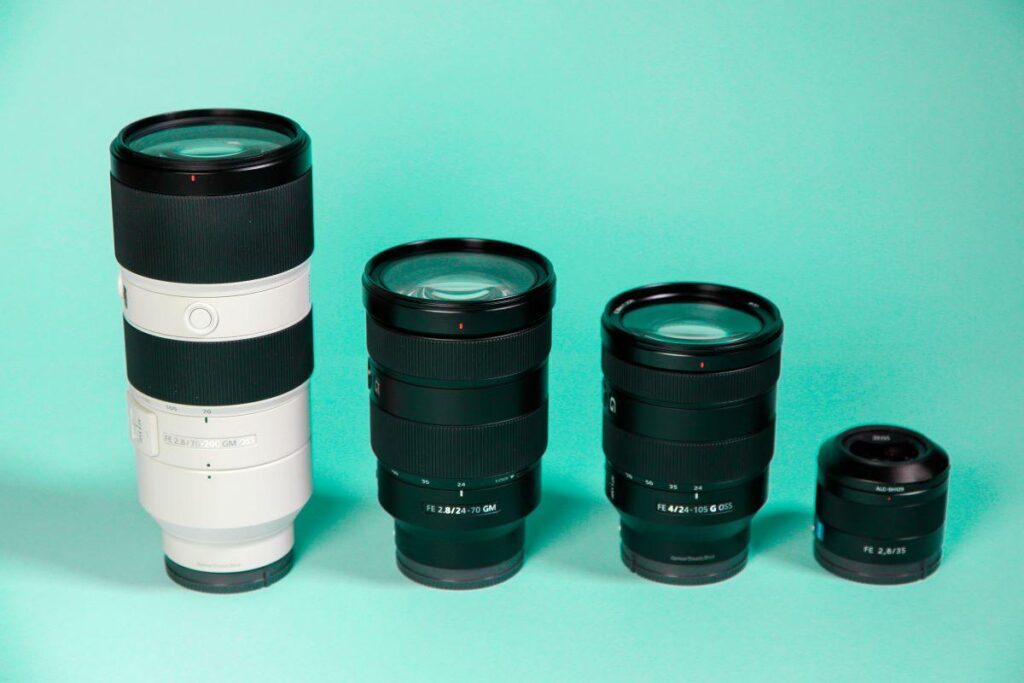
If camera bodies are the brain of a photography system, lenses are the eyes.
Many professional photographers will tell you that lenses affect image quality more than camera bodies. In fact, investing in good lenses often produces a bigger improvement than upgrading your camera.
Before buying any lens, you should understand focal lengths, aperture, lens categories, and how each lens affects your photography.


Why Lenses Matter More Than Camera Bodies
A beginner often spends most of their budget on a camera body and purchases a basic kit lens.
However, professional photographers frequently use older cameras with high-quality lenses and still achieve outstanding results.
Good lenses provide:
- Sharper images
- Better low-light performance
- Faster autofocus
- Better background blur
- Improved color rendering
Understanding Focal Length
Focal length determines how much of the scene your camera captures.
Measured in millimeters (mm).
Common focal lengths include:
- 16mm
- 24mm
- 35mm
- 50mm
- 85mm
- 135mm
- 200mm
- 400mm
The smaller the number, the wider the view.
The larger the number, the closer distant subjects appear.
Camera & Equipment – Wide-Angle Lenses
Wide-angle lenses capture a larger field of view.
Common focal lengths:
- 14mm
- 16mm
- 24mm
- 35mm
Best For
- Landscapes
- Architecture
- Travel photography
- Real estate photography
- Vlogging
Advantages
- Wider perspective
- Excellent for small spaces
- Strong environmental storytelling
Disadvantages
- Can distort faces
- Not ideal for close portraits
Standard Lenses
The most versatile category.
Common focal lengths:
- 35mm
- 50mm
These focal lengths closely resemble natural human vision.
Best For
- Street photography
- Portraits
- Travel
- Everyday photography
Recommended Lens
50mm f/1.8
Many photographers call this:
“The Nifty Fifty”
Because it offers incredible value.
Camera & Equipment – Telephoto Lenses
Telephoto lenses bring distant subjects closer.
Common focal lengths:
- 70-200mm
- 100-400mm
- 150-600mm
Best For
- Wildlife photography
- Sports photography
- Event photography
- Portrait photography
Advantages
- Subject isolation
- Better background compression
- Reach distant subjects
Disadvantages
- Larger size
- Higher cost
Camera & Equipment – Prime vs Zoom Lenses
One of the biggest decisions photographers face.
Prime Lenses
Fixed focal length.
Examples:
- 35mm
- 50mm
- 85mm
Advantages
- Sharper images
- Better low-light performance
- Wider apertures
- Lightweight
Disadvantages
- No zoom capability
Zoom Lenses
Variable focal lengths.
Examples:
- 24-70mm
- 70-200mm
- 18-135mm
Advantages
- Flexible
- Convenient
- Travel friendly
Disadvantages
- Usually heavier
- More expensive
Best Portrait Lenses
Portrait photographers prioritize:
- Sharp eyes
- Beautiful background blur
- Natural facial proportions
50mm f/1.8
Best beginner portrait lens.
85mm f/1.8
Professional portrait favorite.
70-200mm f/2.8
Wedding and event photography standard.
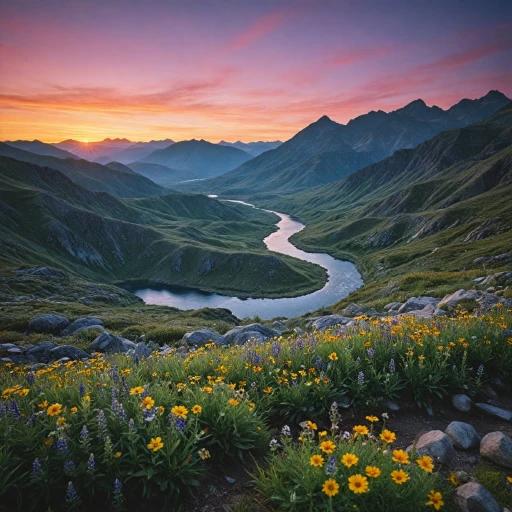
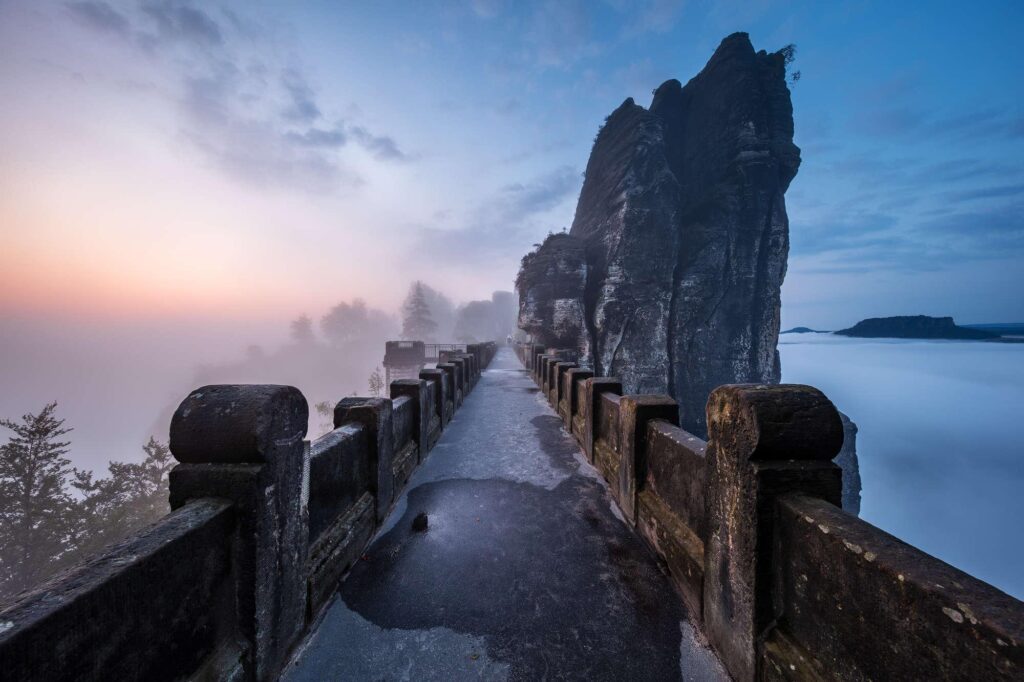
Best Landscape Lenses
Landscape photography requires:
- Wide field of view
- High sharpness
- Strong corner performance
Recommended Focal Lengths
- 14mm
- 16mm
- 24mm
- 35mm
Popular Choices:
- Sony 16-35mm
- Canon 15-35mm
- Nikon 14-30mm




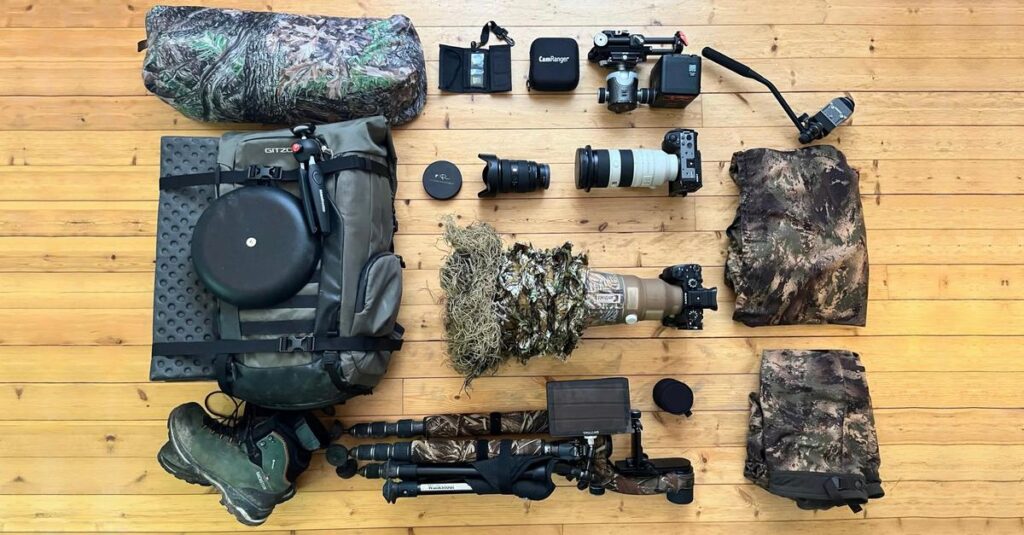
Best Wildlife Lenses
Wildlife subjects are often distant.
Long focal lengths become essential.
Recommended Lenses
- 100-400mm
- 150-600mm
- 200-600mm
Key Features
- Fast autofocus
- Optical stabilization
- Long reach


Best Travel Lenses
Travel photographers need versatility.
Top Choices
24-70mm
Excellent all-around lens.
24-105mm
Ideal travel zoom.
18-135mm
Budget-friendly travel lens.
Lens Aperture Explained
Lens names often include aperture values.
Example:
50mm f/1.8
The f/1.8 indicates maximum aperture.
Wide Apertures
Examples:
- f/1.2
- f/1.4
- f/1.8
Benefits:
- More light
- Better low-light performance
- Stronger background blur
Narrow Apertures
Examples:
- f/4
- f/5.6
- f/6.3
Benefits:
- Lower cost
- Smaller size
Lens Stabilization
Different brands use different names:
Canon
Image Stabilization (IS)
Nikon
Vibration Reduction (VR)
Sony
Optical SteadyShot (OSS)
Sigma
Optical Stabilization (OS)
Benefits:
- Sharper handheld images
- Better low-light performance
- Improved video footage
Lens Buying Mistakes to Avoid
Buying Too Many Cheap Lenses
Focus on quality over quantity.
Ignoring Lens Compatibility
Always verify mount compatibility.
Chasing Extreme Zoom
Bigger zoom ranges often sacrifice image quality.
Ignoring Weight
Large lenses can become uncomfortable during travel.
Buying Based on YouTube Hype
Buy lenses that suit your needs.
Recommended Lens Kits by Budget
Budget Beginner Kit
- 50mm f/1.8
- Kit Lens
Enthusiast Kit
- 24-70mm
- 85mm f/1.8
Professional Kit
- 16-35mm
- 24-70mm
- 70-200mm
This three-lens setup covers almost every photography scenario.
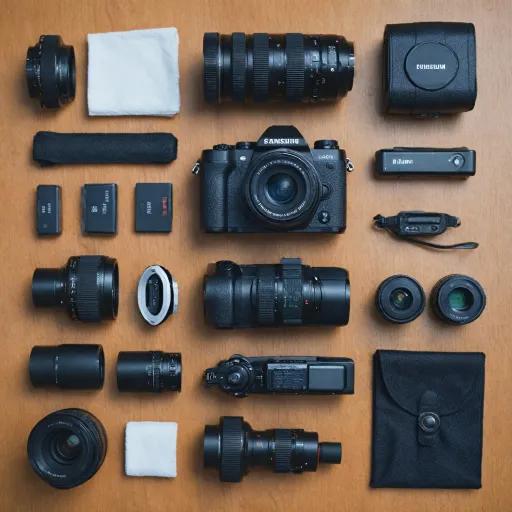
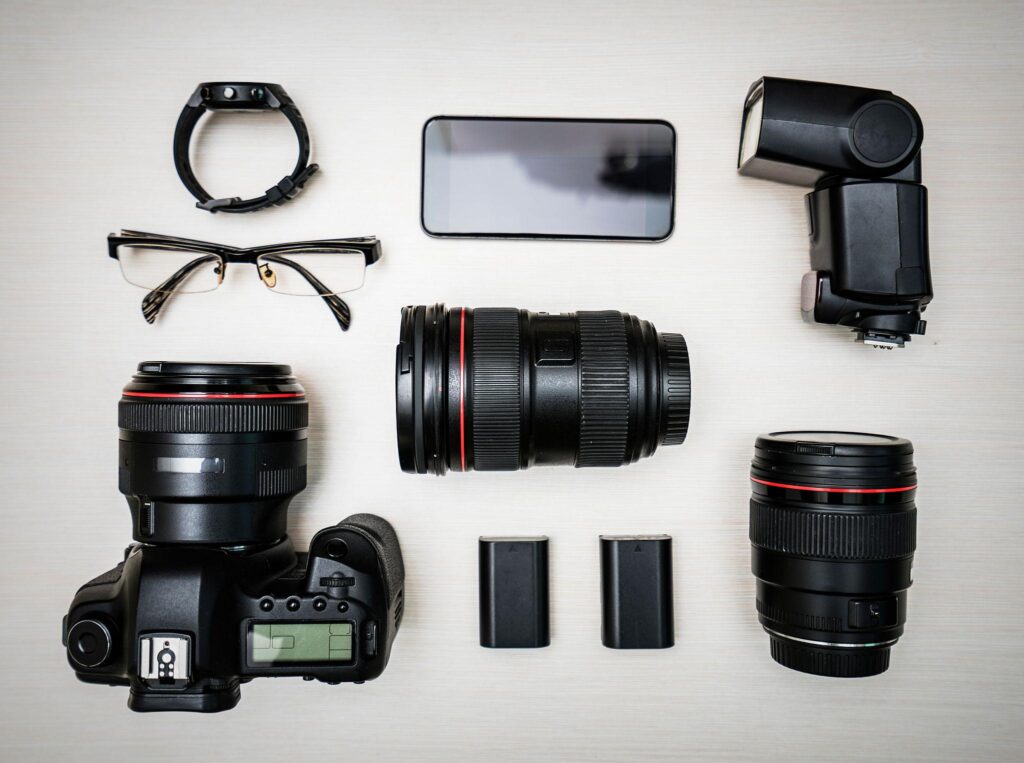
Photography Accessories Guide
Many photographers spend weeks researching cameras and lenses but overlook accessories.
However, accessories often improve the photography experience more than camera upgrades.
A good tripod can improve landscape photography dramatically. A reliable memory card can prevent data loss. A quality camera bag can protect thousands of dollars worth of equipment.
The goal is not to buy every accessory available. Instead, focus on equipment that solves real problems.



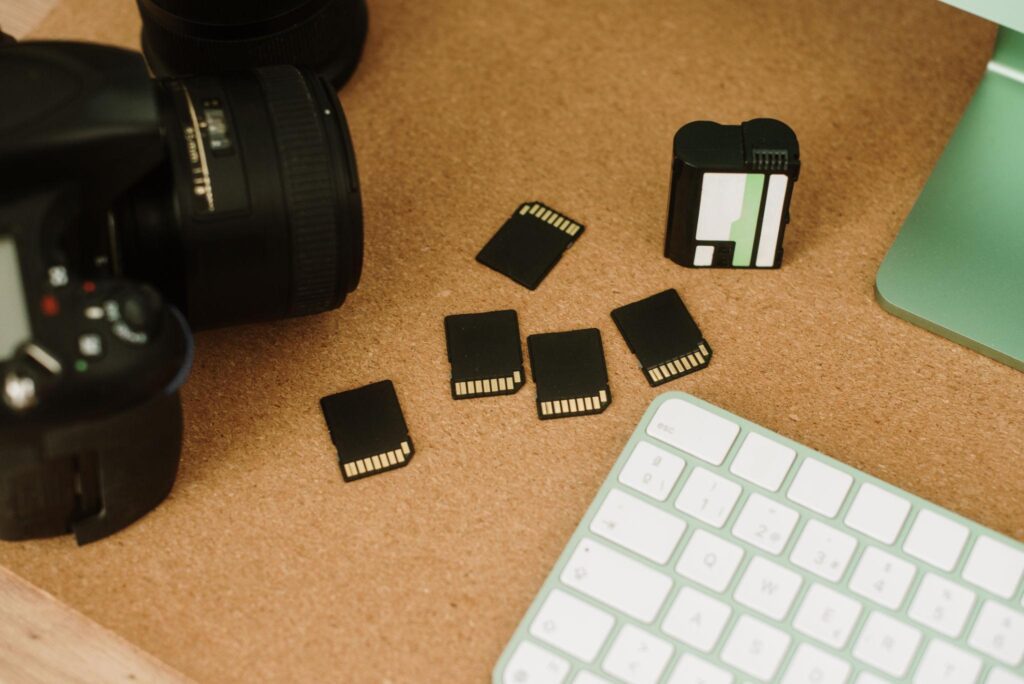
Memory Cards Explained
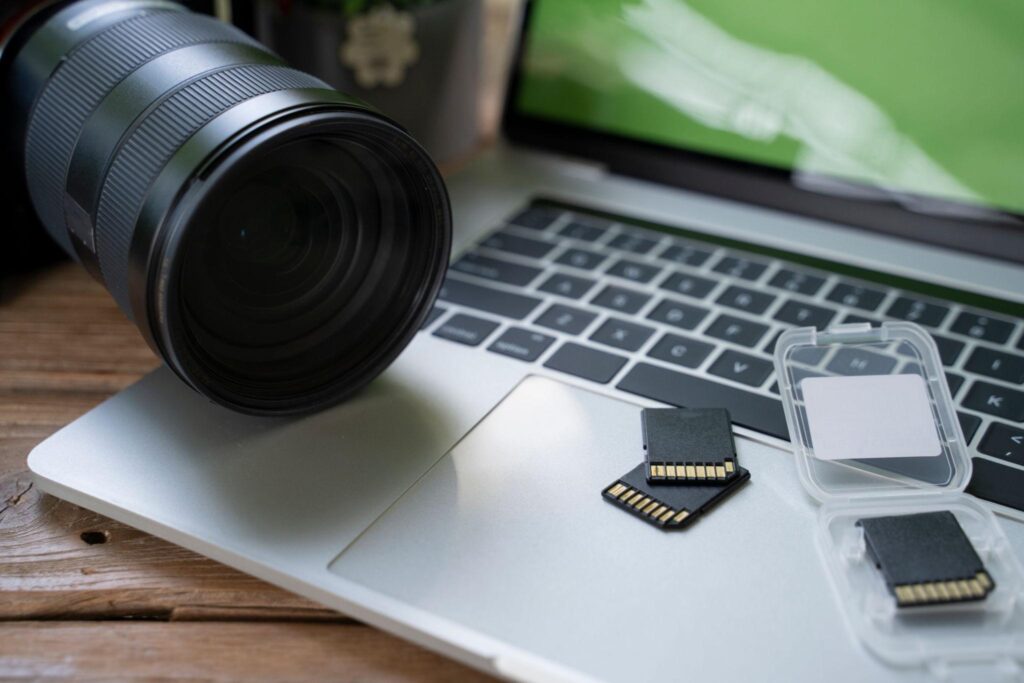
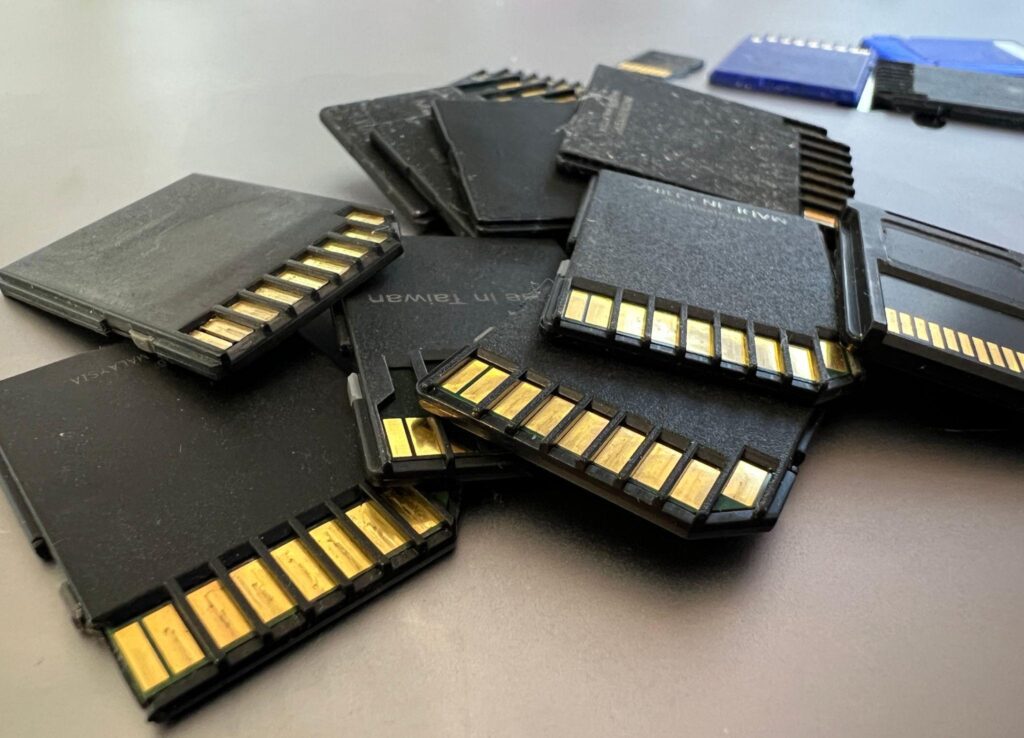
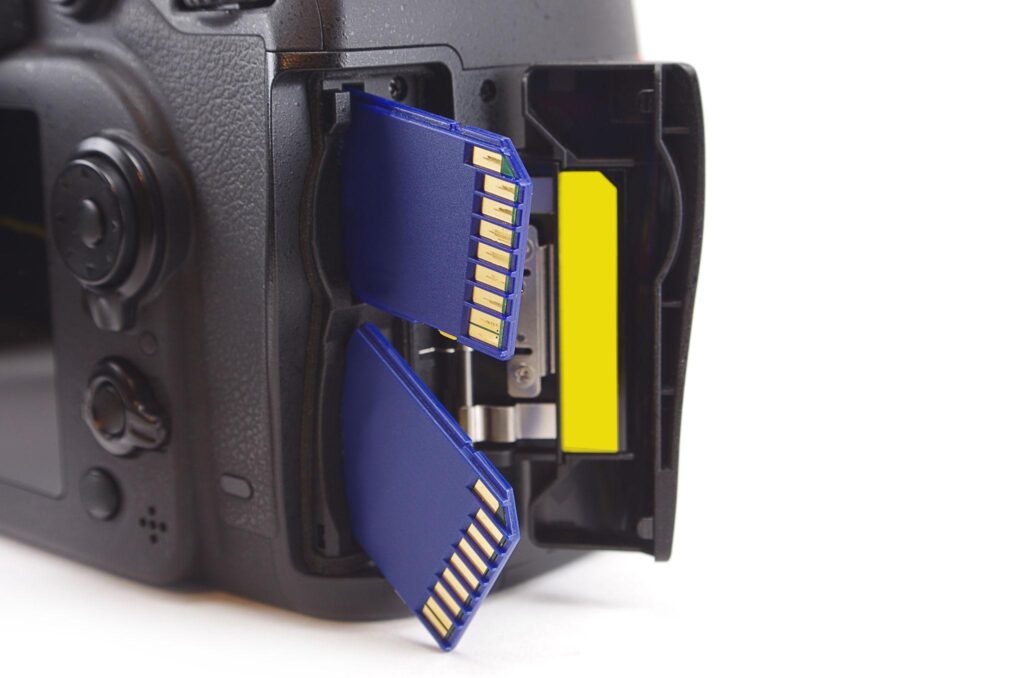
Memory cards store your photographs and videos.
Choosing the wrong card can slow your camera or even cause recording failures.
SD Cards
Most common format.
Popular brands:
- SanDisk
- Lexar
- Kingston
- ProGrade Digital
CFexpress Cards
Used in professional cameras.
Benefits:
- Faster speeds
- Better video recording performance
MicroSD Cards
Common in:
- Smartphones
- Action cameras
- Drones
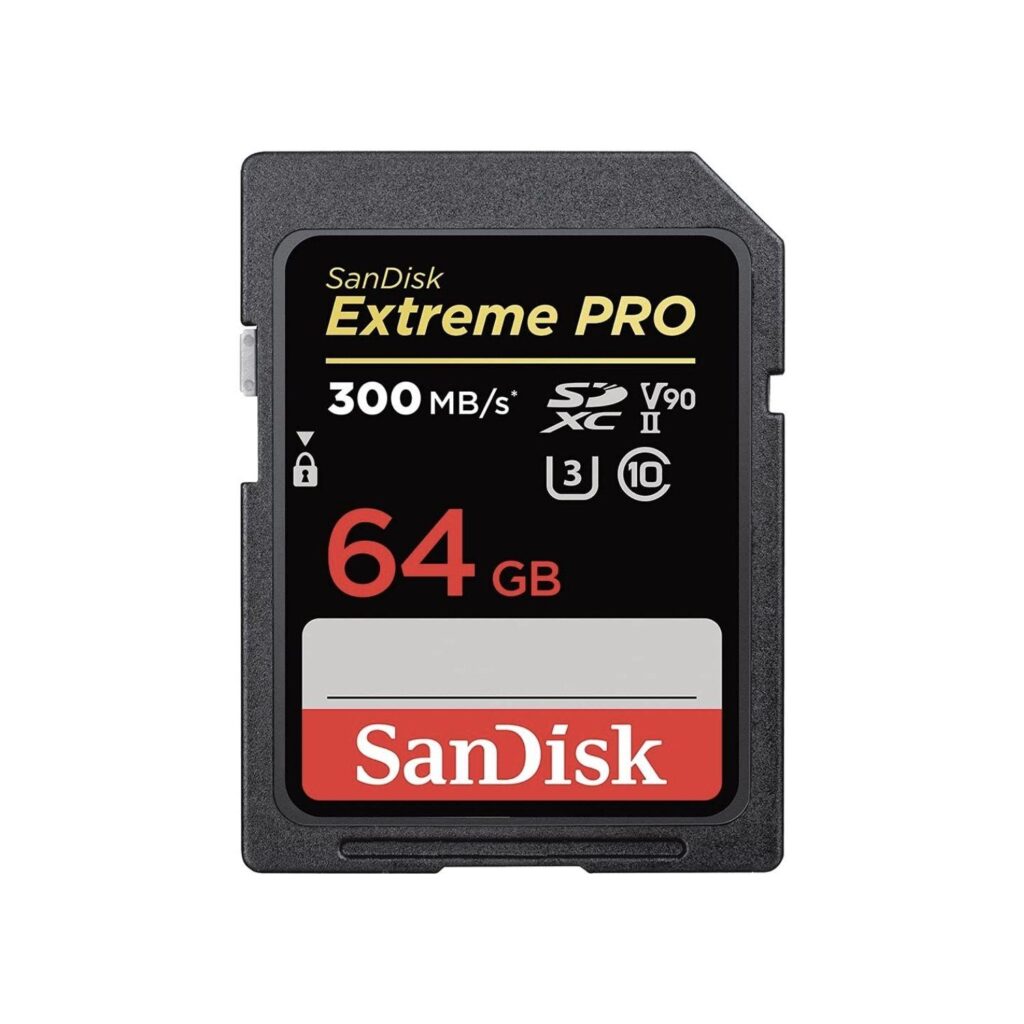
Understanding Memory Card Speed
Many photographers only look at storage capacity.
Speed matters equally.
Recommended Speeds
Photography
- V30 cards
4K Video
- V60 cards
Professional Video
- V90 cards
Faster cards improve:
- Buffer clearing
- Burst shooting
- Video recording reliability
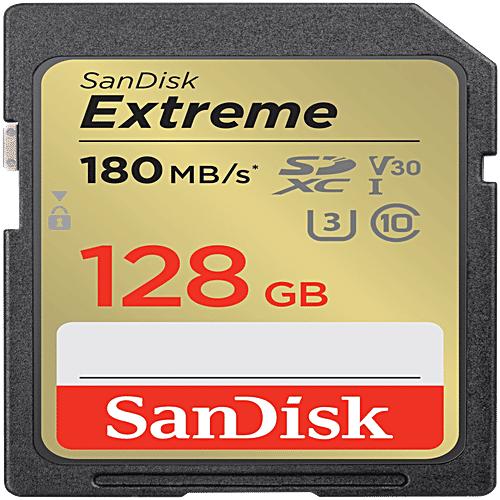
How Much Storage Do You Need?
Casual Photographers
64GB
Enthusiasts
128GB
Professionals
256GB+
Wedding Photographers
512GB+
Never rely on a single memory card.
Always carry backups.
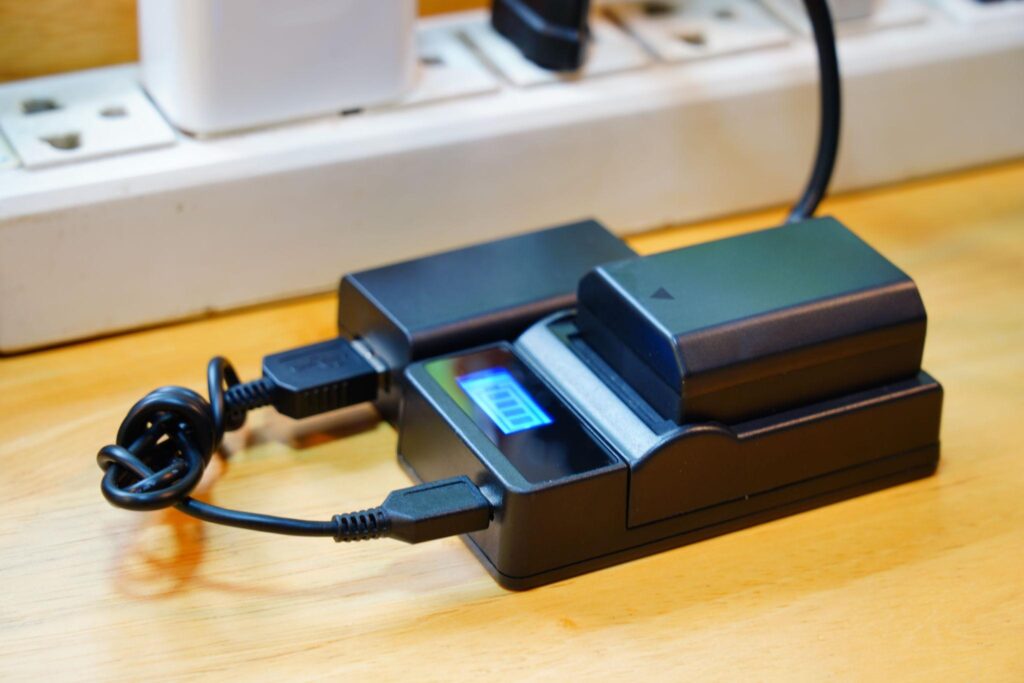
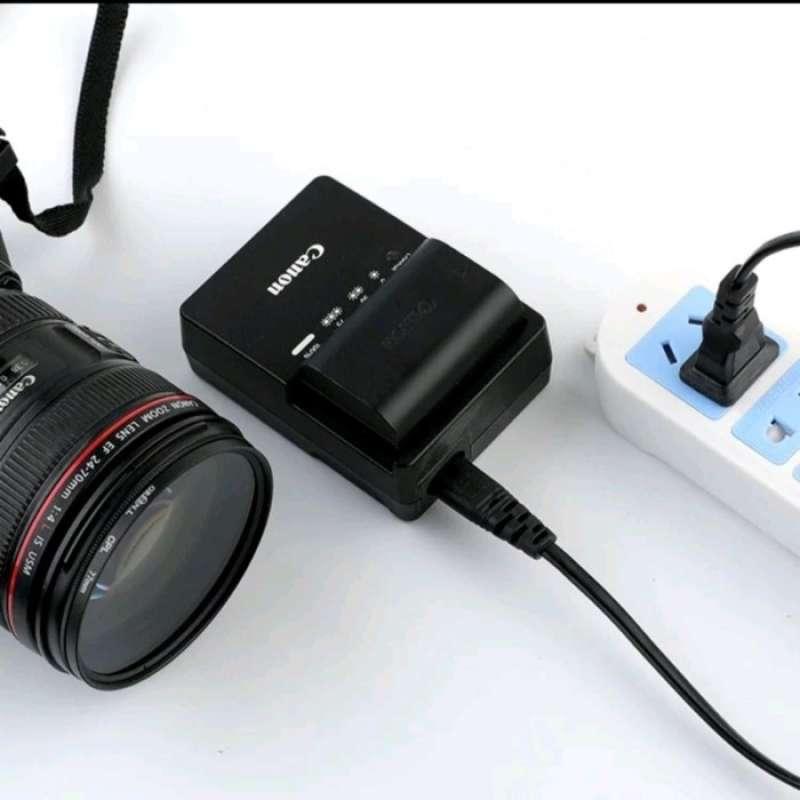
Extra Batteries
One of the most overlooked accessories.
Mirrorless cameras consume battery power faster than DSLRs.
Recommended:
- At least two spare batteries
- Official manufacturer batteries whenever possible



Camera Bags
A camera bag protects your investment.
Choose a bag based on your shooting style.
Backpack
Best For:
- Travel photography
- Landscape photography
- Wildlife photography
Sling Bag
Best For:
- Street photography
- Everyday use
Roller Bag
Best For:
- Professional assignments
- Air travel
Tripods and Stabilization
A tripod is one of the most important photography accessories.
Many beginners underestimate its value.
Tripods help:
- Landscape photography
- Long exposures
- Night photography
- Self-portraits
- Product photography
- Video recording
Choosing the Right Tripod
Aluminum Tripods
Advantages:
- Affordable
- Durable
Disadvantages:
- Heavier
Carbon Fiber Tripods
Advantages:
- Lightweight
- Strong
Disadvantages:
- More expensive
Recommended Tripod Features
Look for:
- Adjustable height
- Ball head
- Quick-release plate
- Strong weight capacity
Camera Filters Explained
Filters attach to the front of lenses.
Although editing software has reduced their importance, some filters remain essential.
UV Filters
Purpose:
- Lens protection
Polarizing Filters
Purpose:
- Reduce reflections
- Improve skies
- Enhance landscapes
ND Filters
Purpose:
- Long exposure photography
Polarizing Filters
Polarizers remain one of the most useful photography accessories.
Benefits:
- Richer skies
- Better contrast
- Reduced reflections
Particularly useful for:
- Landscapes
- Travel photography
- Water photography
ND Filters
ND stands for Neutral Density.
Think of an ND filter as sunglasses for your camera.
Benefits:
- Long exposures
- Motion blur
- Cinematic video
Popular Uses:
- Waterfalls
- Ocean photography
- Light trails
Camera Cleaning Equipment
Dirty lenses reduce image quality.
Recommended cleaning kit:
Essential Items
- Microfiber cloth
- Lens blower
- Lens cleaning solution
- Sensor cleaning kit
Never use household tissues on camera lenses.
Photography Lighting Equipment
Light is the foundation of photography.
Eventually, natural light becomes limiting.
Lighting equipment gives photographers full creative control.
Speedlights (External Flash)
A speedlight is often the first lighting tool photographers purchase.
Advantages:
- Portable
- Affordable
- Powerful
Best For:
- Events
- Portraits
- Weddings
LED Lights
LED lighting has become extremely popular.
Benefits:
- Constant light source
- Easy to use
- Excellent for video
Best For:
- Content creators
- YouTubers
- Product photography
Softboxes
Softboxes diffuse light.
Benefits:
- Softer shadows
- More flattering portraits
- Professional appearance
Perfect For:
- Portrait photography
- Studio photography
- Product photography
Reflectors
One of the cheapest and most effective accessories.
Reflectors help:
- Bounce light
- Reduce shadows
- Improve portraits
Many photographers carry one at every shoot.
Content Creator Equipment
Modern photographers often create:
- YouTube videos
- Reels
- Tutorials
- Online courses
This requires additional equipment.
Essential Creator Gear
Microphone
Examples:
- Rode Wireless GO II
- DJI Mic
LED Light
Examples:
- Godox
- SmallRig
Tripod
For both photography and video.
External SSD
For backup and editing.
Essential Camera & Equipment Gear Roadmap
Beginner Setup
- Entry-level camera
- Kit lens
- Memory card
- Tripod
- Spare battery
Intermediate Setup
- Mirrorless camera
- 50mm lens
- Tripod
- Speedlight
- Camera bag
Professional Setup
- Full-frame camera
- Multiple lenses
- Lighting kit
- Backup camera
- External storage
Related Articles:
- Best Ring Light for Photography
- Best Lighting Kit for YouTube Beginners
- Product Photography Setup at Home
- Creative Lighting Ideas for Home Photoshoot
- Photography Tutorials
- Photography for Beginners
Camera & Equipment Recommendations by Budget
Choosing the right camera depends on your budget, photography goals, and future plans. Fortunately, modern cameras at every price range are capable of producing outstanding images.
The key is purchasing the best camera for your needs rather than chasing specifications.
Best Cameras Under ₹30,000
These cameras are ideal for beginners learning photography fundamentals.
Recommended Options
Canon EOS 1500D
Best For:
- Beginners
- Students
- Portrait photography
Nikon D3500 (Used Market)
Best For:
- Learning manual photography
- Budget-conscious users
Smartphone Alternative
If your budget is limited, modern smartphones such as Vivo X Series, Samsung Galaxy S Series, and iPhone models can outperform older entry-level cameras in some situations.
Best Cameras Under ₹1 Lakh
This category provides the best balance between performance and affordability.
Sony A6700
Advantages:
- Excellent autofocus
- Great image quality
- Strong video features
Canon R10
Advantages:
- Beginner friendly
- Excellent autofocus
- Lightweight design
Nikon Z50
Advantages:
- Comfortable handling
- Reliable performance
- Strong image quality
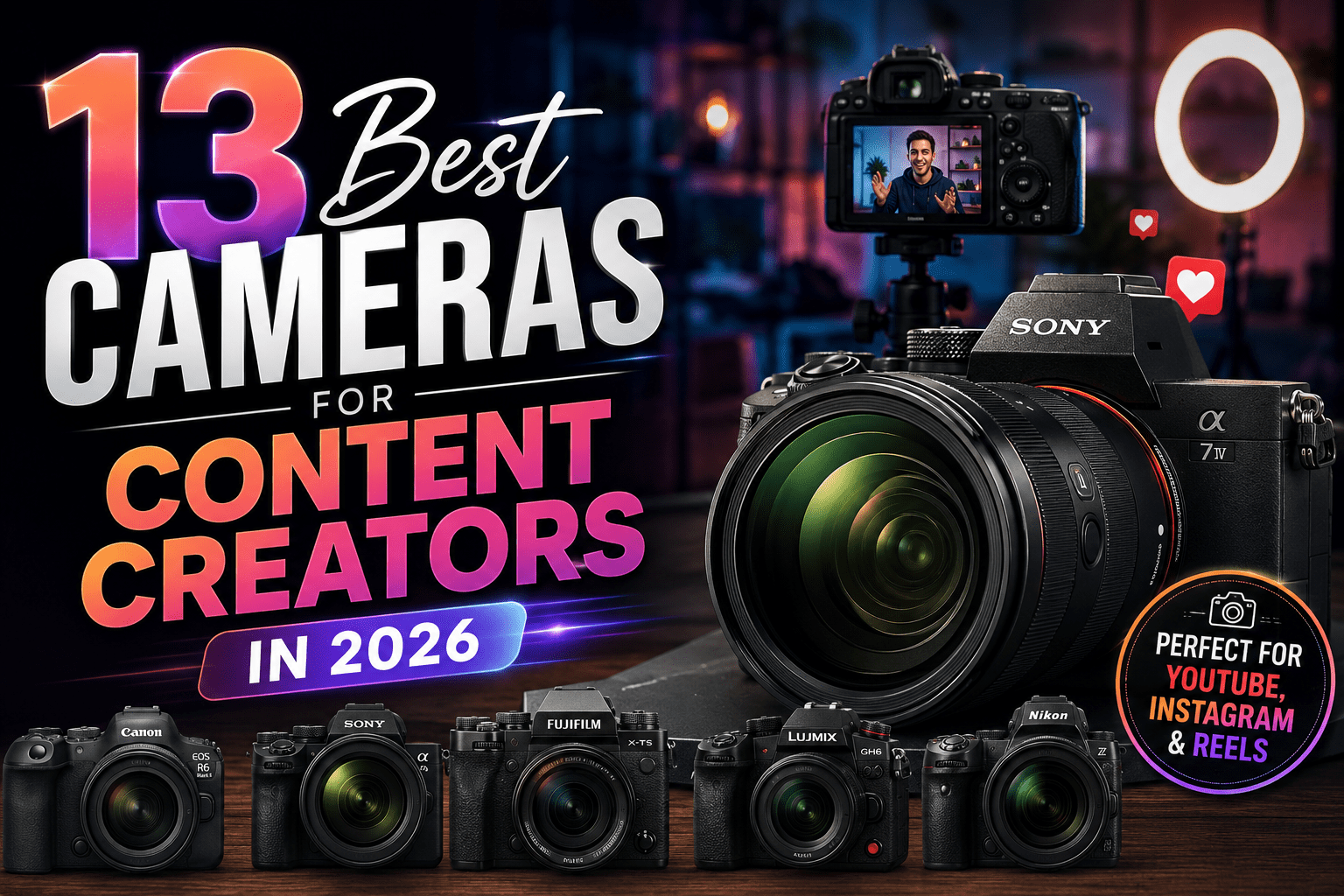
Best Cameras for Content Creators
Modern photographers often create both photos and videos.
Sony ZV-E10
Best For:
- YouTube
- Reels
- Tutorials
Canon R50
Best For:
- Beginner creators
- Vlogging
Sony A6700
Best For:
- Professional content creation
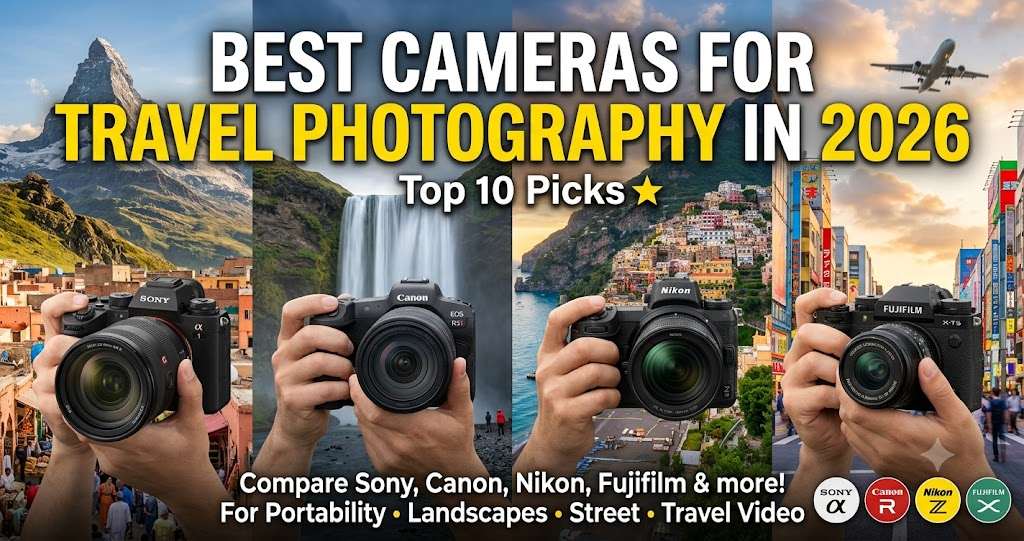
Best Cameras for Travel Photography
Travel photographers prioritize:
- Lightweight gear
- Good battery life
- Versatility
Recommended Cameras
Sony A7C II
Fujifilm X-S20
Canon R8
Nikon Zf
Best Cameras for Wedding Photography
Wedding photography requires:
- Reliable autofocus
- Dual memory card slots
- Excellent low-light performance
Top Recommendations
Canon R6 Mark II
Sony A7 IV
Nikon Z6 III
Panasonic S5 II
Best Cameras for Wildlife Photography
Wildlife photography demands:
- Fast autofocus
- High FPS
- Long lens compatibility
Recommended Cameras
Sony A9 III
Canon R7
Nikon Z8
Sony A6700
Best Cameras for Portrait Photography
Portrait photographers prioritize:
- Eye autofocus
- Beautiful colors
- Lens ecosystem
Recommended Cameras
Canon R6 Mark II
Sony A7 IV
Nikon Zf
Fujifilm X-T5
How to Upgrade Your Gear Without Wasting Money
Many photographers upgrade too quickly.
Instead, follow this sequence.
Upgrade Path #1
First Upgrade:
Better Lens
Usually provides the largest image-quality improvement.
Upgrade Path #2
Second Upgrade:
Tripod
Improves sharpness and versatility.
Upgrade Path #3
Third Upgrade:
Lighting Equipment
Adds creative control.
Upgrade Path #4
Final Upgrade:
Camera Body
Only upgrade when current equipment limits your work.
Essential Photography Tools
The following tools help photographers work faster and more efficiently.
Editing Software
Adobe Lightroom
Best overall editor.
Adobe Photoshop
Advanced retouching.
Canva
Graphic design and thumbnails.
Snapseed
Mobile editing.
Planning Tools
Google Calendar
Shoot scheduling.
Notion
Workflow management.
Trello
Project tracking.
Storage Solutions
Google Drive
Cloud storage.
Dropbox
Client delivery.
External SSD
Fast backups.
Related Articles:
Camera Guides
- Best Camera Under ₹30,000
- Best Camera Under ₹1 Lakh
- Best Camera for Instagram and Reels
- Best Camera for YouTube Beginners
- Panasonic S5 II Review
- Nikon D850 Review
- Leica Q2 Review
- Vivo X Series Camera Review
- Best Budget Camera for Photography in India
Lighting Guides
- Best Ring Light for Photography
- Best Lighting Kit for YouTube Beginners
- Creative Lighting Ideas for Home Photoshoot
Photography Tutorials
- Photography for Beginners
- Photography Tutorials
- Photography Poses for Beginners
- Natural Poses for Photos
Home Photography
Couple Photography
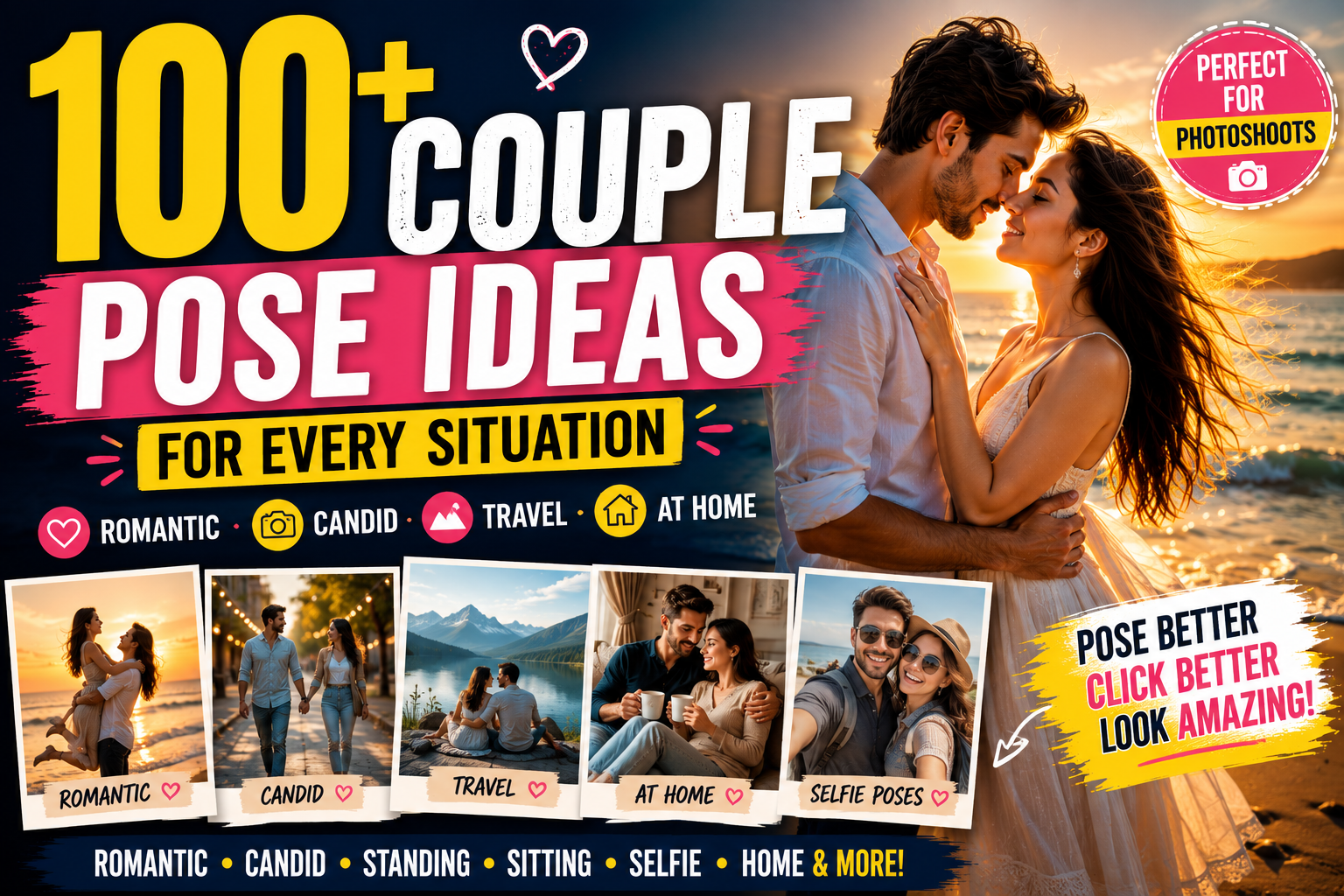
- Couple Pose Ideas
- Romantic Couple Poses
- Beach Couple Poses
- Couple Selfie Poses
- Pre-Wedding Photoshoot Ideas
Photography Business
- Photography Pricing Guide
- How Much Does a Professional Photoshoot Cost in India?
- How Do Photographers Decide Their Pricing?
- How Can I Start a Photography Business?
- How Do Beginner Photographers Get Their First Clients?
- What Are the Most Profitable Photography Niches?
Photography Courses
- Best Online Photography Course with Certificate
- Free Photography Course for Beginners
- DSLR Photography Course Online
- Photography Certification Courses
- Professional Photography Classes Online
Read More Articles Here:
Trusted educational resources:
- Adobe Lightroom
- Adobe Photoshop
- Canon Learn
- Nikon Learn & Explore
- Sony Alpha Universe
- Digital Photography School
- National Geographic Photography
- Canva Design School
Conclusion – Camera & Equipment
Buying Camera & Equipment doesn’t need to be complicated.
The most important lesson from this guide is that cameras, lenses, and accessories are tools. While quality equipment can make photography easier, knowledge and practice remain far more important than specifications.
Start with Camera & Equipment that matches your goals and budget. Learn the fundamentals. Invest in lenses before upgrading camera bodies. Build your kit gradually based on your photography style.
Whether you want to shoot portraits, landscapes, weddings, travel content, or social media posts, the right gear combined with strong photography skills will help you create images you’re proud of.
Remember:
The best camera is the one that helps you take more photos and continue learning.
Call To Action – Camera & Equipment
Ready to choose the right photography Camera & Equipment?
Explore The Candid Shoot for detailed camera reviews, lens recommendations, lighting guides, photography tutorials, and gear comparisons designed to help photographers make smarter buying decisions.
From beginner cameras to professional setups, you’ll find practical advice that saves money and improves your photography journey.

Leave a Reply