
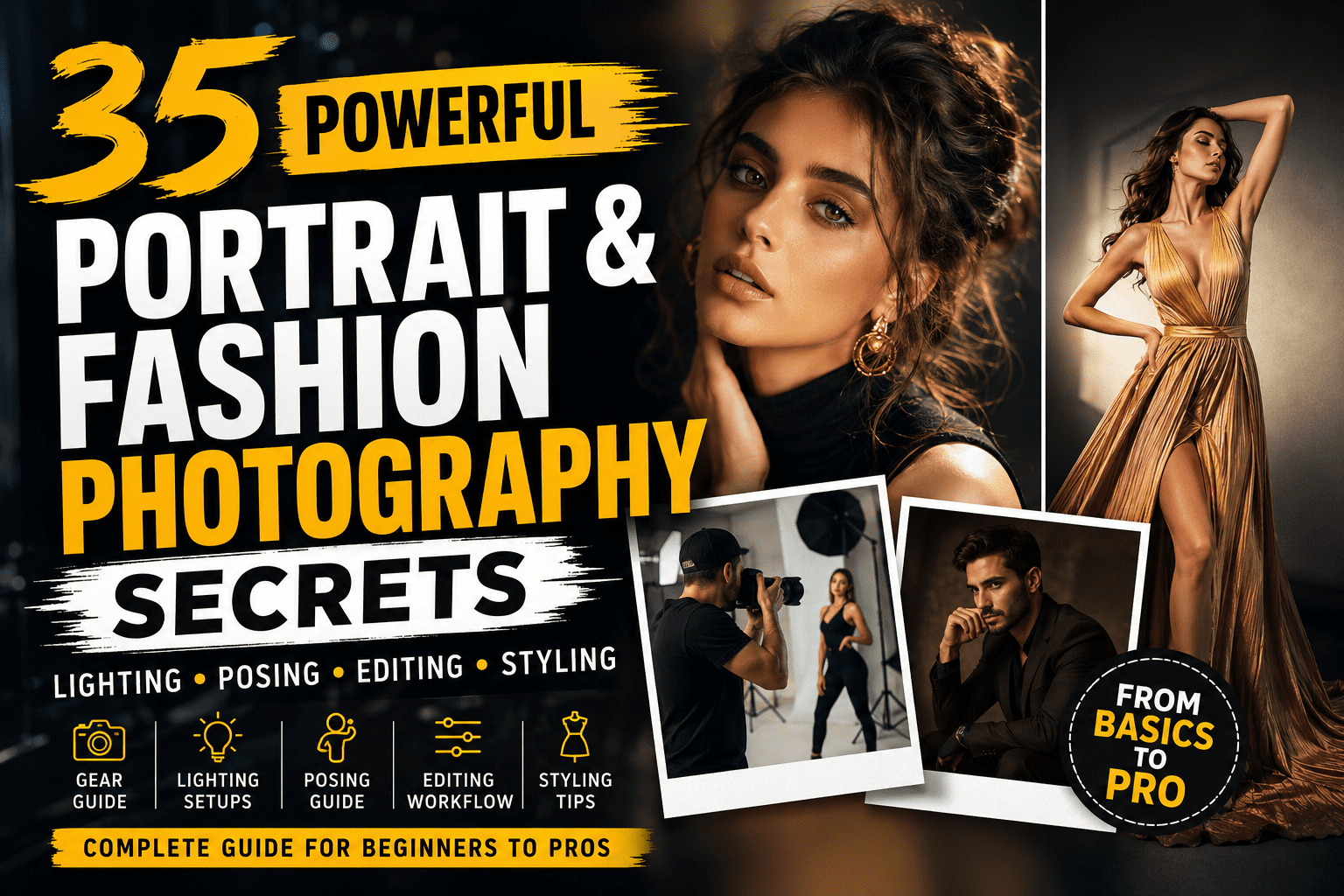
Learn portrait & fashion photography with this complete guide. Discover cameras, lenses, lighting, posing, styling, and editing techniques used by professionals.
Table of Contents
Introduction
Portrait & fashion photography are among the most rewarding and profitable photography genres. From personal portraits and influencer shoots to commercial campaigns and magazine editorials, these photography styles help photographers develop technical skills, creativity, and storytelling abilities.
Many beginners assume fashion photography is only for professional studios or expensive productions. However, modern cameras, natural light, and thoughtful planning make it possible to create impressive results even on a modest budget.
Similarly, portrait photography goes far beyond simply photographing a person. Great portraits capture personality, confidence, emotion, and character. The best portrait photographers understand lighting, composition, posing, and communication just as well as camera settings.
This comprehensive guide will teach you the foundations of portrait and fashion photography, helping you create professional-looking images whether you’re shooting friends, models, clients, influencers, or building your own portfolio.



What Is Portrait Photography?
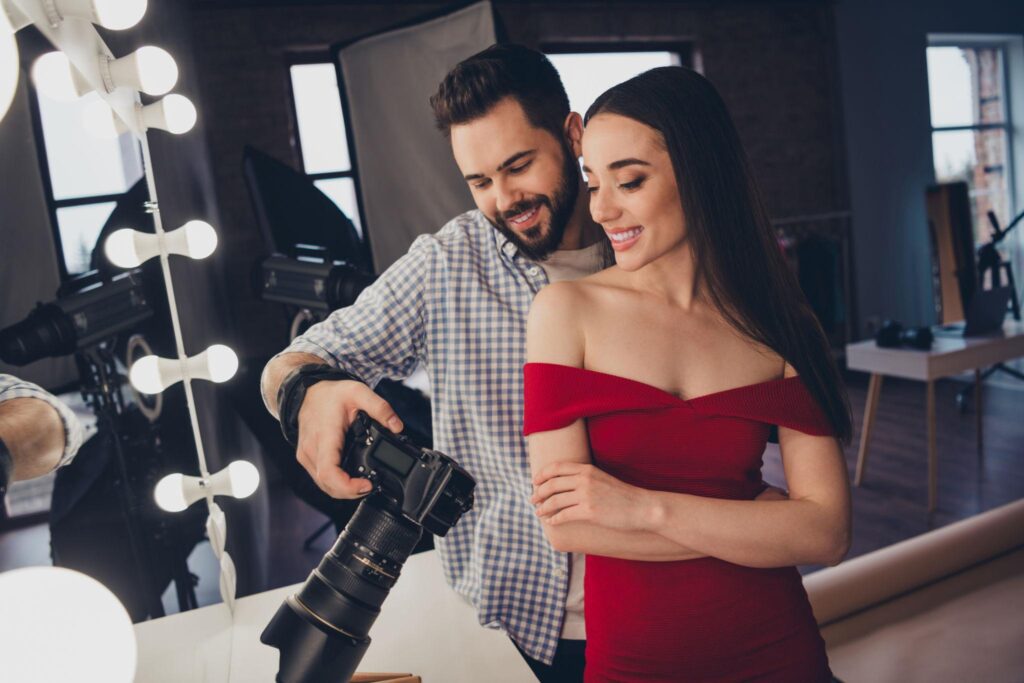
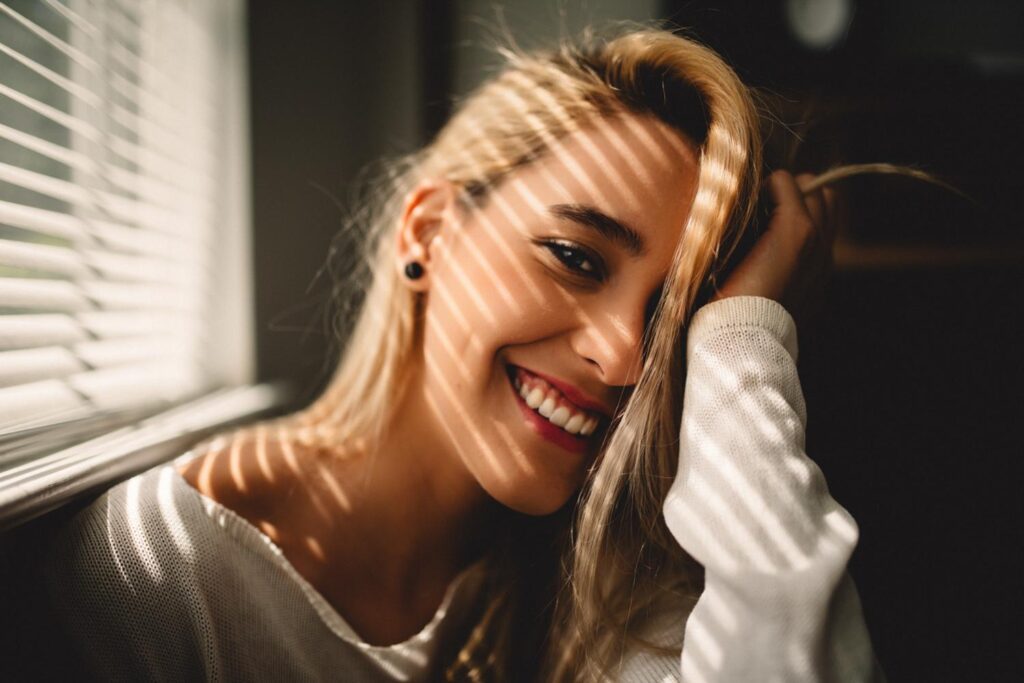
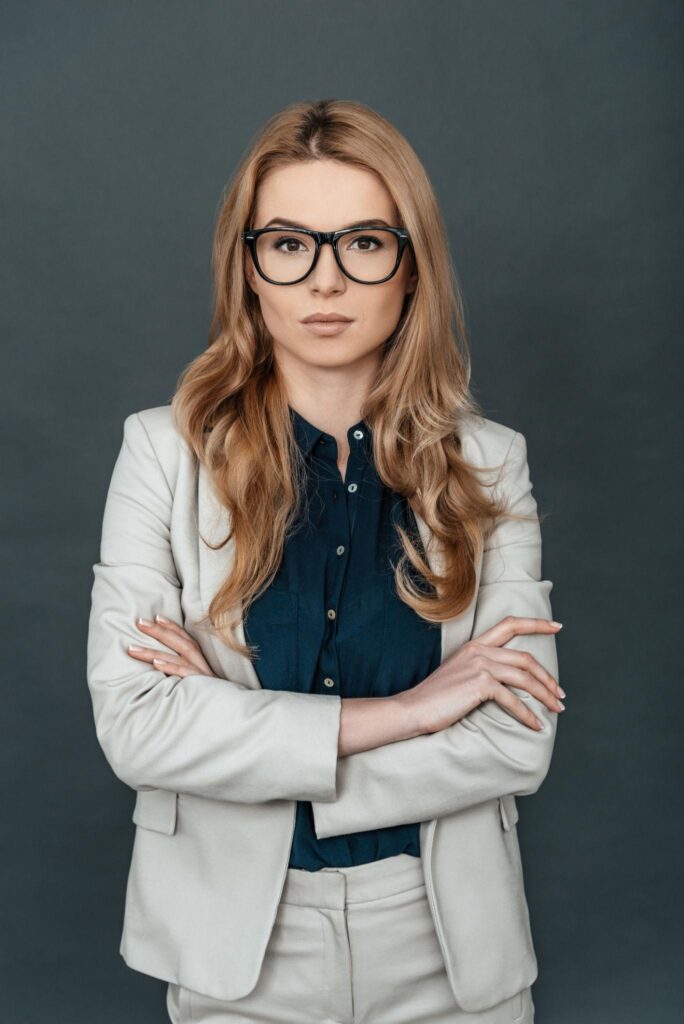
Portrait photography focuses on capturing a person’s personality, mood, and identity.
The primary goal is not simply recording a person’s appearance but creating an image that communicates something meaningful about them.
Portrait photography can be:
- Formal
- Casual
- Editorial
- Lifestyle
- Environmental
- Commercial
Successful portraits often combine:
- Strong lighting
- Natural expressions
- Good posing
- Effective composition
A technically perfect portrait can still feel lifeless if it lacks emotion.
Why Portrait Photography Is Important
Portrait photography remains one of the most popular photography genres because people constantly need professional photographs.
Examples include:
Personal Branding
Professionals need portraits for:
- Websites
- Business profiles
Social Media
Influencers and creators require fresh content regularly.
Family Photography
Families often commission portraits for special occasions.
Commercial Use
Businesses need portraits for:
- Marketing
- Advertising
- Team pages
As a result, portrait photography offers excellent opportunities for photographers seeking paid work.



What Makes a Great Portrait?
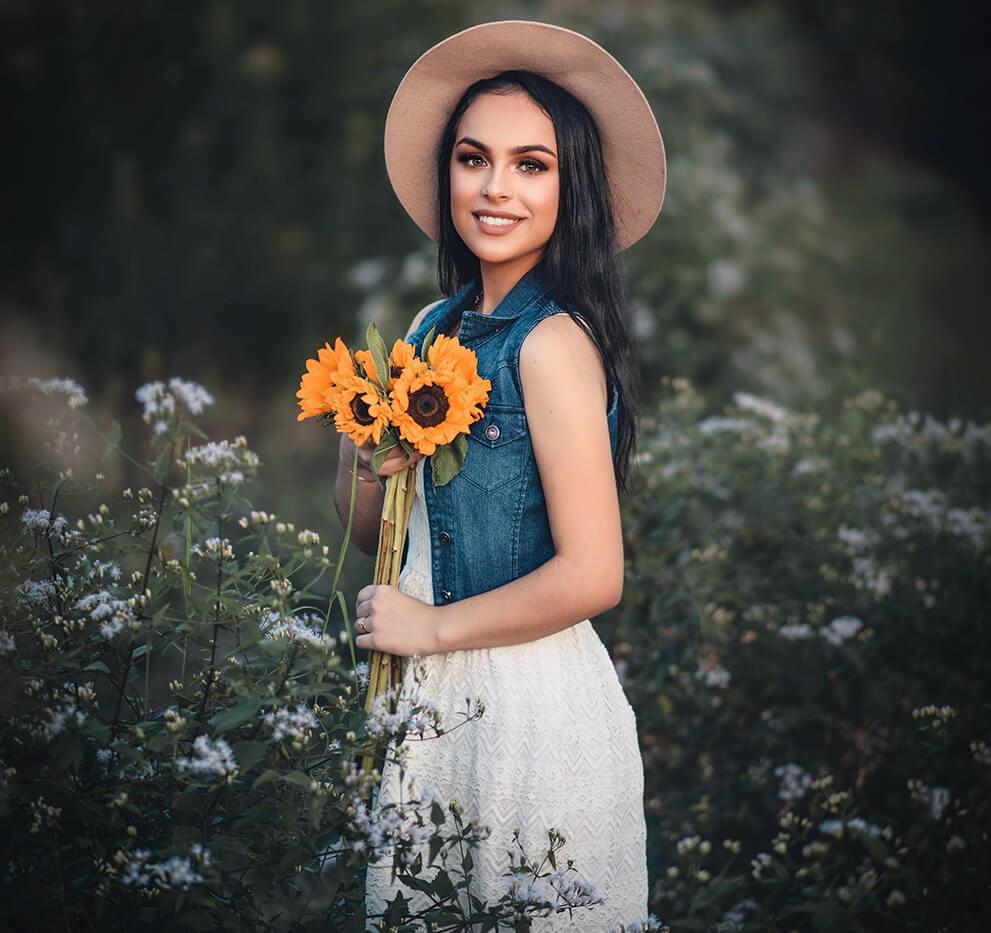
A strong portrait usually includes:
Sharp Eyes
The eyes should generally be the sharpest part of the image.
Good Lighting
Light shapes facial features and mood.
Comfortable Expression
Natural expressions outperform forced smiles.
Clean Background
The background should support rather than distract.
Strong Composition
Composition helps direct attention toward the subject.
What Is Fashion Photography?
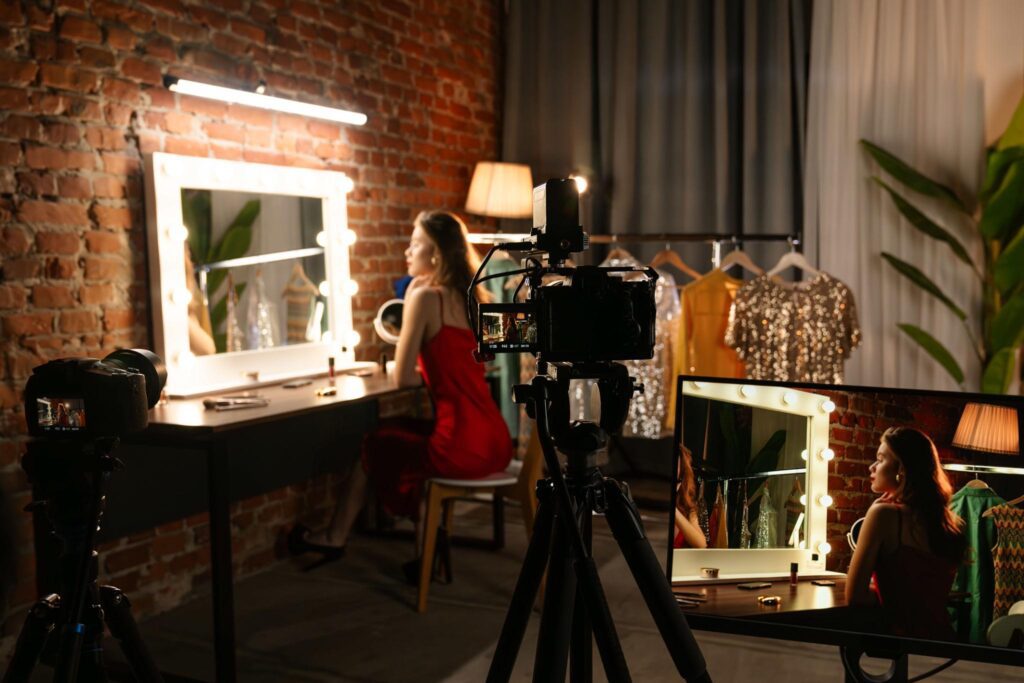
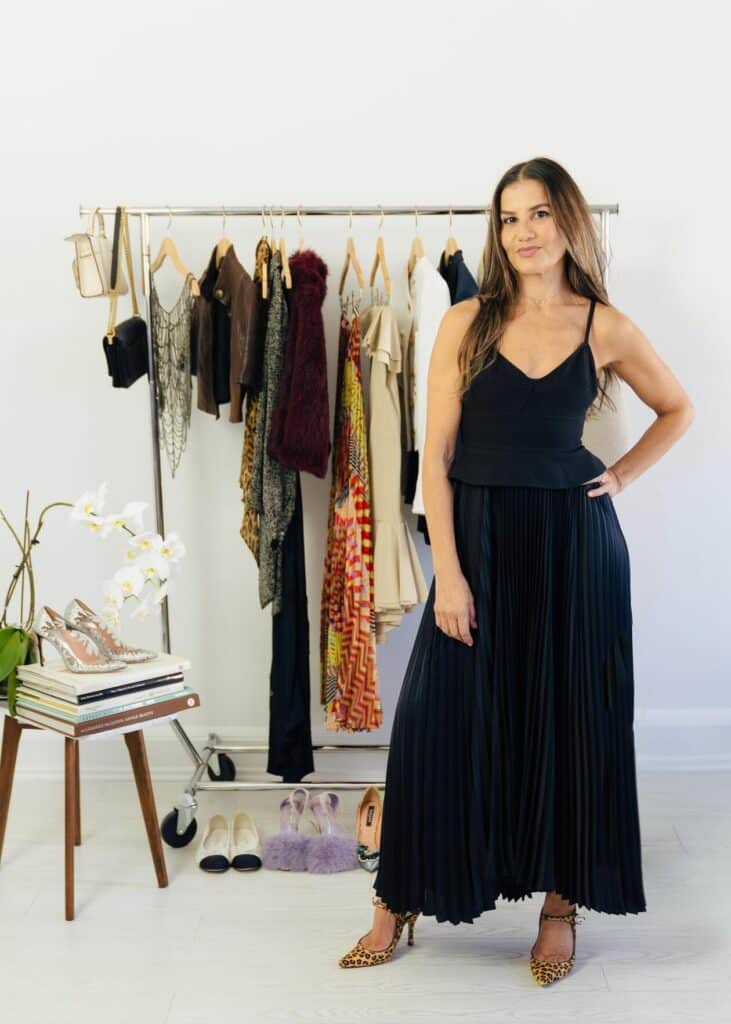
Fashion photography focuses on clothing, accessories, styling, and visual presentation.
Unlike portrait photography, where personality is often the primary subject, fashion photography frequently highlights:
- Clothing
- Brands
- Designers
- Styling concepts
Fashion photography combines art, marketing, and storytelling.
Many fashion shoots are created to:
- Promote products
- Build model portfolios
- Create editorial content
- Support advertising campaigns


Why Fashion Photography Matters
Fashion photography influences:
- Consumer decisions
- Brand perception
- Trends
- Social media engagement
Every clothing brand requires visual content.
This creates opportunities for photographers in:
- E-commerce
- Catalog photography
- Editorial work
- Influencer collaborations
- Brand campaigns



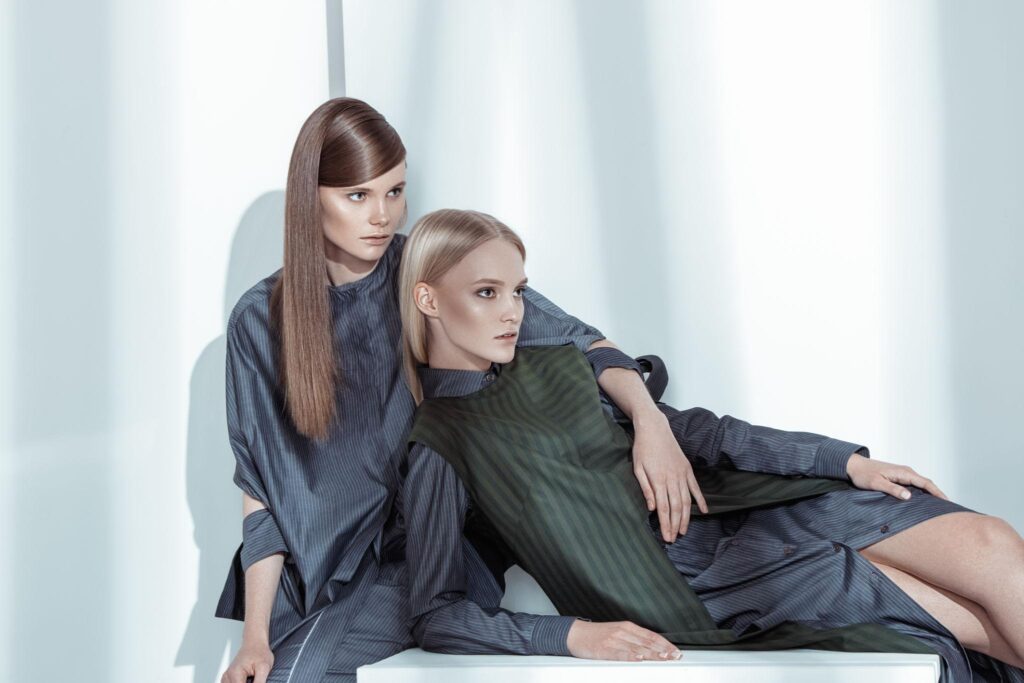
Portrait Photography vs Fashion Photography
Many beginners confuse these genres.
While both involve photographing people, their goals differ.
| Portrait Photography | Fashion Photography |
|---|---|
| Focuses on the person | Focuses on clothing and styling |
| Personality-driven | Product and style-driven |
| Emotional storytelling | Visual storytelling |
| Common in family and personal shoots | Common in commercial campaigns |
| Simpler styling | More elaborate styling |
Understanding these differences helps photographers plan shoots more effectively.
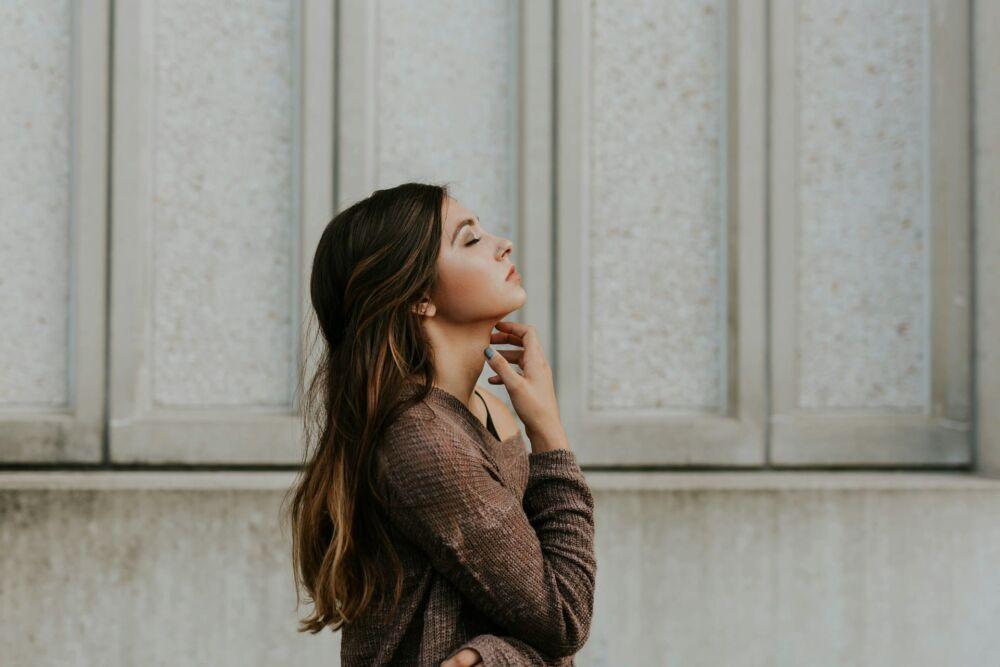


Types of Portrait Photography
Portrait photography contains several specialized categories.
Traditional Portrait Photography
Traditional portraits typically feature posed subjects looking toward the camera.
Examples:
- Studio portraits
- School portraits
- Corporate headshots
Advantages:
- Professional appearance
- Timeless style
Lifestyle Portrait Photography
Lifestyle portraits focus on authentic moments.
Examples:
- Walking outdoors
- Working in a café
- Reading
- Traveling
Advantages:
- Natural expressions
- Storytelling opportunities
Environmental Portrait Photography
Environmental portraits place subjects within meaningful surroundings.
Examples:
- Chef in a kitchen
- Artist in a studio
- Musician on stage
The environment becomes part of the story.
Corporate Headshots
Corporate photography continues growing due to personal branding.
Clients often need professional images for:
- Company websites
- Business presentations
Key characteristics:
- Clean backgrounds
- Professional attire
- Consistent lighting
Couple Portrait Photography
One of the most popular portrait niches.
Common examples:
- Engagement sessions
- Anniversary shoots
- Pre-wedding photography
This category combines portrait photography with storytelling and posing.
Types of Fashion Photography
Fashion photography includes multiple styles.
Understanding them helps photographers identify opportunities and creative directions.
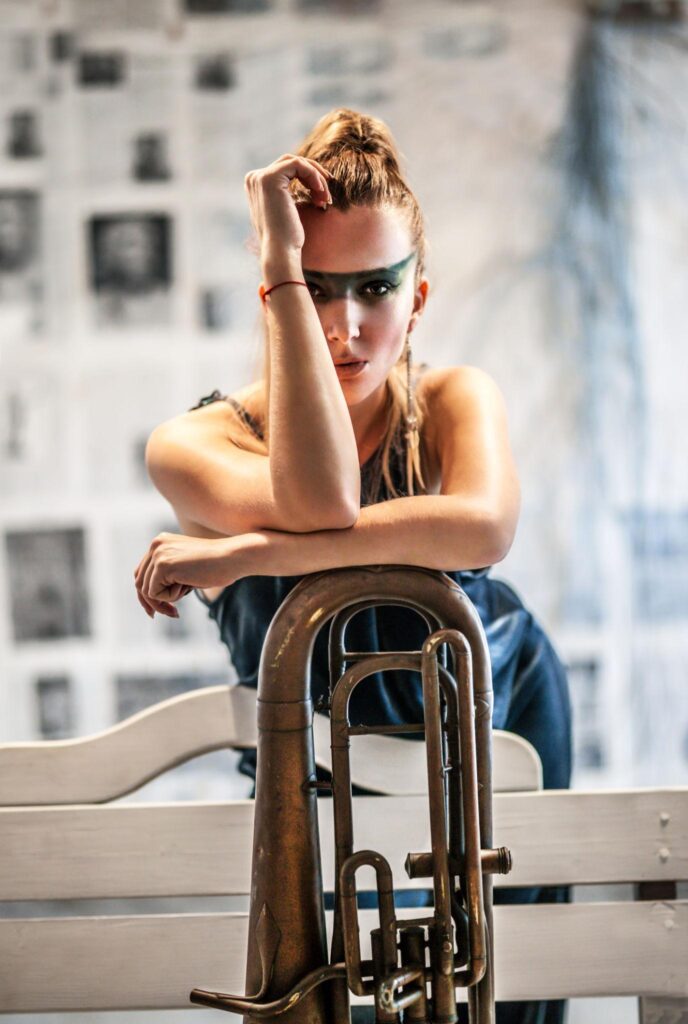
Editorial Fashion Photography
Editorial fashion photography tells a story.
Often published in:
- Magazines
- Blogs
- Fashion publications
Characteristics:
- Creative concepts
- Strong storytelling
- Artistic styling

Commercial Fashion Photography
Commercial fashion photography promotes products.
Examples:
- Brand campaigns
- Online stores
- Advertisements
Goal:
Sell products while maintaining visual appeal.
Catalog Photography
Common in e-commerce.
Characteristics:
- Consistent lighting
- Simple backgrounds
- Clear clothing visibility
Popular among:
- Clothing brands
- Online retailers
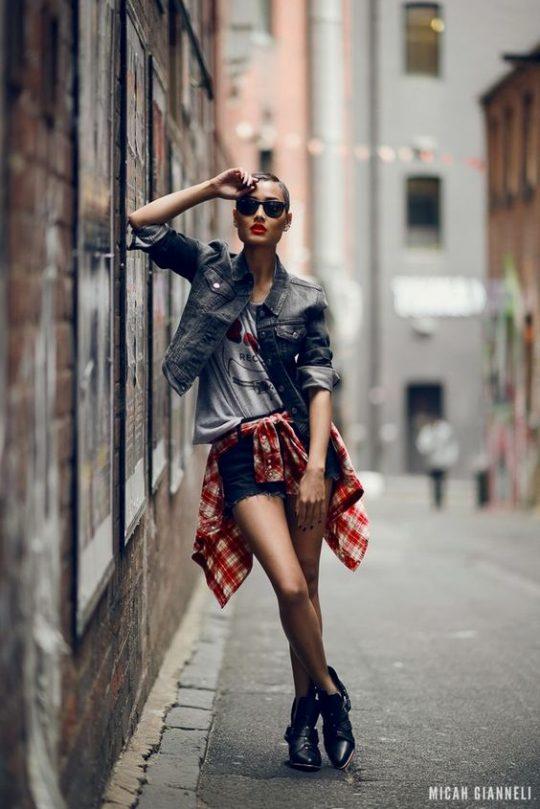
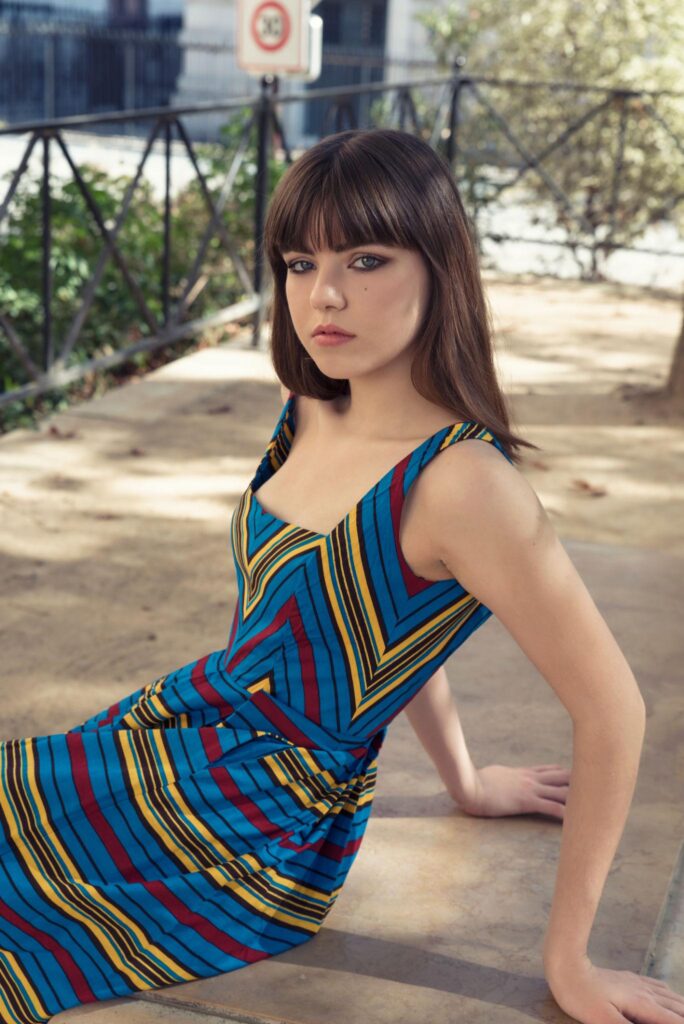
Street Fashion Photography
Street fashion combines fashion and lifestyle aesthetics.
Characteristics:
- Urban locations
- Natural environments
- Contemporary styling
This style performs exceptionally well on Instagram and Pinterest.
Essential Cameras for Portrait & Fashion Photography
Choosing the right camera depends on budget and goals.
Fortunately, modern cameras are extremely capable.
Best Beginner Cameras
Canon R50
Excellent autofocus and beginner-friendly controls.
Sony ZV-E10
Popular among creators and photographers.
Nikon Z50
Reliable performance and comfortable ergonomics.
Best Enthusiast Cameras
Sony A6700
Outstanding autofocus.
Canon R10
Excellent balance of performance and affordability.
Fujifilm X-T5
Beautiful color science.
Best Professional Cameras
Sony A7 IV
Industry favorite.
Canon R6 Mark II
Excellent portrait and wedding camera.
Nikon Z6 III
Exceptional hybrid performance.
Best Lenses for Portrait Photography
Lenses often matter more than camera bodies.
50mm f/1.8
The best first portrait lens.
85mm f/1.8
Professional portrait favorite.
70-200mm f/2.8
Ideal for weddings and events.
Related Articles:
- Photography Tutorials
- Photography for Beginners
- Camera Buying & Gear Guide
- Photography Poses for Beginners
- Photography Poses for Girls
- Photography Poses for Boys at Home
Portrait Lighting Fundamentals
Lighting is the foundation of portrait photography. Even the best camera and lens cannot compensate for poor lighting. Understanding how light interacts with the face allows photographers to create flattering, professional-looking portraits in almost any environment.
Light affects:
- Mood
- Skin texture
- Facial structure
- Eye catchlights
- Image depth
The ability to control light often separates beginner photographers from professionals.
Understanding Light Direction
The direction of light dramatically changes the appearance of a portrait.
Front Lighting
Light shines directly toward the subject’s face.
Benefits:
- Reduces shadows
- Smooths skin appearance
- Beginner friendly
Challenges:
- Can appear flat
- Less dramatic
Side Lighting
Light strikes one side of the face.
Benefits:
- Creates depth
- Enhances facial structure
- Adds dimension
Popular among portrait photographers.
Backlighting
Light comes from behind the subject.
Benefits:
- Creates separation
- Produces a cinematic look
- Enhances atmosphere
Requires proper exposure control.
Top Lighting
Light originates above the subject.
Can create dramatic effects but often requires careful positioning.
Understanding Light Quality
Light can be categorized as either soft or hard.
Soft Light
Characteristics:
- Smooth shadows
- Even skin tones
- Flattering appearance
Sources:
- Cloudy skies
- Large windows
- Softboxes
Ideal for:
Hard Light
Characteristics:
- Sharp shadows
- High contrast
- Dramatic appearance
Sources:
- Direct sunlight
- Small light sources
- Bare flash
Ideal for:
- Editorial fashion
- Creative portraits
- Dramatic storytelling
Natural Light Portrait Photography
Natural light remains one of the most powerful tools available to photographers.
Many award-winning portraits are created using nothing more than sunlight and proper positioning.
Advantages:
- Free
- Accessible
- Beautiful
- Beginner friendly
The key is learning how to use available light effectively.
Window Light Photography
Window light is often called nature’s softbox.
Large windows provide beautiful, directional light that works exceptionally well for portraits.
Tips:
- Position subjects close to the window
- Turn off artificial lights
- Use light-colored walls for reflection
- Experiment with different angles
Window light is perfect for:
- Headshots
- Lifestyle portraits
- Fashion editorials
- Beauty photography


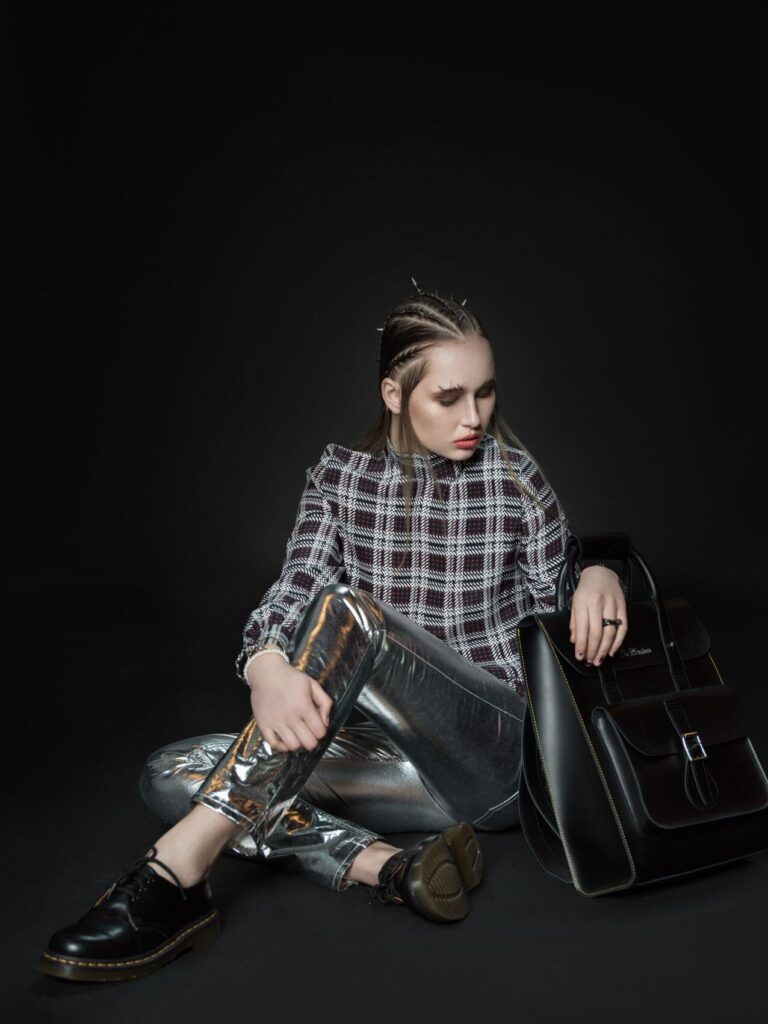


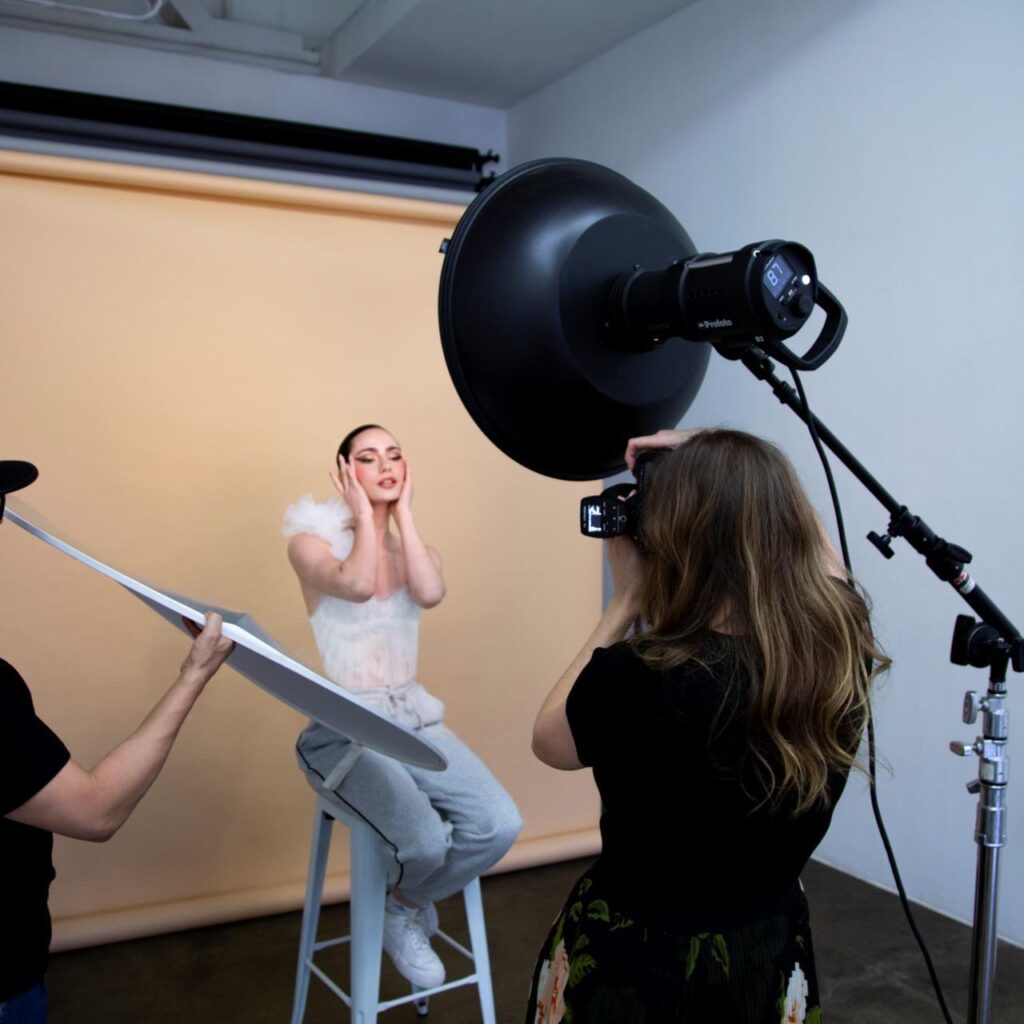
Golden Hour Portrait Photography
Golden hour occurs shortly after sunrise and before sunset.
This period produces:
- Warm tones
- Soft shadows
- Flattering skin tones
Many professional portrait photographers schedule sessions around golden hour because it provides naturally beautiful light.
Benefits include:
- Better skin appearance
- Reduced harsh shadows
- More cinematic images
- Improved mood and atmosphere
Golden hour is particularly useful for:
- Couple photography
- Fashion shoots
- Outdoor portraits
- Influencer content
Blue Hour Photography
Blue hour occurs immediately before sunrise and shortly after sunset.
Characteristics:
- Cool color tones
- Soft ambient light
- Dramatic atmosphere
This lighting works especially well for:
- Urban portraits
- Editorial fashion
- Luxury-themed shoots
- Creative portraiture
Blue hour photography often requires:
- Wider apertures
- Higher ISO values
- Slower shutter speeds
Outdoor Portrait Photography
Outdoor portraits provide endless creative opportunities.
However, many beginners struggle because outdoor lighting constantly changes.
When shooting outdoors:
Look for Open Shade
Open shade reduces harsh sunlight.
Common locations include:
- Under trees
- Building entrances
- Covered walkways
Watch Backgrounds
Avoid distracting elements.
Choose backgrounds that complement the subject.
Use Natural Reflectors
Light-colored walls, sidewalks, and buildings often bounce light naturally.
Shoot During Better Light
Avoid midday whenever possible.
Morning and evening typically produce superior results.
Studio Portrait Photography
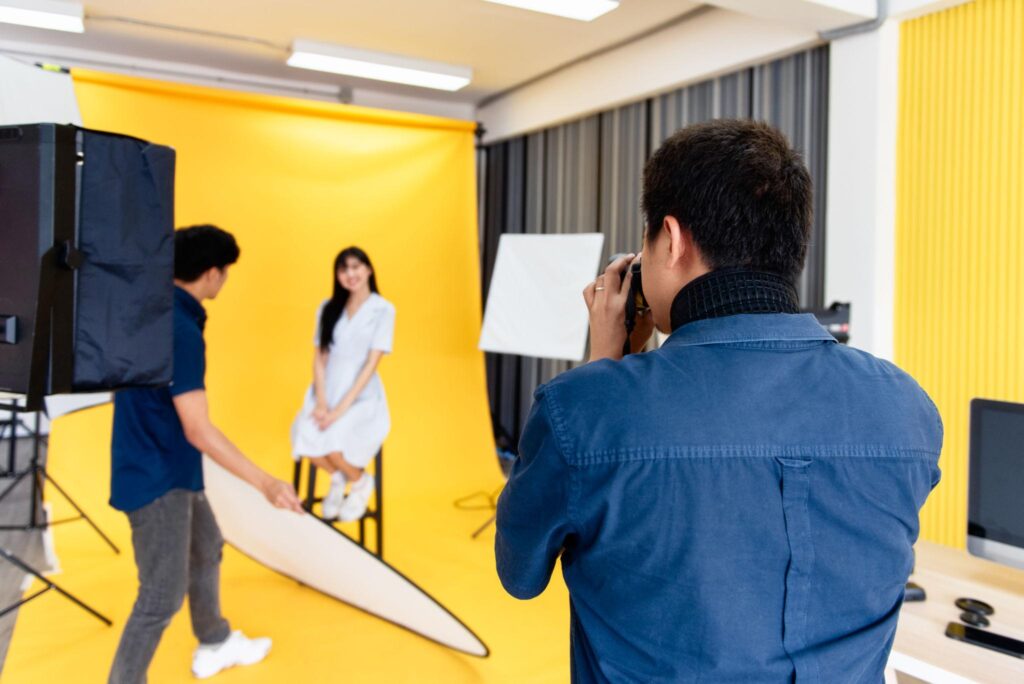
Studio photography offers complete control.
Unlike outdoor environments, photographers can shape every aspect of the lighting.
Benefits include:
- Consistent results
- Predictable conditions
- Professional appearance
- Creative flexibility
Many commercial and fashion photographers rely heavily on studio setups.
Essential Studio Lighting Patterns
Professional portrait photographers frequently use specific lighting patterns.
Rembrandt Lighting
Named after the famous painter.
Characteristics:
- Small triangle of light beneath the eye
- Dramatic appearance
- Strong facial dimension
Best For:
- Male portraits
- Editorial photography
- Character portraits
Loop Lighting
Creates a small shadow beside the nose.
Benefits:
- Flattering
- Easy to create
- Suitable for most faces
One of the most popular portrait lighting setups.
Butterfly Lighting
Light positioned above and in front of the subject.
Creates:
- Symmetrical shadows
- Defined cheekbones
- Glamorous appearance
Commonly used in:
- Beauty photography
- Fashion photography
Split Lighting
Half of the face remains illuminated while the other half falls into shadow.
Creates:
- Drama
- Mystery
- Strong visual impact
Often used for creative portraits.


Fashion Lighting Setups
Fashion photography often requires more sophisticated lighting than standard portraits.
The goal extends beyond flattering the subject.
Fashion photographers must also highlight:
- Clothing textures
- Accessories
- Fabrics
- Styling details
One-Light Fashion Setup
A single softbox can produce impressive results.
Benefits:
- Affordable
- Easy to learn
- Portable
Ideal for:
- Beginner fashion photographers
- Portfolio building
- Small studios
Two-Light Fashion Setup
One key light plus one fill light.
Advantages:
- Better control
- Reduced shadows
- More professional appearance
Commonly used for:
- Lookbooks
- Catalog photography
- Commercial portraits
Three-Light Fashion Setup
Includes:
- Key light
- Fill light
- Rim light
Benefits:
- Subject separation
- Greater depth
- Premium look
Frequently used in:
- Editorial campaigns
- Brand photography
- Professional studio shoots
Essential Lighting Equipment
Every portrait and fashion photographer should understand basic lighting tools.
Softboxes
Softboxes diffuse light and reduce harsh shadows.
Benefits:
- Flattering skin tones
- Professional appearance
- Better control
Softboxes remain one of the most useful lighting modifiers.
Reflectors
Reflectors help redirect existing light.
Advantages:
- Affordable
- Lightweight
- Effective
Popular reflector colors:
White
Natural fill light.
Silver
Brighter reflections.
Gold
Warmer tones.
Black
Used to reduce unwanted light.
Umbrellas
Photography umbrellas provide soft, broad lighting.
Advantages:
- Affordable
- Portable
- Easy setup
Ideal for:
- Beginners
- Small studios
- Portrait photography
Speedlights
Speedlights are portable flashes mounted on cameras or light stands.
Benefits:
- Powerful
- Compact
- Flexible
Popular uses:
- Weddings
- Events
- Portrait sessions
LED Lights
Continuous lighting has become increasingly popular.
Advantages:
- Easy to visualize results
- Excellent for video
- Beginner friendly
Common among:
- Content creators
- Fashion photographers
- Influencers
Lighting Modifiers
Modifiers help shape light.
Examples:
- Softboxes
- Beauty dishes
- Grids
- Snoots
- Umbrellas
Understanding modifiers dramatically improves lighting control.
Common Lighting Mistakes
Many beginners make the same mistakes repeatedly.
Shooting in Harsh Midday Sun
Produces unflattering shadows.
Ignoring Catchlights
Eyes appear lifeless without reflections.
Overusing Flash
Natural-looking light often performs better.
Placing Lights Too Close
Can create uneven illumination.
Ignoring Background Light
Backgrounds influence overall image quality.
Avoiding these mistakes immediately improves portraits.
Best Camera Settings for Portrait Lighting
Outdoor Portraits
- Aperture: f/1.8–f/2.8
- Shutter Speed: 1/250+
- ISO: 100–400
Studio Portraits
- Aperture: f/5.6–f/8
- Shutter Speed: 1/160–1/200
- ISO: 100
Fashion Photography
- Aperture: f/4–f/8
- Shutter Speed: 1/200
- ISO: 100–400
These settings provide a reliable starting point for most situations.
Related Articles:
- Creative Lighting Ideas for Home Photoshoot
- Best Ring Light for Photography
- Best Camera for YouTube Beginners
- Photography Tutorials
- Photography for Beginners
- Camera Buying & Gear Guide
- Product Photography Setup at Home
- DIY Photoshoot Ideas at Home
- Romantic Couple Poses
- Beach Couple Poses
- Pre-Wedding Photoshoot Ideas
- Aesthetic Photo Ideas for Instagram
- Best Camera Under ₹30,000
- Best Camera Under ₹1 Lakh
Complete Portrait Posing Guide
Even perfect lighting and expensive equipment cannot save a portrait if the pose feels awkward.
Posing is one of the most important skills in portrait and fashion photography because it directly affects how people look and feel in photographs.
Many clients are not professional models. They often arrive feeling nervous and unsure about how to stand, where to place their hands, or how to express themselves naturally.
A great photographer doesn’t simply capture poses. Instead, they guide subjects into comfortable positions that feel authentic and flattering.
Why Posing Matters
Good posing helps:
- Create confidence
- Improve body language
- Enhance facial features
- Highlight strengths
- Reduce awkwardness
The best poses rarely look posed.
Instead, they feel natural and effortless.
Understanding Body Angles
One of the most common beginner mistakes is photographing subjects straight-on.
This often creates a flat appearance.
Instead:
Turn the Body Slightly
A slight turn creates:
- Better shape
- More dimension
- Natural depth
Even a 30 to 45-degree angle can significantly improve a portrait.
The Importance of Posture
Posture affects every portrait.
Encourage subjects to:
- Stand tall
- Relax shoulders
- Extend neck slightly forward
- Keep spine straight
Good posture instantly creates a more confident appearance.
Head Positioning Techniques
Small changes in head position dramatically affect portraits.
Chin Slightly Forward
Creates jawline definition.
Chin Slightly Down
Creates stronger eye contact.
Head Tilt
Adds personality and emotion.
Different head positions communicate different moods.
What To Do With Hands
Hands are often the most awkward part of posing.
Many beginners ignore hand placement entirely.
General Rules
Avoid:
- Flat hands
- Clenched fists
- Hidden hands
Instead:
- Create gentle bends
- Keep fingers relaxed
- Give hands a purpose
Standing Portrait Poses
Standing poses remain among the most versatile options.
Simple Weight Shift
Ask subjects to place most weight on one leg.
Benefits:
- Creates natural body curves
- Looks relaxed
- Improves posture
Walking Pose
Encourage slow movement.
Benefits:
- Natural expressions
- Better energy
- Lifestyle appearance
Hands in Pockets
Popular for:
- Men’s portraits
- Street photography
- Casual portraits
Creates a relaxed appearance.
Sitting Portrait Poses
Sitting poses work exceptionally well for:
- Lifestyle portraits
- Fashion photography
- Editorial shoots
Lean Forward Slightly
Creates engagement.
Use Natural Support
Chairs, benches, and stairs add variety.
Avoid Slouching
Maintain posture even when seated.
Portrait Poses for Men
Men’s posing typically emphasizes:
- Strength
- Confidence
- Structure
Crossed Arms
Creates authority.
Jacket Adjustment
Adds movement and purpose.
Looking Away
Creates a candid appearance.
Walking Toward Camera
Popular in fashion and editorial photography.
Portrait Poses for Women
Women’s posing often emphasizes:
- Elegance
- Shape
- Movement
Hand Near Hair
Creates softness.
Weight on One Hip
Creates flattering curves.
Looking Over Shoulder
Adds mystery and visual interest.
Movement-Based Poses
Walking or turning often creates natural results.
Couple Portrait Posing
Couple photography requires connection rather than perfect positioning.
Focus on interaction.
Forehead Touch
Creates intimacy.
Walking Together
Feels natural and candid.
Holding Hands
Simple yet effective.
Shared Laughter
Often produces the most authentic images.
Fashion Model Posing Guide
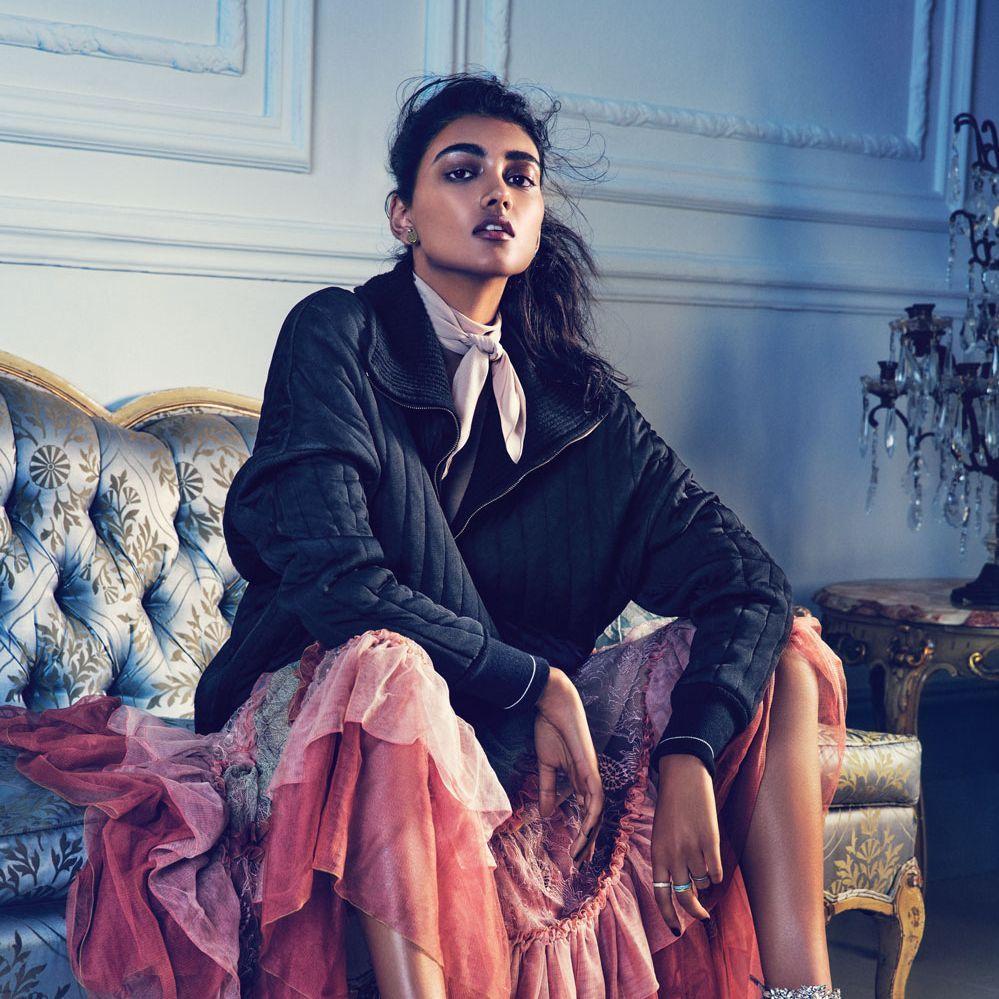
Fashion photography differs from portrait photography because the goal extends beyond the person.
Fashion images must also showcase:
- Clothing
- Styling
- Accessories
- Brand identity
As a result, poses often become more intentional and dramatic.
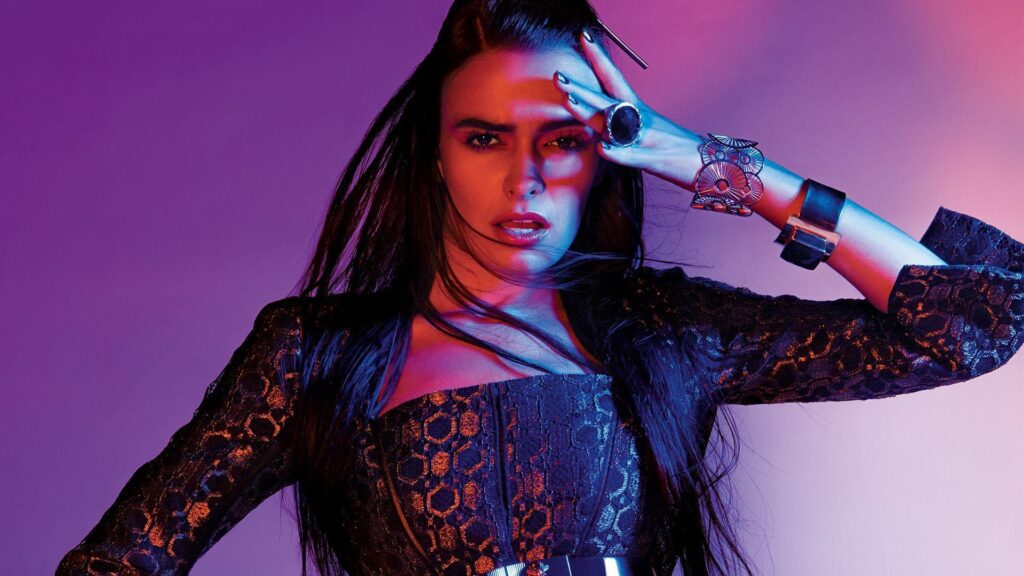
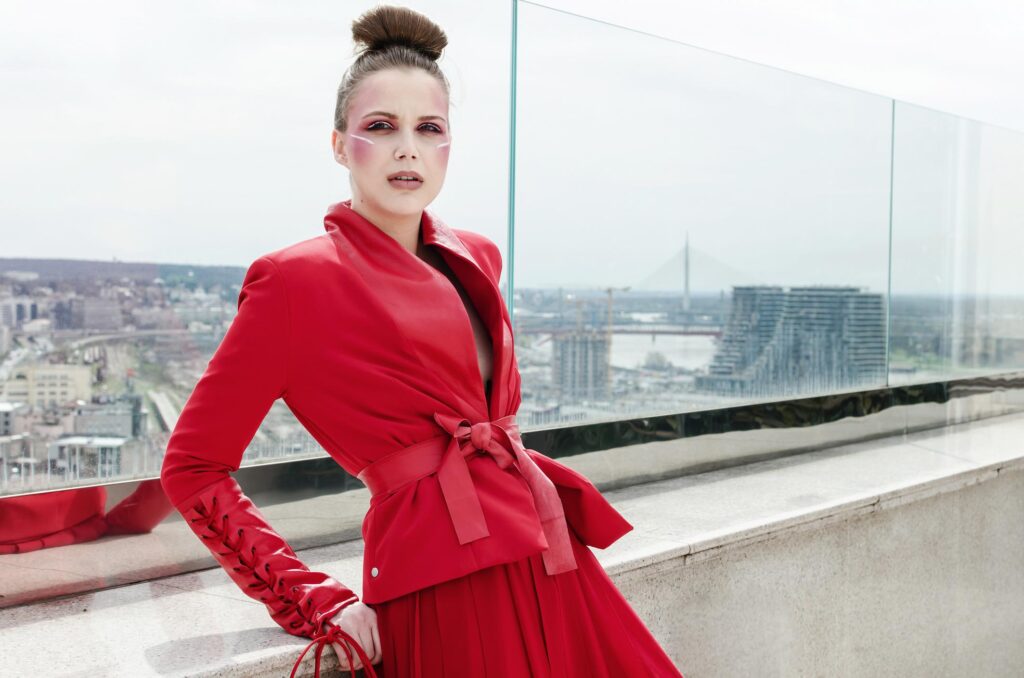




Fashion Pose Fundamentals
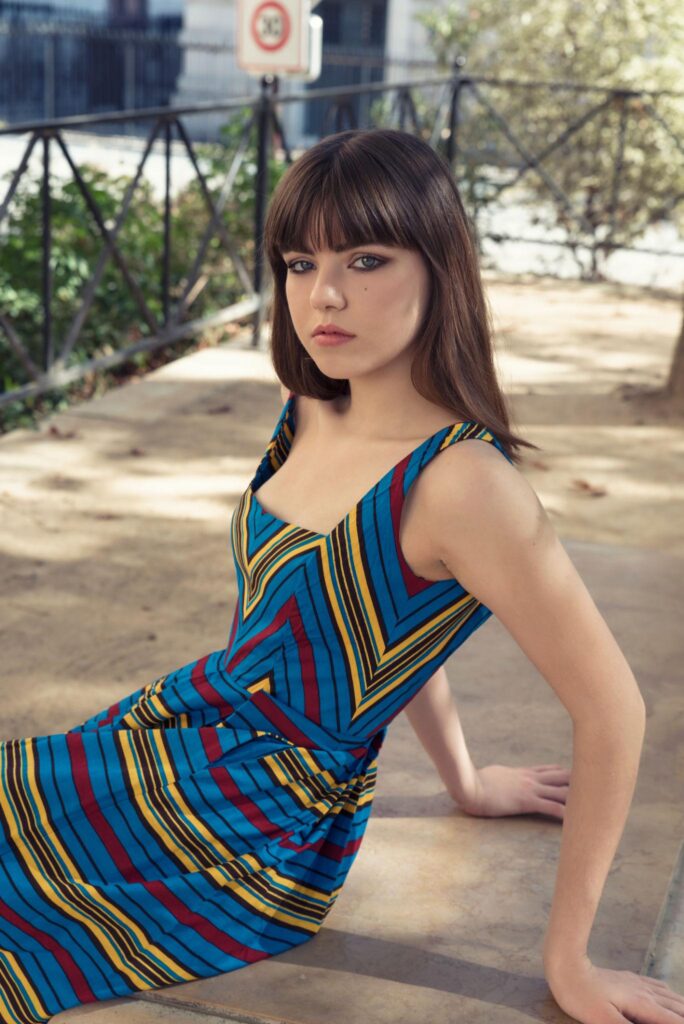
Fashion models use their bodies to create visual shapes.
The goal is to avoid appearing static.
Key principles include:
Create Angles
Straight lines often appear rigid.
Angles create energy.
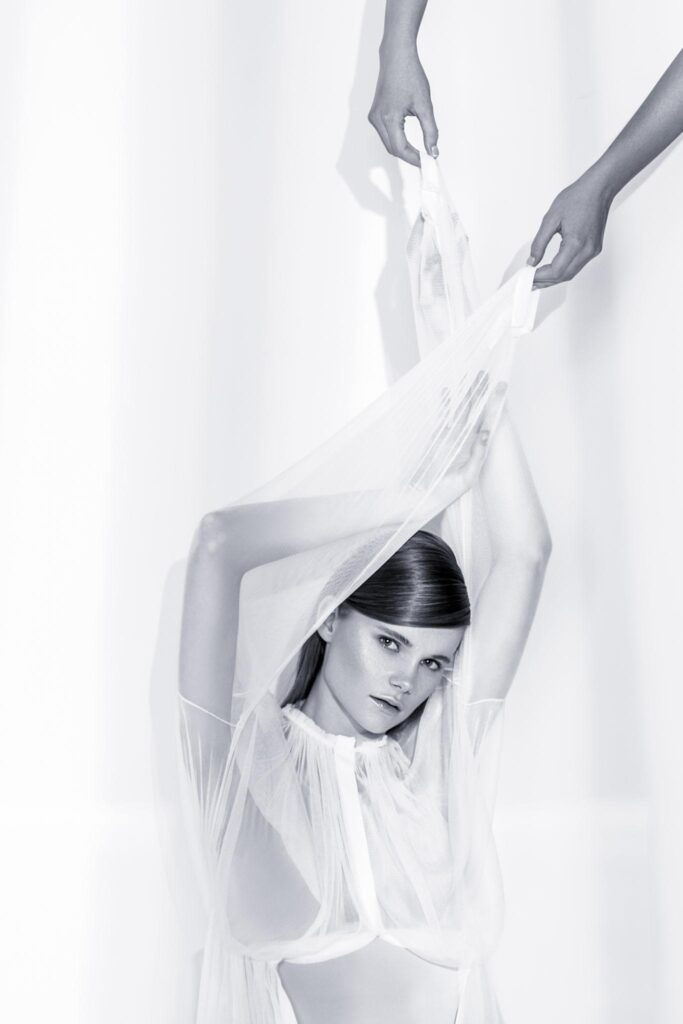
Elongate the Body
Long lines create elegance.
Emphasize Clothing
Every pose should support the outfit.
Editorial Fashion Poses
Editorial fashion often prioritizes storytelling.
Popular approaches:
Looking Away
Creates mystery.
Walking Motion
Adds energy.
Interaction With Environment
Creates visual narrative.
Dramatic Shapes
Suitable for magazine-style photography.
Commercial Fashion Poses
Commercial fashion focuses on selling products.
Poses should:
- Highlight garments
- Show fit clearly
- Remain approachable
The clothing should remain the hero of the image.
Using Movement in Fashion Photography
Movement transforms fashion photography.
Examples:
Walking
Natural and dynamic.
Turning
Creates flowing garments.
Spinning
Works well with dresses.
Hair Movement
Adds energy and drama.
Movement often produces stronger images than static poses.
Portrait Composition Techniques
Composition determines how viewers experience a photograph.
Strong composition guides attention toward the subject.
Rule of Thirds
One of the most important composition techniques.
Position the subject along grid intersections rather than directly in the center.
Benefits:
- Better balance
- Improved visual flow
- Stronger storytelling
Leading Lines
Leading lines direct attention.
Examples:
- Roads
- Railings
- Hallways
- Architecture
These elements naturally guide viewers toward the subject.
Framing
Use environmental elements to frame the subject.
Examples:
- Windows
- Doorways
- Arches
- Trees
Framing adds depth and visual interest.
Negative Space
Negative space refers to empty areas around the subject.
Benefits:
- Minimalist appearance
- Strong focus
- Editorial style
Frequently used in fashion photography.
Symmetry
Symmetry creates visual balance.
Works especially well in:
- Studio portraits
- Fashion campaigns
- Architectural environments
Fashion Photography Composition
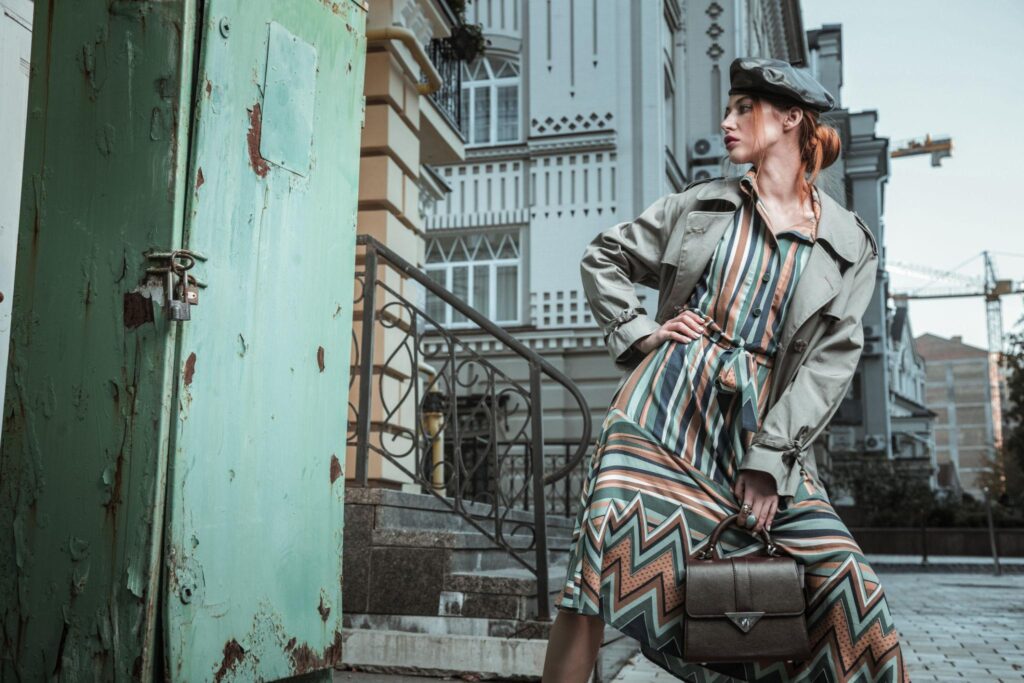
Fashion photography often uses more deliberate composition choices.
The goal is to showcase both the model and styling.

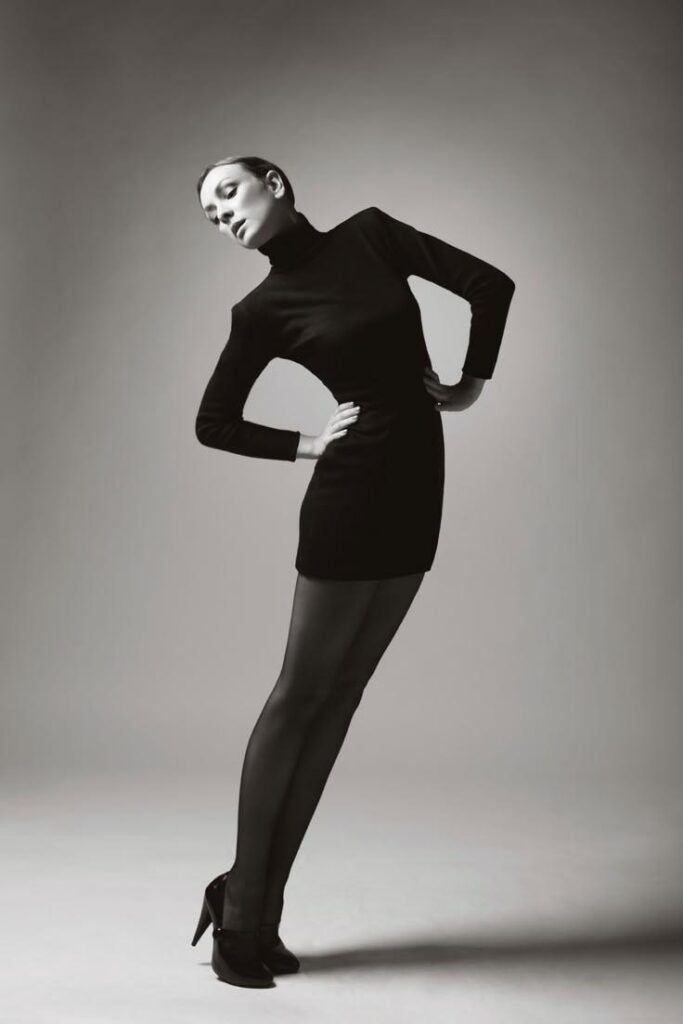
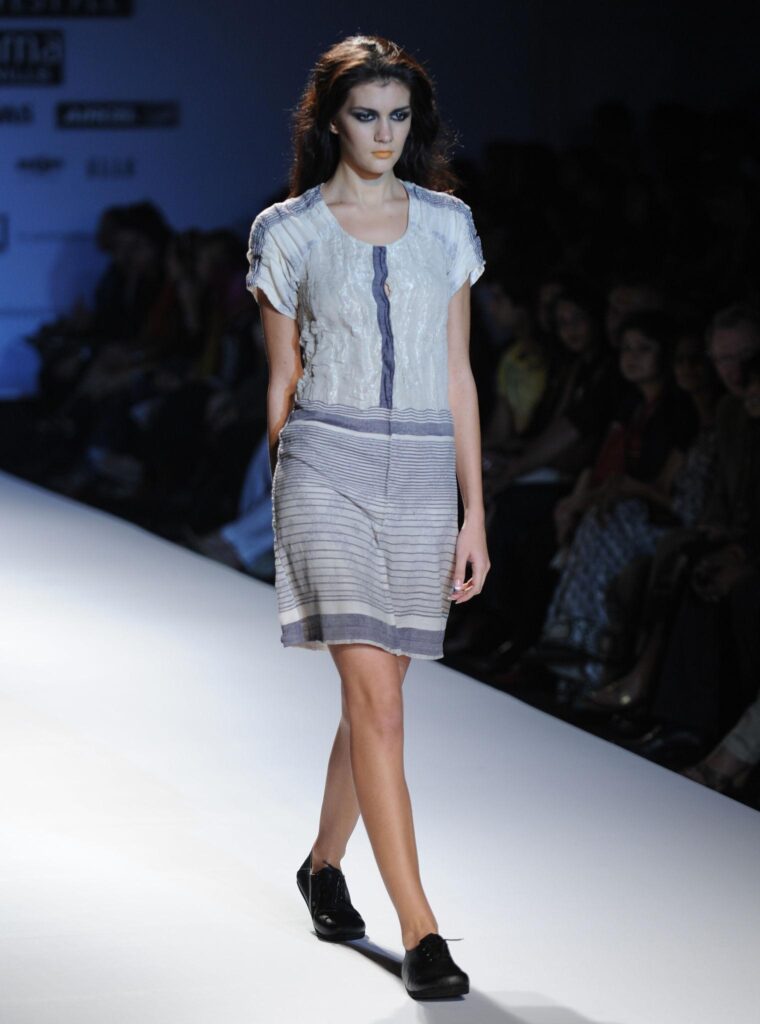
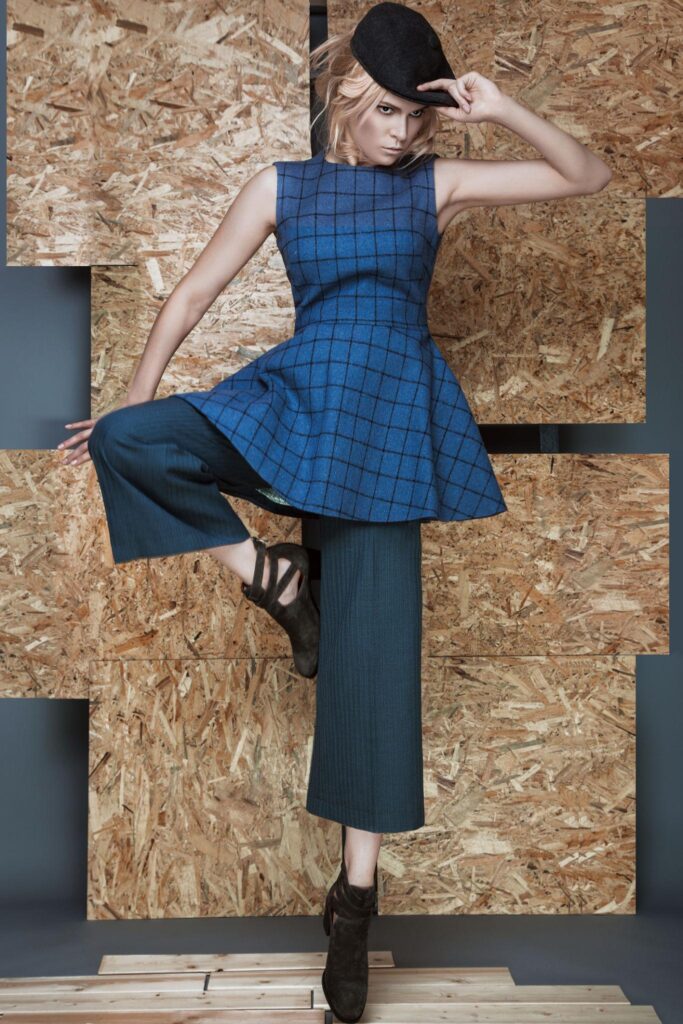

Full-Length Composition
Ideal for:
- Dresses
- Suits
- Fashion campaigns
Ensures clothing remains visible.
Mid-Length Composition
Balances:
- Clothing
- Expression
- Accessories
Popular for lookbooks.
Close-Up Composition
Highlights:
- Makeup
- Jewelry
- Beauty details
Frequently used in beauty photography.
Styling and Wardrobe Selection
Wardrobe choices dramatically influence portrait and fashion photography.
Even excellent lighting cannot compensate for poor styling decisions.
Choosing Colors
Neutral colors remain timeless.
Examples:
- Black
- White
- Beige
- Gray
For fashion shoots:
- Bold colors can create impact.
- Coordinated palettes improve visual consistency.
Avoid Distracting Patterns
Busy patterns often draw attention away from the subject.
Simple designs generally photograph better.
Matching Clothing to Location
Wardrobe should complement the environment.
Examples:
Urban Settings
- Modern outfits
- Streetwear
- Fashion-forward styling
Nature Settings
- Earth tones
- Soft fabrics
- Neutral palettes
Accessories in Portrait Photography
Accessories help complete the story.
Examples:
- Watches
- Hats
- Scarves
- Sunglasses
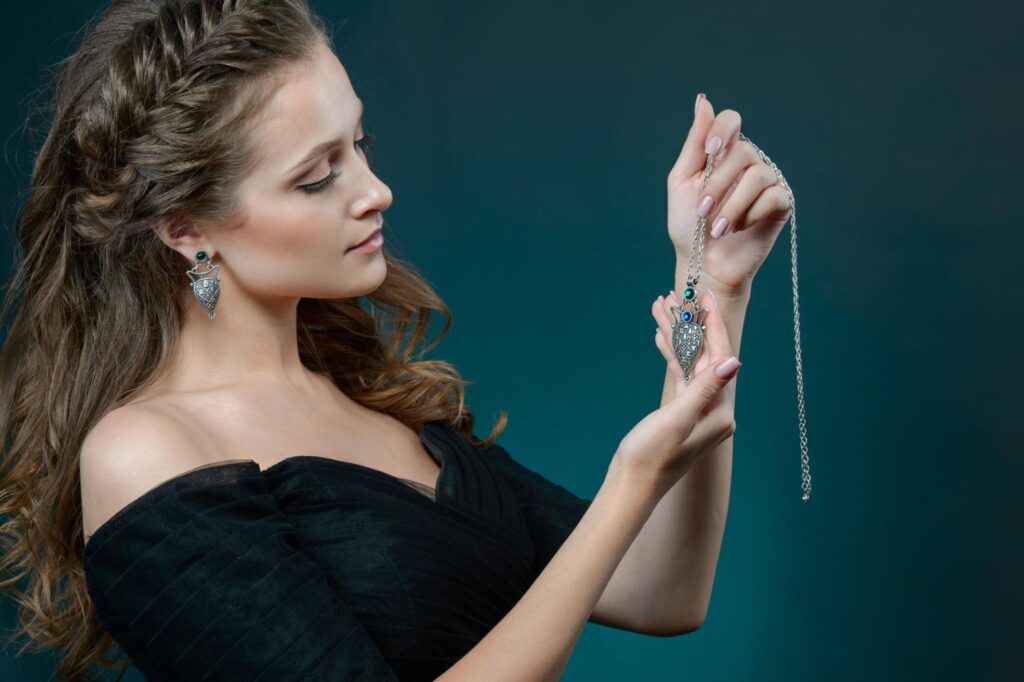
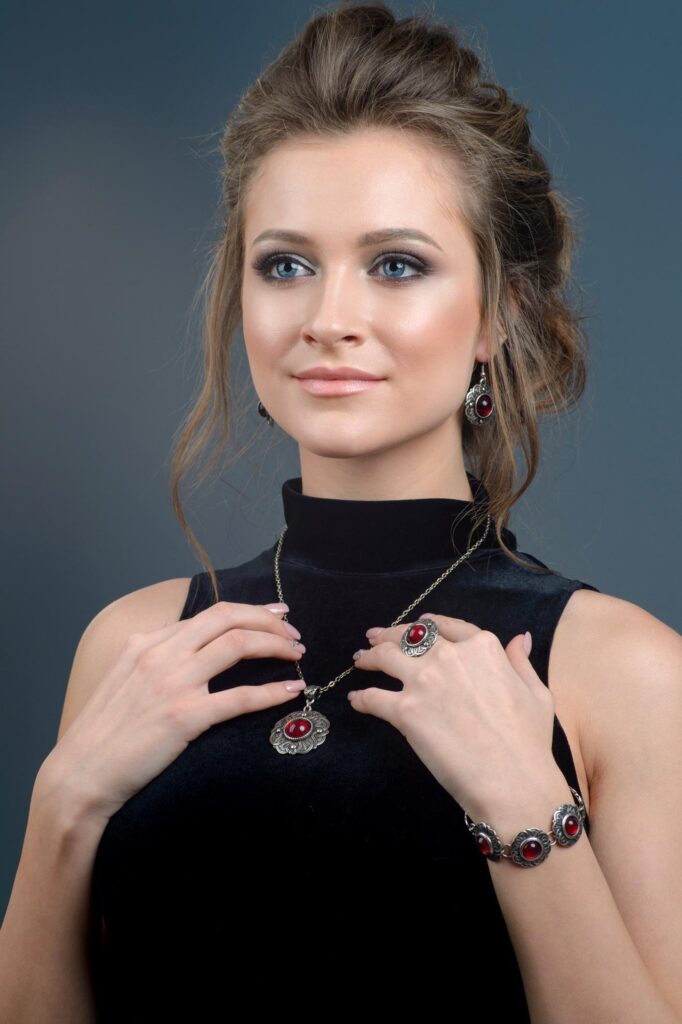
- Jewelry
Use accessories intentionally rather than excessively.
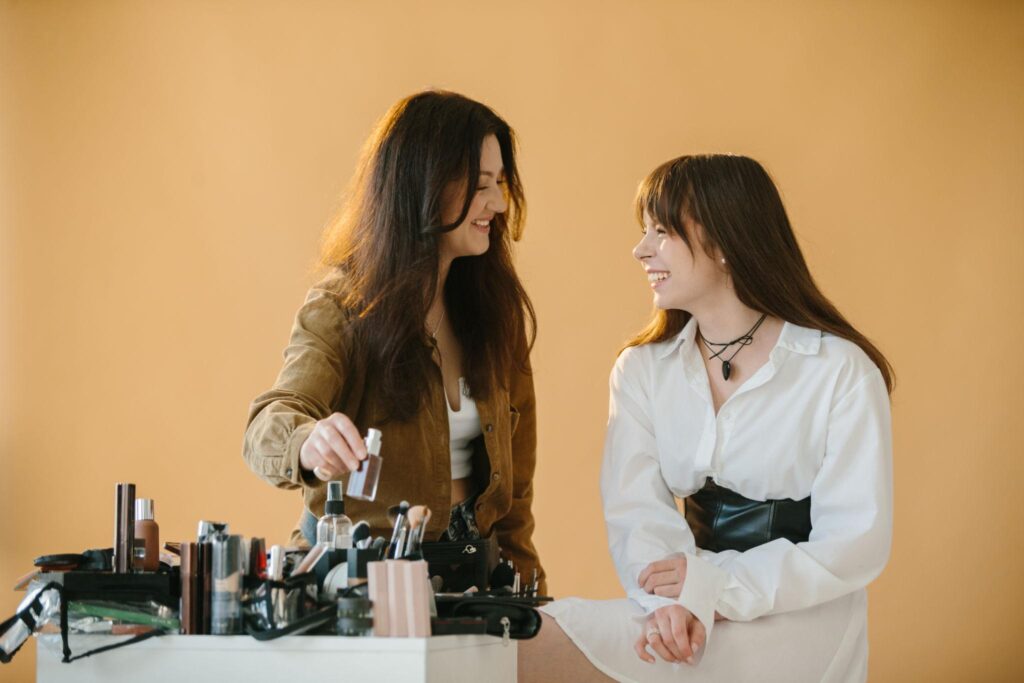
Makeup and Grooming Tips
Professional styling improves portrait quality significantly.
Photographers should understand basic grooming principles.
Makeup Tips
Good makeup:
- Reduces shine
- Creates even skin tone
- Enhances features
Photography makeup often differs from everyday makeup because cameras can reduce contrast.
Hair Styling
Hair deserves attention.
Common issues:
- Flyaway hairs
- Uneven styling
- Wind interference
Carry simple tools such as:
- Hair spray
- Comb
- Clips
Grooming for Men
Focus on:
- Facial hair
- Skin appearance
- Clothing fit
Small details make a significant difference.
Communicating With Models and Clients
Communication often determines shoot success.
Technical knowledge alone is not enough.
Great photographers create comfort.
Build Confidence
Encourage subjects regularly.
Positive feedback improves expressions.
Demonstrate Poses
Many clients understand poses better when they see them demonstrated.
Show examples whenever possible.
Keep Conversations Flowing
Silence often creates tension.
Engage subjects naturally.
This leads to:
- Better expressions
- More authentic moments
- Improved confidence
Common Portrait & Fashion Photography Mistakes
Overediting
Natural edits usually outperform extreme retouching.
Ignoring Backgrounds
Distracting backgrounds weaken portraits.
Poor Hand Placement
Awkward hands immediately reduce image quality.
Overcomplicated Lighting
Master simple lighting before adding complexity.
Lack of Communication
Strong communication often matters more than camera settings.
Related Articles:
- Photography Poses for Beginners
- Photography Poses for Girls
- Photography Poses for Boys at Home
- Natural Poses for Photos
- Romantic Couple Poses
- Beach Couple Poses
- Couple Selfie Poses
- Pre-Wedding Photoshoot Ideas
- Aesthetic Photo Ideas for Instagram
- DIY Photoshoot Ideas at Home
- Photography Tutorials
- Photography for Beginners
- Camera Buying & Gear Guide
- Creative Lighting Ideas for Home Photoshoot
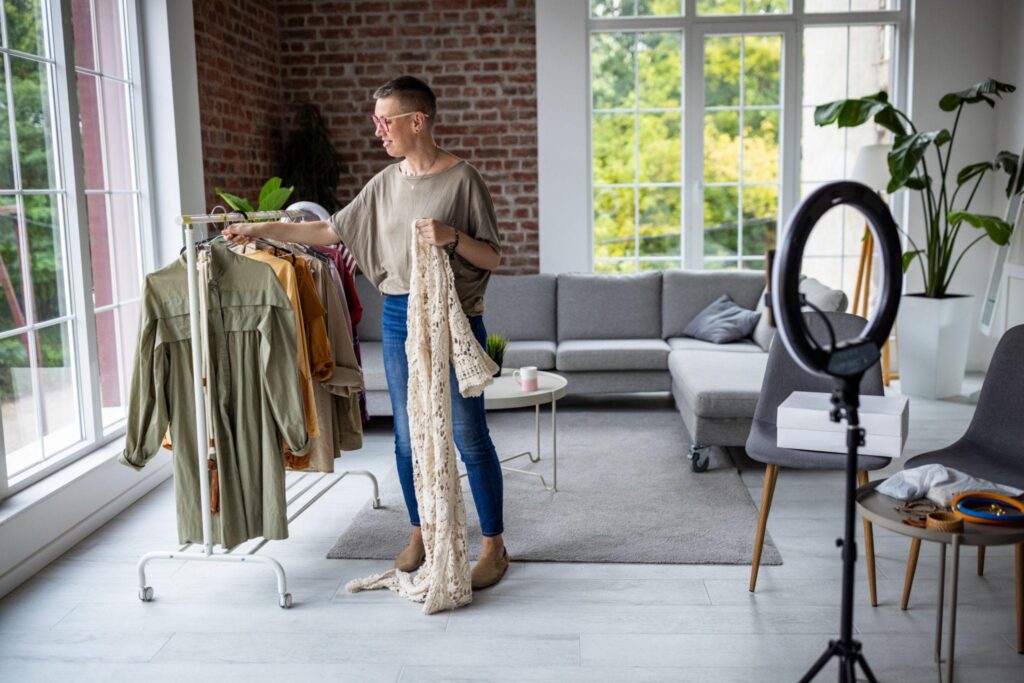
Complete Portrait Editing Workflow
Capturing a great portrait is only the first step. Editing helps photographers refine colors, improve exposure, enhance skin tones, and create a consistent visual style.
Professional portrait photographers edit nearly every image they deliver. However, the goal should always be enhancement rather than excessive manipulation.
A successful edit should improve the photograph while maintaining a natural appearance.


Step 1: Import and Organize Photos
A professional workflow begins with organization.
Create folders based on:
- Client name
- Date
- Location
- Shoot type
Example:
Portrait Photography/
├── Personal Branding
├── Fashion Shoots
├── Couples
├── Editorial
├── Client Projects
Good organization saves time and improves productivity.
Step 2: Cull Your Images
Avoid editing every image.
Select only the strongest photographs.
Look for:
- Sharp eyes
- Good expressions
- Strong composition
- Natural body language
- Clean backgrounds
Many professionals deliver only 10–20% of the images they capture.
Step 3: Correct Exposure
Adjust:
Highlights
Recover bright areas.
Shadows
Reveal hidden details.
Contrast
Add depth.
Whites and Blacks
Improve tonal balance.
The objective is a balanced image with natural detail.
Step 4: Adjust White Balance
Skin tones are critical in portrait photography.
Incorrect white balance can make subjects appear:
- Too orange
- Too blue
- Unnatural
Always prioritize realistic skin tones.
Step 5: Refine Colors
Adjust:
- Vibrance
- Saturation
- Color balance
Fashion photography often allows more creative color grading, while portraits generally benefit from subtle adjustments.
Step 6: Crop and Straighten
Cropping helps improve composition.
Consider:
- Subject placement
- Negative space
- Distractions
- Platform requirements
Different crops work better for:
- Websites
- Magazines
Step 7: Retouch Carefully
Portrait retouching should improve without making subjects appear artificial.
Common adjustments:
- Temporary blemishes
- Skin texture refinement
- Stray hairs
- Minor distractions
Avoid excessive skin smoothing.
Natural texture creates realism.
Lightroom Workflow for Portrait Photography
Adobe Lightroom remains one of the most powerful tools for portrait photographers.
Benefits:
- Fast workflow
- Color grading
- Batch editing
- Professional results
Basic Lightroom Workflow
Import
Add images to catalog.
Exposure Adjustment
Correct brightness.
White Balance
Fix color temperature.
Contrast
Add depth.
HSL Adjustments
Refine colors.
Sharpening
Enhance details.
Export
Prepare final files.
Lightroom Presets
Presets help create consistency.
Benefits:
- Faster editing
- Consistent branding
- Streamlined workflow
However, presets should be adjusted to fit each image.
Fashion Retouching Basics
Fashion photography often requires more advanced editing than portraits.
The objective is not perfection.
Instead, photographers aim to create polished, professional images.
Frequency Separation
Advanced retouching technique.
Benefits:
- Preserves skin texture
- Improves skin appearance
- Professional results
Commonly used in:
- Editorial photography
- Beauty campaigns
- Fashion advertising
Dodge and Burn
Used to enhance:
- Facial structure
- Clothing texture
- Light direction
This technique remains popular among professional retouchers.
Color Grading for Fashion Photography
Color grading helps establish mood.
Examples:
Warm Tones
- Lifestyle fashion
- Summer campaigns
Cool Tones
- Luxury brands
- Editorial work
Neutral Tones
- Commercial campaigns
- Catalog photography
Consistency is more important than dramatic color changes.
Building a Portrait Portfolio
Your portfolio determines how potential clients perceive your work.
A strong portfolio often matters more than equipment.
What to Include
Show only your strongest images.
Include:
- Headshots
- Lifestyle portraits
- Fashion photography
- Editorial work
- Personal projects
Quality always beats quantity.
Portfolio Organization
Divide work into categories:
Portrait Photography
Fashion Photography
Editorial Photography
Commercial Work
Personal Projects
Clear organization improves user experience.
Creating Portfolio Projects
If you lack client work:
Create personal projects.
Examples:
- Friends
- Family
- Local models
- Creative collaborations
Many successful photographers built portfolios before securing paying clients.
Working With Models
Strong collaborations produce stronger photographs.
Professional relationships matter.
Finding Models
Options include:
- Modeling agencies
- Local communities
- Networking events
TFP Collaborations
TFP means Time For Photos.
Benefits:
- Portfolio building
- Skill development
- Creative experimentation
Common among photographers and new models.
Preparing for a Shoot
Create:
- Mood boards
- Shot lists
- Styling plans
Preparation improves efficiency and results.
Portrait & Fashion Photography Business Guide
Photography skills alone rarely build a successful business.
Business knowledge matters equally.
Building a Personal Brand
Clients hire photographers they trust.
Develop:
- Consistent style
- Professional website
- Social media presence
- Portfolio
Strong branding increases perceived value.
Pricing Portrait & Fashion Photography
Pricing depends on:
- Experience
- Location
- Deliverables
- Market demand
Avoid competing solely on price.
Instead:
Compete on quality and service.
Finding Clients
Popular client acquisition channels:
Excellent for visual marketing.
Google Search
Long-term lead generation.
Referrals
Often highest-converting source.
Local Networking
Build relationships within your community.
Delivering Client Galleries
Professional delivery improves customer experience.
Popular tools:
- Google Drive
- Pixieset
- Dropbox
- SmugMug
Complete Equipment Checklist
Cameras
Beginner
- Canon R50
- Sony ZV-E10
- Nikon Z50
Intermediate
- Canon R10
- Sony A6700
- Fujifilm X-T5
Professional
- Sony A7 IV
- Canon R6 Mark II
- Nikon Z6 III
Portrait & Fashion Photography – Portrait Lenses
Essential
- 50mm f/1.8
Recommended
- 85mm f/1.8
Professional
- 70-200mm f/2.8
Lighting Equipment
Essentials
- Reflector
- LED Light
Intermediate
- Softbox
- Speedlight
Professional
- Godox AD200 Pro
- Studio strobes
Editing Tools
Adobe Lightroom
Best overall editor.
Adobe Photoshop
Advanced retouching.
Canva
Marketing materials.
Snapseed
Mobile editing.


Related Articles:
Photography Education
Posing Guides
- Photography Poses for Beginners
- Photography Poses for Girls
- Photography Poses for Boys at Home
- Natural Poses for Photos
- Standing Poses for Photoshoot
Couple Photography
- Couple Pose Ideas
- Romantic Couple Poses
- Beach Couple Poses
- Couple Selfie Poses
- Pre-Wedding Photoshoot Ideas
Photography Ideas
- DIY Photoshoot Ideas at Home
- Indoor Photoshoot Ideas at Home
- Aesthetic Photo Ideas for Instagram
- Creative Lighting Ideas for Home Photoshoot
Camera Reviews
- Best Camera Under ₹30,000
- Best Camera Under ₹1 Lakh
- Best Camera for Instagram and Reels
- Best Camera for YouTube Beginners
- Panasonic S5 II Review
- Nikon D850 Review
- Leica Q2 Review
Photography Business
- Photography Pricing Guide
- How Much Does a Professional Photoshoot Cost in India?
- How Do Photographers Decide Their Pricing?
- How Can I Start a Photography Business?
- What Are the Most Profitable Photography Niches?
Local Photography Services
More Photography content:
- Adobe Lightroom
- Adobe Photoshop
- Canon Learn
- Nikon Learn & Explore
- Sony Alpha Universe
- Fujifilm Stories
- Digital Photography School
- National Geographic Photography
- Canva Design School
Conclusion – Portrait & Fashion Photography
Portrait & fashion photography combine technical skills, creativity, communication, and storytelling. While cameras and lenses play important roles, great photographs ultimately depend on understanding light, posing, styling, composition, and human connection.
Master the fundamentals covered in this guide. Practice consistently. Experiment with different lighting setups and posing techniques. Build a strong portfolio and develop your unique visual style.
Over time, your ability to create compelling portraits and fashion images will grow naturally.
Remember:
The most powerful portrait is not the one with the most expensive equipment.
It is the one that makes people feel something.
Call To Action
Ready to improve your portrait & fashion photography ?
Explore The Candid Shoot for expert tutorials, camera reviews, lighting guides, posing ideas, editing workflows, and practical photography advice designed to help photographers at every level create stunning images and build successful photography careers.
Frequently Asked Questions About Portrait & Fashion Photography
What is the difference between portrait photography & fashion photography?
Portrait photography focuses primarily on the subject’s personality, emotions, and character. The goal is to create a connection between the viewer and the person being photographed. Fashion photography, on the other hand, emphasizes clothing, styling, accessories, and brand identity. While both genres involve photographing people, portrait photography tells a personal story, whereas fashion photography often supports marketing, editorial, or commercial objectives. Understanding this difference helps photographers choose the right posing, lighting, and composition techniques for each type of shoot.
What camera is best for portrait and fashion photography?
Several cameras perform exceptionally well for portrait and fashion photography. Popular choices include the Sony A7 IV, Canon R6 Mark II, Nikon Z6 III, and Fujifilm X-T5. Beginners can start with more affordable options such as the Canon R50, Sony ZV-E10, or Nikon Z50. When selecting a camera, prioritize autofocus performance, lens availability, image quality, and low-light capabilities rather than focusing only on megapixels.
Which lens is best for portrait photography?
The 85mm f/1.8 lens is widely considered one of the best portrait lenses because it produces flattering facial proportions and beautiful background blur. The 50mm f/1.8 is another excellent option for beginners due to its affordability and versatility. Professional photographers often use 70-200mm f/2.8 lenses for portraits, weddings, and fashion shoots because of their flexibility and outstanding image quality.
How do professional photographers make portraits look so sharp?
Professional photographers achieve sharp portraits through a combination of proper focus techniques, camera settings, and high-quality lenses. Most portrait photographers focus directly on the subject’s eyes, use eye-detection autofocus when available, and select appropriate shutter speeds to avoid motion blur. Sharpness is also enhanced during post-processing using tools like Adobe Lightroom and Photoshop.
What is the best lighting for portrait photography?
Soft, directional light is generally considered the most flattering for portraits. Golden hour sunlight, large windows, softboxes, and diffused studio lighting create smooth shadows and attractive skin tones. Many professional photographers prefer soft light because it reduces harsh facial shadows while maintaining depth and dimension.
Can I do portrait photography with natural light only?
Yes. Many professional portrait photographers rely heavily on natural light. Window light, open shade, and golden hour sunlight can produce stunning results without expensive studio equipment. Learning how to position subjects relative to natural light sources is one of the most valuable skills a photographer can develop.
How can beginners improve their portrait photography skills?
Beginners can improve portrait photography by mastering three key areas: lighting, posing, and composition. Practice photographing friends or family members, experiment with different light sources, and study how professional photographers use backgrounds and body language. Consistent practice combined with constructive feedback helps photographers improve much faster than constantly upgrading equipment.
What are the best poses for portrait photography?
The best portrait poses are often the most natural. Popular options include standing poses with relaxed posture, walking poses, seated portraits, looking away from the camera, and poses that encourage interaction with the environment. Instead of forcing complicated positions, photographers should focus on helping subjects feel comfortable and confident.
How do fashion photographers work with models?
Fashion photographers typically plan shoots using mood boards, styling concepts, shot lists, and creative direction. During the shoot, photographers guide models through poses while collaborating with stylists, makeup artists, and creative teams. Clear communication helps models feel confident and ensures the final images align with the intended visual concept.
What is editorial fashion photography?
Editorial fashion photography tells a story through clothing, styling, makeup, locations, and posing. These images are commonly published in magazines, fashion blogs, and advertising campaigns. Unlike catalog photography, editorial photography prioritizes creativity, storytelling, and visual impact rather than simply showcasing products.
How do I start a career in portrait and fashion photography?
The best way to start is by building a strong portfolio. Photograph friends, collaborate with local models, create personal projects, and practice consistently. Develop a professional website, share your work on social media, and network within the photography and fashion industries. Many successful photographers begin with unpaid collaborations before transitioning into paid work as their portfolios grow.
What editing software do portrait and fashion photographers use?
Adobe Lightroom and Adobe Photoshop are the most popular editing tools among professional portrait and fashion photographers. Lightroom is used for color correction, exposure adjustments, and workflow management, while Photoshop handles advanced retouching and skin corrections. Beginners may also use Canva, Snapseed, and other editing applications to learn the basics.
How much do portrait & fashion photographers charge?
Photography pricing varies based on experience, location, deliverables, and client requirements. Beginner photographers may charge modest fees while building their portfolios, whereas experienced professionals can command premium rates for commercial campaigns, fashion editorials, and branding projects. Factors such as shoot duration, editing time, travel, and usage rights also influence pricing.
Do I need a studio to do fashion photography?
No. Many successful fashion photographers work outdoors, in urban environments, rented locations, or even at home. While studios provide greater control over lighting, creative fashion photography can be produced almost anywhere with good planning, strong styling, and effective use of natural light.
What photography equipment is essential for portrait and fashion photography?
A basic portrait and fashion photography kit should include a camera, a portrait lens such as a 50mm or 85mm, memory cards, spare batteries, and a reflector. As photographers gain experience, they can add softboxes, speedlights, LED lights, light stands, and professional editing software. Investing in quality lenses and lighting often provides a greater benefit than upgrading camera bodies.



Leave a Reply