
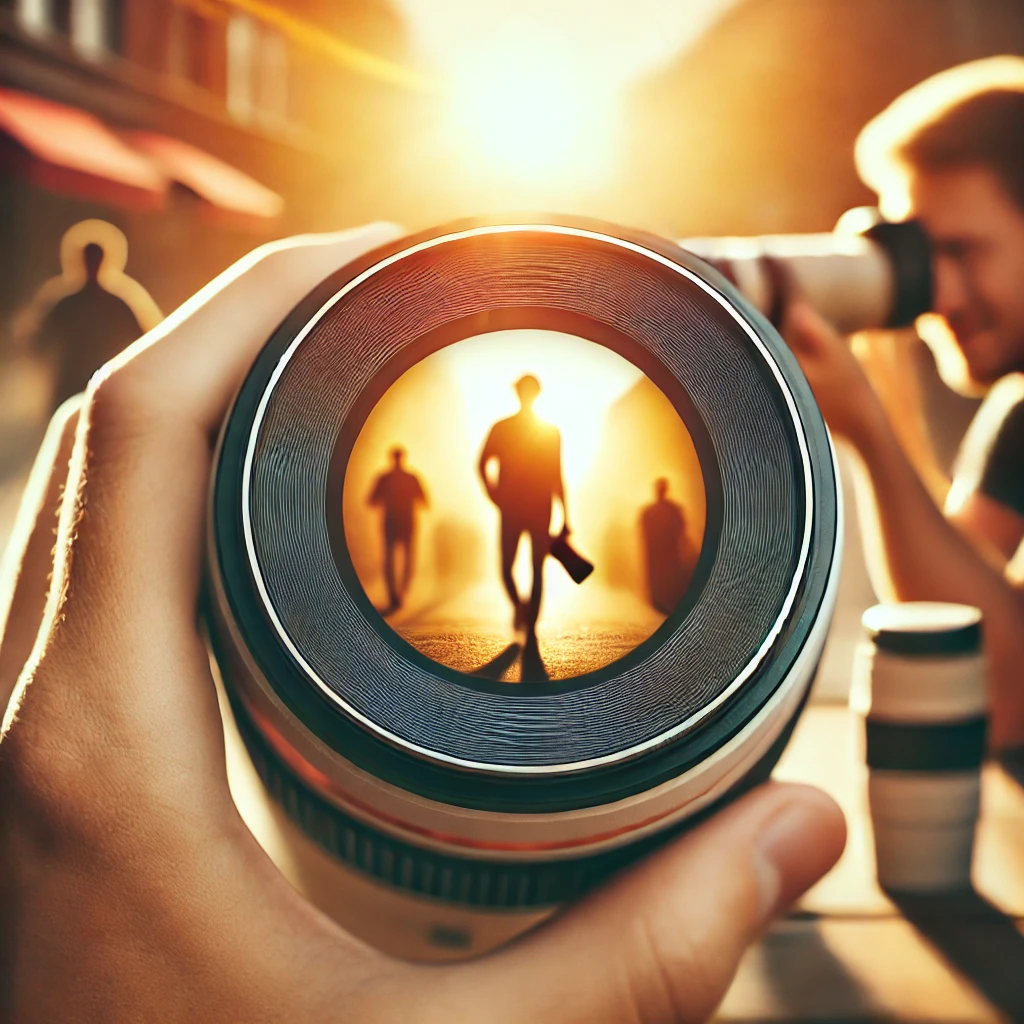
Candid photography is all about capturing real, raw emotions without the subject being conscious of the camera. A telephoto lens is a game-changer in this genre, allowing photographers to shoot from a distance while maintaining an intimate and natural feel. Whether you’re shooting street photography, weddings, or wildlife, using a telephoto lens effectively can transform your candid shots.
Whether you’re planning a pre-wedding session, a romantic outdoor shoot, or capturing everyday moments together, understanding the right poses can make your photos look more natural and memorable. Explore these couple pose ideas to discover creative, candid, and romantic poses for every type of photoshoot.
Whether you’re photographing an engagement session or a casual couple shoot, following professional photography best practices can help create more natural interactions and consistently stronger images.
Why Use a Telephoto Lens for Candid Photography?
1. Maintain Natural Expressions
One of the biggest challenges in candid photography is avoiding posed expressions. A telephoto lens enables you to shoot from a distance, ensuring that your subject remains unaware of the camera, leading to genuine emotions and reactions.
2. Compress Background for a Beautiful Bokeh
Telephoto lenses create a stunning depth of field by compressing the background and blurring distractions. This effect helps to isolate the subject and make them stand out beautifully in the frame.
3. Capture Details Without Interrupting the Moment
Unlike wide-angle lenses, which require you to be close to the subject, a telephoto lens allows you to capture subtle details such as facial expressions, hand gestures, and fleeting moments from afar without disrupting the scene.
Choosing the Right Telephoto Lens for Candid Shots
1. Focal Length Matters
Different telephoto lenses offer various focal lengths. The best options for candid photography include:
- 70-200mm – Ideal for weddings and portraits, offering flexibility and stunning background blur.
- 100-400mm – Great for street photography and outdoor events.
- 300mm or longer – Perfect for wildlife and sports photography.
2. Aperture Considerations
- f/2.8 or lower: Allows more light, creates a dreamy bokeh, and enhances low-light performance.
- f/4 or f/5.6: Still a good choice for daylight shooting but may struggle in dim lighting.
3. Image Stabilization
Since telephoto lenses magnify movement, image stabilization (IS) or vibration reduction (VR) is essential for reducing camera shake and ensuring sharp images.
Best Camera Settings for Telephoto Candid Photography
1. Use a Fast Shutter Speed
To avoid motion blur, set a shutter speed of at least 1/250s for stationary subjects and 1/500s or faster for moving subjects.
2. Wide Aperture for Beautiful Bokeh
Set your aperture to f/2.8 or f/4 to separate the subject from the background while letting in more light.
3. Adjust ISO as Needed
For well-lit environments, keep ISO between 100-400. In low-light situations, increase ISO gradually while monitoring noise levels.
4. Use Continuous Autofocus (AI-Servo or AF-C Mode)
This setting ensures that moving subjects remain in sharp focus.
Techniques for Capturing Candid Moments with a Telephoto Lens
1. Shoot from a Distance
Using a telephoto lens allows you to remain unobtrusive while capturing authentic interactions. This is particularly useful in street photography and weddings.
2. Frame Your Subject Creatively
Use natural frames like doorways, trees, or windows to add depth to your images and create a storytelling effect.
3. Utilize the Rule of Thirds
Position your subject slightly off-center to make the composition visually appealing and dynamic.
4. Capture Movement and Emotion
Telephoto lenses excel at freezing action. Capture fleeting smiles, laughter, or spontaneous gestures to make your photos feel alive.
Common Challenges and How to Overcome Them
1. Camera Shake
- Use a monopod or tripod for added stability.
- Enable image stabilization if your lens has it.
2. Finding the Right Focus
- Use back-button focus to track moving subjects.
- Switch to single-point autofocus for precision.
3. Handling Low-Light Conditions
- Increase ISO but avoid excessive noise.
- Use artificial lighting or reflectors when necessary.
Post-Processing Tips for Telephoto Candid Shots
1. Enhance Sharpness and Clarity
Use sharpening tools in Lightroom or Photoshop to bring out finer details.
2. Adjust Contrast and Exposure
Fine-tune shadows and highlights to add depth to your images.
3. Crop for Better Composition
Sometimes, a slight crop can improve the framing and storytelling of your photo.
4. Convert to Black & White for a Timeless Feel
Removing color distractions can enhance the emotional impact of your candid shots.
Final Thoughts
Mastering the use of a telephoto lens for candid photography takes practice, but the results are worth it. By understanding focal lengths, camera settings, and composition techniques, you can elevate your photography skills and capture stunning, natural moments effortlessly. Whether you’re shooting street scenes, portraits, or wildlife, a telephoto lens offers endless creative possibilities.
Are you ready to take your candid photography to the next level? Grab your telephoto lens and start experimenting today!
-
Best AI RAW Photo Editing Software in 2026
-

Best AI Sharpening Software for Blurry Photos in 2026
-
Best AI Noise Reduction Software for Photographers in 2026
-
AI Autofocus Explained: Best AI Camera Autofocus in 2026
-
Best AI RAW Photo Editing Software in 2026
Discover the best AI RAW photo editing software in 2026. Compare Lightroom, ON1, DxO, Capture One, and Luminar Neo for RAW editing, noise reduction, masking, and sharpening.
-
Best AI Sharpening Software for Blurry Photos in 2026
Discover the best AI sharpening software for blurry photos in 2026. Compare Topaz, Lightroom, Photoshop, ON1, Luminar and more for restoring image detail.
-
Best AI Noise Reduction Software for Photographers in 2026
Discover the best AI noise reduction software for photographers in 2026. Compare Lightroom, DxO PureRAW, Topaz Photo AI, ON1 NoNoise AI, and more.
-
AI Autofocus Explained: Best AI Camera Autofocus in 2026
Learn how AI autofocus works in modern cameras. Discover AI subject detection, eye autofocus, vehicle tracking, wildlife AF, advantages, limitations, and the best AI autofocus cameras in 2026.
-
Best AI Photography Software: 25 Powerful Tools for Every Photographer
Discover the best AI photography software for editing, culling, retouching, image enhancement, album design, SEO, and workflow automation. Compare 25 powerful AI tools for photographers in 2026.
-
AfterShoot vs Narrative Select: Which AI Photo Culling Software Is Better in 2026?
Compare AfterShoot vs Narrative Select for AI photo culling. Explore features, pricing, speed, accuracy, workflow, pros, cons, and discover which tool is best for photographers in 2026.



Leave a Reply