
Discover the 10 best camera for wedding photography in 2026. Compare autofocus, low-light performance, image quality, battery life, and features to find the right camera
How We Evaluate Cameras for Wedding Photography
Choosing a wedding photography camera requires more than comparing megapixels and asking which model is newest. Wedding photography places specific demands on equipment because important moments happen quickly, lighting can change dramatically, and there is often no opportunity to recreate a missed photograph.
Experience
Wedding photography involves a mixture of fast-moving subjects, emotional candid moments, formal portraits, group photographs, indoor ceremonies, outdoor sessions, and low-light receptions.
For that reason, this guide gives particular importance to features that matter during an actual wedding workflow, including autofocus reliability, subject tracking, high-ISO performance, battery endurance, camera handling, and storage redundancy.
Expertise
Our evaluation focuses on the technical characteristics that have the greatest practical impact on wedding photography.
These include:
- Autofocus and subject-detection performance
- Low-light and high-ISO capability
- Dynamic range
- Sensor resolution
- In-body image stabilization
- Dual memory-card support
- Battery performance
- Weather resistance
- Ergonomics and handling
- Available lenses and overall system flexibility
We also consider how each camera fits different types of photographers rather than assuming that the most expensive model is automatically the best choice.
Authoritativeness
Camera specifications and feature information should be verified against official manufacturer documentation and current product information whenever possible.
Our recommendations are based on the capabilities of each camera system and how those capabilities relate to the demands of wedding photography. Where appropriate, we distinguish between manufacturer specifications and our own editorial assessment.
Trustworthiness
We aim to keep recommendations practical and transparent.
We do not claim hands-on testing of every camera listed in this guide unless we have actually tested that camera ourselves. Instead, our assessments are based on available technical information, camera-system characteristics, and the requirements of wedding photography.
Prices, availability, firmware, specifications, and product features can change. Readers should therefore verify current specifications and pricing before purchasing.
Some links on this page may be affiliate links. If you purchase through an affiliate link, The Candid Shoot may receive a commission at no additional cost to you. Affiliate relationships do not determine our editorial recommendations.
Our Evaluation Philosophy
For wedding photography, we believe the best camera is the one that gives the photographer confidence when the moment cannot be repeated.
That means reliability, autofocus, low-light capability, storage redundancy, battery life, and lens availability often matter more than simply having the newest camera or the highest megapixel count..
Table of Contents
Introduction
Wedding photography is one of the most demanding forms of photography. Unlike a studio portrait or landscape, a wedding gives you very few opportunities to repeat an important moment.
The first look, exchange of rings, first kiss, emotional family reactions, couple portraits, speeches, and first dance can all happen within seconds. Your camera therefore needs to be fast, reliable, and capable of producing high-quality images in everything from bright outdoor sunlight to extremely dark reception venues.
But choosing the best camera for wedding photography isn’t simply about buying the newest or most expensive model.
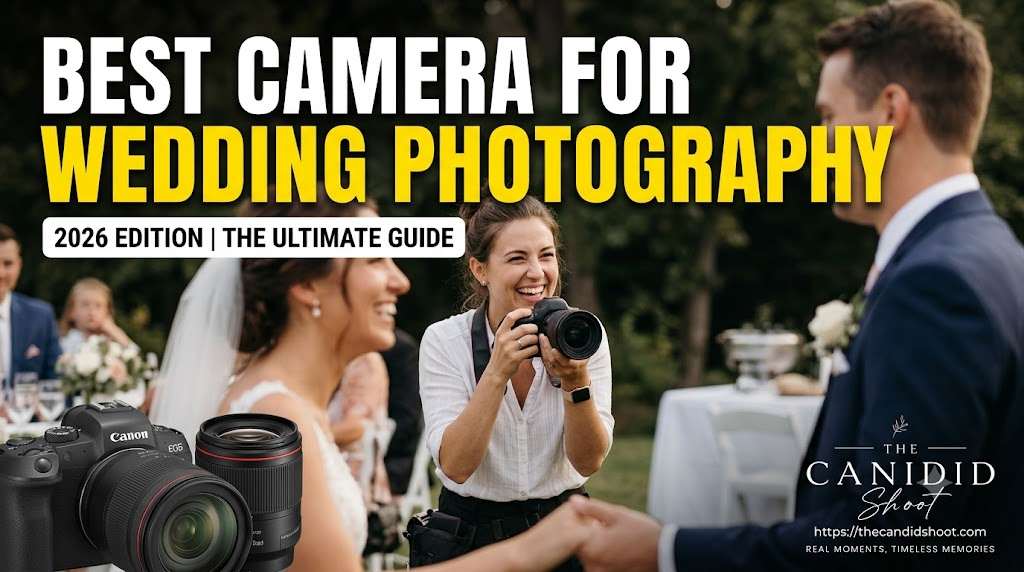
A good wedding camera needs a combination of reliable autofocus, excellent low-light performance, good dynamic range, dependable battery life, dual memory-card slots, image stabilization, and access to high-quality lenses.
In this guide, we’ll look at the 10 best cameras for wedding photography in 2026, explain what makes each one suitable for wedding work, compare their strengths and weaknesses, and help you choose the right option for your budget and photography style.
Whether you’re a professional wedding photographer looking for a dependable primary body, an enthusiast photographing your first wedding, or someone building a complete wedding photography kit, this guide will help you make a more informed decision.
Important: The “best” camera is not necessarily the one with the most megapixels or the highest price. For wedding photography, reliability and autofocus performance can matter far more than specifications on a box.
Build Better Couple Photography Skills
Choosing the right camera is only one part of creating memorable wedding photographs. If you also want to improve your couple portraits, posing, composition, and storytelling techniques, explore our complete Couple Photography guide.
It covers practical techniques and ideas for photographing couples in different situations, making it a useful companion to this wedding camera buying guide.
Read our complete Couple Photography guide →
https://thecandidshoot.com/category/couple-photography/
Explore More Camera & Equipment Guides
If you’re still deciding which camera system, lens, or photography equipment is right for you, visit our Camera & Equipment section for more camera comparisons, buying guides, and equipment-focused articles.
Explore Camera & Equipment →
https://thecandidshoot.com/category/camera-equipment/
Quick Answer: What Is the Best Camera for Wedding Photography in 2026?
For most professional wedding photographers, the Canon EOS R6 Mark III is our top overall choice for wedding photography in 2026.
It combines a 32.5MP full-frame sensor, fast burst shooting, advanced autofocus, strong in-body stabilization, and dual-card recording—features that are particularly important when you’re photographing once-in-a-lifetime moments. Canon lists up to 40 fps continuous shooting, up to 8.5 stops of coordinated IS correction, and dual card slots with CFexpress Type B plus UHS-II SD.
However, it isn’t automatically the best camera for every wedding photographer.
The Sony α7 V is an excellent alternative for photographers who prioritize autofocus, battery life, resolution, and an established Sony lens ecosystem. It has also become one of the strongest-selling full-frame cameras in 2026.
The Nikon Z6III is another outstanding option, particularly for photographers who want a balanced combination of low-light performance, autofocus, stabilization, speed, and professional handling. Nikon gives it a 24.5MP full-frame sensor, dual card slots, 5-axis VR, and subject-tracking capabilities.
Our Top 10 Wedding Cameras for 2026
| Rank | Camera | Best For |
|---|---|---|
| 1 | Canon EOS R6 Mark III | Best overall wedding camera |
| 2 | Sony α7 V | Best Sony wedding camera |
| 3 | Nikon Z6III | Best balanced Nikon option |
| 4 | Canon EOS R5 Mark II | Best high-resolution Canon |
| 5 | Nikon Z8 | Best high-resolution Nikon |
| 6 | Sony α7 IV | Best value professional Sony |
| 7 | Sony α1 II | Best premium Sony |
| 8 | Canon EOS R8 | Best lightweight full-frame Canon |
| 9 | Nikon Z5II | Best value full-frame Nikon |
| 10 | Panasonic Lumix S5II | Best value hybrid wedding camera |
The ranking isn’t based simply on megapixel count.
For wedding photography, autofocus reliability, low-light performance, dual-card safety, battery life, ergonomics, lens availability, stabilization, and real-world reliability can matter more than having the highest resolution.
Why Wedding Photography Requires a Different Camera
A camera that is excellent for landscapes isn’t necessarily the best camera for weddings.
Wedding photography is one of the most demanding genres because the photographer has very little room for error.
You may have to photograph:
- Bride and groom preparations
- First looks
- Wedding ceremonies
- Group portraits
- Couple portraits
- Emotional reactions
- Fast-moving entrances
- Dancing
- Speeches
- Reception details
- Low-light scenes
- Flash photography
- Outdoor portraits
- Indoor ceremonies
And many of these moments happen only once.
You can’t simply ask the couple to repeat their first kiss because the autofocus missed it.
That’s why the best wedding camera needs to be reliable, fast, responsive, and capable in difficult lighting.
What Makes the Best Camera for Wedding Photography?
Before choosing a camera, it is important to understand which specifications actually matter during a wedding.
Fast and Reliable Autofocus
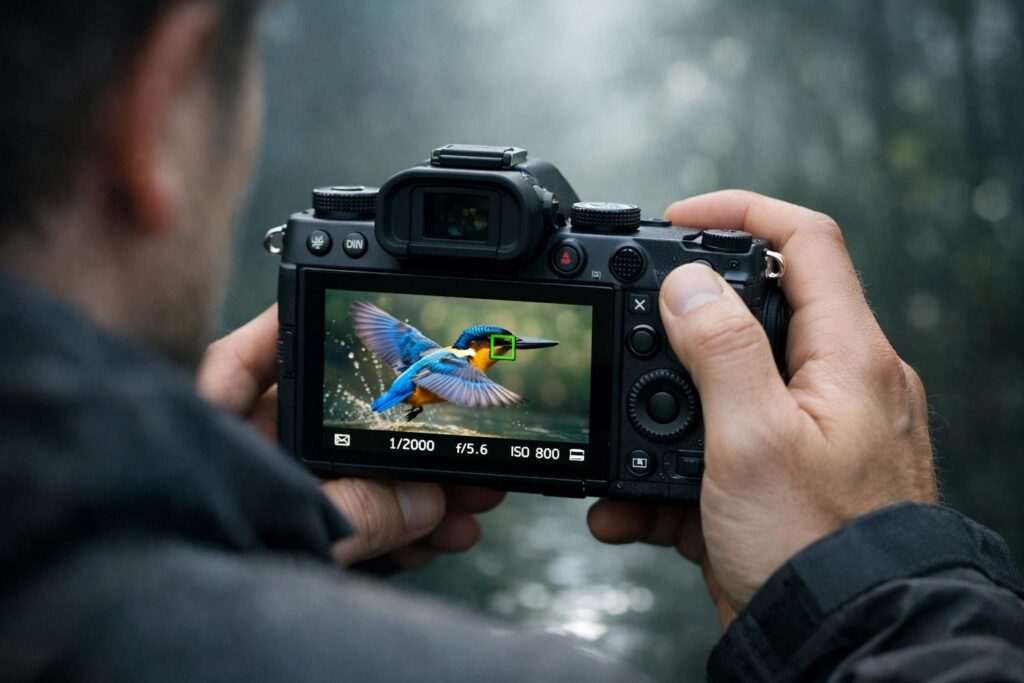
Autofocus is arguably one of the most important features for wedding photographers.
Modern cameras can detect:
- People
- Faces
- Eyes
- Animals
- Vehicles
- Other subjects
But simply having subject detection isn’t enough.
The camera needs to maintain focus while:
- The couple is moving
- Guests cross the frame
- Lighting changes
- The subject turns away
- The photographer shoots through foreground objects
- The bride’s white dress occupies a large part of the frame
A reliable autofocus system can save photographs that would otherwise be missed.
Low-Light Performance
Wedding photographers frequently work in difficult lighting.
Examples include:
- Dark churches
- Reception halls
- Evening ceremonies
- Dance floors
- Candle-lit venues
- Indoor preparations
- Night portraits
A camera with good high-ISO performance allows you to maintain faster shutter speeds without relying entirely on flash.
This is one reason full-frame cameras remain particularly attractive for professional wedding photography.
Dual Card Slots
For professional wedding photography, dual card slots are more than a convenience.
They can provide an additional layer of protection against memory-card failure.
A photographer can configure compatible cameras to record photographs simultaneously to two cards.
For example, the Canon EOS R6 Mark III provides two card slots: one CFexpress Type B and one UHS-II SD slot.
The Nikon Z6III also provides two card slots and allows different recording configurations, including backup storage.
Why This Matters
Imagine photographing:
- The wedding ceremony
- Ring exchange
- First kiss
- Family portraits
and then discovering that your only memory card has failed.
For a professional photographer, that isn’t an acceptable risk.
For professional wedding work, dual-card cameras should be strongly preferred.
Good Battery Life
Wedding days can last many hours.
You may start shooting during preparations and continue until the reception ends.
A camera with poor battery life can become a liability.
Battery performance becomes even more important when using:
- Electronic viewfinders
- Continuous autofocus
- Image stabilization
- High-speed bursts
- Large lenses
- Wireless connectivity
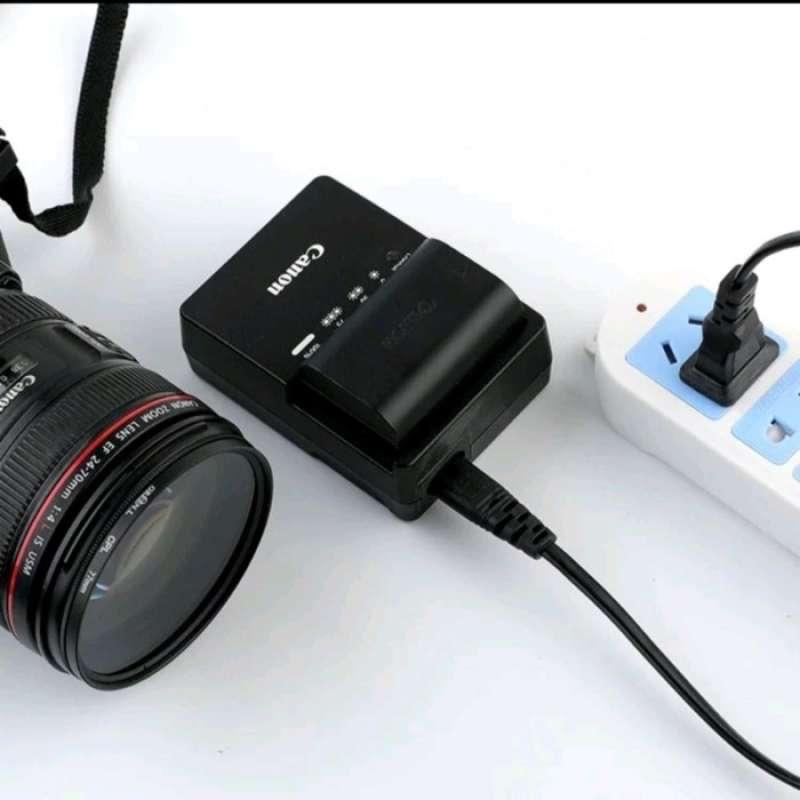
Professional wedding photographers should carry multiple fully charged batteries regardless of the camera they choose.
Image Stabilization
In-body image stabilization can be extremely useful for wedding photography.
It can help when shooting:
- Indoor portraits
- Ceremony details
- Static subjects
- Evening portraits
- Low-light scenes
However, IBIS does not freeze subject movement.
If the bride or groom is moving, you still need an appropriately fast shutter speed.
This distinction is important.
IBIS reduces camera shake. It does not eliminate subject motion blur.
High-Speed Continuous Shooting
Weddings are full of fleeting moments.
A kiss may last less than a second.
A child may suddenly run across the dance floor.
The groom may laugh, turn, or embrace a family member.
High-speed continuous shooting can increase the probability of capturing the perfect expression.
For example, the Canon EOS R6 Mark III can shoot at up to 40 fps for still photographs and includes pre-continuous shooting features.
However, photographers shouldn’t judge cameras purely by maximum frame rate.
A 40 fps camera isn’t automatically better than a 20 fps camera if its autofocus, buffer management, ergonomics, or file workflow isn’t suitable for the photographer.
Resolution: How Many Megapixels Do Wedding Photographers Need?
You don’t necessarily need a 60MP or 100MP camera for wedding photography.
For most wedding photographers, 24–33MP is already enough for professional delivery, albums, prints, and substantial cropping.
Higher resolution becomes useful when:
- You crop heavily
- You create large prints
- You shoot commercial wedding campaigns
- You want additional flexibility during post-processing
- You want to extract smaller images from larger frames
However, higher resolution can also produce larger files and increase storage and processing requirements.
For wedding photography, resolution should therefore be considered alongside:
autofocus + high ISO + dynamic range + storage + workflow.
Full-Frame vs APS-C for Wedding Photography
Full-frame cameras dominate professional wedding photography for good reasons.
Full-Frame Advantages
- Better high-ISO performance in many situations
- Greater control over depth of field
- Excellent lens availability
- Strong dynamic range
- Professional bodies and features
- Better low-light flexibility
APS-C Advantages
- Smaller bodies
- Smaller lenses
- Lower system cost
- Additional effective reach
- Excellent modern autofocus
An APS-C camera can absolutely photograph a wedding professionally.
But if you’re building a long-term professional wedding photography system, full-frame is generally the safer investment.
Mirrorless vs DSLR for Wedding Photography
For a new wedding photographer buying a camera in 2026, mirrorless is generally the better choice.
Modern mirrorless cameras provide advantages such as:
- Advanced subject detection
- Eye autofocus
- Electronic viewfinders
- Real-time exposure preview
- Silent shooting options
- High-speed continuous shooting
- Modern video capabilities
- Extensive lens development
DSLRs can still produce excellent wedding photographs, and photographers who already own a good DSLR system don’t necessarily need to replace everything immediately.
But for a new system purchase, the major manufacturers are clearly focused on mirrorless.
10 Best Cameras for Wedding Photography in 2026
The following cameras represent different levels of the wedding-photography market.
1. Canon EOS R6 Mark III — Best Overall Wedding Camera
The Canon EOS R6 Mark III is our top overall recommendation for wedding photographers in 2026.
It combines the characteristics that matter most during a wedding:
- 32.5MP full-frame sensor
- Up to 40 fps continuous shooting
- Advanced Dual Pixel CMOS AF
- Up to 8.5 stops of in-body stabilization under Canon’s specified conditions
- Dual card slots
- CFexpress Type B + UHS-II SD
- Strong high-ISO capability
- 7K RAW video
- Extensive Canon RF lens compatibility
Canon specifies a normal still-photo ISO range reaching ISO 64,000, expandable to ISO 102,400, while the camera uses a full-frame 32.5MP sensor.
Why It Is Excellent for Weddings
The R6 Mark III doesn’t try to be a specialist camera.
Instead, it provides a strong balance of speed, resolution, autofocus, stabilization, and reliability.
That is exactly what wedding photographers need.
A wedding photographer can use it for:
- Fast candid moments
- Couple portraits
- Ceremony photography
- Reception photography
- Group shots
- Low-light portraits
- Dance-floor action
- Wedding videography
Biggest Strengths
Excellent autofocus
Canon’s Dual Pixel CMOS AF system is designed for subject tracking and fast focusing.
High resolution without going overboard
32.5MP gives photographers useful cropping flexibility without reaching the enormous file sizes associated with ultra-high-resolution bodies.
Dual-card protection
This is particularly important for professional wedding photographers.
Very fast shooting
Up to 40 fps gives photographers plenty of opportunity to capture fleeting expressions.
Strong stabilization
Canon rates the coordinated image stabilization at up to 8.5 stops in the center under specified conditions.
Potential Drawbacks
The CFexpress + SD combination means photographers need to budget for appropriate memory cards.
The camera is also more expensive than entry-level full-frame models.
And while 32.5MP is excellent for weddings, photographers specifically looking for extremely high-resolution commercial work may prefer the Canon R5 Mark II or Nikon Z8.
Who Should Buy the Canon EOS R6 Mark III?
Buy it if you are:
- A professional wedding photographer
- A full-time event photographer
- A photographer upgrading from an older DSLR
- A hybrid photo/video professional
- Someone who prioritizes autofocus and reliability
Who Should Skip It?
Consider another camera if:
- You need extremely high resolution
- You already own a different professional lens system
- You primarily shoot studio work requiring very high megapixel counts
Our Verdict
The Canon EOS R6 Mark III is the best all-round wedding camera in this guide.
It offers the right combination of speed, resolution, autofocus, stabilization, low-light capability, and card redundancy for the unpredictable nature of wedding photography.
2. Sony α7 V — Best Sony Camera for Wedding Photography
The Sony α7 V is one of the most compelling full-frame cameras for wedding photographers in 2026.
It has also become a major success in the current camera market, with recent Japanese retail data placing it at the top of full-frame camera sales following its December 2025 release.
Why Wedding Photographers Should Consider It
Sony has built a strong reputation for autofocus performance, and the α7 V combines that with a modern full-frame platform.
It is particularly attractive for photographers who want:
- Excellent autofocus
- Strong subject recognition
- High image quality
- Good battery performance
- A mature E-mount lens ecosystem
- Professional hybrid photo/video capabilities
Best For
Wedding photographers already invested in Sony E-mount lenses.
Changing camera systems can be extremely expensive.
If you already own quality Sony lenses, the α7 V can make far more financial sense than switching systems simply to obtain another camera body.
3. Nikon Z6III — Best Balanced Nikon Wedding Camera
The Nikon Z6III is one of the strongest balanced cameras for wedding photography.
Its 24.5MP full-frame sensor provides enough resolution for most wedding work, while Nikon gives it dual card slots, 5-axis in-body VR, and sophisticated autofocus capabilities.
Why It Works for Weddings
The Z6III is especially attractive if your priority is balance rather than maximum resolution.
You get:
- Full-frame image quality
- 24.5MP resolution
- Dual-card recording
- Strong stabilization
- Excellent autofocus
- High-speed shooting
- Excellent Nikon Z lenses
- Strong low-light potential
A Major Advantage
Nikon’s Z-mount lens ecosystem gives wedding photographers access to excellent professional lenses, including fast 24-70mm and 70-200mm options.
A recent 2026 lens comparison continues to highlight fast 24-70mm and 70-200mm lenses as particularly useful for weddings and events because of their versatility.
Who Should Buy It?
The Z6III is particularly appealing to:
- Nikon DSLR users moving to mirrorless
- Wedding photographers who don’t need 45MP+
- Low-light photographers
- Event photographers
- Hybrid shooters
Our Verdict
One of the best balanced wedding cameras available in 2026.
It doesn’t try to win the megapixel race.
Instead, it focuses on delivering the combination of performance and practicality that wedding photographers actually need.
4. Canon EOS R5 Mark II — Best High-Resolution Canon for Wedding Photography
The Canon EOS R5 Mark II is one of the best choices for wedding photographers who want significantly more resolution without giving up the speed and autofocus expected from a modern professional mirrorless camera.
Its full-frame stacked 45MP sensor can capture still images at up to 30 fps using the electronic shutter, while Canon also provides dual card slots consisting of CFexpress Type B and UHS-II SD. (usa.canon.com)
Why It Is Excellent for Weddings
Wedding photographers often need to crop photographs after the event.
A candid photograph may have been captured from a distance.
A group photograph may need some cropping.
A portrait may need to be reframed for an album.
The R5 Mark II’s 45MP resolution gives you substantial flexibility for these situations.
At the same time, the stacked sensor provides the speed required for rapidly changing wedding moments.
Key Features
- 45MP full-frame stacked sensor
- Up to 30 fps electronic shooting
- Advanced subject-detection autofocus
- Dual card slots
- CFexpress Type B + UHS-II SD
- 5-axis in-body stabilization
- 8K RAW video
- 4K high-frame-rate video
- Canon RF lens ecosystem
Canon says the R5 Mark II uses a new 45MP stacked, back-illuminated full-frame sensor and can capture 14-bit RAW images at up to 30 fps electronically. (usa.canon.com)
Why Wedding Photographers Will Like It
High-resolution files
45MP gives you considerably more cropping flexibility than 24MP-class cameras.
Fast shooting
30 fps is more than enough for capturing fast-moving wedding moments.
Excellent autofocus
Canon’s Dual Pixel CMOS AF system provides extensive AF coverage and subject tracking.
Dual-card recording
The two-card configuration makes the camera suitable for professional event work where redundancy matters.
Potential Drawbacks
The biggest disadvantage is file size.
A 45MP RAW file takes considerably more storage than a 24MP file.
That means wedding photographers using the R5 Mark II should budget for:
- Larger memory cards
- Faster storage
- More backup space
- More computer processing power
It can also be more camera than a photographer actually needs.
If you primarily deliver online galleries and standard-size wedding albums, 45MP isn’t essential.
Who Should Buy the Canon EOS R5 Mark II?
It is an excellent choice for:
- High-end wedding photographers
- Destination wedding photographers
- Commercial wedding photographers
- Photographers who crop heavily
- Hybrid photo/video professionals
- Photographers who also shoot commercial or editorial work
Who Should Skip It?
Consider the R6 Mark III instead if you:
- Don’t need 45MP
- Process thousands of wedding photographs regularly
- Want smaller RAW files
- Prefer a more balanced price-to-performance ratio
Our Verdict
The Canon EOS R5 Mark II is the best high-resolution Canon in this guide.
For photographers who want maximum cropping flexibility while maintaining professional speed and autofocus, it is an exceptional wedding camera.
For most wedding photographers, however, the R6 Mark III remains the more balanced purchase.
5. Nikon Z8 — Best High-Resolution Nikon for Weddings
The Nikon Z8 is one of the most capable high-resolution mirrorless cameras available to wedding photographers.
It combines a 45.7MP full-frame sensor with advanced subject detection, 3D tracking, dual card slots, and a relatively compact body compared with Nikon’s flagship Z9. Nikon lists 45.7 million effective pixels, 9 subject-detection types, and 3D tracking among its core features. (imaging.nikon.com)
Why It Works for Weddings
The Z8 is particularly appealing to photographers who want one camera capable of handling almost anything.
A wedding photographer can use it for:
- Preparations
- Documentary photography
- Group portraits
- Couple portraits
- Reception photography
- Low-light work
- Fast candid moments
- Commercial wedding imagery
- High-resolution album photographs
Key Features
- 45.7MP full-frame sensor
- EXPEED 7 processor
- Advanced subject detection
- 3D tracking
- Pre-release capture
- Up to 120 fps in specialized shooting modes
- CFexpress/XQD + UHS-II SD card slots
- 5-axis VR
- 8K video
- 4K/120p video
Nikon specifically states that either card can be configured for overflow or backup storage, making the dual-card design particularly relevant to professional event photographers. (imaging.nikon.com)
High Resolution Without a Flagship Body
One of the biggest reasons to consider the Z8 is that it provides flagship-level imaging capabilities in a smaller body.
For wedding photographers who don’t want to carry a large professional flagship camera all day, that can be a major advantage.
Potential Drawbacks
The 45.7MP files can consume significant storage.
Battery life also deserves consideration when compared with lower-resolution cameras designed around more modest processing demands.
The Z8 is also a serious professional camera.
If you’re just starting wedding photography, you may get better value from a Z6III or another lower-cost full-frame body and invest the difference in lenses and lighting.
Who Should Buy the Nikon Z8?
The Z8 is particularly suitable for:
- Professional wedding photographers
- Nikon DSLR users moving to Z mount
- High-resolution wedding photographers
- Destination wedding photographers
- Photographers who also shoot portraits and commercial work
Who Should Skip It?
Choose the Z6III instead if:
- 45.7MP isn’t necessary
- You want smaller files
- Your workflow involves very large wedding galleries
- You want to spend more of your budget on lenses
Our Verdict
The Nikon Z8 is one of the best high-resolution wedding cameras available.
Its combination of resolution, autofocus, tracking, speed, and professional handling makes it an excellent choice for photographers who want one body capable of handling weddings and demanding portrait or commercial assignments.
6. Sony α7 IV — Best Value Professional Sony for Wedding Photography
The Sony α7 IV remains an extremely compelling option for wedding photographers who want a professional full-frame camera without moving into the highest-priced flagship category.
Its 33MP full-frame sensor provides a useful middle ground between 24MP cameras and 45–50MP high-resolution bodies.
That makes it particularly attractive for wedding photographers who want additional cropping flexibility without generating extremely large files.
Why It Is Still Relevant in 2026
Newer cameras have arrived since the α7 IV launched, but that doesn’t automatically make it a poor purchase.
In fact, previous-generation professional cameras can become especially attractive when their prices fall.
For wedding photographers, the α7 IV still provides the fundamental capabilities that matter:
- Full-frame image quality
- 33MP resolution
- Advanced subject recognition
- Eye autofocus
- Dual card slots
- Strong battery performance
- Excellent Sony E-mount lens compatibility
- Strong video capabilities
Why Wedding Photographers Like Sony
Sony’s biggest advantage is the enormous E-mount ecosystem.
A wedding photographer can build a system around lenses such as:
- 24-70mm f/2.8
- 70-200mm f/2.8
- 35mm f/1.4
- 50mm f/1.2
- 85mm f/1.4
- 135mm f/1.8
This makes it possible to create a complete wedding system without replacing the camera body every time a new model arrives.
33MP Is a Sweet Spot
The α7 IV’s resolution is particularly practical for wedding photography.
It provides more cropping flexibility than a traditional 24MP body while avoiding some of the storage demands of 45MP+ cameras.
For photographers delivering hundreds or thousands of images per wedding, that balance can matter.
Dual Card Slots
Professional wedding photographers should strongly prefer a camera with redundant recording options.
The α7 IV has two card slots, with the second slot supporting SD media, while the first supports SD and CFexpress Type A media.
This gives photographers flexible options for backup and workflow configuration.
Potential Drawbacks
The biggest issue is simply its age relative to newer Sony bodies.
Newer cameras offer:
- More sophisticated autofocus
- Faster processing
- Newer AI-assisted recognition
- Improved readout
- Additional video capabilities
If the price difference between the α7 IV and a newer Sony body is relatively small, the newer model may make more sense.
But if you find the α7 IV at a substantially lower price, it can still be an excellent professional wedding camera.
Who Should Buy the Sony α7 IV?
It’s a strong choice for:
- Wedding photographers on a budget
- Sony users upgrading from older bodies
- Photographers building their first professional Sony system
- Hybrid shooters
- Photographers who want 33MP without moving to 50MP
Who Should Skip It?
Consider a newer Sony body if:
- Autofocus performance is your absolute priority
- You want the newest subject-recognition technology
- You shoot extremely demanding action
- The price difference is small
Our Verdict
The Sony α7 IV is one of the best value-oriented professional full-frame cameras for wedding photography.
It doesn’t have the newest technology in the Sony lineup, but its 33MP sensor, strong autofocus, dual-card design, and excellent lens ecosystem make it a very capable wedding camera.
For photographers who find it at an attractive price, it can be a smarter investment than spending substantially more for features they may never use.
7. Sony α1 II — Best Premium Sony for Wedding Photography
The Sony α1 II is designed for photographers who want flagship-level performance without compromising on resolution.
Its 50.1MP full-frame stacked sensor combines high resolution with extremely fast readout and professional autofocus capabilities. Sony lists dual CFexpress Type A/SD-compatible slots and a sophisticated subject-recognition system that includes human detection along with several other subject categories. (sony.com)
Why It Is a Premium Wedding Camera
Wedding photographers rarely need a 50MP flagship camera simply to photograph a wedding.
But professionals who also photograph:
- Luxury weddings
- Editorial portraits
- Commercial campaigns
- Fashion
- High-end destination weddings
may appreciate having that additional resolution.
Key Features
- 50.1MP full-frame stacked sensor
- Extremely fast readout
- Advanced subject recognition
- Dual card slots
- CFexpress Type A / SD support
- Professional Sony E-mount ecosystem
- High-speed continuous shooting
- Advanced image stabilization
- Extensive hybrid video capabilities
Why It Stands Out
The α1 II attempts to combine two characteristics that historically required different camera bodies:
High resolution
and
high-speed performance.
That’s useful for wedding photographers because the same camera can handle detailed portraits and rapidly changing candid moments.
Potential Drawbacks
The biggest drawback is straightforward:
Price.
For many wedding photographers, the α1 II is unnecessary.
A less expensive camera can produce photographs that are just as impressive when paired with excellent lenses and good lighting.
The 50MP files also require more storage and processing power.
Who Should Buy the Sony α1 II?
Consider it if you’re:
- A high-end professional wedding photographer
- A luxury wedding photographer
- A commercial photographer
- A photographer who needs one flagship body for multiple genres
- A Sony professional already invested in premium E-mount lenses
Who Should Skip It?
Skip it if:
- You’re just starting wedding photography
- Your budget is limited
- You primarily deliver web-sized images
- You don’t need 50MP resolution
- You’re better served investing in lenses, lighting, and backup equipment
Our Verdict
The Sony α1 II is the premium Sony choice in this list.
It’s an extraordinary camera, but its value depends heavily on whether your photography actually requires flagship-level resolution and performance.
For most wedding photographers, the Sony α7 V or α7 IV represents a more sensible balance.
For photographers working at the highest professional level, however, the α1 II provides an exceptional combination of resolution, speed, autofocus, and system flexibility.
8. Canon EOS R8 — Best Lightweight Full-Frame Camera for Wedding Photography
The Canon EOS R8 is an interesting choice for wedding photographers who want full-frame image quality without carrying a heavier professional body throughout a long wedding day.
It is considerably more compact than Canon’s higher-end R-series bodies, making it particularly appealing for photographers who prioritize portability.
Why the Canon EOS R8 Works for Weddings
Wedding photography can involve 8–12 hours of continuous movement.
You may spend the day:
- Walking between locations
- Photographing preparations
- Moving around during ceremonies
- Shooting candid moments
- Carrying multiple lenses
- Working through crowded receptions
In that environment, a lightweight camera can become a genuine advantage.
The R8 gives photographers access to Canon’s full-frame RF system in a relatively small package.
What Makes It Attractive
The camera provides:
- 24.2MP full-frame imaging
- Canon’s Dual Pixel CMOS autofocus
- Human and animal subject detection
- High-speed continuous shooting
- 4K video capabilities
- Canon RF lens compatibility
- Compact body design
The 24.2MP resolution is also more than sufficient for most wedding albums, online galleries, prints, and social-media delivery.
The Major Compromise: No Dual Card Slots
This is the most important limitation for professional wedding photographers.
The EOS R8 has a single SD card slot.
That means you cannot create an in-camera duplicate recording of every photograph.
For casual portrait work this may not matter.
For a once-in-a-lifetime wedding, it can.
A professional wedding photographer should therefore think carefully before choosing a single-slot camera as their primary body.
Battery and Professional Workflow
The smaller body also means compromises compared with Canon’s larger professional cameras.
If you use the R8 professionally, carrying spare batteries and having a carefully planned backup workflow becomes particularly important.
Who Should Buy the Canon EOS R8?
The R8 makes sense for:
- Wedding photographers who prioritize lightweight equipment
- Beginners moving into full-frame photography
- Second-camera use
- Destination photographers
- Photographers on a tighter budget
- Photographers who already own compatible Canon RF lenses
Who Should Avoid It?
Think twice if:
- It will be your only professional wedding camera
- You require dual-card redundancy
- You shoot extremely long wedding assignments
- You regularly work in demanding professional environments
Our Verdict
The Canon EOS R8 is an excellent lightweight full-frame camera, but it isn’t our first choice as a primary professional wedding body.
Its biggest weakness isn’t image quality.
It’s redundancy.
For wedding photographers, that distinction is extremely important.
As a lightweight backup or second body, however, the R8 can be an excellent option.
9. Nikon Z5II — Best Affordable Full-Frame Nikon for Wedding Photography
The Nikon Z5II is aimed at photographers who want modern full-frame capabilities without moving into the price range of Nikon’s higher-end professional bodies.
For wedding photography, it offers a compelling combination of image quality, autofocus, stabilization, and overall value.
Why It Makes Sense for Wedding Photographers
Not every photographer needs a 45MP professional body.
In fact, a large percentage of wedding photography can be handled extremely well by a modern 24MP-class full-frame camera.
Wedding photography is often more dependent on:
- Lens quality
- Autofocus reliability
- Low-light performance
- Lighting
- Composition
- Timing
- Photographer skill
than on extremely high pixel counts.
The Z5II therefore takes a sensible approach.
Key Features
The Z5II offers:
- 24.5MP full-frame sensor
- EXPEED 7 processing
- Advanced subject detection
- 3D tracking
- 5-axis in-body vibration reduction
- Dual card slots
- Nikon Z-mount compatibility
- 4K video
- Fully articulating display
Dual Card Slots Matter
One of the strongest reasons to consider the Z5II for wedding photography is its dual-card design.
Professional photographers can configure their workflow around redundant storage rather than relying on a single memory card.
That’s an important advantage over entry-level full-frame cameras with only one slot.
24.5MP Is Enough
Don’t assume that a 24MP camera is automatically inferior to a 45MP or 50MP camera.
For wedding photography, 24MP is enough for:
- Large prints
- Wedding albums
- Social media
- Online galleries
- Client deliveries
- Standard commercial work
The advantage is that the files are generally easier to store, back up, transfer, and process.
Where the Z5II Fits Best
The Z5II is particularly attractive for photographers building a Nikon system on a sensible budget.
Instead of putting the majority of your budget into the camera body, you can potentially allocate more money toward a fast 24-70mm or 70-200mm lens.
That can have a bigger impact on the final photographs.
Potential Drawbacks
The Z5II isn’t designed to compete directly with Nikon’s Z8 in every area.
Photographers who need:
- Extremely high resolution
- Maximum burst performance
- The most demanding professional video features
- Extensive cropping flexibility
should look higher in Nikon’s lineup.
Who Should Buy the Nikon Z5II?
It is well suited to:
- Wedding photographers starting a Nikon system
- Budget-conscious professionals
- Enthusiasts moving to full frame
- Second-camera use
- Photographers who value dual-card redundancy
Who Should Skip It?
Consider the Z6III or Z8 if:
- You photograph extremely fast action
- You need higher burst performance
- You want more advanced video capabilities
- You need substantially more resolution
Our Verdict
The Nikon Z5II is one of the smartest value-oriented choices in this guide.
It focuses on the features wedding photographers actually use rather than simply maximizing specifications.
For someone building a professional Nikon wedding kit without an unlimited budget, it’s a camera worth serious consideration.
10. Panasonic Lumix S5II — Best Value Hybrid Camera for Wedding Photography
The Panasonic Lumix S5II is perhaps the most unconventional camera in this list.
It isn’t necessarily the first camera that comes to mind when photographers think about wedding photography.
But for photographers who shoot both photographs and video, it deserves attention.
The S5II combines a 24.2MP full-frame sensor with Panasonic’s Phase Hybrid autofocus system and a strong set of video capabilities.
Why Hybrid Wedding Photographers Should Consider It
Modern wedding photography increasingly overlaps with video.
A wedding professional may be expected to produce:
- Still photographs
- Short-form videos
- Reels
- Ceremony footage
- Behind-the-scenes clips
- Social-media content
That makes a strong hybrid camera increasingly useful.
Key Features
The S5II provides:
- 24.2MP full-frame sensor
- Phase Hybrid AF
- 5-axis image stabilization
- Dual card slots
- 6K video
- 4K video options
- Active image stabilization
- Panasonic L-Mount compatibility
A Strong Video Camera
Video is where the S5II becomes particularly interesting.
Its video capabilities can make it an attractive option for photographers who want to add video services without purchasing an entirely separate camera system.
Dual Card Slots
Like the other serious wedding cameras in this guide, the S5II has two memory-card slots.
That makes it much more suitable for professional event photography than many entry-level bodies.
The L-Mount Ecosystem
The camera uses the L-Mount system, shared by Panasonic, Leica, and Sigma.
That gives photographers access to a wide selection of lenses across different manufacturers.
For a photographer building a system from scratch, this can be valuable.
Potential Drawbacks
The S5II doesn’t have the same market presence among professional wedding photographers as Canon, Sony, or Nikon.
That means photographers may find fewer peers using the system and potentially fewer rental options depending on location.
Its autofocus is also an important consideration if your entire business depends on tracking rapidly moving subjects in unpredictable conditions.
Who Should Buy the Panasonic S5II?
It is particularly suitable for:
- Hybrid wedding photographers
- Wedding photographers who also produce video
- Content creators
- Photographers building an affordable full-frame system
- Professionals who value video features
Who Should Skip It?
Consider Canon, Sony, or Nikon instead if:
- Photography is your only priority
- You need the strongest possible subject-tracking ecosystem
- You already own a large collection of another brand’s lenses
- Local rental availability is important to your workflow
Our Verdict
The Panasonic Lumix S5II is the best hybrid-focused value option in this list.
It isn’t the obvious choice for every wedding photographer, but for someone who wants one affordable full-frame system capable of producing both stills and serious video, it is a compelling option.
The 10 Best Cameras for Wedding Photography — Final Ranking
After considering image quality, autofocus, speed, low-light performance, reliability, card redundancy, lens ecosystems, and overall value, here’s how the cameras compare:
| Rank | Camera | Best For |
|---|---|---|
| 1 | Canon EOS R6 Mark III | Best overall |
| 2 | Sony α7 V | Best Sony all-rounder |
| 3 | Nikon Z6III | Best balanced Nikon |
| 4 | Canon EOS R5 Mark II | Best high-resolution Canon |
| 5 | Nikon Z8 | Best high-resolution Nikon |
| 6 | Sony α7 IV | Best value Sony |
| 7 | Sony α1 II | Best premium Sony |
| 8 | Canon EOS R8 | Best lightweight full-frame |
| 9 | Nikon Z5II | Best affordable Nikon |
| 10 | Panasonic Lumix S5II | Best hybrid value |
Best Camera for Different Wedding Photography Scenarios
There isn’t one universally perfect wedding camera.
The right choice depends heavily on your shooting style and budget.
Best Overall: Canon EOS R6 Mark III
If you want one camera that balances speed, autofocus, resolution, low-light performance, stabilization, and professional reliability, the R6 Mark III is our overall pick.
Best Sony: Sony α7 V
The α7 V is the strongest choice for photographers who want Sony’s latest-generation full-frame technology and access to the extensive E-mount lens ecosystem.
Best Nikon: Nikon Z6III
The Z6III offers an excellent balance between resolution, autofocus, speed, and handling.
Best for High Resolution: Canon EOS R5 Mark II or Nikon Z8
Choose one of these if cropping flexibility and detailed large files are important to your workflow.
Best for Luxury Wedding Photography: Sony α1 II
For photographers who need flagship-level speed and resolution, the α1 II is the premium option.
Best Budget-Friendly Professional Option: Nikon Z5II
If you’re building a professional system without wanting to spend flagship-level money, the Z5II deserves serious consideration.
Best Lightweight Option: Canon EOS R8
If minimizing weight is your highest priority, the R8 is attractive—but remember its single-card limitation.
Best Hybrid Option: Panasonic Lumix S5II
If your wedding business includes both photography and video, the S5II offers an unusually strong value proposition.
What Matters More Than Megapixels in Wedding Photography?
It’s easy to become obsessed with resolution when comparing cameras.
But megapixels aren’t everything.
For wedding photography, I’d prioritize the following:
1. Autofocus Reliability
A slightly lower-resolution photograph that is perfectly focused is usually much more valuable than a 50MP photograph where the subject’s eyes are soft.
2. Low-Light Performance
Wedding receptions can become extremely dark.
A good camera should maintain usable autofocus and image quality when ambient light disappears.
3. Dual Card Slots
For professional wedding photographers, this is one of the most important features.
A memory-card failure can potentially mean losing irreplaceable photographs.
4. Lens Selection
A fantastic camera with mediocre lenses isn’t necessarily better than a good camera paired with excellent glass.
5. Battery Life
A wedding day can last many hours.
You don’t want your camera becoming unusable at the most important moment.
6. Ergonomics
You may hold the camera for thousands of photographs.
A camera that feels comfortable in your hands can make a meaningful difference.
7. Stabilization
In-body image stabilization can be extremely useful when shooting handheld in dim venues.
8. Weather Resistance
Wedding photographers regularly work outdoors.
Rain, dust, humidity, and unpredictable weather are realities of the job.
9. File Size
More resolution means larger files.
If you photograph 3,000–5,000 frames at a wedding, the difference between 24MP and 50MP becomes significant for storage and editing.
10. Backup Strategy
The camera is only one part of your data-safety system.
A professional wedding photographer should also consider:
- Multiple memory cards
- Laptop or portable backup
- External SSD
- Cloud backup
- Separate physical backup
The best camera in the world cannot recover a photograph that was never backed up.
7. How to Choose the Best Camera for Wedding Photography
Choosing the best camera for wedding photography is not simply about buying the camera with the highest megapixel count or the newest processor. Wedding photography is one of the most demanding genres because you need to handle constantly changing light, fast-moving subjects, emotional moments, crowded environments, and long shooting sessions.
The right camera should give you a combination of excellent autofocus, strong low-light performance, reliable image quality, good battery life, dual-card storage, and comfortable handling.
Here are the most important factors to consider before buying a wedding photography camera.
7.1 Autofocus Performance
Autofocus is arguably one of the most important features for wedding photographers.
Wedding moments happen quickly. A bride walking down the aisle, a groom turning toward the bride, a first kiss, a child’s reaction, or a couple’s first dance can happen in a fraction of a second.
Modern mirrorless cameras have made autofocus significantly more reliable through subject detection and AI-powered tracking.
Look for a camera that offers:
- Reliable eye and face detection
- Human subject recognition
- Fast subject tracking
- Accurate autofocus in low light
- Reliable continuous autofocus
- Good tracking when subjects move toward or away from the camera
For wedding photography, autofocus reliability is usually more valuable than having an extremely high burst rate that you rarely use.
7.2 Low-Light Performance
Wedding photographers frequently work in difficult lighting.
Church interiors, reception halls, evening ceremonies, dance floors, and outdoor receptions can all require shooting at high ISO settings.
A camera with strong high-ISO performance allows you to capture usable images without excessively slowing your shutter speed.
Full-frame cameras generally have an advantage here because their larger sensors can provide excellent image quality at higher ISO settings.
However, sensor performance is only part of the equation. Your lens choice also has a major impact.
A fast lens such as an f/1.4, f/1.8, or f/2.8 zoom can make a significant difference when shooting weddings in challenging light.
7.3 Dual Memory Card Slots
Dual card slots should be considered an important feature for professional wedding photographers.
A wedding cannot simply be recreated if a memory card fails.
Many professional cameras allow you to configure the second card as a backup, meaning photographs are simultaneously written to both cards.
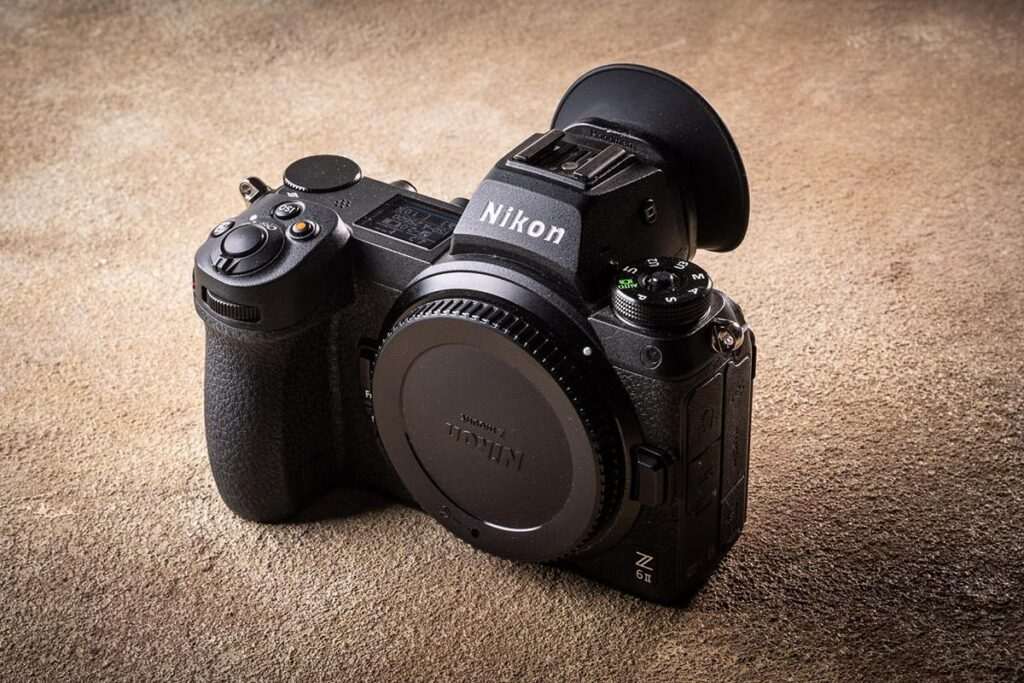
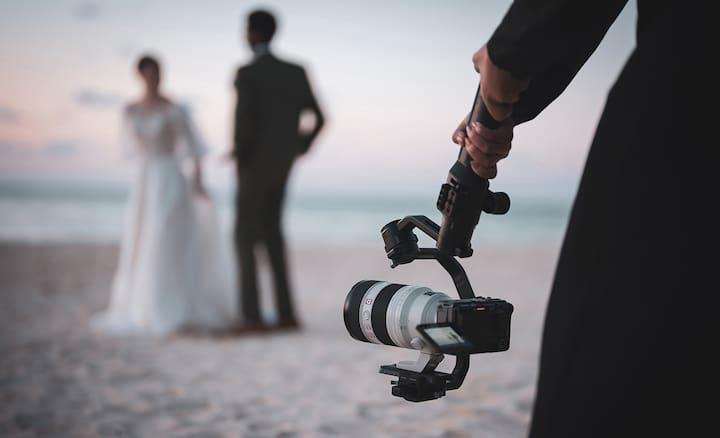
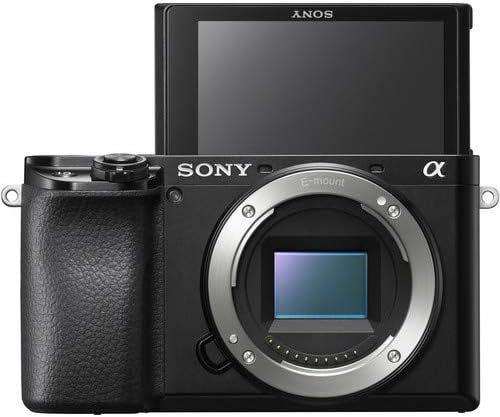

This provides an additional layer of protection against:
- Memory card failure
- Corrupted files
- Accidental card damage
- Data loss
If wedding photography is your primary source of income, dual-card recording is strongly recommended.
7.4 Battery Life
Wedding photography often means shooting for several hours without access to a convenient charging point.
You may photograph:
- Bridal preparation
- Groom preparation
- Wedding ceremony
- Family portraits
- Couple portraits
- Reception
- First dance
- Speeches
- Evening celebrations
A camera with good battery endurance can reduce interruptions during the day.
Even with an excellent battery, professional photographers should carry multiple fully charged spare batteries.
7.5 Sensor Resolution
Higher resolution can be useful for wedding photographers because it gives you more flexibility when cropping images.
For example, a high-resolution photograph may allow you to crop into a distant subject while still retaining enough detail for an album or print.
However, more megapixels do not automatically mean a better wedding camera.
A 24-megapixel camera can be more than sufficient for professional wedding photography.
The priority should be:
Autofocus + dynamic range + low-light performance + reliability + lens selection
rather than megapixel count alone.
7.6 Image Stabilization
In-body image stabilization, commonly called IBIS, can be extremely useful during weddings.
IBIS helps reduce camera shake when shooting handheld at slower shutter speeds.
This can be particularly useful for:
- Interior venue photographs
- Environmental portraits
- Static subjects
- Creative evening photographs
- Detail shots
However, image stabilization does not freeze subject movement.
If the bride or groom is moving quickly, you still need an appropriate shutter speed.
7.7 Weather Sealing and Durability
Wedding photographers often work in unpredictable environments.
You may photograph an outdoor ceremony under cloudy skies, move between indoor and outdoor locations, or work in dusty and humid environments.
A professionally built, weather-resistant camera can provide additional peace of mind.
Weather sealing does not mean a camera is waterproof. You should still protect your equipment from heavy rain and extreme conditions.
7.8 Ergonomics and Handling
Wedding photography can involve thousands of photographs during a single event.
A camera that feels uncomfortable after several hours can become a serious problem.
Consider:
- Grip size
- Button placement
- Weight
- Viewfinder comfort
- Screen articulation
- Control dials
- Custom buttons
- Menu system
The best camera is ultimately one that allows you to change important settings quickly without taking your eye away from the moment.
8. Best Camera Type for Different Wedding Photographers
There isn’t one camera that is perfect for every wedding photographer.
Your ideal camera depends on your budget, experience, shooting style, and whether you photograph weddings professionally or occasionally.
8.1 Best for Professional Wedding Photographers
Professional wedding photographers should prioritize reliability above everything else.
A professional setup should ideally include:
- Full-frame sensor
- Excellent autofocus
- Dual card slots
- Strong high-ISO performance
- Reliable battery life
- Weather resistance
- Excellent lens availability
The camera should be capable of performing consistently throughout an entire wedding day.
8.2 Best for Wedding Photography Beginners
Beginners don’t necessarily need the most expensive professional camera.
A modern APS-C or entry-level full-frame mirrorless camera can produce excellent wedding photographs when paired with a good lens.
Instead of spending your entire budget on the camera body, beginners should consider investing in a balanced system that includes:
- Camera body
- Fast standard zoom
- Portrait lens
- Spare batteries
- Memory cards
- Flash or other lighting equipment
This approach often produces better results than purchasing an expensive camera and using a poor-quality lens.
8.3 Best for Wedding Photographers on a Budget
If your budget is limited, look beyond flagship cameras.
Previous-generation mirrorless cameras can offer excellent image quality and autofocus at significantly lower prices than the newest models.
A good older full-frame camera paired with quality lenses can outperform a newer camera paired with inexpensive lenses in many real-world wedding situations.
This is one reason photographers should evaluate the entire camera system, rather than focusing only on the latest camera body.
8.4 Best for Destination Wedding Photographers
Destination wedding photographers have different priorities.
Weight and portability become more important when you’re traveling with multiple camera bodies and lenses.
A compact full-frame or APS-C mirrorless system can reduce the amount of equipment you need to carry while still providing professional-quality results.
Good battery life and dependable weather resistance are also particularly valuable when working in unfamiliar locations.
9. Camera and Lens Combination for Wedding Photography
The camera body is only one part of a wedding photography setup.
Your lenses can have an even greater impact on the photographs you produce.
A versatile wedding photography kit often includes three core focal-length ranges.
9.1 24-70mm f/2.8
A 24-70mm f/2.8 zoom is one of the most versatile lenses for wedding photographers.
It can be used for:
- Couple portraits
- Family photographs
- Ceremony coverage
- Reception photography
- Group photographs
- Documentary-style images
Its constant f/2.8 aperture provides a useful balance between low-light capability and versatility.
9.2 70-200mm f/2.8
A 70-200mm f/2.8 is another popular professional wedding lens.
It allows photographers to work from a distance without disturbing emotional moments.
It is particularly useful for:
- Ceremony photographs
- Candid moments
- Speeches
- First dance
- Emotional reactions
- Close-up portraits
The compression produced by longer focal lengths can also create attractive portrait backgrounds.
9.3 35mm or 50mm Prime
A fast 35mm or 50mm prime lens can be excellent for storytelling.
These lenses are particularly useful for:
- Bridal preparation
- Groom preparation
- Environmental portraits
- Reception moments
- Low-light photography
- Creative documentary images
A fast prime can also provide a shallow depth of field and beautiful background separation.
10. Do You Need Two Cameras for Wedding Photography?
For professional wedding photographers, carrying two camera bodies is highly recommended.
A two-camera setup provides both redundancy and flexibility.
For example, you could have:
Camera 1: 24-70mm f/2.8
Camera 2: 70-200mm f/2.8
This allows you to switch between wide and telephoto perspectives without constantly changing lenses.
More importantly, if one camera develops a problem during the wedding, you still have another working body.
For professional wedding photography, redundancy is not excessive—it is part of being prepared for situations that cannot be repeated.
11. Final Verdict: Which Camera Should You Buy?
The best camera for wedding photography in 2026 depends on what you value most.
If your priority is professional reliability, choose a camera with excellent autofocus, dual card slots, strong low-light performance, and dependable build quality.
If you want high resolution for cropping and large prints, a high-megapixel full-frame camera may be the better choice.
If you want excellent value, a previous-generation professional mirrorless camera can still be an outstanding option.
And if you’re a beginner, don’t feel pressured to purchase the most expensive camera available. A capable camera paired with good lenses, lighting, and strong photography skills can produce exceptional wedding photographs.
The most important thing is not simply the camera you buy.
It is how confidently you can use it when the most important moments of the wedding happen.
Quick Recommendation
Best overall: Look for a well-rounded full-frame mirrorless camera with excellent autofocus and dual card slots.
Best for professionals: Prioritize reliability, autofocus, weather resistance, battery life, and backup storage.
Best for beginners: Choose a capable mirrorless body and invest the remaining budget in quality lenses.
Best for high-resolution work: Choose a high-megapixel full-frame model when cropping and large prints are important.
Best budget strategy: Consider a previous-generation professional camera instead of automatically buying the newest model.
A great wedding camera should disappear into the background and let you concentrate on the people, emotions, and moments happening in front of you.
12. Frequently Asked Questions About Wedding Photography Cameras
What is the best camera for wedding photography in 2026?
The best wedding photography camera depends on your budget and shooting requirements. In general, a full-frame mirrorless camera with reliable autofocus, strong low-light performance, dual card slots, image stabilization, and good battery life is an excellent choice for professional wedding photography.
Is full-frame better than APS-C for wedding photography?
Full-frame cameras generally provide advantages in low-light performance, depth-of-field control, and overall image quality. However, modern APS-C cameras can also produce excellent wedding photographs and can be a great option for beginners and photographers who prioritize a smaller, lighter setup.
How many megapixels do I need for wedding photography?
You do not need an extremely high megapixel count for professional wedding photography. Around 24 megapixels is already sufficient for most wedding photographs, albums, and prints. Higher-resolution cameras can be useful when you frequently crop photographs or produce very large prints.
Are two camera bodies necessary for wedding photography?
For professional wedding photographers, two camera bodies are strongly recommended. A second body provides backup if the primary camera fails and also allows you to use two different lenses without constantly changing lenses during important moments.
What lens should I use for wedding photography?
A 24-70mm f/2.8 is one of the most versatile wedding photography lenses. A 70-200mm f/2.8 is excellent for ceremonies, candid moments, speeches, and portraits. Many photographers also add a fast 35mm or 50mm prime for low-light and documentary-style photography.
Is autofocus more important than megapixels for wedding photography?
For most wedding photographers, yes. A reliable autofocus system can help you capture fleeting moments accurately, while extremely high resolution is less useful if the photograph is out of focus.
Do wedding photographers need dual card slots?
Professional wedding photographers should strongly consider cameras with dual card slots. Recording photographs to two cards simultaneously can provide valuable protection against memory-card failure and data loss.
What ISO should I use for wedding photography?
There is no single ISO setting that works for every wedding. ISO should be adjusted according to the available light, aperture, and shutter speed. Modern cameras can produce very good results at high ISO settings, allowing photographers to work in dim reception halls and indoor venues.
Is image stabilization important for wedding photography?
Yes. Image stabilization can make handheld shooting easier in low-light situations, particularly when photographing relatively static subjects. However, stabilization cannot freeze subject movement, so an appropriately fast shutter speed is still necessary for moving people.
Can a beginner use a professional wedding camera?
Absolutely. A beginner can use a professional camera, but buying an expensive body does not automatically make someone a better photographer. Learning exposure, autofocus modes, composition, lighting, and posing is more important than simply owning high-end equipment.
13. Quick Answer: Best Camera for Wedding Photography
If you want the short version, choose a full-frame mirrorless camera with excellent autofocus, strong high-ISO performance, dual card slots, image stabilization, and dependable battery life.
For professionals, reliability should come before megapixel count.
For beginners, it is usually better to buy a capable camera and spend part of the budget on good lenses rather than putting the entire budget into the camera body.
For wedding photographers who frequently travel, a compact and lightweight camera system may be more practical than a large professional setup.
What Matters Most in a Wedding Camera?
Experience: Wedding photography requires photographers to react quickly to unpredictable moments, changing lighting conditions, and constantly moving subjects.
Expertise: Important camera features include autofocus reliability, high-ISO performance, dynamic range, dual-card recording, stabilization, battery life, and lens compatibility.
Authoritativeness: Camera specifications should be evaluated in the context of real wedding photography rather than simply comparing megapixel counts or marketing features.
Trustworthiness: A camera should be selected according to the photographer’s actual workflow, budget, lens ecosystem, and need for reliability.
The Candid Shoot Recommendation: For professional wedding work, prioritize a dependable camera body and quality lenses over chasing the highest megapixel count or newest feature.
15. Related Articles
If you’re building a complete wedding photography setup, these guides can help you make better equipment decisions:
- Sony A6700 vs Canon R7: Which camera is better for photographers?
- Sony A6700 vs Fujifilm X-T5: A detailed comparison for photographers.
- Best AI Photography Tools: Explore how AI can improve editing and photography workflows.
- Photography Tutorials: Learn techniques for improving your photography skills.
16. Recommended Camera Buying Strategy
Before purchasing your wedding photography camera, use this simple checklist:
Step 1: Decide your total photography equipment budget.
Step 2: Choose between full-frame and APS-C based on your shooting style.
Step 3: Prioritize autofocus and low-light performance.
Step 4: Check whether the camera has dual memory-card slots.
Step 5: Consider the available lenses before buying the camera body.
Step 6: Calculate the cost of batteries, memory cards, flashes, and other accessories.
Step 7: Consider purchasing a previous-generation camera if it provides better value.
Step 8: Keep a backup camera body if you photograph weddings professionally.
Remember that the camera body is only one part of the system. Your lens selection, lighting, technique, and experience can have a much greater impact on the final photographs.
17. Final Thoughts
Wedding photography is one of the genres where camera reliability genuinely matters.
You have only one opportunity to capture the first kiss, the bride walking down the aisle, the exchange of rings, emotional family reactions, and countless other moments.
That is why the best wedding photography camera isn’t necessarily the camera with the highest resolution or the longest feature list.
It is the camera you can trust when the moment cannot be repeated.
For professional photographers, prioritize autofocus, low-light performance, dual-card recording, battery life, durability, and a strong lens ecosystem.
For beginners, don’t feel pressured to spend thousands on a flagship body. Start with a capable camera, invest in good glass, learn your equipment thoroughly, and upgrade when your photography actually demands it.
Ultimately, great wedding photographs come from the combination of camera + lens + light + timing + skill.
Choose the camera that supports your shooting style rather than allowing the specifications sheet to make the decision for you.
Ready to Build Your Wedding Photography Kit?
Once you’ve selected your camera, the next step is choosing the right lenses, memory cards, batteries, lighting equipment, and backup gear.
A carefully planned setup will give you much more confidence on the wedding day than simply buying the most expensive camera you can afford.
18. Disclosure
Some links in this article may be affiliate links. If you purchase a product through one of these links, The Candid Shoot may earn a commission at no additional cost to you.
Our recommendations are intended to help photographers make informed purchasing decisions. Product specifications, prices, availability, and features can change over time, so always verify the latest information before purchasing.
19. Resources
For current technical specifications, firmware information, compatibility details, and product information, readers should consult the official manufacturer resources for the camera they are considering.
Useful resources include official camera manufacturer websites, product documentation, and lens compatibility information.
Related Camera Comparisons
If you’re considering an APS-C camera for wedding photography, these comparisons may also help:
- Sony A6700 vs Canon R7: Compare two popular APS-C mirrorless cameras and see which one better suits different photography needs.
- Sony A6700 vs Fujifilm X-T5: Compare autofocus, image quality, handling, and other important features between these two cameras.
These comparisons can help you understand how different camera systems perform before committing to a particular body and lens ecosystem.Related Camera Comparisons
If you’re considering an APS-C camera for wedding photography, these comparisons may also help:
- Sony A6700 vs Canon R7: Compare two popular APS-C mirrorless cameras and see which one better suits different photography needs.
- Sony A6700 vs Fujifilm X-T5: Compare autofocus, image quality, handling, and other important features between these two cameras.
These comparisons can help you understand how different camera systems perform before committing to a particular body and lens ecosystem.
Official Camera Resources
Camera specifications, firmware, compatibility, and product availability can change over time. Before purchasing a camera for wedding photography, we recommend checking the latest information directly from the manufacturer.



Leave a Reply