
Discover the best cameras for sports photography in 2026. Compare Sony, Canon, Nikon and Fujifilm cameras for fast action, autofocus, burst shooting and professional sports.
Table of Contents
Introduction
Sports photography is one of the most demanding forms of photography. Unlike landscapes or portraits, the decisive moment can disappear in a fraction of a second—and you often have only one opportunity to capture it.
A football player scoring a goal, a basketball player making a jump shot, a tennis player striking the ball, a sprinter crossing the finish line, or a racing car entering a corner can all require extremely fast autofocus, high continuous-shooting speeds, accurate subject tracking, and a camera that can maintain performance throughout a long shooting session.
That is why choosing the best camera for sports photography isn’t simply about buying the camera with the highest megapixel count.
For sports photographers, factors such as autofocus performance, burst speed, sensor readout, rolling-shutter control, buffer capacity, viewfinder performance, low-light autofocus, battery life, weather resistance, and lens availability can be much more important than resolution alone.
The camera market in 2026 offers some exceptionally capable options. Professional bodies such as the Sony α9 III, Canon EOS R1, and Nikon Z9 are designed specifically around high-speed professional workflows, while cameras such as the Nikon Z8, Canon EOS R6 Mark III, Fujifilm X-H2S, and Canon EOS R7 offer strong performance at different price and portability levels. Sony’s α9 III is particularly notable because its full-frame global shutter is designed to virtually eliminate rolling-shutter distortion and supports blackout-free shooting at up to 120 fps with AF/AE tracking.
But the best sports camera for you depends on the sport you photograph, your shooting environment, your budget, and the lenses you plan to use.
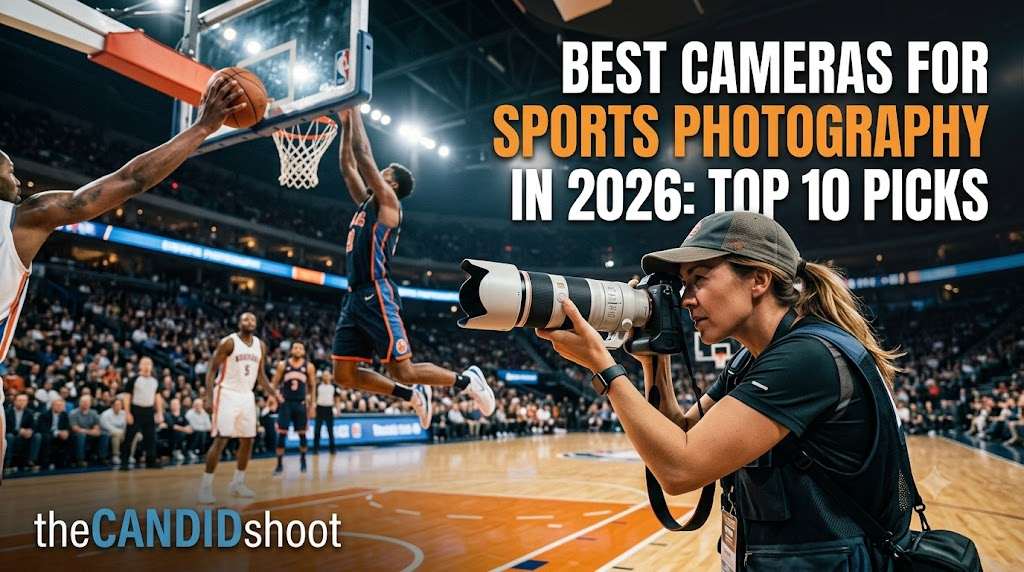
This guide compares the leading cameras for sports photography in 2026 and explains which models make the most sense for professional sports photographers, enthusiasts, beginners, indoor sports shooters, motorsports photographers, and photographers who need a lightweight setup.
Quick Answer: What Are the Best Cameras for Sports Photography in 2026?
If you want the short version, these are our top picks:
| Category | Camera | Why We Recommend It |
|---|---|---|
| 🥇 Best Overall | Sony α9 III | Global shutter, exceptional autofocus and extremely fast shooting |
| 🏆 Best Professional Canon | Canon EOS R1 | Excellent AF, 40 fps electronic shooting and professional build |
| 🏆 Best Professional Nikon | Nikon Z9 | High resolution, fast shooting and exceptional professional durability |
| 💰 Best High-Value Professional | Nikon Z8 | Flagship-level performance in a smaller, less expensive body |
| ⚡ Best Enthusiast Sports Camera | Canon EOS R6 Mark III | Strong combination of speed, resolution and autofocus |
| 🏃 Best APS-C Sports Camera | Fujifilm X-H2S | Stacked sensor and very high-speed continuous shooting |
| 🎯 Best Crop-Sensor Option | Canon EOS R7 | Excellent reach, fast shooting and strong subject detection |
| 🔎 Best High-Resolution Sports Camera | Sony α1 II | High resolution combined with professional action performance |
| 💵 Best Budget Sports Camera | Nikon Z50II | Strong autofocus and action performance at a lower entry price |
| 🎒 Best Compact Sports Camera | Sony α6700 | Lightweight body with strong autofocus and a large lens ecosystem |
Our overall pick is the Sony α9 III for photographers who prioritize capturing extremely fast action. Its global shutter is particularly valuable for sports because it avoids the rolling-shutter distortion that can affect fast-moving subjects. Sony specifies blackout-free 120 fps continuous shooting with full AF/AE tracking.
The Canon EOS R1 is another outstanding professional option. Its stacked 24.2MP full-frame sensor, electronic-shutter shooting up to 40 fps, pre-continuous shooting and blackout-free viewfinder capabilities make it purpose-built for demanding action photography.
EEAT: How We Evaluate Cameras for Sports Photography
Choosing a sports camera requires looking beyond the headline specifications.
For this guide, the cameras are evaluated around the features that actually influence the ability to consistently capture fast-moving subjects:
- Autofocus and subject tracking — How effectively the camera can acquire and maintain focus on moving athletes.
- Continuous shooting — High frame rates increase the number of opportunities to capture the decisive moment.
- Sensor readout speed — Faster readout can reduce rolling-shutter distortion when using an electronic shutter.
- Pre-capture capabilities — Useful when the decisive moment occurs before you can fully react.
- Buffer performance — Important when shooting long bursts during continuous action.
- Low-light performance — Particularly important for indoor arenas, evening games and poorly lit venues.
- Viewfinder performance — A responsive, blackout-free or low-blackout viewfinder can make tracking athletes easier.
- Battery life — Sports assignments can involve thousands of frames over several hours.
- Durability and weather resistance — Professional outdoor sports photography often exposes equipment to dust, rain and changing conditions.
- Lens ecosystem — A fast camera is only useful if you have suitable lenses for the sport you’re photographing.
We also consider how each camera fits into a photographer’s overall system rather than judging it purely by its maximum burst rate.
Important: This guide does not claim personal hands-on testing of every camera. Recommendations are based on published specifications, manufacturer information, established camera-system characteristics and the practical requirements of sports photography.
What Makes a Good Camera for Sports Photography?
A camera that is excellent for landscapes isn’t necessarily excellent for sports.
Sports photography places unusual demands on a camera because the photographer has to track unpredictable movement while maintaining focus, exposure and composition—often from a considerable distance.
Here are the most important characteristics to look for.
1. Fast and Reliable Autofocus
Autofocus is arguably the most important feature for sports photography.
Athletes can move rapidly toward, away from or across the frame. A camera needs to recognize the subject quickly and continuously adjust focus as the distance changes.
Modern cameras increasingly use sophisticated subject-recognition systems to identify people, animals, vehicles and other subjects. The Sony α9 III, for example, uses AI-based subject recognition covering people and several other subject categories, while Canon’s EOS R1 combines its autofocus system with high-speed continuous shooting for action work.
For sports photographers, don’t simply ask:
How many autofocus points does the camera have?
Instead, look at:
- Subject detection
- Tracking reliability
- Eye detection
- AF acquisition speed
- AF performance in low light
- Tracking through obstructions
- AF performance at high burst rates
2. High Continuous Shooting Speed
A high burst rate gives you more opportunities to capture the exact moment you want.
For example, a burst can capture the progression of:
player approaches → foot contacts ball → ball leaves foot → player’s reaction
Instead of relying on a single frame, you have a sequence from which to select the strongest image.
However, maximum FPS shouldn’t be the only consideration.
A camera shooting at 30 fps isn’t automatically better than one shooting at 20 fps if the 30 fps mode has significant limitations or produces files that aren’t appropriate for your workflow.
Canon’s EOS R1, for example, can shoot up to 40 fps electronically, while Sony’s α9 III can reach up to 120 fps under its specified high-speed shooting mode.
3. Fast Sensor Readout
This is one of the specifications that many new sports photographers overlook.
Electronic shutters can be extremely fast, but conventional rolling-shutter sensors read the image progressively rather than capturing the entire frame simultaneously.
During extremely fast movement, this can produce distortion.
A baseball bat, golf club, tennis racket or racing car may appear bent or skewed.
Sony’s global-shutter implementation in the α9 III is specifically designed to address this problem by exposing and reading the sensor simultaneously. Sony notes that this can eliminate rolling-shutter distortion in fast-moving subjects.
For serious sports photography, sensor readout speed can therefore matter almost as much as the advertised frame rate.
4. Pre-Capture
Sometimes the most important moment happens before your finger fully reacts.
Pre-capture modes continuously retain a short sequence of frames before the shutter is completely pressed.
This can be particularly useful for unpredictable events such as:
- Goalkeepers making saves
- Athletes jumping
- Tennis serves
- Bat-and-ball sports
- Motorsport incidents
- Starting-line action
It can turn a missed moment into a usable photograph.
5. Buffer Capacity
A fast burst isn’t particularly useful if the camera quickly stops shooting because its buffer is full.
Sports photographers frequently shoot long sequences, especially during:
- Football attacks
- Basketball plays
- Racing laps
- Track events
- Celebrations
- Contact sports
A strong sports camera should therefore combine:
Fast FPS + good buffer + fast card writing + responsive controls.
6. Low-Light Performance
Indoor sports can be much more challenging than outdoor daytime events.
Basketball, volleyball, ice hockey, wrestling and indoor motorsports may require high ISO settings and fast shutter speeds simultaneously.
For these situations, a full-frame camera with good high-ISO performance and a fast lens can be extremely valuable.
A camera’s ability to focus reliably in difficult lighting is also important. A technically fast autofocus system is less useful if it struggles when the arena becomes dark.
1. Sony α9 III — Best Overall Camera for Sports Photography
The Sony α9 III is our top overall choice for sports photography in 2026 because it is designed around one of the most important requirements in professional action photography: capturing extremely fast movement without sacrificing autofocus or image quality.
Its biggest differentiator is the full-frame global shutter sensor. Unlike conventional rolling-shutter sensors, the α9 III captures the entire frame simultaneously, dramatically reducing the distortion that can occur when photographing rapidly moving athletes, balls, bats, rackets, or vehicles.
Sony rates the camera at up to 120 fps with AF/AE tracking in its specialized high-speed shooting mode, while its standard continuous shooting can reach 120 fps under specified conditions. It also offers blackout-free shooting and advanced AI-based subject recognition.
Key Specifications
- Sensor: 24.6MP full-frame stacked CMOS
- Shutter: Global shutter
- Maximum continuous shooting: Up to 120 fps in compatible high-speed modes
- Autofocus: AI-based subject recognition and tracking
- Stabilization: In-body image stabilization
- Viewfinder: High-resolution electronic viewfinder
- Video: Up to 4K 120p
- Mount: Sony E-mount
- Best for: Professional sports, motorsports, indoor sports, football, soccer and fast action
Why the Sony α9 III Is Excellent for Sports
The global shutter is the standout feature.
When a tennis player swings a racket or a baseball player makes contact with the ball, traditional rolling-shutter sensors can sometimes produce warped shapes. The α9 III’s global shutter essentially removes this particular limitation.
That makes it especially attractive for photographers covering extremely fast action.
Its autofocus system is equally important. Sports photographers aren’t simply trying to focus on a subject—they need the camera to continuously follow that subject as it moves unpredictably through the frame.
The α9 III combines subject recognition with high-speed tracking, giving photographers a system designed specifically for demanding action.
Best Sports for the Sony α9 III
The α9 III is particularly well suited to:
- Football and soccer
- Basketball
- Tennis
- Baseball
- Motorsport
- Cycling
- Track and field
- Hockey
- Wildlife and birds in flight
- Professional action photography
Who Should Buy the Sony α9 III?
The α9 III makes the most sense for professional photographers and serious enthusiasts who regularly photograph extremely fast action and can justify investing in a premium camera body.
It is particularly compelling if you photograph sports under artificial lighting or situations where rolling-shutter distortion can become problematic.
Our Verdict: ⭐⭐⭐⭐⭐
Best overall sports camera in 2026.
2. Canon EOS R1 — Best Professional Canon Camera for Sports
The Canon EOS R1 is Canon’s flagship full-frame mirrorless camera and is built specifically for professional photographers who need speed, autofocus reliability and durability.
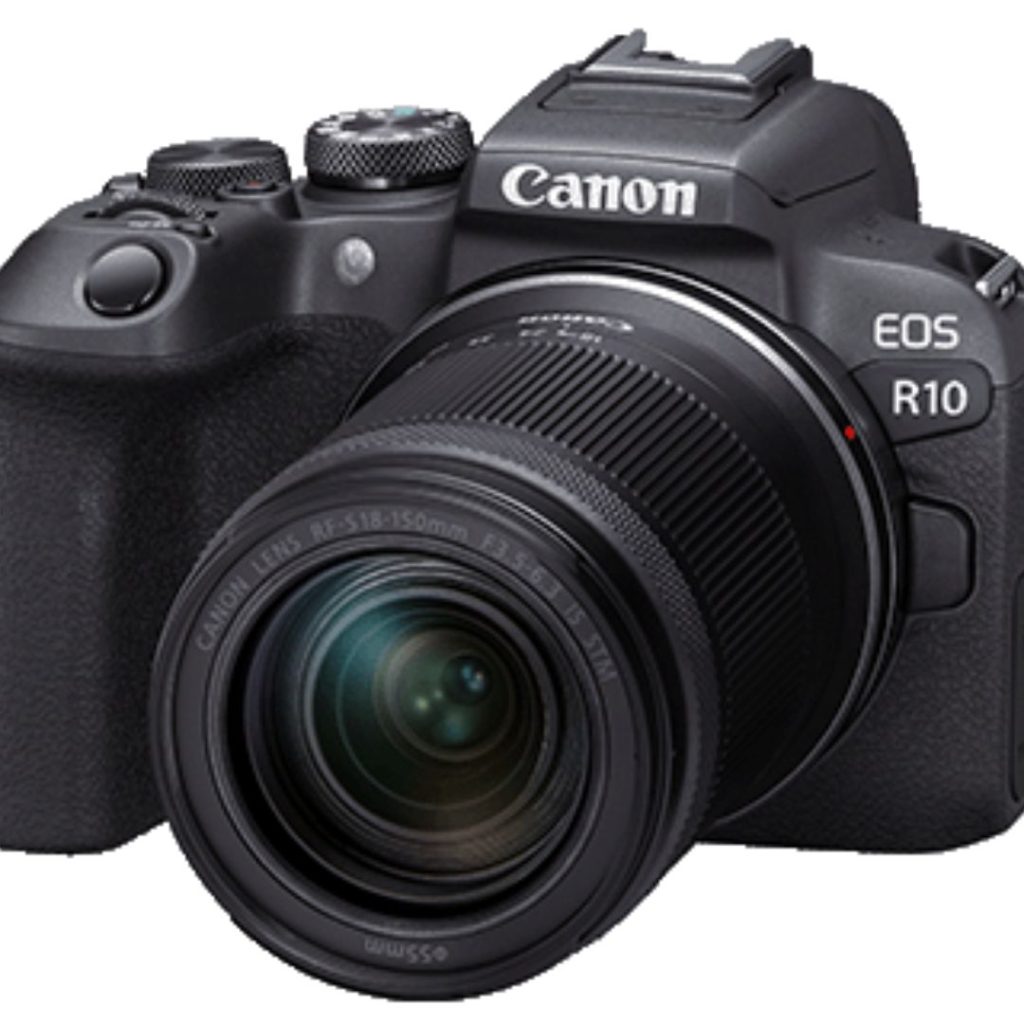
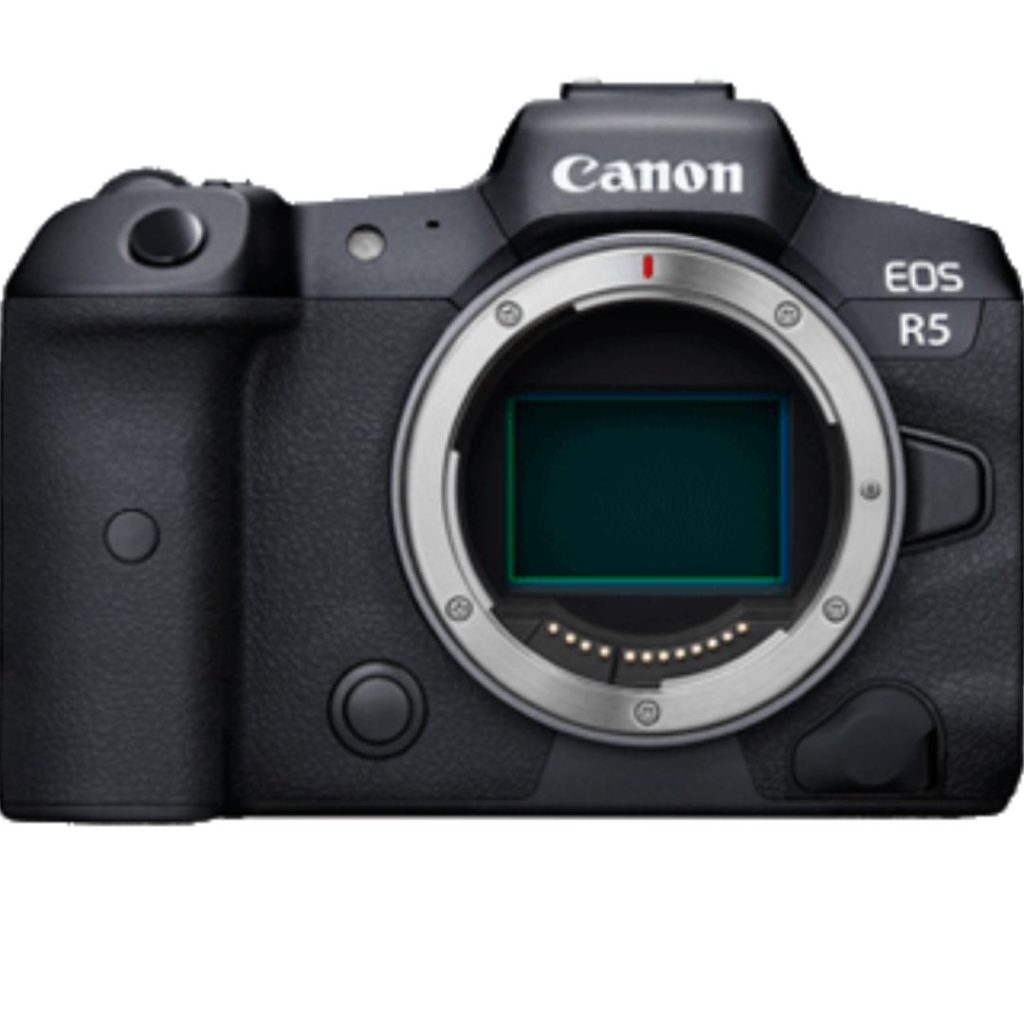
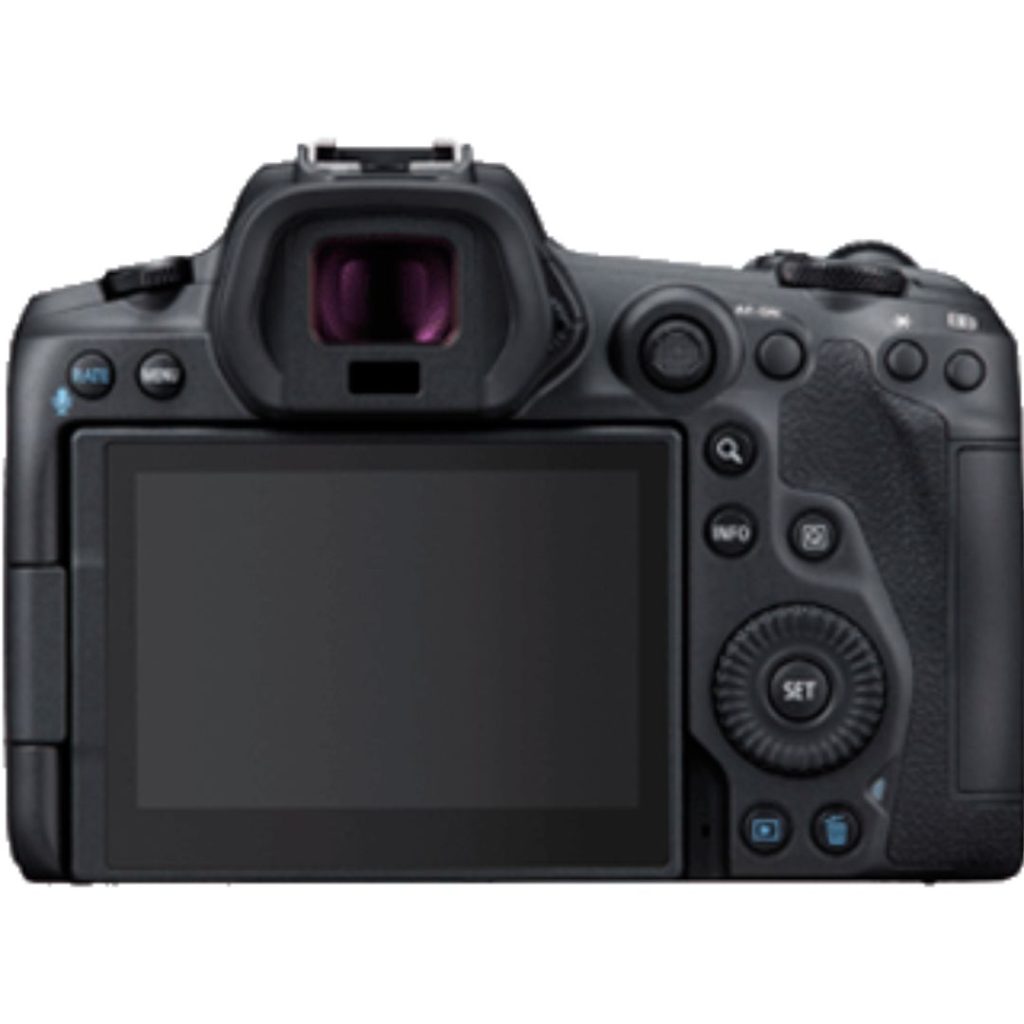
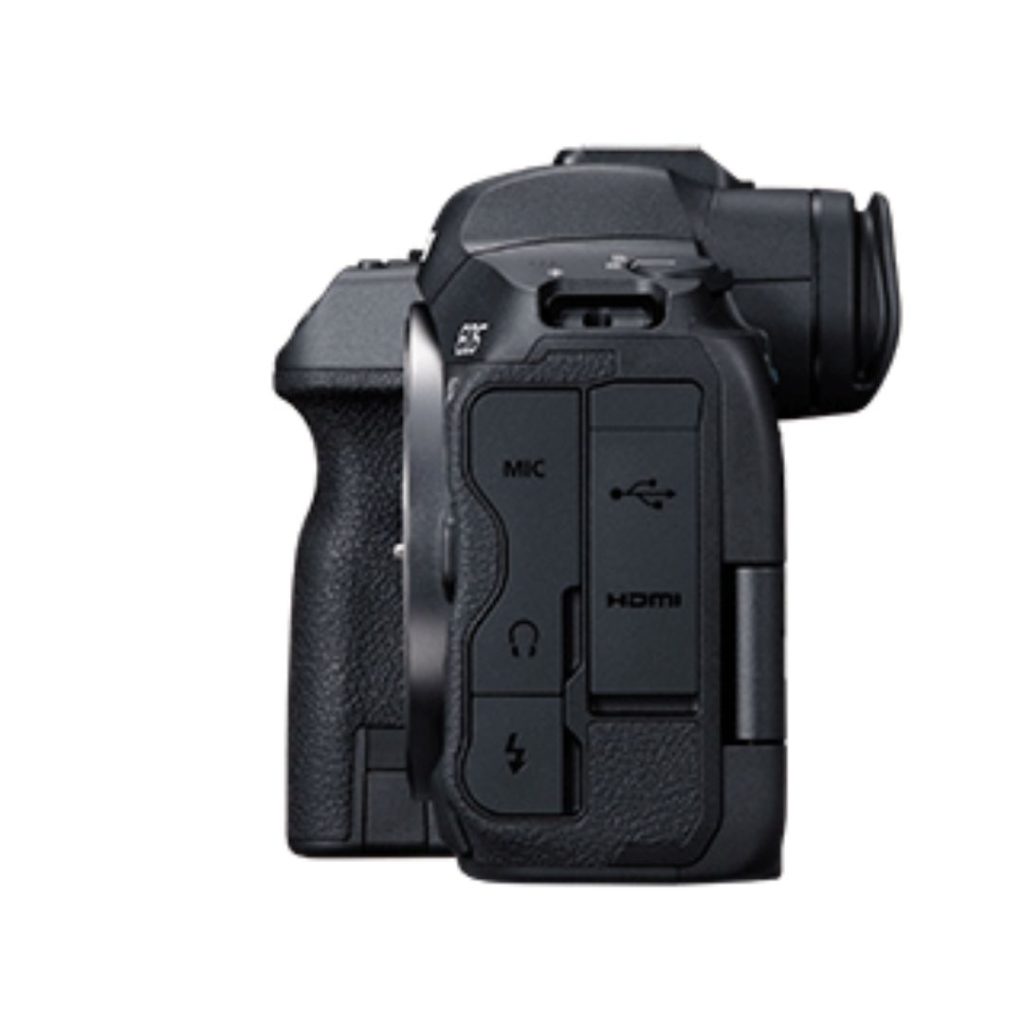
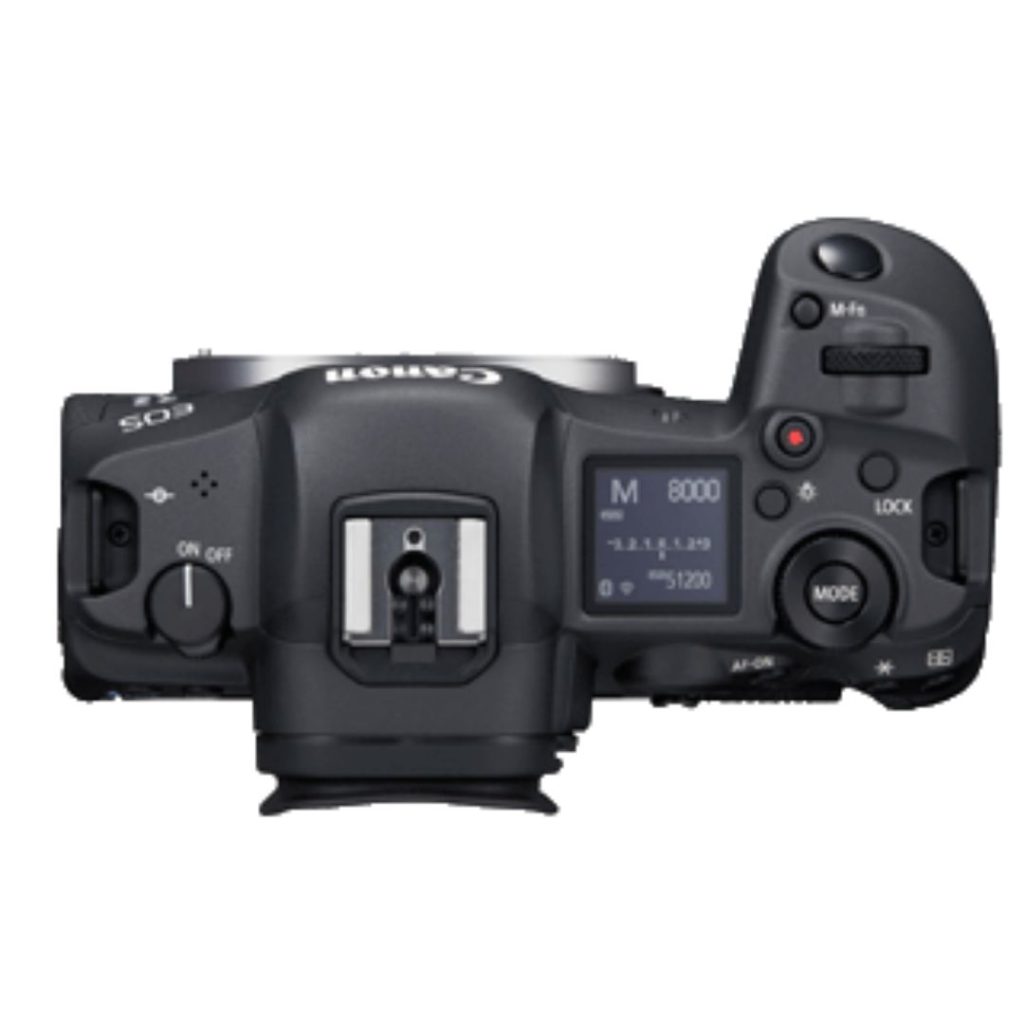
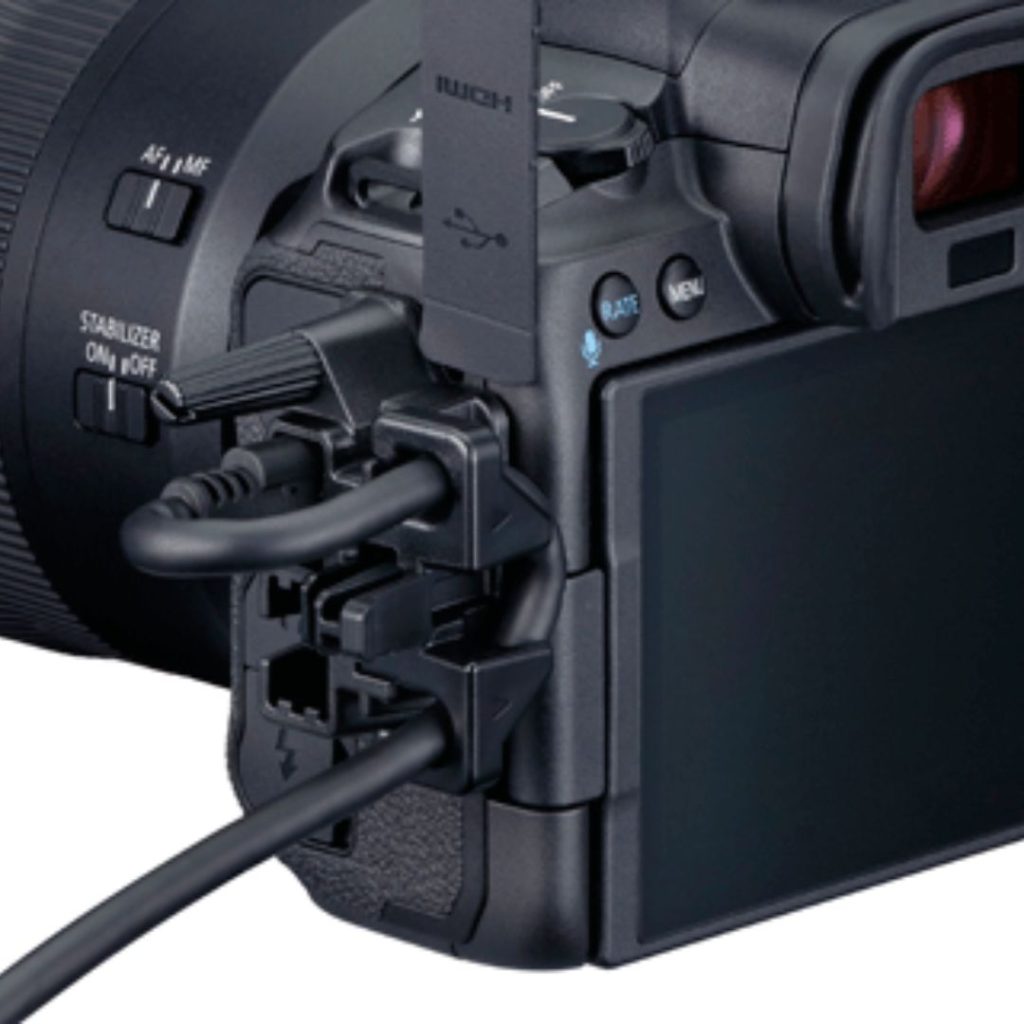
It combines a 24.2MP full-frame stacked sensor with electronic continuous shooting of up to 40 fps, along with Canon’s advanced subject-detection autofocus system. Canon also includes pre-continuous shooting, allowing photographers to capture moments immediately before the shutter is fully pressed.
Key Specifications
- Sensor: 24.2MP full-frame stacked CMOS
- Maximum electronic shooting: Up to 40 fps
- Autofocus: Dual Pixel Intelligent AF
- Subject detection: People, animals and vehicles
- Stabilization: In-body image stabilization
- Pre-continuous shooting: Supported
- Dual card slots: Yes
- Mount: Canon RF
- Best for: Professional football, basketball, soccer, motorsports and indoor sports
Why the Canon EOS R1 Is Excellent for Sports
Canon has focused the R1 heavily on speed and reliability rather than maximum resolution.
Its 24.2MP sensor provides enough resolution for professional sports images while keeping file sizes relatively manageable compared with high-resolution flagship cameras.
That can be an advantage when a photographer returns from an event with thousands of images.
The 40 fps electronic burst rate is another major advantage. During a fast sequence, photographers can capture numerous frames and select the precise instant when the athlete’s expression, body position and ball placement are ideal.
Action Priority
The EOS R1 also incorporates Canon’s action-oriented autofocus technologies designed to improve subject tracking during difficult sporting situations.
That’s particularly useful when athletes temporarily overlap one another or when the primary subject moves rapidly across the frame.
For sports such as football and basketball, where players frequently cross in front of one another, reliable subject tracking can make a significant difference.
Best Sports for the Canon EOS R1
The EOS R1 is especially suitable for:
- Football
- Soccer
- Basketball
- Rugby
- Tennis
- Motorsports
- Track and field
- Indoor sports
- Professional event photography
Who Should Buy the Canon EOS R1?
The R1 is aimed primarily at professional sports photographers and working photojournalists already invested in Canon’s RF system.
If you already own several Canon RF telephoto lenses, the R1 becomes an especially logical upgrade because you can retain your existing lens investment.
Our Verdict: ⭐⭐⭐⭐⭐
One of the best professional sports cameras available in 2026 and the strongest flagship choice for Canon users.
3. Nikon Z9 — Best Professional Nikon Camera for Sports
The Nikon Z9 remains one of the most capable cameras for professional sports photography.
Instead of concentrating exclusively on extreme frame rates, Nikon combines a 45.7MP stacked full-frame sensor with powerful autofocus, high-resolution files and extensive professional durability.
That makes the Z9 particularly interesting for photographers who need both speed and cropping flexibility.
Nikon states that the Z9 can shoot full-resolution RAW images at up to 20 fps, while specialized JPEG modes can reach higher frame rates for certain applications.
Key Specifications
- Sensor: 45.7MP full-frame stacked CMOS
- Standard RAW burst: Up to 20 fps
- High-speed JPEG modes: Up to 30/120 fps depending on mode
- Autofocus: Advanced subject detection and 3D tracking
- Stabilization: In-body image stabilization
- Viewfinder: High-resolution electronic viewfinder
- Card slots: Dual CFexpress/XQD-compatible slots
- Mount: Nikon Z
- Best for: Professional sports, wildlife, motorsports and action photography
Why the Nikon Z9 Is Excellent for Sports
The Z9’s biggest advantage is its combination of resolution and speed.
At 45.7MP, the camera captures considerably more resolution than cameras such as the EOS R1 or α9 III.
That can be extremely useful when photographing sports from a distance.
Imagine you’re photographing a football match from the sidelines using a long telephoto lens. The athlete may still occupy only part of the frame.
A high-resolution sensor gives you more flexibility to crop the image while retaining useful detail.
This makes the Z9 particularly attractive to photographers who frequently need to crop aggressively during post-processing.
Excellent for Motorsports
The Z9 is also a strong option for motorsports.
Fast cars require responsive autofocus and high shutter speeds, while photographers often work with long lenses from considerable distances.
The Z9’s combination of tracking, resolution and professional construction makes it suitable for demanding trackside assignments.
Best Sports for the Nikon Z9
- Football
- Soccer
- Motorsports
- Tennis
- Golf
- Athletics
- Cycling
- Rugby
- Professional action photography
Who Should Buy the Nikon Z9?
The Z9 is best suited to professional photographers who want a high-resolution flagship that can handle sports, wildlife and other demanding assignments with the same body.
It’s also a particularly strong choice if you already own Nikon Z telephoto lenses.
Our Verdict: ⭐⭐⭐⭐⭐
Best high-resolution professional Nikon camera for sports photography.
Sony α9 III vs Canon EOS R1 vs Nikon Z9
These three cameras represent three different approaches to professional sports photography.
| Feature | Sony α9 III | Canon EOS R1 | Nikon Z9 |
|---|---|---|---|
| Sensor | 24.6MP FF | 24.2MP FF | 45.7MP FF |
| Sensor type | Global shutter | Stacked | Stacked |
| High-speed shooting | Up to 120 fps* | Up to 40 fps | Up to 20 fps RAW* |
| Resolution | Moderate | Moderate | Very high |
| Rolling shutter | Exceptional control | Very good | Very good |
| AF tracking | Excellent | Excellent | Excellent |
| Best advantage | Global shutter + speed | Professional Canon workflow | Resolution + versatility |
| Best suited to | Extreme action | Professional Canon users | High-resolution professionals |
*Maximum frame rates depend on the camera’s shooting mode, file format and other conditions.
Which One Should You Choose?
Choose the Sony α9 III if your priority is the fastest possible action capture and minimizing rolling-shutter distortion.
Choose the Canon EOS R1 if you’re a professional Canon photographer who values speed, autofocus, reliability and the RF lens ecosystem.
Choose the Nikon Z9 if you want flagship-level sports performance combined with 45.7MP resolution and greater cropping flexibility.
A Crucial Point: Don’t Buy Based on FPS Alone
It’s tempting to look at these cameras and simply ask:
Which one has the highest frame rate?
That’s the wrong question.
For sports photography, a camera’s real-world usefulness depends on the entire capture system:
Autofocus + tracking + sensor readout + burst speed + buffer + lens + photographer technique
A 40 fps camera isn’t necessarily going to produce better sports photographs than a 20 fps camera if the subject isn’t properly tracked or the lens doesn’t provide enough reach.
Likewise, extremely high frame rates can generate enormous numbers of files very quickly.
For most sports photographers, a reliable 20–40 fps workflow is already more than enough for capturing decisive moments.
The more important question is whether the camera can maintain focus, exposure and tracking throughout the sequence.
Best Value & Enthusiast Sports Cameras in 2026
The flagship cameras in Part 2 deliver extraordinary performance, but you don’t necessarily need to spend flagship money to get excellent sports photography results.
The next group is particularly interesting because cameras such as the Nikon Z8, Canon EOS R6 Mark III, Fujifilm X-H2S, and Canon EOS R7 combine fast autofocus, high burst rates and strong image quality at different price and size levels.
4. Nikon Z8 — Best High-Value Professional Sports Camera
The Nikon Z8 is one of the most versatile cameras for photographers who want professional-level sports performance without moving all the way up to the Nikon Z9.
It uses the same 45.7MP stacked full-frame sensor class as the Z9 and offers advanced subject detection, fast electronic shooting and extensive video capabilities in a considerably smaller body.
Key Specifications
- Sensor: 45.7MP full-frame stacked CMOS
- Continuous shooting: Up to 20 fps RAW
- High-speed modes: Up to 30 fps JPEG and specialized 60/120 fps modes
- Autofocus: Advanced subject detection and 3D tracking
- Stabilization: In-body image stabilization
- Card slots: CFexpress/XQD + SD
- Mount: Nikon Z
- Best for: Sports, wildlife, action and professional photography
Why the Nikon Z8 Is Excellent for Sports
The Z8’s biggest advantage is its combination of high resolution and relatively compact size.
With 45.7MP available, photographers have considerable freedom to crop images after an event.
This is particularly useful when shooting sports from the sidelines or stands.
For example, a photographer covering football may frame a player slightly wider to ensure the athlete stays inside the frame during rapid movement. The extra resolution gives them more flexibility to crop later.
The Z8 also provides sophisticated subject detection and 3D tracking, helping maintain focus as athletes move through the frame.
Who Should Buy the Nikon Z8?
The Z8 is an excellent choice for:
- Serious sports enthusiasts
- Professional photographers on a budget
- Wildlife and sports photographers
- Photographers who frequently crop images
- Nikon Z-system users who don’t need the larger Z9 body
If you want Z9-like versatility in a smaller package, the Z8 is one of the strongest options to consider.
Our Verdict: ⭐⭐⭐⭐⭐
Best high-value professional sports camera for photographers who prioritize resolution and versatility.
5. Canon EOS R6 Mark III — Best Enthusiast Sports Camera
The Canon EOS R6 Mark III is one of the most compelling choices for photographers who want serious sports performance without buying a flagship camera.
Its 32.5MP full-frame sensor, fast continuous shooting, advanced autofocus and pre-capture capabilities make it well suited to fast-moving subjects.
Canon positions the R6 Mark III as a high-speed hybrid camera, with electronic shooting reaching up to 40 fps and pre-continuous shooting designed to capture moments immediately before the shutter is fully pressed.
Key Specifications
- Sensor: 32.5MP full-frame CMOS
- Electronic continuous shooting: Up to 40 fps
- Autofocus: Dual Pixel Intelligent AF
- Subject detection: People, animals and vehicles
- Pre-capture: Supported
- Stabilization: In-body image stabilization
- Card slots: Dual card slots
- Mount: Canon RF
- Best for: Football, basketball, soccer, tennis, indoor sports and general action
Why the R6 Mark III Is Excellent for Sports
The R6 Mark III hits an attractive middle ground.
You get substantially more resolution than the EOS R1 while maintaining extremely high shooting speeds.
That makes it useful for photographers who want to:
- Freeze fast action
- Crop moderately
- Shoot long sequences
- Photograph indoor sports
- Work in changing lighting conditions
Its autofocus system is another major strength.
For sports such as basketball, where players constantly cross in front of one another, subject detection and tracking can help maintain focus on the intended athlete.
Excellent for Indoor Sports
The R6 Mark III is particularly attractive for indoor sports.
Basketball, volleyball, badminton and other indoor events often require:
Fast shutter speed + high ISO + fast autofocus
A full-frame sensor combined with fast lenses such as a 70–200mm f/2.8 can make this type of photography much easier.
Who Should Buy the Canon EOS R6 Mark III?
Choose the R6 Mark III if you’re:
- A serious enthusiast
- An aspiring professional
- A wedding/event photographer who also shoots sports
- A Canon RF user
- Photographing both indoor and outdoor sports
Our Verdict: ⭐⭐⭐⭐⭐
One of the best choices for photographers who want near-professional sports performance without flagship pricing.
6. Fujifilm X-H2S — Best APS-C Camera for Sports Photography
The Fujifilm X-H2S takes a different approach from the full-frame cameras above.
Instead of using a full-frame sensor, it uses an APS-C stacked sensor, allowing Fujifilm to combine a relatively compact body with impressive high-speed performance.
Its stacked sensor is particularly valuable for action photography because faster sensor readout helps reduce the distortion associated with rolling shutters.
Key Specifications
- Sensor: 26.1MP APS-C stacked CMOS
- Electronic shooting: Up to 40 fps
- Autofocus: Subject detection and tracking
- Stabilization: In-body image stabilization
- Mount: Fujifilm X
- Best for: Sports, wildlife, motorsports and action photography
Why the X-H2S Is Excellent for Sports
The X-H2S is one of the most interesting options for photographers who want high speed without moving to a large full-frame flagship.
Its APS-C sensor also provides a useful crop-factor advantage.
A 300mm lens effectively provides a narrower field of view than it would on a full-frame camera, giving sports photographers additional apparent reach.
That can be useful when photographing:
- Football
- Soccer
- Track and field
- Motorsport
- Wildlife
- Outdoor action
The 40 FPS Advantage
The X-H2S can shoot at up to 40 fps using its electronic shutter, making it capable of capturing extremely fast sequences.
However, as with every camera in this guide, the maximum frame rate shouldn’t automatically determine your purchase.
The more important question is whether the camera’s autofocus, tracking and buffer performance fit your shooting style.
Who Should Buy the Fujifilm X-H2S?
The X-H2S is particularly attractive for photographers who:
- Prefer APS-C systems
- Want a relatively compact sports setup
- Photograph sports and wildlife
- Want high-speed shooting
- Already own Fujifilm X-mount lenses
Our Verdict: ⭐⭐⭐⭐½
One of the best APS-C cameras for sports photography, particularly when speed and portability matter.
7. Canon EOS R7 — Best Crop-Sensor Camera for Sports
The Canon EOS R7 is another excellent option for sports photographers who want reach without the weight and cost of a professional full-frame system.
Its 32.5MP APS-C sensor provides both high resolution and a useful crop factor, making it particularly attractive for photographers who frequently shoot from a distance.
Key Specifications
- Sensor: 32.5MP APS-C
- Electronic shooting: Up to 30 fps
- Mechanical shooting: Up to 15 fps
- Autofocus: Dual Pixel CMOS AF II
- Subject detection: People, animals and vehicles
- Stabilization: In-body image stabilization
- Mount: Canon RF
- Best for: Football, soccer, athletics, wildlife and outdoor sports
Why the Canon R7 Works So Well for Sports
The R7’s biggest advantage is reach.
The APS-C sensor effectively gives compatible lenses a narrower field of view compared with full-frame cameras.
That’s useful when you’re photographing a player on the opposite side of a football pitch or an athlete competing at the far end of a track.
The camera also provides a high-resolution 32.5MP sensor, giving photographers useful cropping flexibility.
Great Choice for Outdoor Sports
The R7 makes particular sense for:
- Football
- Soccer
- Baseball
- Athletics
- Cycling
- Motorsport
- Outdoor action
- Wildlife
Its relatively compact body can also make it easier to carry during long outdoor assignments.
Where the R7 Makes the Most Sense
The R7 is especially compelling when your priority is:
Reach + resolution + speed + lower system weight
For example, pairing an R7 with a suitable RF telephoto lens can create a highly capable long-range sports setup without the size and cost of a professional full-frame body.
Who Should Buy the Canon EOS R7?
The R7 is a strong choice for:
- Enthusiast sports photographers
- Wildlife photographers who also shoot sports
- Beginners moving into serious action photography
- Outdoor sports photographers
- Canon users who want additional reach
Our Verdict: ⭐⭐⭐⭐½
One of the best crop-sensor options for photographers who prioritize reach and value.
Nikon Z8 vs Canon R6 Mark III vs Fujifilm X-H2S vs Canon R7
These four cameras occupy different positions in the sports market.
| Camera | Sensor | High-Speed Shooting | Main Strength | Best For |
|---|---|---|---|---|
| Nikon Z8 | 45.7MP Full Frame | Up to 20 fps RAW | Resolution + versatility | Professional/enthusiast |
| Canon R6 III | 32.5MP Full Frame | Up to 40 fps | Speed + AF | Indoor & outdoor sports |
| Fujifilm X-H2S | 26.1MP APS-C stacked | Up to 40 fps | Speed + portability | APS-C action |
| Canon R7 | 32.5MP APS-C | Up to 30 fps | Reach + value | Outdoor sports |
Which One Should You Choose?
Choose the Nikon Z8 if you want high resolution and professional-level versatility.
Choose the Canon R6 Mark III if autofocus, speed and full-frame performance are your priorities.
Choose the Fujifilm X-H2S if you want a high-speed APS-C system with a strong combination of performance and portability.
Choose the Canon R7 if you want excellent reach and high resolution without moving to an expensive full-frame setup.
The Importance of Lens Reach in Sports Photography
Even the world’s fastest autofocus system can’t compensate for a lens that is too short for the sport you’re photographing.
Your lens determines how large the athlete appears in the frame and how effectively you can isolate the subject from the background.
For outdoor field sports, lenses in the 100–400mm, 150–500mm or 200–600mm range can be particularly useful.
For indoor sports, a 70–200mm f/2.8 is often a more practical choice because venues are smaller and fast apertures are valuable in difficult lighting.
This is why your sports photography system should be evaluated as:
Camera + telephoto lens + autofocus + shutter speed + technique
—not simply camera body alone.
8. Sony α1 II — Best High-Resolution Sports Camera
The Sony α1 II is one of the most versatile choices for sports photographers who want flagship-level speed without giving up high resolution.
While cameras such as the Sony α9 III are designed primarily around extreme action speed, the α1 II takes a more balanced approach. Its approximately 50.1MP full-frame sensor gives photographers significantly more resolution for cropping, while its electronic shutter can reach up to 30 fps with continuous autofocus and exposure tracking in compatible shooting conditions.
Key Specifications
- Sensor: Approximately 50.1MP full-frame stacked CMOS
- Continuous shooting: Up to 30 fps
- Autofocus: AI-based subject recognition and tracking
- Stabilization: In-body image stabilization
- Viewfinder: High-resolution electronic viewfinder
- Mount: Sony E-mount
- Best for: Professional sports, motorsports, wildlife and high-resolution action photography
Why the Sony α1 II Is Excellent for Sports
The biggest reason to choose the α1 II is resolution without sacrificing professional-level speed.
At approximately 50MP, the camera gives photographers substantial room to crop.
That’s useful when shooting from locations where you cannot physically get closer to the athlete.
For example, a photographer covering motorsports may have to work from a fixed position around the track. A high-resolution file can provide additional flexibility when the subject doesn’t completely fill the frame.
The same advantage applies to football, soccer, athletics and other field sports.
Excellent for Sports and Wildlife
The α1 II is also attractive to photographers who don’t shoot sports exclusively.
A single body can serve as a high-resolution sports camera during the weekend and a wildlife camera during a safari or birding trip.
That versatility can make it a better investment for photographers who work across multiple genres.
Who Should Buy the Sony α1 II?
The α1 II is best suited to:
- Professional sports photographers
- Photographers who crop heavily
- Motorsports photographers
- Sports and wildlife photographers
- Sony E-mount professionals
- Photographers who want high resolution and high-speed shooting in one body
Our Verdict: ⭐⭐⭐⭐⭐
One of the best choices for photographers who want flagship sports performance with substantially more resolution than typical speed-focused cameras.
9. Nikon Z50II — Best Budget Camera for Sports Photography
The Nikon Z50II proves that you don’t necessarily need a professional flagship to get started with sports photography.
It’s an APS-C mirrorless camera with a 20.9MP DX-format sensor, advanced subject detection, 3D tracking, Pre-Release Capture and a surprisingly capable burst system.
Nikon specifies up to 11 fps at full resolution, while its High-Speed Frame Capture modes can reach 30 fps with JPEG output.
Key Specifications
- Sensor: 20.9MP APS-C/DX CMOS
- Full-resolution continuous shooting: Up to 11 fps
- High-speed JPEG shooting: Up to 30 fps
- Autofocus: Subject detection and 3D tracking
- Pre-Release Capture: Yes
- Stabilization: No in-body image stabilization
- Mount: Nikon Z
- Best for: Beginners, students, enthusiasts and budget-conscious sports photographers
Why the Nikon Z50II Is Good for Sports
The Z50II’s biggest advantage is its combination of price, autofocus and portability.
It includes technology derived from Nikon’s more advanced cameras, including subject detection and 3D tracking.
It can recognize and track subjects including people, vehicles and animals, while dedicated detection modes can further help with specific subjects.
For someone learning sports photography, this is important.
You don’t necessarily need a 40 fps flagship camera to learn how to track a football player or basketball player.
A capable 11 fps full-resolution burst can provide plenty of frames to capture decisive moments.
Pre-Release Capture
One of the Z50II’s most useful action features is Pre-Release Capture.
The camera can retain frames captured immediately before the shutter is fully pressed.
That can be particularly useful when photographing unpredictable moments.
For a beginner, this can provide an additional safety net while learning timing and anticipation.
Where the Z50II Has Limitations
The Z50II isn’t designed to compete directly with cameras such as the Z9 or α9 III.
Its APS-C sensor and lack of in-body stabilization are compromises, while its native full-resolution burst rate is considerably lower than flagship cameras.
But those limitations are reasonable considering its target market.
Who Should Buy the Nikon Z50II?
It’s an excellent option for:
- Beginners learning sports photography
- Students
- Enthusiasts on a budget
- Parents photographing school sports
- Amateur football and soccer photographers
- Photographers who want a compact Nikon system
Our Verdict: ⭐⭐⭐⭐½
One of the best entry-level choices for sports photography in 2026.
10. Sony α6700 — Best Compact Sports Camera
The Sony α6700 is the final camera in our top 10 and one of the most attractive options for photographers who prioritize portability.
It’s an APS-C camera with a 26MP-class sensor, in-body stabilization and Sony’s sophisticated subject-recognition autofocus system.
Sony specifies up to 11 fps continuous shooting, while its autofocus system can recognize subjects including humans, animals, birds, insects, cars, trains and airplanes.
Key Specifications
- Sensor: 26MP-class APS-C CMOS
- Continuous shooting: Up to 11 fps
- Autofocus: Fast Hybrid AF with subject recognition
- Subject detection: Humans, animals, birds, insects, cars, trains and airplanes
- Stabilization: In-body image stabilization
- Mount: Sony E-mount
- Best for: Lightweight sports, outdoor action, travel and enthusiast photography
Why the Sony α6700 Is Good for Sports
The α6700 isn’t intended to replace a professional sports flagship.
Its appeal is different.
You get a relatively small APS-C body with sophisticated autofocus and access to Sony’s extensive E-mount lens ecosystem.
For photographers who travel frequently or photograph sports as part of a broader photography hobby, that can be a major advantage.
A Good Travel Sports Camera
Imagine photographing:
- Local football matches
- School athletics
- Cycling events
- Hiking competitions
- Outdoor activities
- Amateur motorsports
You may not want to carry a large professional body and enormous telephoto lens everywhere.
The α6700 provides a more portable alternative while still offering advanced subject recognition and tracking.
Who Should Buy the Sony α6700?
The α6700 makes the most sense for:
- Travel photographers who also shoot sports
- Enthusiasts
- Lightweight kit builders
- Outdoor sports photographers
- Sony E-mount users
- Photographers who prioritize portability
Our Verdict: ⭐⭐⭐⭐
A strong compact sports camera for photographers who don’t need flagship-level burst performance.
Sony α1 II vs Nikon Z50II vs Sony α6700
These three cameras target completely different photographers.
| Camera | Sensor | Maximum High-Speed Shooting | Main Advantage | Best For |
|---|---|---|---|---|
| Sony α1 II | 50.1MP Full Frame | Up to 30 fps | Resolution + speed | Professionals |
| Nikon Z50II | 20.9MP APS-C | Up to 30 fps JPEG | Value + AF | Beginners |
| Sony α6700 | 26MP APS-C | Up to 11 fps | Portability + AF | Enthusiasts |
The important point is that 30 fps does not mean the Z50II and α1 II offer equivalent sports performance.
The shooting modes, file formats, sensor technology, autofocus systems, buffer behavior and overall camera class are very different.
Always look beyond the headline frame rate.
Best Camera for Different Types of Sports Photography
Choosing a sports camera becomes much easier when you start with the sport rather than the camera.
Best Camera for Football and Soccer Photography
Football and soccer present several challenges:
- Subjects can move rapidly across a large field.
- Players can suddenly change direction.
- You may be shooting from a considerable distance.
- The background can be visually distracting.
- Evening matches can require high ISO settings.
Recommended Cameras
Best professional: Sony α9 III
Best Canon: Canon EOS R1
Best high resolution: Nikon Z9
Best value: Canon EOS R7
Best budget: Nikon Z50II
For field sports, a capable telephoto lens is just as important as the camera.
A 100–400mm or similar lens can be extremely useful, while longer options can become valuable when shooting from distant sidelines or stands.
Best Camera for Basketball Photography
Basketball is particularly demanding because it combines rapid movement with indoor lighting.
Players can move quickly toward the camera, jump, collide and change direction within seconds.
Recommended Cameras
Best professional: Canon EOS R1
Best overall: Sony α9 III
Best enthusiast: Canon EOS R6 Mark III
Best high resolution: Sony α1 II
For basketball, a fast 70–200mm f/2.8 lens is often an excellent pairing.
The combination gives you useful reach while maintaining a wide enough aperture for indoor arenas.
Best Camera for Tennis Photography
Tennis requires excellent tracking because the player’s position and movement can change quickly.
The camera also needs to respond well to short bursts because the decisive instant can occur when the racket meets the ball.
Recommended Cameras
Best professional: Sony α9 III
Best Canon: EOS R1
Best high resolution: Sony α1 II
Best value: Canon EOS R6 Mark III
A 70–200mm lens can work well for many courts, although longer telephoto lenses can be useful depending on the photographer’s position.
Best Camera for Motorsports Photography
Motorsports are particularly demanding because vehicles can move extremely quickly through the frame.
This makes fast sensor readout particularly valuable.
Rolling-shutter distortion can become visible when panning rapidly moving vehicles.
Recommended Cameras
Best overall: Sony α9 III
Best high resolution: Sony α1 II
Best Nikon: Nikon Z9
Best value: Nikon Z8
Best APS-C: Fujifilm X-H2S
The α9 III’s global shutter makes it particularly interesting for motorsports photographers who want to minimize rolling-shutter distortion.
Best Camera for Indoor Sports
Indoor sports often create a different set of challenges.
You may have:
- Artificial lighting
- High ISO requirements
- Limited shooting distance
- Fast-moving subjects
- Difficult backgrounds
Recommended Cameras
Best professional: Canon EOS R1
Best overall: Sony α9 III
Best enthusiast: Canon EOS R6 Mark III
Best high resolution: Sony α1 II
For indoor sports, don’t underestimate the importance of your lens.
A fast f/2.8 telephoto zoom can make a bigger difference to your results than upgrading from one capable camera body to another.
Best Camera for Professional Sports Photography
If you’re photographing professional sports for publications, agencies, teams or clients, reliability becomes just as important as image quality.
You may shoot thousands of frames during a single assignment.
Professional sports cameras should therefore provide:
- Reliable autofocus
- High burst rates
- Strong buffers
- Durable construction
- Weather resistance
- Dual-card recording
- Excellent battery life
- Fast controls
- Reliable connectivity
- A strong professional lens ecosystem
Our Professional Picks
🥇 Sony α9 III — Best overall for extreme action
🥈 Canon EOS R1 — Best professional Canon system
🥉 Nikon Z9 — Best high-resolution professional option
Sony α1 II — Best high-resolution Sony alternative
Best Camera for Beginners in Sports Photography
Beginners don’t need to spend thousands of dollars on a flagship.
In fact, learning to anticipate action, position yourself correctly and understand shutter speed can be more important than owning the fastest camera available.
Our Picks
Best budget: Nikon Z50II
Best crop-sensor upgrade: Canon EOS R7
Best compact option: Sony α6700
The Nikon Z50II is particularly attractive because it combines capable autofocus, 3D tracking, Pre-Release Capture and high-speed shooting in a relatively accessible body.
Best Sports Camera by Budget and Experience
| Photographer | Recommended Camera | Why |
|---|---|---|
| Beginner | Nikon Z50II | Affordable and capable autofocus |
| Enthusiast | Canon EOS R7 | Reach + resolution + speed |
| Serious enthusiast | Canon R6 Mark III | Full-frame speed and AF |
| APS-C enthusiast | Fujifilm X-H2S | Fast stacked-sensor performance |
| Professional | Sony α9 III | Global shutter + extreme action speed |
| Professional Canon user | Canon EOS R1 | Flagship RF system |
| Professional Nikon user | Nikon Z9 | Resolution + professional durability |
| High-resolution professional | Sony α1 II | 50.1MP + high-speed shooting |
Don’t Forget the Sports Photography Lens
Buying the right camera is only half the equation.
For sports photography, your telephoto lens can have an enormous impact on your results.
A fast autofocus system won’t help much if your lens doesn’t provide enough reach to fill the frame.
Outdoor Field Sports
Consider lenses in ranges such as:
- 100–400mm
- 150–500mm
- 200–600mm
These are particularly useful for:
- Football
- Soccer
- Baseball
- Athletics
- Cycling
- Motorsports
Indoor Sports
For basketball, volleyball and similar indoor events, a 70–200mm f/2.8 can be an extremely useful choice.
The fast aperture helps maintain shutter speeds in difficult lighting while the zoom range provides flexibility when athletes move around the court.
The Complete Sports Photography System
Think of your setup as:
Camera + telephoto lens + autofocus + shutter speed + memory cards + batteries + technique
rather than simply:
Camera + megapixels
This approach will usually lead to better buying decisions.
Final Top 10: Best Cameras for Sports Photography in 2026
| Rank | Camera | Best For |
|---|---|---|
| 1 | Sony α9 III | Best overall sports camera |
| 2 | Canon EOS R1 | Best professional Canon |
| 3 | Nikon Z9 | Best professional Nikon |
| 4 | Nikon Z8 | Best high-value professional |
| 5 | Canon EOS R6 Mark III | Best enthusiast sports camera |
| 6 | Fujifilm X-H2S | Best APS-C sports camera |
| 7 | Canon EOS R7 | Best crop-sensor sports camera |
| 8 | Sony α1 II | Best high-resolution sports camera |
| 9 | Nikon Z50II | Best budget sports camera |
| 10 | Sony α6700 | Best compact sports camera |
Which Sports Camera Should You Buy?
If you want the best overall performance for fast-moving sports, the Sony α9 III is our top recommendation.
If you’re already invested in Canon’s RF system, the Canon EOS R1 is an outstanding professional option.
If you want high resolution and professional versatility, the Nikon Z9 remains a formidable choice.
For photographers who want flagship-like capability in a smaller and less expensive body, the Nikon Z8 is especially compelling.
The Canon EOS R6 Mark III is a strong choice for enthusiasts and aspiring professionals, while the Fujifilm X-H2S and Canon EOS R7 demonstrate how capable APS-C systems can be for action photography.
For photographers on a tighter budget, the Nikon Z50II offers an impressive combination of autofocus, tracking and burst shooting without requiring a professional-level investment.
And if portability is your priority, the Sony α6700 provides a compact route into serious action photography.
Ultimately, the best sports camera is not necessarily the one with the highest frame rate.
It’s the camera that gives you the right combination of autofocus, tracking, speed, sensor performance, reliability and lens compatibility for the sport you actually photograph.
Sports Camera Comparison: Which One Should You Buy?
Choosing between the best sports cameras becomes easier when you focus on the features that actually affect your shooting style.
| Camera | Sensor | Max Burst* | Best For | Main Advantage |
|---|---|---|---|---|
| Sony α9 III | 24.6MP Full Frame | Up to 120 fps | Professional action | Global shutter |
| Canon EOS R1 | 24.2MP Full Frame | Up to 40 fps | Professional Canon users | AF + speed |
| Nikon Z9 | 45.7MP Full Frame | Up to 20 fps RAW | Pro sports + wildlife | Resolution |
| Nikon Z8 | 45.7MP Full Frame | Up to 20 fps RAW | Serious enthusiasts | Resolution + value |
| Canon R6 Mark III | 32.5MP Full Frame | Up to 40 fps | Enthusiasts/pros | Speed + versatility |
| Fujifilm X-H2S | 26.1MP APS-C | Up to 40 fps | APS-C action | Speed + portability |
| Canon R7 | 32.5MP APS-C | Up to 30 fps | Outdoor sports | Reach + value |
| Sony α1 II | 50.1MP Full Frame | Up to 30 fps | High-resolution sports | Resolution + speed |
| Nikon Z50II | 20.9MP APS-C | Up to 30 fps JPEG | Beginners | Value + AF |
| Sony α6700 | 26MP APS-C | Up to 11 fps | Lightweight setups | Compact size |
*Maximum frame rates depend on shooting mode, file format and other operating conditions.
How to Choose the Best Sports Camera
Before buying a camera, consider these six questions.
What Sport Do You Photograph?
A camera for indoor basketball doesn’t necessarily need the same characteristics as a camera for motorsports.
Indoor sports: prioritize low-light autofocus, high ISO performance and fast lenses.
Field sports: prioritize autofocus tracking, telephoto reach and cropping flexibility.
Motorsports: prioritize fast sensor readout, tracking and long-lens compatibility.
Tennis and athletics: prioritize burst speed, autofocus and responsive viewfinders.
How Far Away Are You From the Action?
Distance has a major effect on your camera and lens choice.
If you’re photographing football from the sideline, you may need considerably more reach than someone photographing basketball from courtside.
This is where APS-C cameras such as the Canon EOS R7 and Fujifilm X-H2S can be particularly attractive.
Do You Shoot Professionally?
Professional photographers have different priorities from casual shooters.
If you’re delivering images to clients, publications or sports organizations, features such as:
- Dual card slots
- Weather sealing
- Battery endurance
- Reliable autofocus
- Fast transfer options
- Durable construction
- Professional telephoto lenses
can be more important than saving a few hundred dollars on the body.
Do You Need High Resolution?
High resolution is valuable when you frequently crop.
The Nikon Z9, Nikon Z8 and Sony α1 II are particularly attractive if you want substantial cropping flexibility.
However, more megapixels also mean larger files and potentially greater storage requirements.
If your images are primarily delivered for web publication or social media, you may not need 45–50MP.
Do You Need Extreme Burst Rates?
For most sports photographers, 20–40 fps is already extremely fast.
Extremely high frame rates can be useful for unusual or unpredictable moments, but they can also generate enormous numbers of images.
The important question isn’t:
“What’s the fastest camera?”
Instead ask:
“What’s the fastest camera that fits my actual workflow?”
What Lens System Do You Already Own?
Your existing lenses should strongly influence your decision.
Switching camera systems can mean replacing:
- Telephoto lenses
- Wide-angle lenses
- Batteries
- Chargers
- Accessories
- Memory cards and other equipment
If you already own high-quality Canon RF, Nikon Z or Sony E lenses, staying within that ecosystem can make much more financial sense.
What Lens Should You Use for Sports Photography?
A fast sports camera needs an equally capable lens.
For many photographers, the lens can make a bigger difference than upgrading from one high-end camera body to another.
70–200mm f/2.8
One of the most useful sports lenses.
Excellent for:
- Basketball
- Volleyball
- Tennis
- Indoor events
- Close sideline action
The combination of a 70–200mm focal range and an f/2.8 aperture provides both flexibility and strong subject isolation.
100–400mm
A versatile option for outdoor sports.
It can work well for:
- Football
- Soccer
- Baseball
- Athletics
- Cycling
- Motorsports
200–600mm
Useful when you need substantial reach.
It’s particularly attractive for:
- Distant field sports
- Motorsports
- Wildlife
- Outdoor athletics
The trade-off is increased size and weight.
Prime Telephoto Lenses
Professional photographers may also consider fast telephoto primes.
These can provide:
- Wider maximum apertures
- Excellent subject separation
- Strong low-light performance
- Potentially faster autofocus
But they are expensive and less flexible than zooms.
Do You Need a Full-Frame Camera for Sports Photography?
No.
Full-frame cameras provide advantages in areas such as high-ISO performance, depth of field and lens selection, but APS-C cameras can be extremely effective for sports.
APS-C can actually be advantageous when you need extra reach.
For example, the Canon EOS R7 combines its APS-C sensor with 32.5MP resolution and fast shooting, making it a particularly interesting option for distant outdoor subjects.
The Fujifilm X-H2S takes the concept further with a stacked APS-C sensor and high-speed electronic shooting.
For photographers who regularly work outdoors and need to keep equipment manageable, APS-C can be a very sensible choice.
Is a High Megapixel Count Important for Sports Photography?
It depends.
High resolution becomes particularly useful when:
- You’re shooting from a distance
- You frequently crop
- You need publication-quality files
- You photograph sports and wildlife
- You want additional framing flexibility
But resolution isn’t everything.
A 24MP camera with outstanding autofocus and a sharp telephoto lens can produce better sports photographs than a 50MP camera when the latter misses focus.
For action photography:
A sharp 24MP photograph is more valuable than a blurry 50MP photograph.
Sports Photography Camera Settings
Even the best camera won’t automatically produce great sports photographs.
A good starting point for many outdoor sports situations is:
Shutter Speed
1/1000 sec or faster
For extremely fast action, you may need:
1/1600–1/3200 sec
Aperture
Use a wide aperture such as:
f/2.8–f/4
when lighting and lens availability allow.
ISO
Use Auto ISO when lighting changes rapidly, while setting an appropriate minimum shutter speed.
Autofocus
Use:
- Continuous AF
- Subject tracking
- Appropriate subject detection
- A suitable AF-area mode
Drive Mode
Use continuous shooting rather than single-frame shooting when capturing decisive action.
Remember that these are starting points rather than universal settings. Lighting, sport, lens and desired motion rendering all influence the ideal setup.
Common Sports Photography Mistakes to Avoid
Buying the Most Expensive Camera
The most expensive camera isn’t automatically the best camera for your situation.
A less expensive body paired with an excellent telephoto lens can often produce better results.
Choosing Based Only on FPS
A huge burst rate doesn’t compensate for poor composition, missed focus or insufficient lens reach.
Using Too Slow a Shutter Speed
Fast athletes require fast shutter speeds if you want to freeze movement.
Ignoring the Lens
A professional camera paired with an unsuitable lens is still an unsuitable sports system.
Shooting Everything at Maximum FPS
Constantly shooting at the maximum frame rate can fill memory cards and camera buffers very quickly.
Use high-speed bursts strategically.
Forgetting Your Position
Where you stand can matter as much as the camera you use.
A good photographer anticipates where the action is likely to happen and chooses a position that provides:
- A clean background
- Good light
- Useful shooting angles
- Safe working distance
- Consistent access to the action
Frequently Asked Questions
What is the best camera for sports photography in 2026?
The Sony α9 III is our top overall recommendation because of its global shutter, advanced autofocus, extremely fast shooting and strong action performance.
For professional Canon users, the Canon EOS R1 is an excellent alternative, while the Nikon Z9 is particularly attractive if you want high resolution alongside professional performance.
What is the best budget camera for sports photography?
The Nikon Z50II is one of our top budget recommendations. Its combination of autofocus, subject detection, Pre-Release Capture and high-speed shooting makes it a capable starting point for sports photography.
The Canon EOS R7 is another strong choice if you can spend more and want additional resolution and reach.
Is 20 fps enough for sports photography?
Yes.
For most sports, 20 fps is already extremely fast.
The ability to maintain accurate autofocus and exposure throughout a burst can be more important than increasing the frame rate further.
What shutter speed is best for sports photography?
A shutter speed around 1/1000 second is a useful starting point for many sports.
Very fast action may require 1/1600, 1/2000 or even 1/3200 second.
The appropriate setting depends on the sport, subject speed and whether you want to completely freeze motion or intentionally show some movement.
Is APS-C good for sports photography?
Absolutely.
APS-C cameras can provide an effective reach advantage while often being smaller and less expensive than comparable full-frame systems.
The Canon R7 and Fujifilm X-H2S are particularly strong APS-C choices for sports.
What lens is best for sports photography?
There isn’t one universal sports lens.
A 70–200mm f/2.8 is highly versatile for indoor and close-range sports, while 100–400mm, 150–500mm or 200–600mm lenses are useful for outdoor sports where you need more reach.
Is autofocus more important than megapixels for sports?
In most situations, yes.
A camera needs to consistently maintain focus on rapidly moving subjects.
High resolution is valuable for cropping, but it doesn’t compensate for missed focus.
Is the Sony α9 III better than the Canon EOS R1 for sports?
Neither is universally better.
The α9 III has a major advantage with its global shutter and extremely high-speed shooting capabilities.
The EOS R1 is an excellent choice for professional Canon users who value Canon’s autofocus system, RF lens ecosystem and professional workflow.
Is the Nikon Z9 good for sports photography?
Yes.
Its combination of a 45.7MP stacked sensor, strong autofocus, professional construction and high-speed shooting makes it an excellent professional sports camera.
It’s especially attractive when you want both sports and wildlife capability in the same body.
Do I need a professional camera for sports photography?
No.
Beginners can get excellent results with cameras such as the Nikon Z50II, Sony α6700 or Canon EOS R7.
Technique, positioning, shutter speed, autofocus configuration and lens selection are extremely important.
Related Articles:
- Camera & Equipment Guides — Explore more camera comparisons, buying guides, lenses, and photography gear recommendations.
- How to Use a Telephoto Lens for Perfect Candid Shots — Learn how focal length and technique can help when photographing distant subjects.
- DSLR vs Mirrorless Camera: Which Is Better? — Understand the key differences between DSLR and mirrorless camera systems.
- Top Mirrorless Cameras for Professional Photographers — Compare professional mirrorless systems for demanding photography workflows.
Recommended Resources:
Before buying a sports camera, verify current specifications, firmware compatibility, supported lenses and accessories through the manufacturer’s official website.
Useful manufacturer resources include:
- Canon — EOS R-series cameras and RF lenses
- Nikon — Z-series cameras and NIKKOR Z lenses
- Sony — Alpha cameras and E-mount lenses
- Fujifilm — X-Series cameras and XF lenses
Manufacturer specifications can change with firmware updates and new product releases, so checking official information before purchasing is recommended.
Final Verdict: The Best Sports Camera Depends on Your Action
There is no single camera that is perfect for every sports photographer.
Our overall ranking focuses on the combination of autofocus, tracking, burst performance, sensor technology, reliability, resolution and system flexibility rather than simply choosing the camera with the highest frame rate.
🥇 Best Overall Sports Camera
Sony α9 III
Its global shutter, advanced autofocus, blackout-free shooting and extreme-speed capabilities make it our top choice for demanding action photography.
🏆 Best Professional Canon
Canon EOS R1
A superb choice for professional Canon photographers who prioritize speed, autofocus and reliability.
🏆 Best Professional Nikon
Nikon Z9
The combination of 45.7MP resolution, stacked-sensor performance and professional construction makes the Z9 exceptionally versatile.
💰 Best High-Value Professional Camera
Nikon Z8
It delivers an impressive combination of high resolution, autofocus and action performance in a smaller body than the Z9.
⚡ Best Enthusiast Sports Camera
Canon EOS R6 Mark III
A strong balance of resolution, speed, autofocus and full-frame performance.
🏃 Best APS-C Sports Camera
Fujifilm X-H2S
Its stacked APS-C sensor and high-speed shooting make it one of the most capable crop-sensor action cameras.
🎯 Best Crop-Sensor Value
Canon EOS R7
A particularly compelling choice when reach, resolution and affordability are important.
🔎 Best High-Resolution Sports Camera
Sony α1 II
Ideal for photographers who want high resolution without giving up professional action capabilities.
💵 Best Budget Sports Camera
Nikon Z50II
An excellent entry point for photographers who want capable autofocus and action performance without flagship pricing.
🎒 Best Compact Sports Camera
Sony α6700
A lightweight option for enthusiasts and travel photographers who also photograph action.
Conclusion
The best camera for sports photography isn’t necessarily the one with the highest megapixel count or the fastest advertised frame rate.
It’s the camera that can find your subject, maintain focus, capture the decisive moment and work reliably throughout the assignment.
If you photograph professional sports and need the highest level of action performance, the Sony α9 III, Canon EOS R1 and Nikon Z9 are exceptional choices.
For serious enthusiasts, the Nikon Z8 and Canon EOS R6 Mark III offer an excellent balance of performance and value.
If reach and portability are more important, the Fujifilm X-H2S and Canon EOS R7 are compelling APS-C options.
And for photographers just getting started, the Nikon Z50II and Sony α6700 provide capable autofocus and action performance without requiring a flagship-level investment.
Most importantly, don’t spend your entire budget on the camera body.
A successful sports photography setup is built around:
Camera + telephoto lens + autofocus + shutter speed + reach + technique.
Choose the complete system based on the sport you photograph, the distance you work from and the way you actually shoot.
Ready to Choose Your Sports Camera?
The right sports camera depends on your sport, shooting distance, lighting conditions and budget.
For the highest level of action performance, the Sony α9 III is our overall pick. If you’re already invested in Canon, the EOS R1 is an outstanding professional choice, while Nikon users should seriously consider the Z9 or Z8.
Before purchasing, remember to budget for the lens as well. A fast, appropriate telephoto lens can have a bigger impact on your sports photography than moving between two similarly capable camera bodies.
Choose the camera that matches the sport you photograph—not simply the specification sheet.




Leave a Reply