
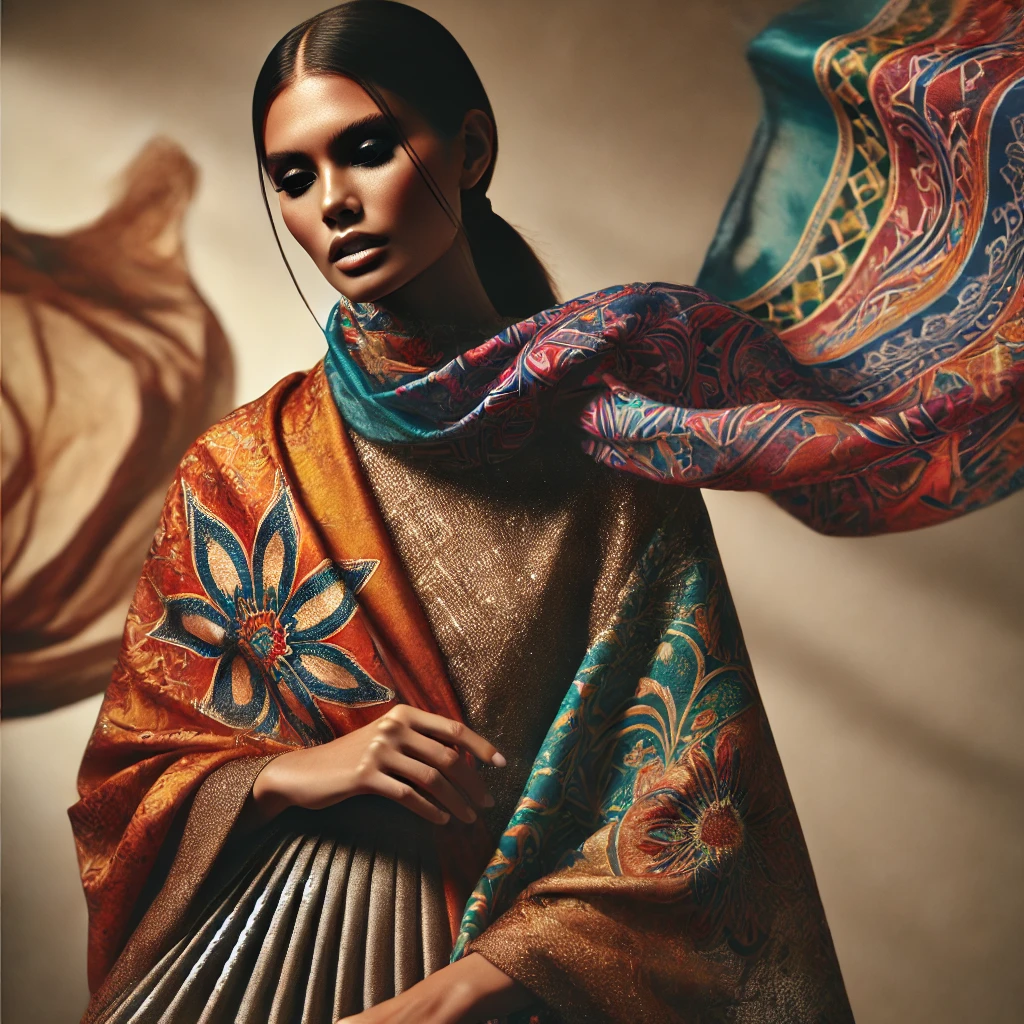
Sarong fashion photography blends movement, texture, and color to craft visually stunning images. When styled effectively, a sarong can transform an ordinary shot into an extraordinary fashion statement. However, achieving this level of artistry requires careful consideration of fabric and color. Both elements contribute significantly to the final composition, influencing the mood, aesthetic, and storytelling aspect of the image. In this guide, we’ll explore how fabric choices impact draping and motion, how color psychology affects visual storytelling, and how lighting techniques can enhance these elements. With the right approach, photographers can create striking images that exude elegance, vibrancy, and depth.
Why Trust The Candid Shoot?
At The Candid Shoot, we publish practical photography guides based on real-world shooting techniques, camera knowledge, lighting setups, and post-processing workflows. Our goal is to simplify photography concepts so beginners, hobbyists, creators, and professionals can capture better images with confidence.
Every guide is carefully reviewed and updated to reflect current photography trends, camera technology, AI-powered editing tools, and industry best practices. Whenever relevant, we reference trusted photography resources and official manufacturer documentation to ensure our recommendations remain accurate and reliable.
Whether you’re photographing products for an online store, social media, Amazon listings, or personal projects, our tutorials are designed to help you improve image quality while making informed equipment and workflow decisions.
Quick Answer
Product photography is the process of creating high-quality images that accurately showcase a product’s appearance, features, and details. Effective product photography combines proper lighting, composition, camera settings, backgrounds, and editing techniques to produce professional images that increase customer trust and improve online sales.
Learn More About Product Photography
If you’re looking to master product photography from beginner to advanced level, don’t miss our complete guide:
👉 Powerful Product Photography Secrets for Photos
Inside this comprehensive guide, you’ll learn:
- Camera settings for product photography
- Lighting techniques for every budget
- Background selection
- Composition tips
- Lens recommendations
- Editing workflow
- AI tools for product photography
- Studio setup ideas
- Photography mistakes to avoid
- Professional workflow from planning to final image
This pillar guide connects all of our product photography tutorials in one place, making it the perfect starting point for beginners and experienced photographers alike.
1. Why Fabric & Color Matter in Sarong Photography
The essence of sarong photography lies in its ability to highlight fluidity, vibrancy, and movement. Choosing the right fabric and color can elevate a simple photograph into a captivating masterpiece. But why do these factors matter so much?
- Enhances Visual Appeal – The right fabric can add texture and depth, while the right color can enhance composition and contrast.
- Creates a Mood – Colors influence emotions, shaping the overall tone of the image.
- Defines Silhouettes – Fabric draping can enhance or soften the subject’s form, depending on its weight and structure.
- Works with Lighting – Different fabrics and colors react uniquely to lighting conditions, affecting highlights, shadows, and exposure.
By carefully selecting both fabric and color, photographers can achieve a balance between movement, emotion, and composition.
2. Choosing the Right Fabric for Sarong Photography
A. Lightweight vs. Heavy Fabrics: How They Affect Movement
Fabric weight plays a crucial role in how a sarong behaves during a shoot. Some fabrics flow effortlessly with the wind, while others maintain a more structured look.
- Sheer Chiffon & Silk – These lightweight fabrics create an ethereal effect, perfect for beachside or dreamy editorial shoots. They respond beautifully to movement, enhancing fluidity in images.
- Cotton & Linen – These offer a relaxed, natural drape, making them ideal for casual or bohemian-style photography.
- Satin & Charmeuse – With a glossy, reflective surface, these fabrics exude luxury and elegance, adding a refined touch to high-fashion photography.
- Lace & Crochet – Textured fabrics introduce intricate patterns, enhancing artistic composition while allowing light to filter through.
💡 Pro Tip: For motion shots, opt for lightweight fabrics that flow naturally in the wind or during movement.
B. How Fabric Transparency Affects Lighting & Depth
Fabric transparency influences how light interacts with the sarong, creating different effects based on the photographer’s vision.
- Opaque Fabrics – These provide solid color blocks, defining strong silhouettes and enhancing contrast.
- Semi-Sheer Fabrics – They diffuse light gently, producing soft, romantic visuals, especially in natural light settings.
- Completely Sheer Fabrics – Perfect for layering, these fabrics add depth and intrigue by allowing light to pass through.
💡 Pro Tip: Position the sarong between the model and a light source to create stunning silhouettes and depth.
3. The Psychology of Color in Sarong Fashion Photography
Colors play a significant role in setting the mood of a photograph. They can evoke emotions, create contrast, and define artistic direction.
A. Best Colors for Different Themes
Selecting the right color depends on the intended theme and atmosphere of the shoot:
- Earthy Neutrals (Beige, Brown, Olive) – Ideal for organic, bohemian, or natural settings.
- Deep Reds & Oranges – These shades bring warmth, passion, and energy, making them perfect for bold fashion statements.
- Soft Pastels (Pink, Lavender, Sky Blue) – These hues convey romance and femininity, often used in delicate, ethereal photography.
- Monochromatic (Black, White, Gray) – Creates a sophisticated, timeless look, perfect for minimalist compositions.
- Jewel Tones (Emerald, Sapphire, Ruby) – These rich colors exude luxury and depth, often associated with high-fashion imagery.
💡 Pro Tip: Choose colors that complement the location to create a visually harmonious effect.
B. How to Use Color Contrasts & Harmony in Photoshoots
Understanding color theory enhances the visual impact of a photograph.
- Complementary Colors: Pairing colors opposite on the color wheel (e.g., blue and orange) creates striking contrast and visual pop.
- Analogous Colors: Using neighboring shades (e.g., green, turquoise, and blue) results in a harmonious, calming effect.
- Monochrome Styling: Sticking to one color in varying shades adds depth while maintaining cohesion.
💡 Pro Tip: Use bold-colored sarongs against neutral or textured backgrounds to create a focal point in your composition.
4. Lighting Techniques to Enhance Fabric & Color
A. Natural Light vs. Artificial Light
Lighting dramatically impacts how fabric and color appear in a photograph.
- Golden Hour (Sunrise & Sunset): Enhances warm tones, making reds, yellows, and oranges glow beautifully.
- Midday Sunlight: Creates high contrast, highlighting fabric textures and details.
- Artificial Light (Softboxes & LED Panels): Provides control over highlights and shadows, ensuring balanced exposure.
💡 Pro Tip: Avoid harsh midday sunlight on sheer fabrics, as it can overexpose delicate details. Instead, use diffused lighting.
B. How to Make Colors Pop in Photography
To enhance vibrancy and richness in sarong photography:
- Use a polarizing filter to reduce glare and deepen hues.
- Adjust highlights and shadows in post-processing to refine color contrast.
- Apply color grading techniques to set the mood and enhance tones.
- Incorporate reflectors to bounce light onto the fabric, intensifying its natural color.
💡 Pro Tip: A neutral background allows bright-colored sarongs to stand out without visual distractions.
5. Posing & Composition: Showcasing Fabric & Color
A. Poses That Highlight Fabric Movement
To emphasize fabric fluidity, experiment with dynamic poses:
✔ Twirling or spinning to capture the sarong’s natural wave. ✔ Lifting one end to create a billowing effect. ✔ Letting the wind interact with the fabric for effortless motion.
💡 Pro Tip: Use a slow shutter speed to capture motion blur, adding a dreamy touch to the composition.
B. Composition Tips to Enhance Color & Texture
- Frame the Model Strategically: Use natural elements (such as waves, trees, or sand) to complement the sarong’s hue.
- Rule of Thirds: Position the model slightly off-center for a dynamic composition.
- Close-Up Details: Capture textures by zooming in on intricate patterns, folds, or embellishments.
💡 Pro Tip: If using a solid-colored sarong, introduce textured backgrounds like stone walls or rippling water for contrast.
Final Thoughts: Elevating Sarong Fashion Photography
Fabric and color in sarong fashion photography play a vital role in shaping the visual impact of sarong photography. When combined thoughtfully with lighting and composition, these elements create breathtaking images that convey emotion, movement, and style. By experimenting with different textures, colors, and lighting techniques, photographers can push creative boundaries and capture truly mesmerizing shots.
Frequently Asked Questions:
What is product photography?
Product photography is the process of photographing products in a way that highlights their features, quality, and design. High-quality product photos help businesses increase customer trust, improve conversions, and reduce product returns.
What equipment is best for product photography?
For most products, you’ll need:
A camera or modern smartphone
A tripod
Softbox or LED lighting
White or colored background
Reflectors or diffusers
Basic photo editing software
Professional equipment can improve quality, but proper lighting is usually more important than an expensive camera.
What lighting is best for product photography?
Soft, diffused lighting is generally the best choice because it minimizes harsh shadows and accurately represents product colors. Softboxes, LED panels, and natural window light are commonly used depending on the shooting environment.
How can I improve product photography for eCommerce?
To improve eCommerce product photos:
Use consistent lighting
Keep backgrounds clean
Photograph multiple angles
Show product details and textures
Maintain accurate colors
Optimize image size for faster website loading
Edit images without making the product look unrealistic
Can I use a smartphone for product photography?
Yes. Modern smartphones can produce professional-looking product photos when paired with good lighting, a stable tripod, and proper editing. For many small businesses, a smartphone is an excellent starting point before investing in dedicated camera equipment.
Why is product photography important for online sales?
Customers cannot physically inspect products online. High-quality product images build trust, improve user experience, increase click-through rates, and often lead to higher conversion rates while reducing product returns.
Can AI improve product photography?
Yes. AI tools can remove backgrounds, enhance image quality, improve lighting, generate realistic backgrounds, resize images for different marketplaces, and automate editing workflows. AI should be used to enhance product photos while keeping them accurate and representative of the actual product.
What image size is best for product photography websites?
The ideal image size depends on the platform, but most websites perform well with:
JPEG or WebP format
1200–2000 pixels on the longest side
Compressed images under 300 KB when possible
Proper alt text for accessibility and SEO
Related Product Photography Guides
Continue improving your photography skills with these helpful resources:
- Product Photography Lighting Guide
- Best Cameras for Product Photography
- DIY Product Photography Setup at Home
- White Background Product Photography Tips
- Product Photography Camera Settings Explained
- Best Lenses for Product Photography
- AI Product Photography Tools
- Product AI Photo Editing Guide
- Photography Tutorials for Beginners
Recommended Resources
Improve Your Product Photography Skills
Photography is a skill that improves with practice. Try experimenting with different lighting setups, camera angles, and editing techniques to discover what works best for your products. Even small improvements in composition and lighting can make your images look significantly more professional.
If you enjoyed this guide, explore more tutorials on The Candid Shoot to continue improving your photography skills.




Leave a Reply