
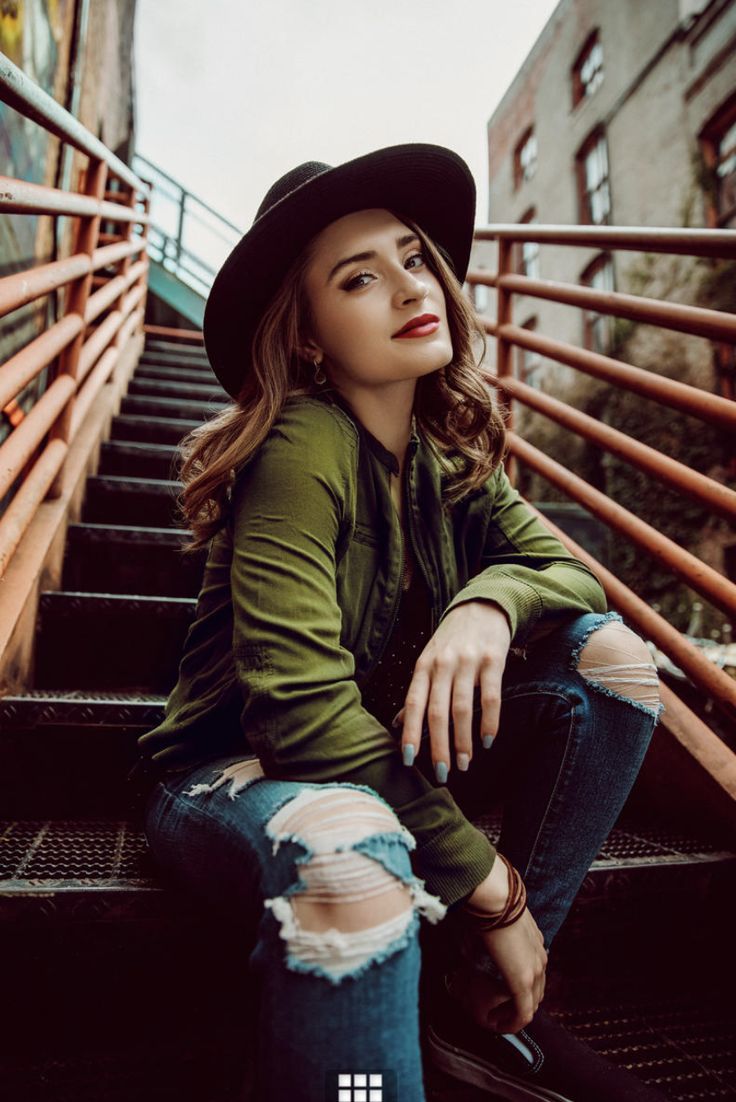
This guide will take you through everything you need to know about posing clients for stunning portraits. From understanding body language to creating a comfortable environment, this blog explores techniques to ensure your clients look natural and confident in every shot.
Table of Contents
Introduction
Posing is a vital element of portrait photography. It can elevate a photo from ordinary to extraordinary, highlighting the subject’s best features while conveying emotion and personality. However, many photographers—especially beginners—find posing to be one of the most challenging aspects of their craft for Stunning Portraits.
1. Why Posing Matters in Portrait Photography for Stunning Portraits
The way a subject poses can dramatically impact the overall mood, composition, and storytelling of a portrait. A good pose not only flatters the subject but also enhances the emotional connection between the viewer and the image.
1.1 Creating Confidence and Comfort
Proper posing helps clients feel confident and at ease. When clients feel comfortable, they naturally appear more relaxed, leading to authentic and engaging portraits.
1.2 Highlighting Individuality
Every client is unique. A thoughtful pose can reflect their personality, style, and the story they want to convey through the photograph.
1.3 Balancing Aesthetics and Storytelling
Good posing strikes a balance between aesthetic appeal and emotional storytelling, making your portraits visually captivating and meaningful.
2. Preparing for a Portrait Session
The key to successful posing begins before the session even starts. Preparation helps you build trust with your clients and ensures a smooth workflow during the shoot.
2.1 Understand Your Client’s Goals
Ask questions to determine the purpose of the shoot. Are they looking for professional headshots, family portraits, or artistic images? This information will guide your posing approach.
2.2 Study Their Best Features
Take time to observe your client’s unique features, such as their facial structure, posture, and expressions. This helps you suggest poses that flatter them the most.
2.3 Communicate Your Vision
Share your ideas and plans with your client before the session. Clear communication builds trust and ensures they feel involved in the creative process.
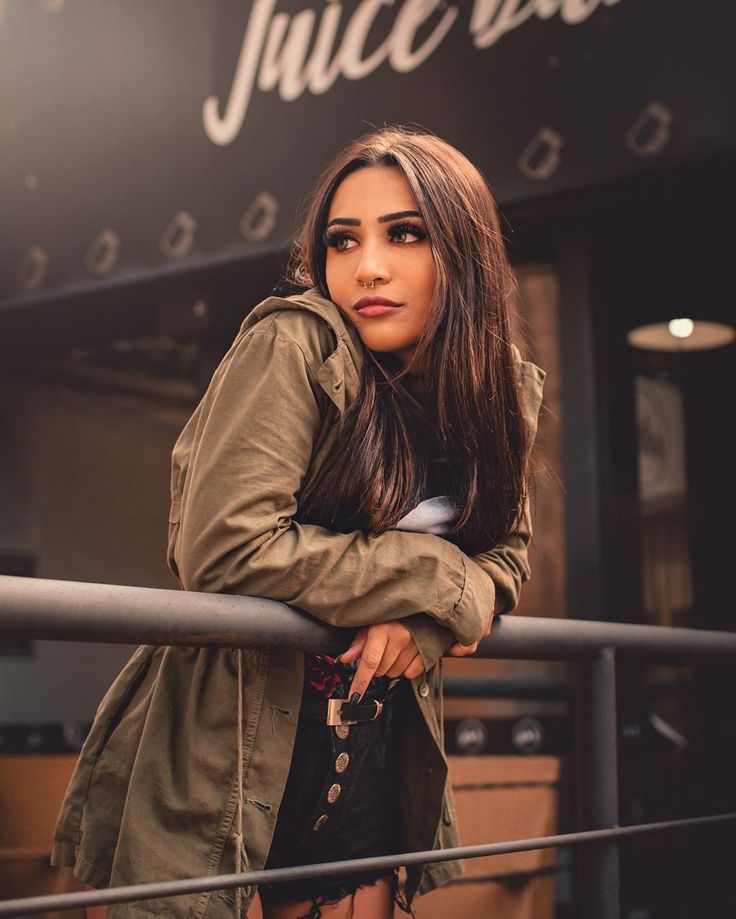
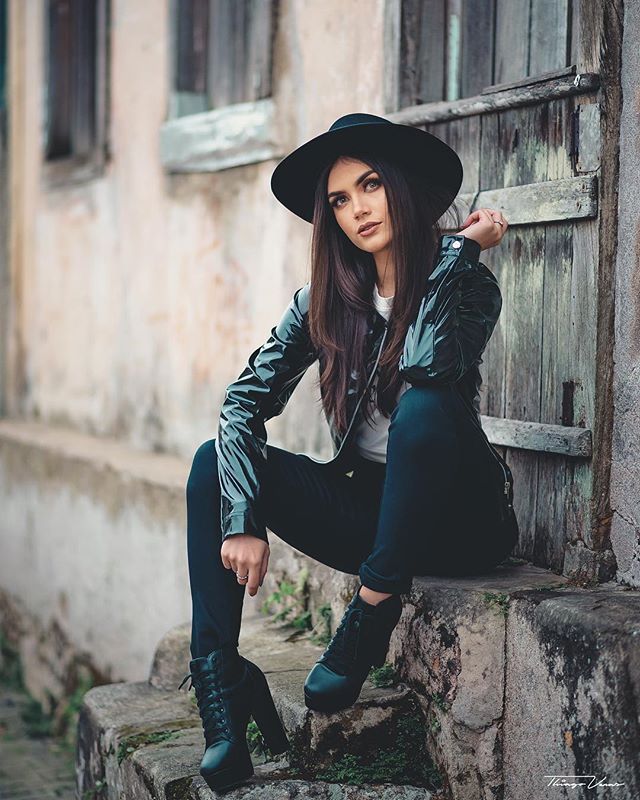
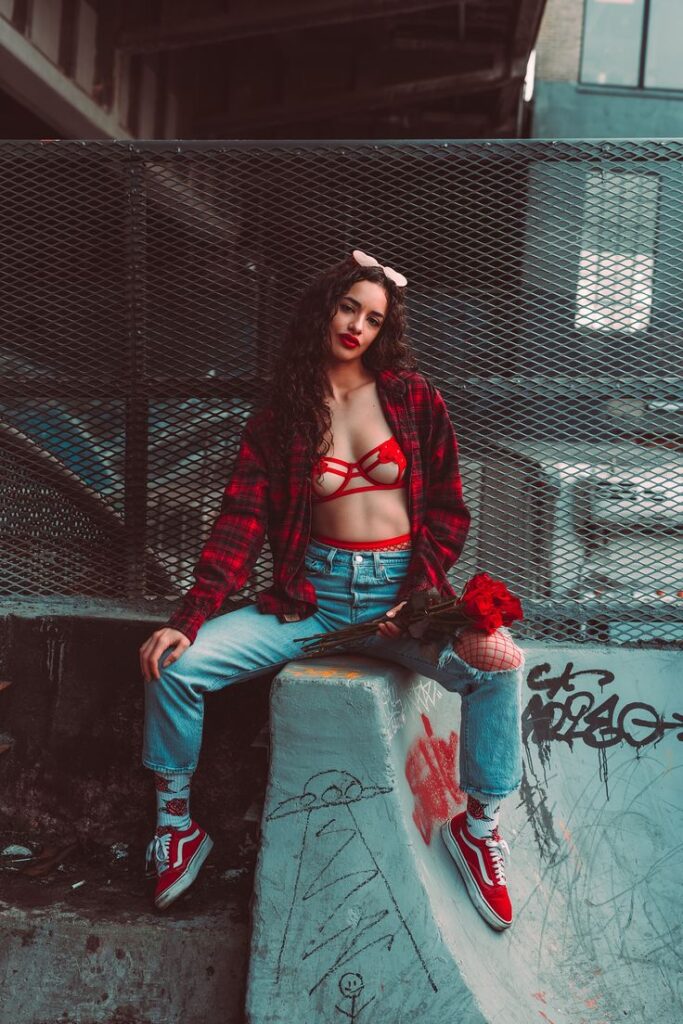
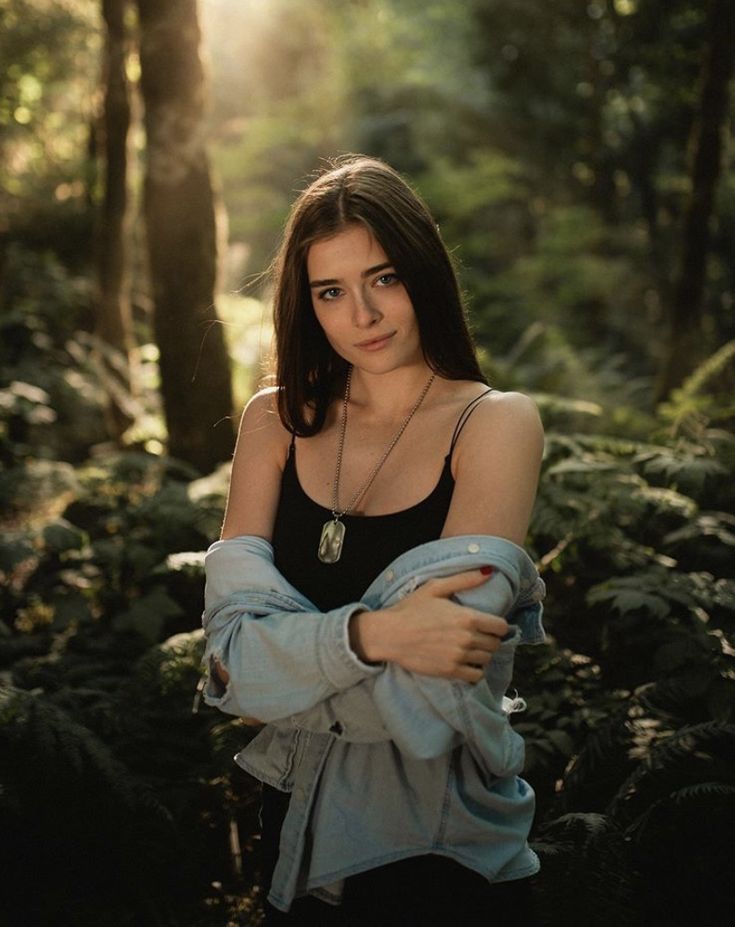
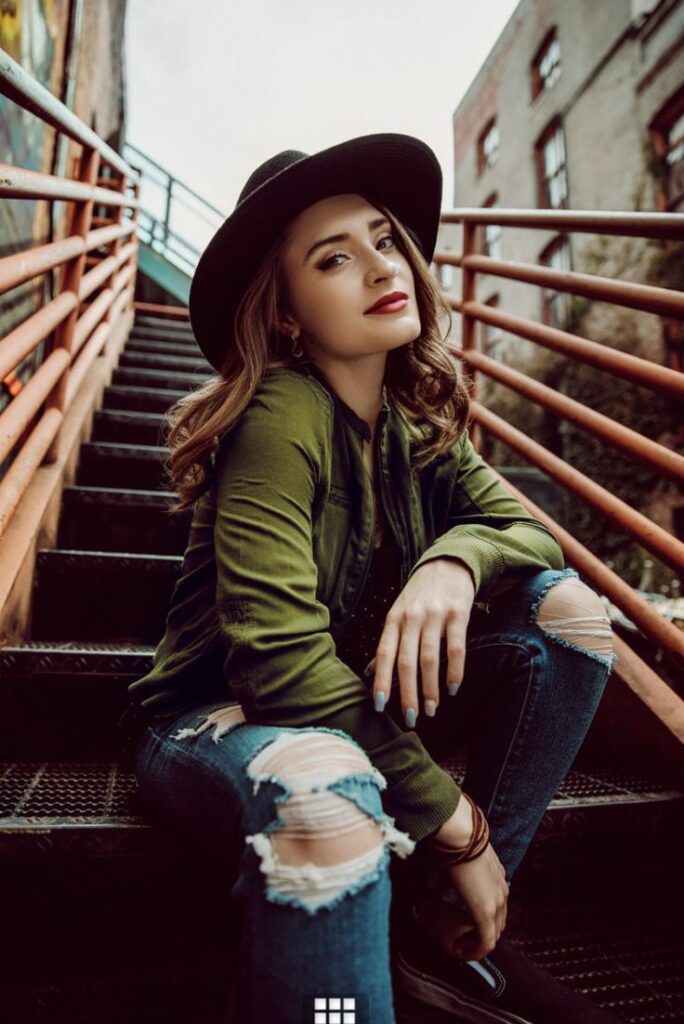
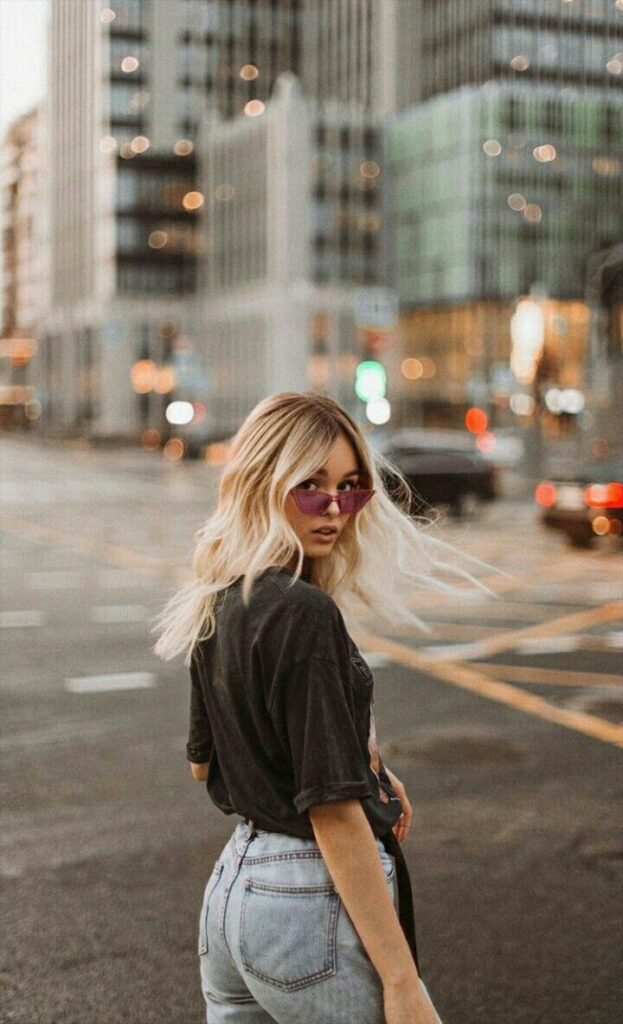
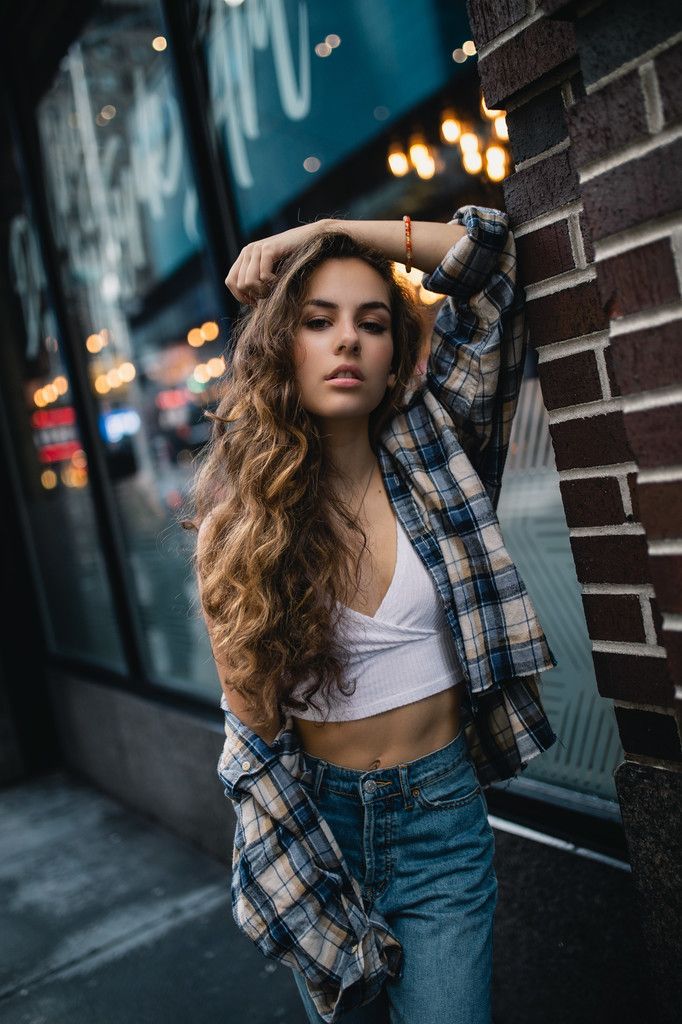
3. Building Rapport for Natural Posing
Creating a comfortable environment is essential for capturing natural and stunning poses.
3.1 Start with Small Talk
Engage in casual conversation to help your client relax. Discuss their interests, hobbies, or any topic that puts them at ease.
3.2 Use Positive Reinforcement
Encourage and compliment your clients throughout the session. Positive reinforcement boosts their confidence and helps them feel more comfortable in front of the camera.
3.3 Offer Gentle Guidance
Avoid overwhelming your clients with complex instructions. Use simple language and demonstrate poses yourself to make the process easier to follow.
4. The Basics of Posing: Body Language and Posture
Understanding body language and posture is crucial for creating visually appealing portraits.
4.1 The Importance of Good Posture
Encourage your clients to stand or sit up straight with their shoulders relaxed. Good posture enhances confidence and creates clean lines in the image.
4.2 Angles and Lines
- Diagonal Lines: Introduce movement and dynamism by angling the shoulders or tilting the head slightly.
- Symmetry: For classic and formal portraits, symmetrical poses exude balance and elegance.
4.3 Avoiding Awkwardness
Watch out for stiff hands, tense shoulders, or unnatural angles. Subtle adjustments can make poses look more relaxed and organic.
5. Essential Posing Techniques for Beginners
Beginner-friendly poses provide a foundation for creating stunning portraits without overwhelming your clients.
5.1 The Triangle Method
Position the head, hands, and feet to form a triangle. This technique adds balance and visual interest to your composition.
5.2 The “S” Curve
For full-body portraits, guide your clients to create an “S” curve with their body by shifting their weight onto one leg and angling their hips and shoulders.
5.3 The Power of the Eyes
Direct your client’s gaze to create different moods:
- Looking at the Camera: Creates a connection with the viewer.
- Looking Away: Adds intrigue or introspection.
- Focus on Something Nearby: Helps them appear natural and thoughtful.
6. Posing for Different Types of Portraits
Poses vary depending on the type of portrait you’re capturing. Tailor your approach to match the style and purpose of the shoot.
6.1 Individual Portraits
- Highlight the subject’s unique personality.
- Experiment with hand placement (e.g., resting on the chin or tucked into a pocket).
- Use head tilts and subtle facial expressions to convey emotion.
6.2 Couple Portraits
- Focus on the connection between the two individuals.
- Use poses that emphasize intimacy, such as holding hands, embracing, or playful interactions.
- Maintain balance in the composition by alternating who leads the pose.
6.3 Group Portraits
- Arrange individuals in layers for depth.
- Vary poses slightly to avoid stiffness.
- Ensure everyone is comfortably positioned and has clear visibility.
7. Creative Posing Ideas for Stunning Portraits
Inject creativity into your portraits by experimenting with poses that break away from traditional norms.
7.1 Movement and Interaction
Encourage your clients to move—walk, twirl, or interact with their surroundings. Capturing moments in motion often results in dynamic and authentic images.
7.2 Use of Props
Incorporate props that add context to the portrait. For example:
- A book for a contemplative look.
- A musical instrument for artistic flair.
- A flower for soft, romantic vibes.
7.3 Playing with Perspective
Experiment with angles and perspectives to create visually striking poses. Shoot from above, below, or through objects to add depth and interest.
8. Inclusive Posing Tips for All Clients
Inclusive posing celebrates diversity and ensures every client feels valued and comfortable during their session.
8.1 Respect Individual Comfort Levels
Always ask for consent before trying poses that may feel too vulnerable or intimate for your client.
8.2 Celebrate Diversity
Highlight the unique qualities of each client, from their cultural background to their body type. Avoid one-size-fits-all approaches to posing.
8.3 Adapt to Accessibility Needs
If your client has specific needs, adapt your poses and setups to ensure they are fully included in the creative process.
9. Tips for Natural Expressions in Portraits
Expressions can make or break a portrait. Guide your clients to bring out their most authentic selves.
9.1 Make Them Laugh
Share a funny story or joke to elicit genuine smiles and laughter.
9.2 Capture Candid Moments
Take photos between poses when your clients are most relaxed. These unplanned shots often capture raw emotions.
9.3 Encourage Eye Contact
Guide your clients to look directly into the camera, at a specific point, or at another person in the frame, depending on the story you want to tell.
10. Post-Processing: Refining Your Portraits
Editing enhances your portraits by fine-tuning colors, tones, and details.
10.1 Enhance Natural Features
Subtly retouch skin, brighten eyes, and sharpen details without losing the client’s natural essence.
10.2 Adjust Poses in Post
Use cropping or slight perspective corrections to improve the composition and balance of poses.
10.3 Maintain Consistency
Apply a cohesive editing style to unify your portfolio and reinforce your artistic identity.
Conclusion: The Art of Posing for Stunning Portraits
Mastering the art of posing is essential for creating memorable and impactful portraits. By understanding body language, tailoring poses to the individual, and fostering an inclusive environment, you can help your clients feel confident and look their best in every photo.
Remember, posing is a collaborative process that grows with experience. Practice, experiment, and stay open to your client’s input to elevate your portrait photography to new heights.
About The Candid Shoot
The Candid Shoot is an independent photography resource dedicated to helping photographers, creators, couples, models, brands, and photography enthusiasts make better decisions and create better images.
Our content covers practical photography techniques, camera and equipment guidance, posing ideas, portrait and fashion photography, product photography, AI photography tools, and photography workflows.
We focus on practical, experience-informed guidance rather than simply repeating generic information found across the web. Our goal is to make photography easier to understand, easier to apply, and more useful in real-world situations.
Why Trust The Candid Shoot?
We build our articles around a simple editorial principle: useful information first, clear explanations second, and unnecessary hype last.
Our articles are developed with attention to:
- Practical photography use cases and real-world shooting situations
- Camera, lens, software, and photography workflow considerations
- Clear explanations for beginners while retaining useful information for experienced creators
- Current tools, techniques, and photography trends where relevant
- Comparisons of advantages, limitations, features, and practical applications
- Original editorial organization instead of simply rewriting existing articles
- Internal linking to related photography resources so readers can explore a topic in depth
Our objective is not to recommend something simply because it is popular. We aim to explain when a technique, tool, workflow, or approach makes sense — and when it may not.
Our Editorial Process
Every article published on The Candid Shoot follows a structured editorial process designed to improve accuracy, usefulness, and clarity.
Research: We review relevant photography concepts, tools, techniques, product information, and established industry resources before developing an article.
Practical Evaluation: Information is considered from the perspective of actual photography use cases, including shooting conditions, workflow, composition, posing, editing, equipment selection, and creator needs.
Editorial Development: We organize information into clear sections, practical explanations, examples, recommendations, and actionable takeaways.
Fact Checking: Technical claims, specifications, terminology, and important factual information are checked against reliable sources where appropriate.
Reader-First Review: We evaluate whether the article actually answers the search intent, whether the recommendations are understandable, and whether the content provides useful next steps.
Ongoing Updates: Articles may be reviewed and updated when photography technology, software, equipment, techniques, or industry practices change.
Our Editorial Standards
The Candid Shoot aims to keep its editorial content:
Accurate: We work to verify important technical and factual information.
Useful: Information should help the reader solve a real photography problem or make a better decision.
Transparent: We distinguish educational guidance, editorial opinions, comparisons, and factual information.
Practical: Wherever possible, we focus on how photography concepts can actually be applied.
Independent: Articles are created to serve readers first rather than simply promote a product, technique, or trend.
Sources & Photography Resources
We believe readers should be able to continue their research. Depending on the topic, our articles may reference or recommend authoritative photography and technology resources.
Useful external resources may include:
- Adobe Photography
- Adobe Lightroom
- Nikon Learn & Explore
- Canon Learning
- Sony Alpha Universe
- Google Search Central
- Google AI
- OpenAI
External links are included where they provide additional context, technical information, official documentation, or useful learning resources.
Explore More From The Candid Shoot
Continue learning through our photography resources:
Photography Tutorials:
https://thecandidshoot.com/category/photography-tutorials/
Couple Photography:
https://thecandidshoot.com/category/couple-photography/
Camera & Equipment:
https://thecandidshoot.com/category/camera-equipment/
Portrait & Fashion Photography:
https://thecandidshoot.com/category/portrait-fashion-photography/
Product Photography:
https://thecandidshoot.com/category/product-photography/
AI Photography:
https://thecandidshoot.com/category/ai-photography/
Photography Guides & Resources:
https://thecandidshoot.com/
Reader Feedback & Reviews
The Candid Shoot values feedback from photographers, creators, and readers who use our guides in their own work.
Reader questions and feedback help us identify confusing topics, missing information, outdated recommendations, and areas where an article can become more useful.
We continually use this feedback to improve the quality, clarity, and practical value of our photography resources.
Editorial Note
Photography is highly dependent on the subject, lighting conditions, equipment, creative goals, budget, and shooting environment. Recommendations that work for one photographer may not be ideal for another.
For that reason, The Candid Shoot focuses on explaining the reasoning behind a recommendation instead of presenting every technique, product, or workflow as universally suitable.
Related Articles
Continue exploring The Candid Shoot’s photography guides:
- 25 Essential Photography Tutorials for Beginners
Learn the fundamentals of photography, camera settings, exposure, lenses, and essential techniques. - 25 Essential Camera & Equipment Buying Secrets
Understand cameras, lenses, sensors, autofocus, and how to choose photography equipment wisely. - 35 Powerful Portrait & Fashion Photography Secrets
Explore portrait composition, lighting, posing, cameras, and fashion photography techniques. - 45 Powerful Product Photography Secrets
Discover practical product photography techniques, lighting setups, equipment, and creative ideas. - 30 Easy Couple Poses for Photoshoot at Home
Find simple, romantic, candid, and creative couple poses for indoor and outdoor photoshoots. - How to Use Golden Hour for Stunning Travel Photos
Learn how golden-hour lighting can improve portraits, landscapes, travel photos, and outdoor photography. - AI Photography Guide: Powerful Tools and Tips
Explore AI photography tools, editing workflows, image enhancement, and practical AI techniques. - Couple Photography Guide
Explore more couple photography ideas, posing guides, romantic concepts, and creative photoshoot inspiration. - Photography Tutorials
Browse practical photography tutorials covering camera techniques, composition, lighting, editing, and beginner guidance. - Camera & Equipment Guides
Explore camera buying guides, lenses, equipment comparisons, photography gear, and technical resources.
Last reviewed: [August, 2026]
Editorial team: The Candid Shoot Editorial Team





Leave a Reply