

This blog explores the techniques, strategies, and creative approaches necessary to capture genuine emotions in portrait photography. By mastering these skills, you can take your portraits to the next level, creating images that leave a lasting impact.
Table of Contents
Portrait photography is more than just taking pictures of people—it’s about telling a story, evoking feelings, and capturing the essence of a person. At its core, portrait photography is an art form that conveys emotions through imagery, creating a powerful connection between the subject, the photographer, and the viewer.
1. Understanding the Power of Emotions in Portraits
Emotions are the heart of portrait photography. They add depth, authenticity, and relatability to your images. A photograph that conveys emotion can evoke a visceral reaction, allowing the viewer to connect with the subject on a deeper level.
1.1 Emotional Storytelling
Each portrait tells a story. Whether it’s a moment of joy, introspection, or vulnerability, the emotions conveyed in a portrait can transform an image from a simple photo to a meaningful narrative.
1.2 Why Authenticity Matters
Genuine emotions resonate more strongly than staged expressions. Capturing authentic moments creates trust and relatability, making your portraits stand out.






2. Building a Connection with Your Subject
Establishing trust and rapport with your subject is key to capturing raw emotions. A comfortable subject is more likely to open up, allowing their genuine personality to shine through.
2.1 Communication Is Key
Begin by having an open conversation with your subject. Ask them about their interests, experiences, and what they hope to achieve through the session. This helps you understand their personality and emotional state.
2.2 Create a Relaxed Environment
The atmosphere during a shoot can influence the emotions captured. Use calming tones, positive reinforcement, and a friendly demeanor to make your subject feel at ease.
2.3 The Importance of Empathy
Empathy allows you to understand your subject’s feelings and connect with them on a deeper level. This connection translates into more emotive portraits that reflect the subject’s true self.
3. Mastering the Role of Lighting in Emotional Portraits
Lighting is one of the most powerful tools in portrait photography. It shapes the mood of your images and highlights the emotions you want to convey.
3.1 Soft Light for Tender Emotions
Soft lighting, such as diffused natural light or light from a softbox, is ideal for capturing gentle, introspective emotions. It smoothens shadows and creates a serene, calming effect.
3.2 Dramatic Light for Intensity
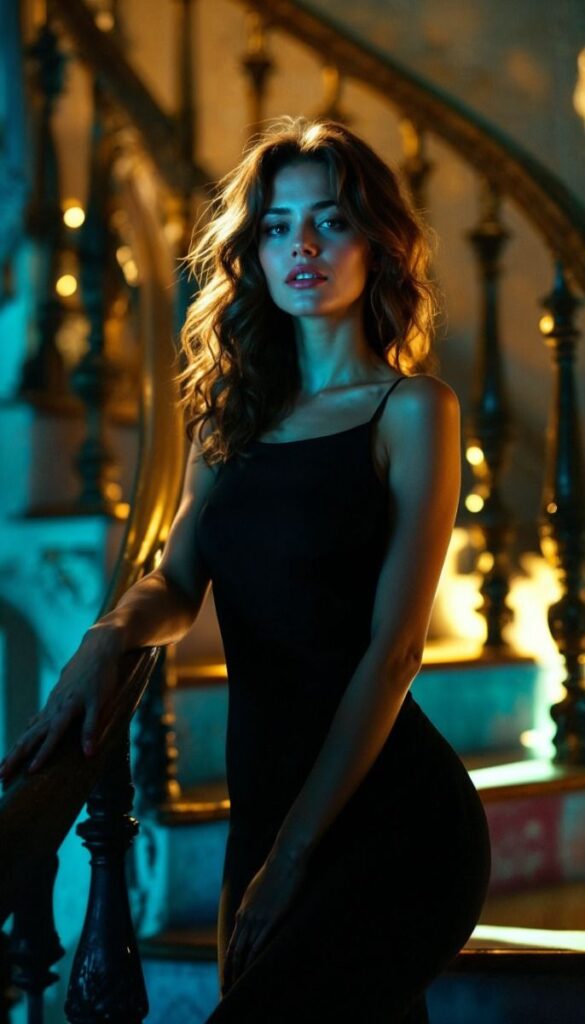
Hard, directional light adds drama and intensity to a portrait. It can emphasize strong emotions like determination or sorrow by creating bold contrasts and deep shadows.
3.3 Backlighting for Ethereal Vibes
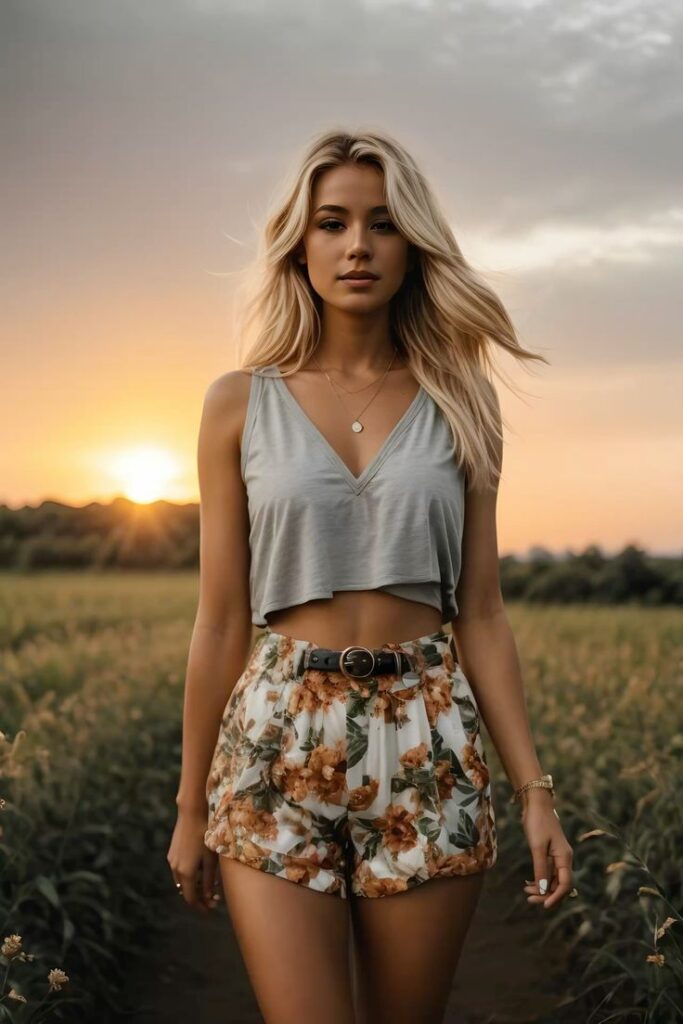
Backlighting creates a dreamy, otherworldly effect that’s perfect for portraits with a sense of wonder or nostalgia. It highlights silhouettes and adds a halo-like glow to the subject.
4. The Role of Composition in Evoking Emotions
Composition directs the viewer’s eye and influences how they perceive the emotions in a portrait. Strategic framing, angles, and placement play a critical role in storytelling.
4.1 Rule of Thirds for Balance
The rule of thirds creates a harmonious composition that naturally draws the viewer’s attention to the subject. It’s a versatile technique for capturing balanced and emotionally compelling portraits.
4.2 Close-Ups for Intimacy
Close-up shots emphasize facial expressions, drawing attention to the eyes, mouth, and other features that convey emotion. These details make the portrait feel personal and intimate.
4.3 Negative Space for Reflection
Incorporating negative space can create a sense of solitude or contemplation. It allows the subject to stand out while giving the viewer room to interpret the emotions in the image.
5. Capturing Emotion Through Body Language and Expressions
Facial expressions and body language are the primary ways subjects convey emotion in portraits. As a photographer, your ability to notice subtle cues can make or break a shot.
5.1 The Power of Eye Contact
Eyes are often called the “windows to the soul” for a reason. Direct eye contact can convey confidence, intimacy, or intensity, while averted gazes suggest thoughtfulness or vulnerability.
5.2 Posture and Gestures
The way a subject holds their body can communicate a wide range of emotions. A relaxed posture suggests ease, while tense shoulders or crossed arms may indicate discomfort or strength.
5.3 Encouraging Natural Expressions
Rather than directing every detail, encourage your subject to move naturally and express themselves freely. This approach often leads to more authentic emotions.
6. Using Props and Settings to Enhance Emotional Storytelling
Props and settings can add context to your portraits, reinforcing the emotions you aim to capture.
6.1 Meaningful Props
Incorporate items that hold personal significance for your subject. A cherished book, a musical instrument, or even a favorite scarf can evoke memories and emotions.
6.2 Choosing the Right Background
The setting of your shoot can amplify the mood. A bustling cityscape can convey energy, while a quiet forest suggests peace and solitude. Match the background to the story you want to tell.
6.3 Subtle Symbolism
Props and settings with symbolic meaning can add layers to your portraits. For example, an open window might symbolize freedom, while a worn bench could suggest nostalgia.
7. The Role of Color in Emotional Portraits
Colors have a psychological impact, influencing how emotions are perceived in an image. Thoughtful use of color can elevate your portraits and evoke specific feelings.
7.1 Warm Tones for Passion
Colors like red, orange, and yellow create feelings of warmth, energy, and passion. Use them for portraits that convey excitement or intensity.
7.2 Cool Tones for Serenity
Blue, green, and purple tones evoke calmness and introspection. These hues work well for serene or melancholic portraits.
7.3 Monochrome for Timeless Emotion
Black-and-white portraits strip away distractions, focusing solely on the subject’s expressions and emotions. This classic approach highlights the rawness of the moment.
8. Timing: Capturing the Perfect Emotional Moment
Great portrait photography often comes down to timing. The right moment can reveal emotions that staged poses cannot.
8.1 Anticipating Reactions
Pay close attention to your subject’s body language and expressions. Anticipating their reactions allows you to capture fleeting emotions.
8.2 Patience Is Key
Don’t rush the process. Allow your subject time to relax, open up, and reveal their true self. Patience often results in the most genuine moments.
8.3 The Beauty of Candid Shots
Unposed, candid moments often carry the most authentic emotions. Be ready to capture these natural expressions as they happen.
9. Post-Processing: Enhancing Emotions in Portraits
Editing can bring out the emotions in your portraits, emphasizing mood and storytelling.
9.1 Adjusting Contrast and Highlights
Fine-tuning contrast and highlights can add depth and drama to your portraits, enhancing the emotional impact.
9.2 Selective Color Grading
Subtle changes to color tones can shift the mood of an image. For instance, adding warm tones can evoke comfort, while cooler tones suggest introspection.
9.3 Removing Distractions
Use editing tools to eliminate distractions in the background or on the subject’s face. This ensures the focus remains on the emotions in the image.
10. Tips for Inclusive and Respectful Portrait Photography
As a portrait photographer, it’s essential to create a space that respects and celebrates diversity.
10.1 Embrace Individuality
Every subject has a unique story. Celebrate their individuality by highlighting what makes them special in your portraits.
10.2 Respect Cultural and Personal Boundaries
Always communicate with your subject to ensure they feel comfortable and respected. Avoid imposing ideas that may not align with their identity.
10.3 Showcase Diversity
Include subjects from different backgrounds, cultures, and lifestyles in your portfolio. This approach broadens your perspective and appeals to a wider audience.
Conclusion: The Art of Emotional Connection in Portrait Photography
Mastering the art of capturing emotions in portrait photography requires more than technical skill—it demands empathy, creativity, and a genuine connection with your subject. By building trust, using thoughtful techniques, and embracing the unique stories of your subjects, you can create portraits that resonate deeply with viewers.
Remember, the goal of portrait photography is not just to take a picture, but to capture a feeling. With practice and intention, you can elevate your craft and create portraits that tell powerful emotional stories.
About The Candid Shoot
The Candid Shoot is an independent photography resource dedicated to helping photographers, creators, couples, models, brands, and photography enthusiasts make better decisions and create better images.
Our content covers practical photography techniques, camera and equipment guidance, posing ideas, portrait and fashion photography, product photography, AI photography tools, and photography workflows.
We focus on practical, experience-informed guidance rather than simply repeating generic information found across the web. Our goal is to make photography easier to understand, easier to apply, and more useful in real-world situations.
Why Trust The Candid Shoot?
We build our articles around a simple editorial principle: useful information first, clear explanations second, and unnecessary hype last.
Our articles are developed with attention to:
- Practical photography use cases and real-world shooting situations
- Camera, lens, software, and photography workflow considerations
- Clear explanations for beginners while retaining useful information for experienced creators
- Current tools, techniques, and photography trends where relevant
- Comparisons of advantages, limitations, features, and practical applications
- Original editorial organization instead of simply rewriting existing articles
- Internal linking to related photography resources so readers can explore a topic in depth
Our objective is not to recommend something simply because it is popular. We aim to explain when a technique, tool, workflow, or approach makes sense — and when it may not.
Our Editorial Process
Every article published on The Candid Shoot follows a structured editorial process designed to improve accuracy, usefulness, and clarity.
Research: We review relevant photography concepts, tools, techniques, product information, and established industry resources before developing an article.
Practical Evaluation: Information is considered from the perspective of actual photography use cases, including shooting conditions, workflow, composition, posing, editing, equipment selection, and creator needs.
Editorial Development: We organize information into clear sections, practical explanations, examples, recommendations, and actionable takeaways.
Fact Checking: Technical claims, specifications, terminology, and important factual information are checked against reliable sources where appropriate.
Reader-First Review: We evaluate whether the article actually answers the search intent, whether the recommendations are understandable, and whether the content provides useful next steps.
Ongoing Updates: Articles may be reviewed and updated when photography technology, software, equipment, techniques, or industry practices change.
Our Editorial Standards
The Candid Shoot aims to keep its editorial content:
Accurate: We work to verify important technical and factual information.
Useful: Information should help the reader solve a real photography problem or make a better decision.
Transparent: We distinguish educational guidance, editorial opinions, comparisons, and factual information.
Practical: Wherever possible, we focus on how photography concepts can actually be applied.
Independent: Articles are created to serve readers first rather than simply promote a product, technique, or trend.
Sources & Photography Resources
We believe readers should be able to continue their research. Depending on the topic, our articles may reference or recommend authoritative photography and technology resources.
Useful external resources may include:
- Adobe Photography
- Adobe Lightroom
- Nikon Learn & Explore
- Canon Learning
- Sony Alpha Universe
- Google Search Central
- Google AI
- OpenAI
External links are included where they provide additional context, technical information, official documentation, or useful learning resources.
Explore More From The Candid Shoot
Continue learning through our photography resources:
Photography Tutorials:
https://thecandidshoot.com/category/photography-tutorials/
Couple Photography:
https://thecandidshoot.com/category/couple-photography/
Camera & Equipment:
https://thecandidshoot.com/category/camera-equipment/
Portrait & Fashion Photography:
https://thecandidshoot.com/category/portrait-fashion-photography/
Product Photography:
https://thecandidshoot.com/category/product-photography/
AI Photography:
https://thecandidshoot.com/category/ai-photography/
Photography Guides & Resources:
https://thecandidshoot.com/
Reader Feedback & Reviews
The Candid Shoot values feedback from photographers, creators, and readers who use our guides in their own work.
Reader questions and feedback help us identify confusing topics, missing information, outdated recommendations, and areas where an article can become more useful.
We continually use this feedback to improve the quality, clarity, and practical value of our photography resources.
Editorial Note
Photography is highly dependent on the subject, lighting conditions, equipment, creative goals, budget, and shooting environment. Recommendations that work for one photographer may not be ideal for another.
For that reason, The Candid Shoot focuses on explaining the reasoning behind a recommendation instead of presenting every technique, product, or workflow as universally suitable.
Related Articles
Continue exploring The Candid Shoot’s photography guides:
- 25 Essential Photography Tutorials for Beginners
Learn the fundamentals of photography, camera settings, exposure, lenses, and essential techniques. - 25 Essential Camera & Equipment Buying Secrets
Understand cameras, lenses, sensors, autofocus, and how to choose photography equipment wisely. - 35 Powerful Portrait & Fashion Photography Secrets
Explore portrait composition, lighting, posing, cameras, and fashion photography techniques. - 45 Powerful Product Photography Secrets
Discover practical product photography techniques, lighting setups, equipment, and creative ideas. - 30 Easy Couple Poses for Photoshoot at Home
Find simple, romantic, candid, and creative couple poses for indoor and outdoor photoshoots. - How to Use Golden Hour for Stunning Travel Photos
Learn how golden-hour lighting can improve portraits, landscapes, travel photos, and outdoor photography. - AI Photography Guide: Powerful Tools and Tips
Explore AI photography tools, editing workflows, image enhancement, and practical AI techniques. - Couple Photography Guide
Explore more couple photography ideas, posing guides, romantic concepts, and creative photoshoot inspiration. - Photography Tutorials
Browse practical photography tutorials covering camera techniques, composition, lighting, editing, and beginner guidance. - Camera & Equipment Guides
Explore camera buying guides, lenses, equipment comparisons, photography gear, and technical resources.
Last reviewed: [August, 2026]
Editorial team: The Candid Shoot Editorial Team





Leave a Reply