Introduction
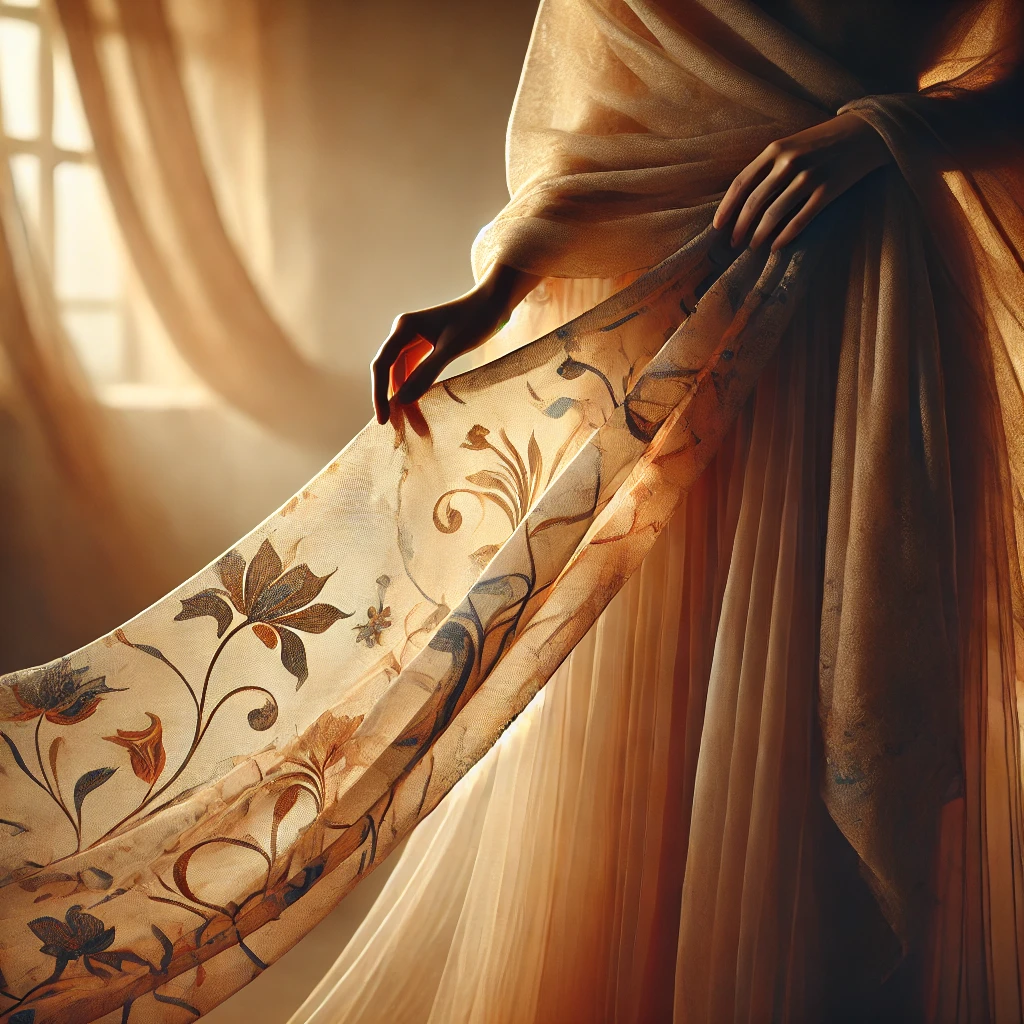
A sarong is one of the most versatile and captivating pieces of clothing for a sensual photoshoot. Whether sheer or opaque, loosely draped or tightly wrapped, it highlights natural curves while adding an element of mystery and allure. Unlike traditional lingerie or structured outfits, a sarong flows effortlessly, allowing for creative styling and graceful movement. When used thoughtfully, it enhances confidence, sensuality, and elegance in a way that feels both organic and artistic. In this guide, you’ll discover how to choose, drape, and style a sarong to create breathtaking, intimate photos. Whether you’re a model, a photographer, or someone experimenting with self-portraits, these techniques will help you achieve a high-end, artistic look.
Why Trust The Candid Shoot?
At The Candid Shoot, we publish practical photography guides based on real-world shooting techniques, camera knowledge, lighting setups, and post-processing workflows. Our goal is to simplify photography concepts so beginners, hobbyists, creators, and professionals can capture better images with confidence.
Every guide is carefully reviewed and updated to reflect current photography trends, camera technology, AI-powered editing tools, and industry best practices. Whenever relevant, we reference trusted photography resources and official manufacturer documentation to ensure our recommendations remain accurate and reliable.
Whether you’re photographing products for an online store, social media, Amazon listings, or personal projects, our tutorials are designed to help you improve image quality while making informed equipment and workflow decisions.
Quick Answer
Product photography is the process of creating high-quality images that accurately showcase a product’s appearance, features, and details. Effective product photography combines proper lighting, composition, camera settings, backgrounds, and editing techniques to produce professional images that increase customer trust and improve online sales.
Learn More About Product Photography
If you’re looking to master product photography from beginner to advanced level, don’t miss our complete guide:
👉 Powerful Product Photography Secrets for Photos
Inside this comprehensive guide, you’ll learn:
- Camera settings for product photography
- Lighting techniques for every budget
- Background selection
- Composition tips
- Lens recommendations
- Editing workflow
- AI tools for product photography
- Studio setup ideas
- Photography mistakes to avoid
- Professional workflow from planning to final image
This pillar guide connects all of our product photography tutorials in one place, making it the perfect starting point for beginners and experienced photographers alike.
1. Why a Sarong is Perfect for a Sensual Photoshoot
Unlike structured clothing, a sarong provides endless styling possibilities, making it an exceptional choice for intimate photography. The fabric’s fluidity allows it to shape and shift naturally, offering:
✔ Effortless elegance – Lightweight fabric that moves harmoniously with the body.
✔ Subtle seduction – A perfect balance between coverage and reveal, creating intrigue.
✔ Versatility – Various tying techniques that transform the mood of the shoot.
✔ Comfort & confidence – Unlike tight lingerie, a sarong offers freedom and ease.
By adjusting the way it drapes, you can evoke different moods—whether ethereal, dramatic, or delicately romantic—all within a single session.
2. Choosing the Right Sarong for a Sensual Photoshoot
The fabric, color, and design of a sarong play a significant role in shaping the overall aesthetic of the shoot. Choosing the right one is essential for achieving the desired mood.
A. Fabric Matters: Soft, Sheer, and Flowing
The fabric sets the tone and determines how the sarong interacts with light and movement:
- Sheer Chiffon or Silk – Creates a dreamlike, delicate effect, ideal for playing with transparency and light.
- Light Cotton or Linen – Perfect for effortless, natural, and beach-inspired sensuality.
- Satin or Lace – Adds a luxurious, sophisticated touch, especially in intimate indoor settings.
- Ombre or Printed Sarongs – Infuse depth and character into the images.
💡 Tip: Stiff fabrics can limit movement and make the styling look unnatural. Opt for materials that drape effortlessly for a more fluid, organic feel.
B. Colors & Patterns: Setting the Mood
The right color palette enhances both the mood and the composition of the images. Consider the following:
- Black & Deep Tones – Evoke mystery, drama, and elegance.
- Soft Pastels & Whites – Create a dreamy, romantic aesthetic.
- Vibrant Reds & Oranges – Express passion, confidence, and intensity.
- Earthy Neutrals & Blues – Convey a relaxed, effortless sensuality.
For the best visual impact, choose a sarong that complements both the subject’s skin tone and the background.
3. The Art of Draping a Sarong for Maximum Sensuality
The way a sarong is styled dramatically influences the mood of the shoot. Experimenting with different draping techniques can transform the aesthetic of each image.
A. Classic & Timeless Drapes
✔ The One-Shoulder Wrap – Gracefully exposes one side of the body while leaving the other covered.
✔ The Open Front Tuck – Loosely tied at the hip, creating an alluring, half-covered effect.
✔ The Halter Dress – Wrapped and secured behind the neck, forming an elegant, flowing silhouette.
💡 Photographer’s Tip: Each of these styles highlights different body angles. Experiment with positioning to discover the most flattering drapes.
B. Play with Movement & Layers
Instead of static posing, introduce movement for a more dynamic composition:
💨 Wind Play – A fan or natural breeze can make the fabric billow for a dramatic effect.
🎭 Layering & Peeling – Gradually revealing the body through subtle movements adds a sense of intrigue.
🌊 Underwater or Wet Draping – Water enhances fabric translucency, creating a sculptural, form-fitting effect.
By incorporating motion, the sarong becomes an extension of the body, making the images feel more alive and emotionally engaging.
4. Lighting & Composition for a Stunning Effect
Thoughtful lighting and composition can elevate a simple sarong drape into a masterpiece.
A. Lighting for Texture and Drama
- Soft Natural Light – Perfect for a warm, organic glow.
- Low-Key Lighting – Deep shadows emphasize curves and textures, creating depth.
- Backlighting – Highlights the silhouette and enhances the sheer quality of the fabric.
💡 Tip: A sheer sarong combined with backlight creates a stunning translucent effect, revealing the delicate interplay between light and fabric.
B. Composition & Posing for Elegance
- Rule of Thirds – Position the subject slightly off-center for a balanced, artistic composition.
- Delicate Hand Placements – Fingers gently grazing the fabric or adjusting the sarong add elegance.
- Silhouette Shots – Using light behind a sheer sarong creates a soft, dreamlike outline.
With the right composition and posing, the sarong becomes a storytelling element, framing the subject in an exquisite, sensual way.
5. Expressions & Emotion: Capturing the Mood
A sensual shoot is more than just styling—it’s about energy, emotion, and expression.
A. Eye Contact & Facial Expressions
👀 Direct Gaze – Radiates confidence and seduction.
😌 Soft, Downcast Eyes – Evokes intimacy and mystery.
💋 Slightly Parted Lips – Adds an air of effortless allure.
B. Body Language & Posture
💃 Relaxed, Natural Stance – Avoid stiffness; let the body settle organically.
🌀 Arching & Curves – Soft curves create an elegant, flowing silhouette.
🎭 Subtle Movements – Adjusting the sarong or shifting weight adds depth and authenticity.
Capturing the essence of the moment requires a balance between intentional styling and natural movement.
6. Post-Processing for a Refined Look
Even the most beautifully captured photo can benefit from subtle refinements. Post-processing should enhance the image, not overpower it.
🖌 Skin Softening – Keep it natural; avoid excessive airbrushing.
🎨 Color Toning – Adjust warmth, depth, and softness for a polished look.
💡 Highlighting Textures – Bring out fabric details and the interplay of light and shadow.
The goal is to retain the raw beauty while adding a professional, editorial finish.
Final Thoughts: The Magic of a Sarong in Sensual Photoshoot
Draping a sarong is more than just a styling choice—it’s an art form. The fabric moves with the body, creating an intimate connection with the camera. Whether capturing a delicate, romantic ambiance or a bold, dramatic composition, a sarong provides endless possibilities for self-expression.
By experimenting with light, movement, and styling, you can transform a simple piece of fabric into a breathtaking visual narrative. Embrace creativity, explore new techniques, and let the sarong become an extension of the story you wish to tell.
Frequently Asked Questions:
Related Product Photography Guides
Continue improving your photography skills with these helpful resources:
- Product Photography Lighting Guide
- Best Cameras for Product Photography
- DIY Product Photography Setup at Home
- White Background Product Photography Tips
- Product Photography Camera Settings Explained
- Best Lenses for Product Photography
- AI Product Photography Tools
- Product AI Photo Editing Guide
- Photography Tutorials for Beginners
Recommended Resources
Improve Your Product Photography Skills
Photography is a skill that improves with practice. Try experimenting with different lighting setups, camera angles, and editing techniques to discover what works best for your products. Even small improvements in composition and lighting can make your images look significantly more professional.
If you enjoyed this guide, explore more tutorials on The Candid Shoot to continue improving your photography skills.