
This blog will serve as a comprehensive guide to mastering the art of bold photography. From understanding its essence to applying practical techniques, you’ll find everything you need to take your creative vision to the next level.
Introduction to Bold Photography
Photography is more than capturing moments—it’s a medium of storytelling, a way to express individuality, and an opportunity to challenge conventions. Bold photography is a distinct style that thrives on courage, creativity, and an unapologetic approach to visual art. It goes beyond technical mastery to create images that evoke emotions, spark conversations, and challenge societal norms.
Why does confidence matter in photography? Confidence allows photographers to step out of their comfort zones, experiment fearlessly, and trust their instincts. Bold photography doesn’t follow the beaten path; it creates its own.
2. Understanding Bold Photography
Defining Boldness in Visual Art
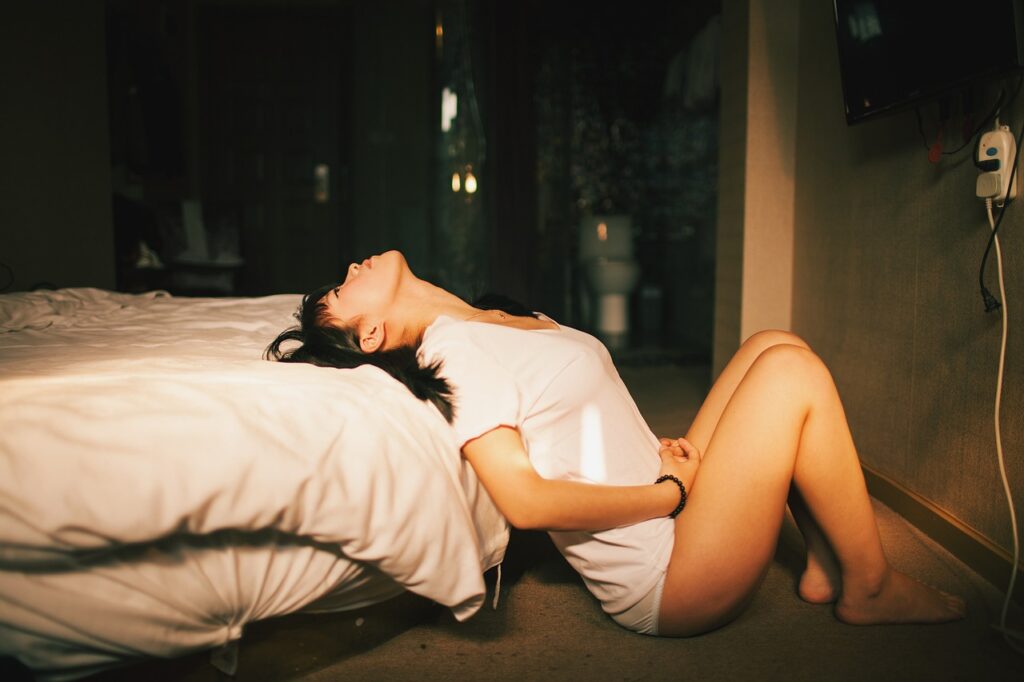
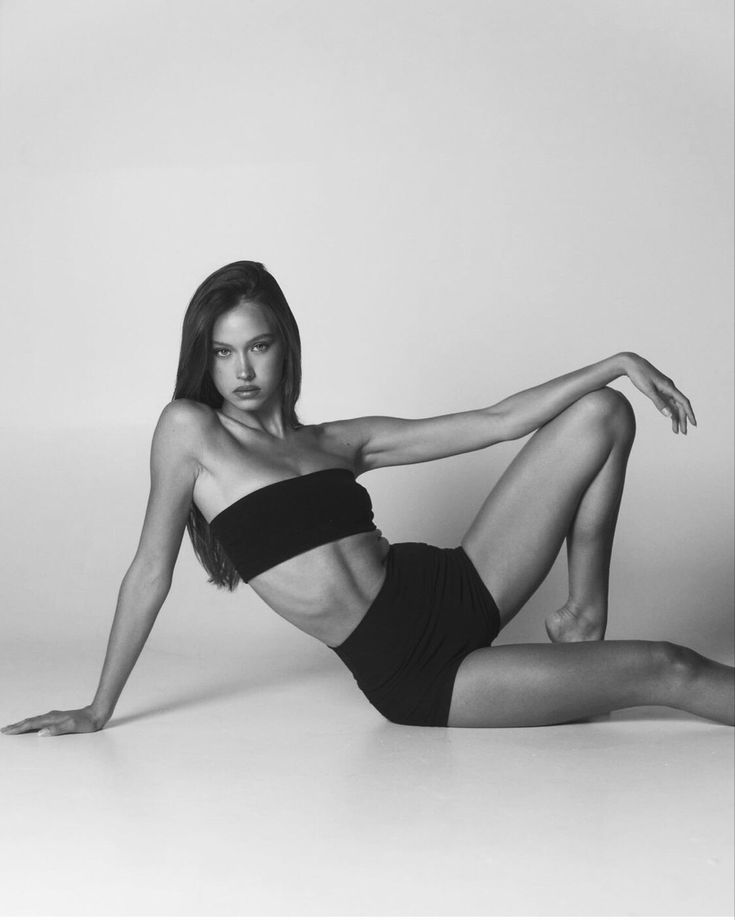
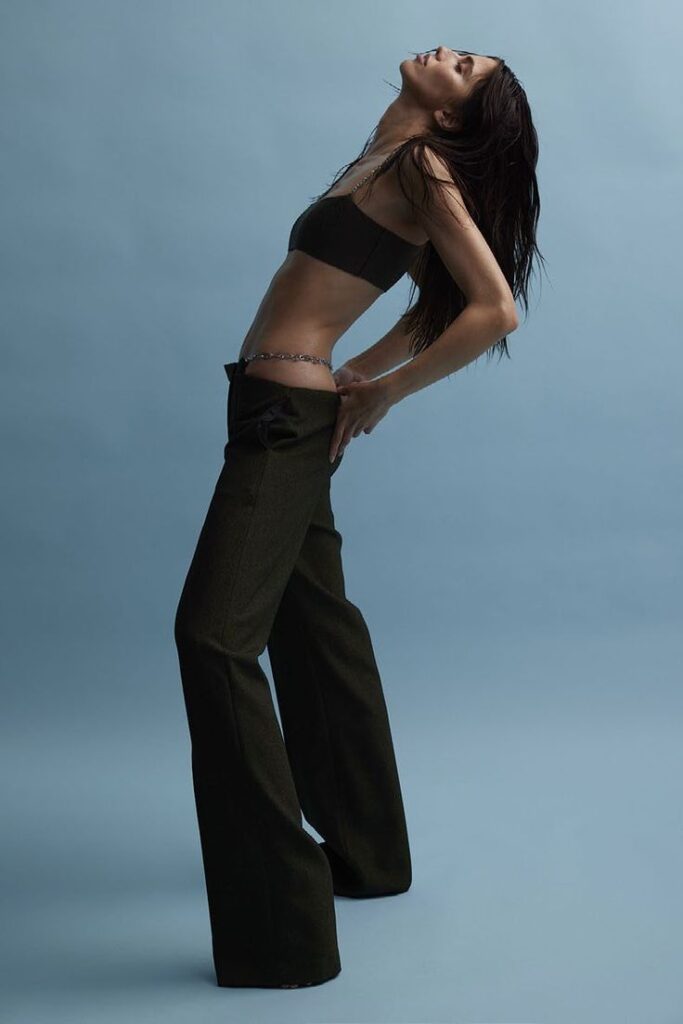
Boldness in photography is not just about dramatic lighting or striking subjects; it’s about breaking conventions and creating images that stand out. Whether it’s experimenting with unusual angles, incorporating vivid contrasts, or capturing raw human emotions, bold photography is about making a statement.
Creativity, Courage, and Experimentation
At its core, bold photography combines creativity with courage. It’s the willingness to take risks—shooting in unpredictable settings, using unconventional techniques, or tackling themes that might be taboo or overlooked. Experimentation fuels this process, allowing photographers to discover new possibilities and redefine their artistic boundaries.


3. Developing Confidence as a Photographer
Breaking Free from Creative Doubts
Creative doubts can paralyze any artist, especially photographers. Bold photography demands a mindset shift: instead of fearing failure, embrace it as a learning opportunity. Remember, every mistake is a step closer to discovering your unique voice.
Building Technical Expertise for Fearless Execution
Confidence in bold photography also comes from technical mastery. Understanding your camera’s settings, mastering composition, and knowing how to manipulate light give you the tools to experiment fearlessly. The more proficient you are, the bolder you can be with your creative choices.
Embracing Your Unique Style
Your photography should reflect who you are. Embrace your perspective, values, and aesthetic preferences. Developing a distinctive style not only sets you apart but also gives you the confidence to create unapologetically.
4. Pushing Creative Boundaries
Exploring Unconventional Subjects and Compositions
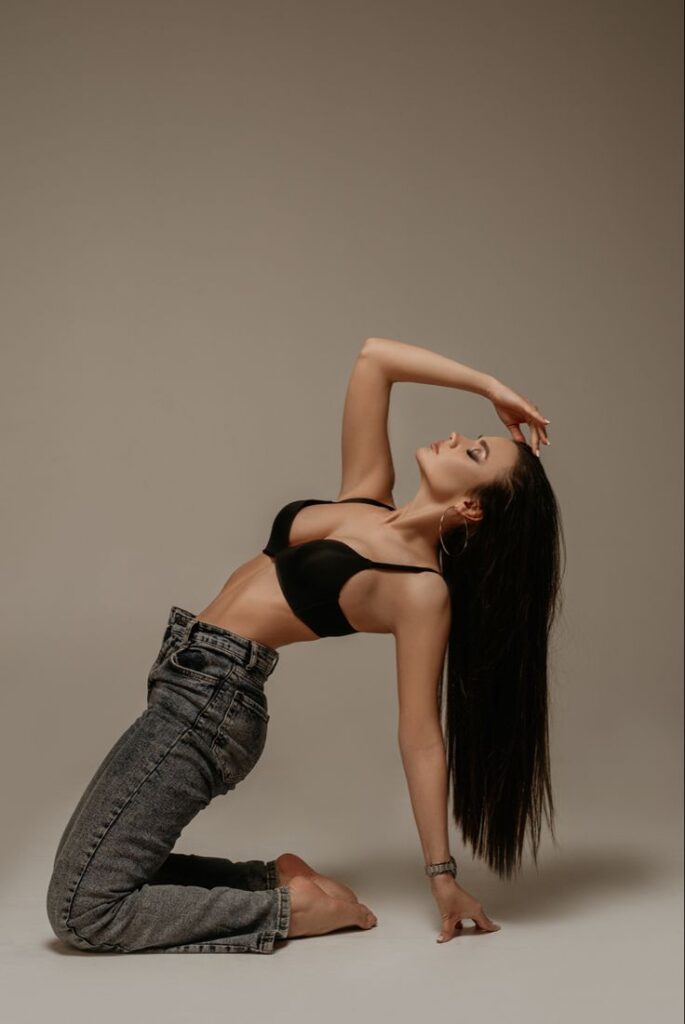
Bold photography thrives on the unexpected. Challenge yourself to photograph subjects that aren’t typically considered photogenic or use compositions that defy traditional rules. Play with negative space, asymmetry, and unconventional framing.
Playing with Light, Shadow, and Colors
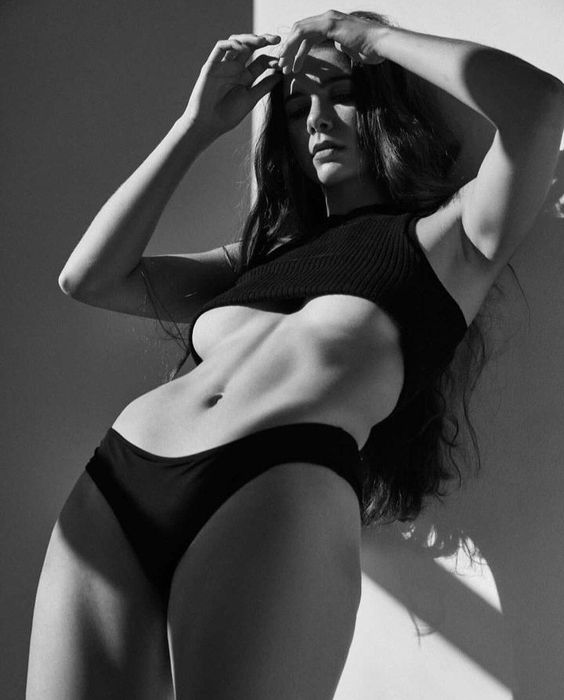
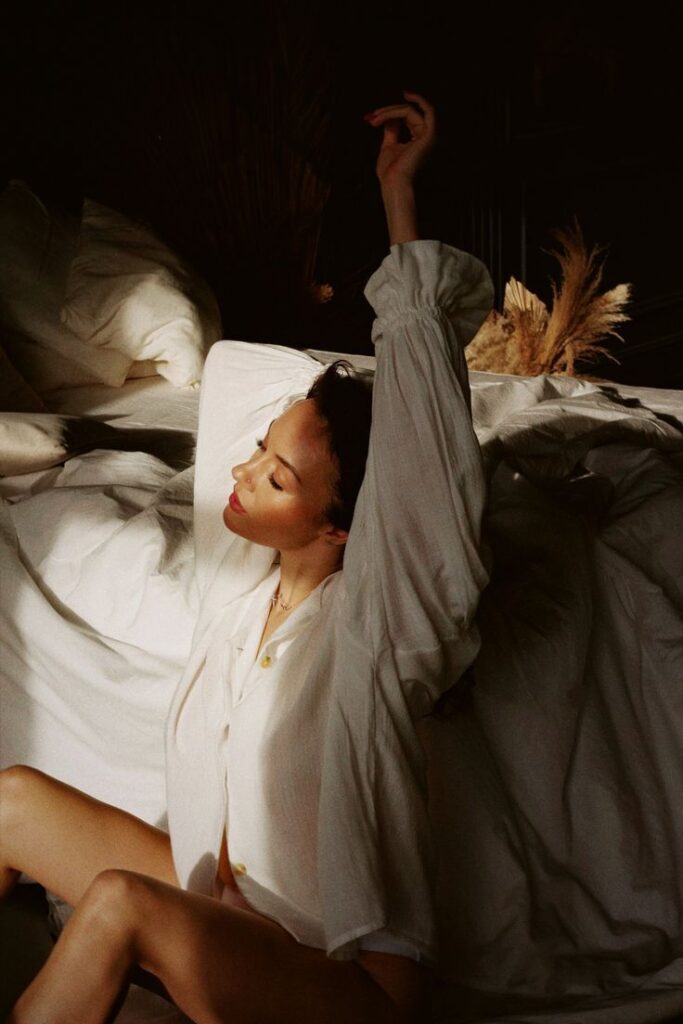
Light and shadow are powerful tools in bold photography. Experiment with harsh lighting, dramatic contrasts, or even complete darkness. Use bold colors or monochromatic schemes to evoke specific emotions or highlight contrasts.
Overcoming Societal and Artistic Norms
Photography often reflects societal ideals. Bold photographers challenge these ideals by showcasing underrepresented narratives, celebrating diversity, and redefining beauty standards. Push boundaries by questioning what is considered “normal” or “acceptable.”
5. Bold Photography Techniques
Using Dramatic Angles and Perspectives
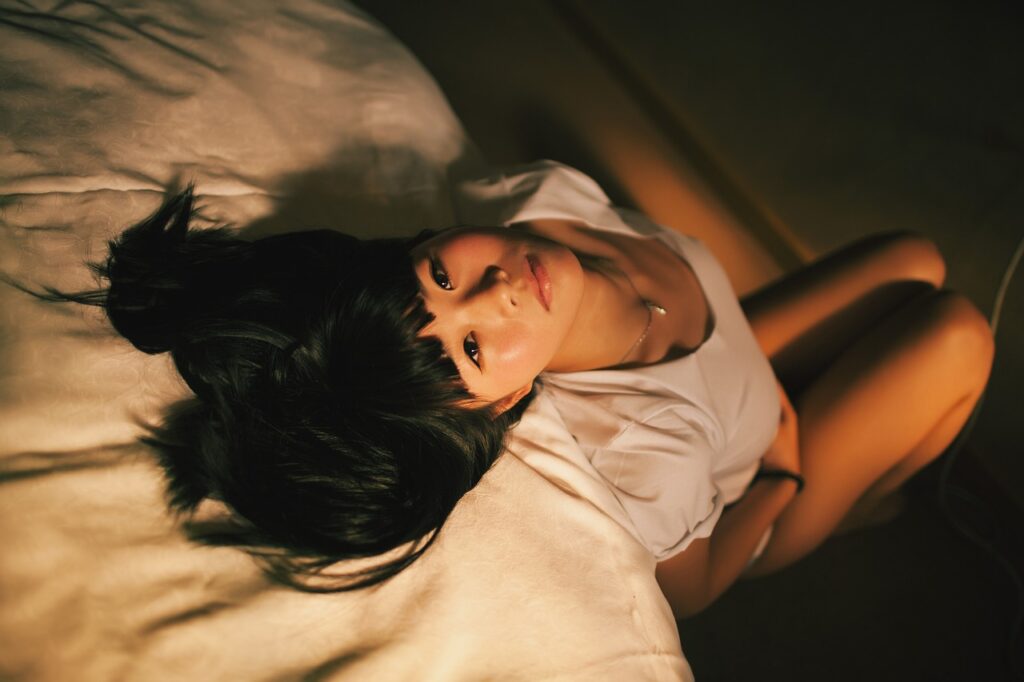
Change your perspective to create bold compositions. Shoot from low angles to emphasize power, or use extreme close-ups to reveal intricate details. Unusual perspectives create intrigue and captivate viewers.
Capturing Raw Emotions and Vulnerable Moments
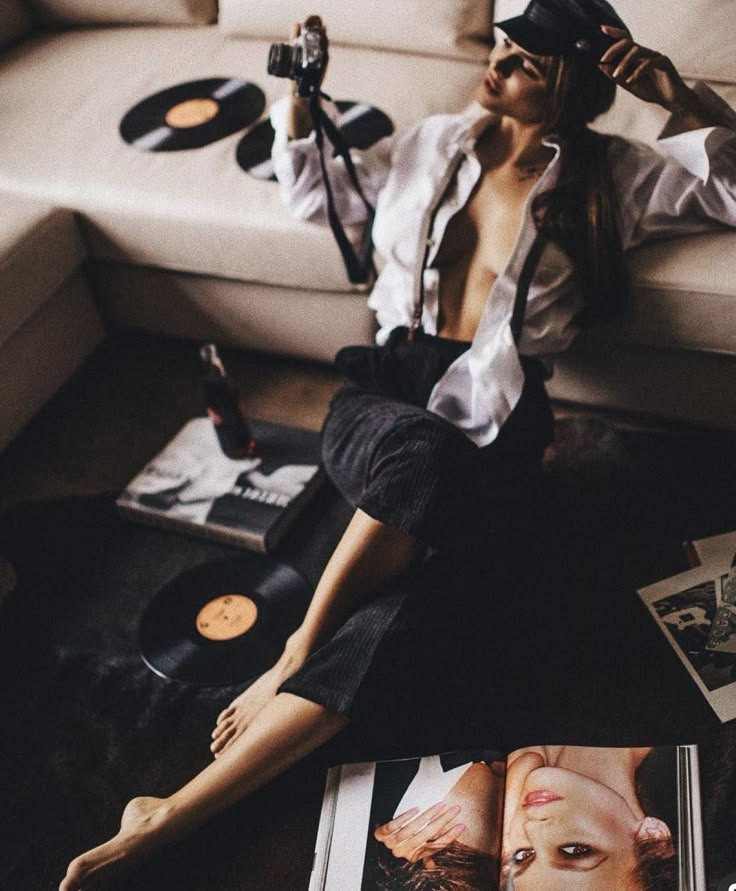
Bold photography is about authenticity. Instead of staged or overly polished shots, focus on capturing raw, unfiltered moments. These images resonate deeply because they feel real.
Experimenting with Post-Processing for Impact
Post-processing is where creativity can truly shine. Experiment with bold edits—enhance contrasts, desaturate for mood, or manipulate colors to evoke surrealism. Just remember, the goal is to enhance your vision, not overshadow it.
6. Inclusivity in Bold Photography
Celebrating Diverse Identities and Narratives
Bold photography should be inclusive. Celebrate the beauty of diversity by capturing subjects of all races, genders, abilities, and backgrounds. Highlight their stories with respect and authenticity.
Amplifying Underrepresented Voices Through Visuals
Photography is a powerful platform to amplify voices that are often marginalized. Use your craft to share their narratives, challenge stereotypes, and foster empathy.
The Importance of Consent and Ethical Storytelling
Inclusivity also means respecting your subjects. Always seek consent, especially when photographing vulnerable moments. Ethical storytelling ensures your images are impactful without exploiting your subjects.
7. Challenges in Bold Photography
Facing Criticism and Resistance
Bold photography often challenges norms, which can invite criticism. Stay true to your vision, and remember that innovation is rarely met with unanimous approval.
Handling Setbacks and Failed Experiments
Not every bold idea will work, and that’s okay. View setbacks as opportunities to refine your craft. Each failed attempt brings you closer to success.
Managing Imposter Syndrome in a Competitive Field
Imposter syndrome can make you doubt your abilities. Remember, every bold photographer started somewhere. Focus on your growth and celebrate small victories along the way.
8. Success Stories: Bold Photographers Who Inspire
Highlighting Photographers Who Redefined the Art Form
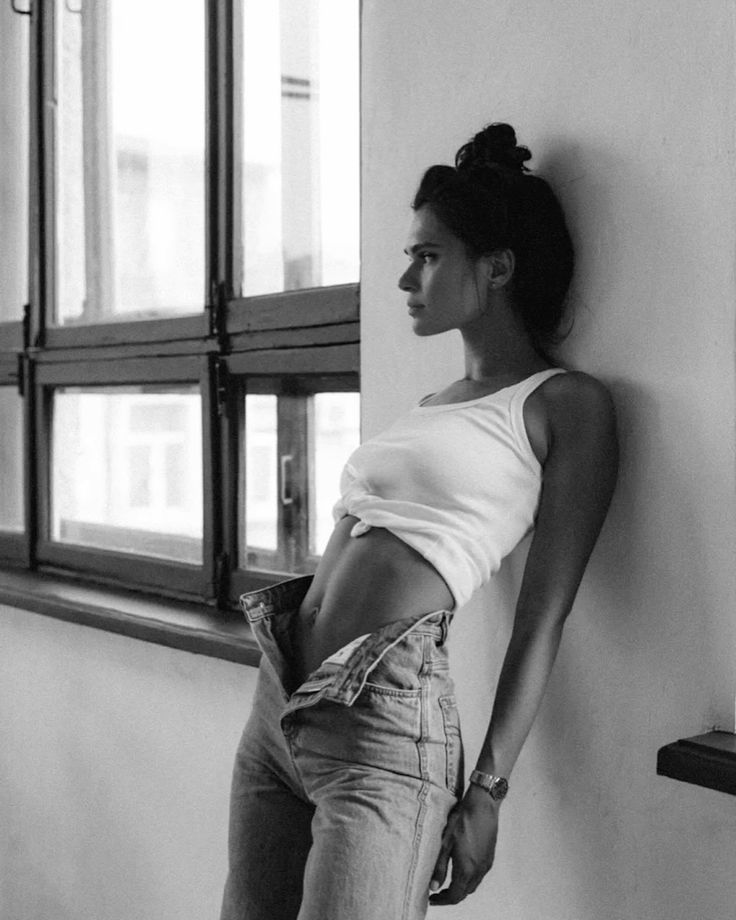
Learn from the trailblazers of bold photography. Annie Leibovitz redefined portraiture with her dramatic, intimate shots. Sebastiao Salgado’s black-and-white images highlight human resilience and environmental crises.
Analyzing Their Iconic Works and Techniques
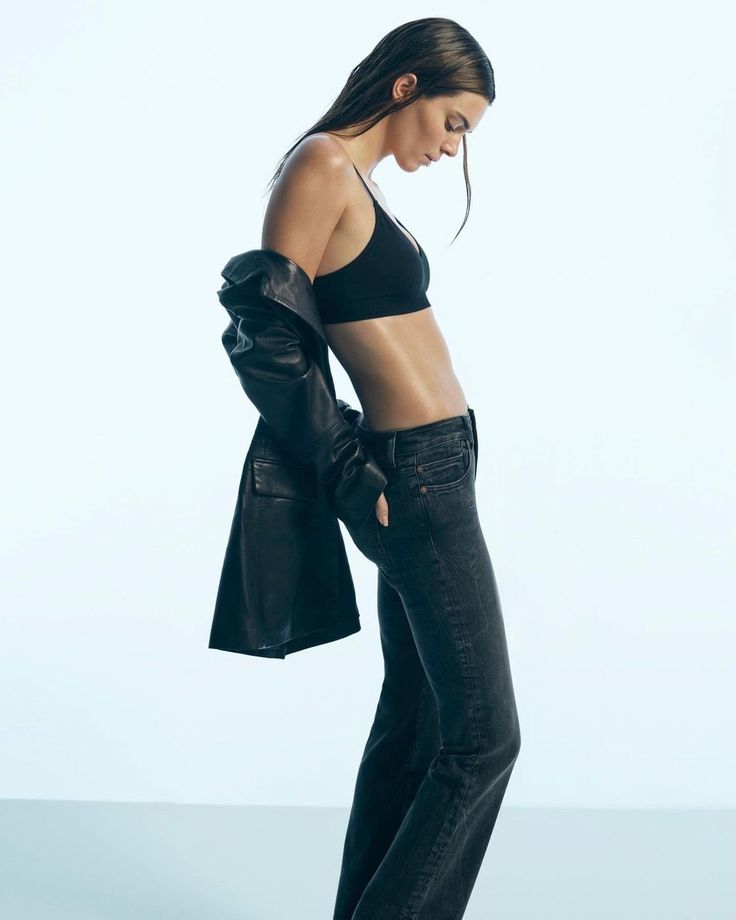
Study the techniques used by bold photographers. Notice how they use composition, light, and subject matter to create impactful visuals. Apply these insights to your work.






9. Practical Tips for Aspiring Bold Photographers
Setting Goals and Staying Consistent
Start with small, achievable goals. Consistency is key to building confidence and refining your craft.
Networking and Learning from Feedback
Connect with other photographers, join workshops, and share your work. Constructive feedback can help you grow and improve.
Harnessing Social Media to Showcase Bold Projects
Social media is a powerful platform to share your bold photography. Use it to build an audience, connect with like-minded creators, and showcase your unique vision.
10. Conclusion
Bold photography is about more than just creating striking images—it’s about pushing boundaries, embracing individuality, and telling impactful stories. By stepping out of your comfort zone, experimenting fearlessly, and celebrating inclusivity, you can create visuals that leave a lasting impression.
So, grab your camera, unleash your creativity, and let your bold photography journey begin!
About The Candid Shoot
The Candid Shoot is an independent photography resource dedicated to helping photographers, creators, couples, models, brands, and photography enthusiasts make better decisions and create better images.
Our content covers practical photography techniques, camera and equipment guidance, posing ideas, portrait and fashion photography, product photography, AI photography tools, and photography workflows.
We focus on practical, experience-informed guidance rather than simply repeating generic information found across the web. Our goal is to make photography easier to understand, easier to apply, and more useful in real-world situations.
Why Trust The Candid Shoot?
We build our articles around a simple editorial principle: useful information first, clear explanations second, and unnecessary hype last.
Our articles are developed with attention to:
- Practical photography use cases and real-world shooting situations
- Camera, lens, software, and photography workflow considerations
- Clear explanations for beginners while retaining useful information for experienced creators
- Current tools, techniques, and photography trends where relevant
- Comparisons of advantages, limitations, features, and practical applications
- Original editorial organization instead of simply rewriting existing articles
- Internal linking to related photography resources so readers can explore a topic in depth
Our objective is not to recommend something simply because it is popular. We aim to explain when a technique, tool, workflow, or approach makes sense — and when it may not.
Our Editorial Process
Every article published on The Candid Shoot follows a structured editorial process designed to improve accuracy, usefulness, and clarity.
Research: We review relevant photography concepts, tools, techniques, product information, and established industry resources before developing an article.
Practical Evaluation: Information is considered from the perspective of actual photography use cases, including shooting conditions, workflow, composition, posing, editing, equipment selection, and creator needs.
Editorial Development: We organize information into clear sections, practical explanations, examples, recommendations, and actionable takeaways.
Fact Checking: Technical claims, specifications, terminology, and important factual information are checked against reliable sources where appropriate.
Reader-First Review: We evaluate whether the article actually answers the search intent, whether the recommendations are understandable, and whether the content provides useful next steps.
Ongoing Updates: Articles may be reviewed and updated when photography technology, software, equipment, techniques, or industry practices change.
Our Editorial Standards
The Candid Shoot aims to keep its editorial content:
Accurate: We work to verify important technical and factual information.
Useful: Information should help the reader solve a real photography problem or make a better decision.
Transparent: We distinguish educational guidance, editorial opinions, comparisons, and factual information.
Practical: Wherever possible, we focus on how photography concepts can actually be applied.
Independent: Articles are created to serve readers first rather than simply promote a product, technique, or trend.
Sources & Photography Resources
We believe readers should be able to continue their research. Depending on the topic, our articles may reference or recommend authoritative photography and technology resources.
Useful external resources may include:
- Adobe Photography
- Adobe Lightroom
- Nikon Learn & Explore
- Canon Learning
- Sony Alpha Universe
- Google Search Central
- Google AI
- OpenAI
External links are included where they provide additional context, technical information, official documentation, or useful learning resources.
Explore More From The Candid Shoot
Continue learning through our photography resources:
Photography Tutorials:
https://thecandidshoot.com/category/photography-tutorials/
Couple Photography:
https://thecandidshoot.com/category/couple-photography/
Camera & Equipment:
https://thecandidshoot.com/category/camera-equipment/
Portrait & Fashion Photography:
https://thecandidshoot.com/category/portrait-fashion-photography/
Product Photography:
https://thecandidshoot.com/category/product-photography/
AI Photography:
https://thecandidshoot.com/category/ai-photography/
Photography Guides & Resources:
https://thecandidshoot.com/
Reader Feedback & Reviews
The Candid Shoot values feedback from photographers, creators, and readers who use our guides in their own work.
Reader questions and feedback help us identify confusing topics, missing information, outdated recommendations, and areas where an article can become more useful.
We continually use this feedback to improve the quality, clarity, and practical value of our photography resources.
Editorial Note
Photography is highly dependent on the subject, lighting conditions, equipment, creative goals, budget, and shooting environment. Recommendations that work for one photographer may not be ideal for another.
For that reason, The Candid Shoot focuses on explaining the reasoning behind a recommendation instead of presenting every technique, product, or workflow as universally suitable.
Related Articles
Continue exploring The Candid Shoot’s photography guides:
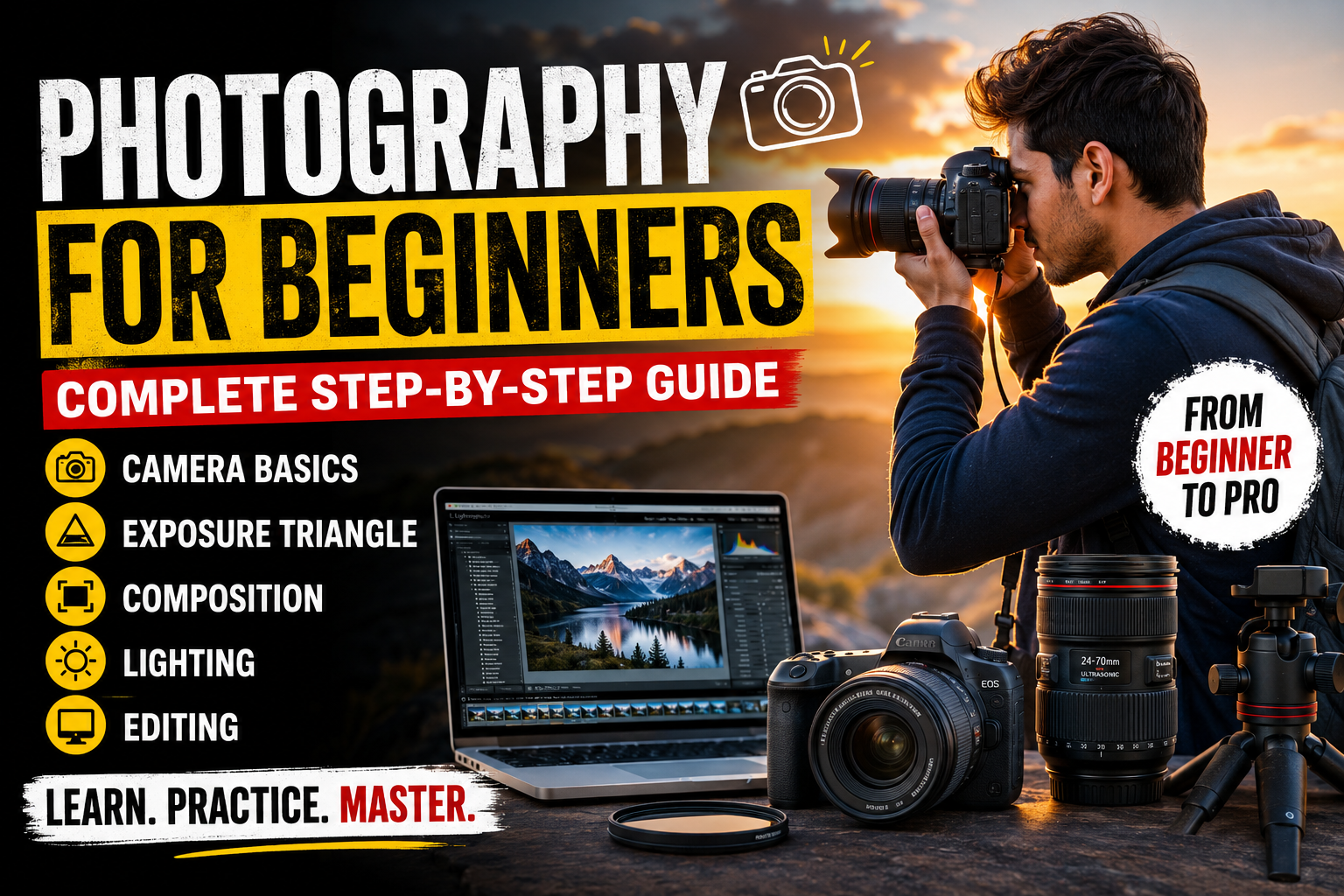
- 25 Essential Photography Tutorials for Beginners
Learn the fundamentals of photography, camera settings, exposure, lenses, and essential techniques. - 25 Essential Camera & Equipment Buying Secrets
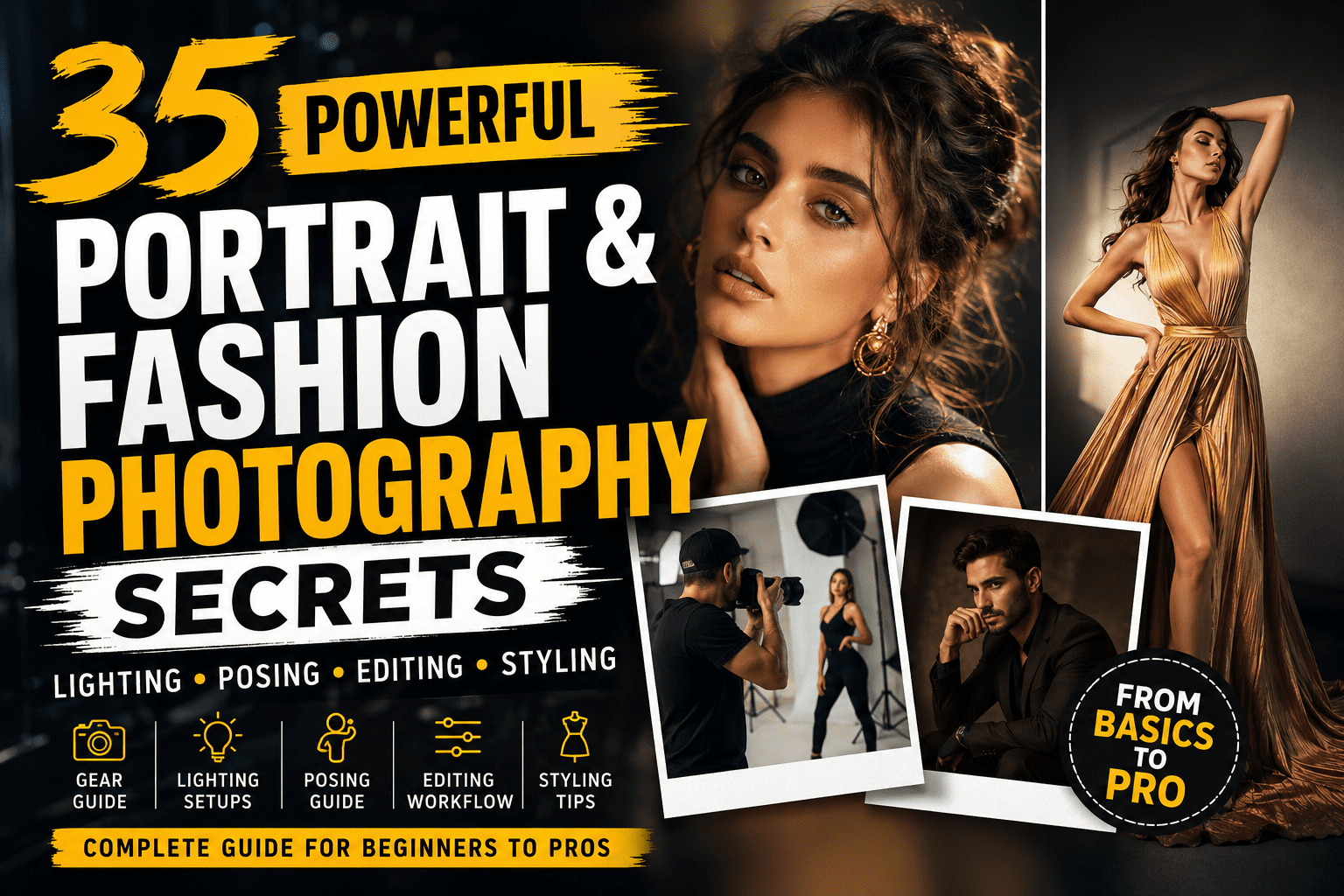
Understand cameras, lenses, sensors, autofocus, and how to choose photography equipment wisely. - 35 Powerful Portrait & Fashion Photography Secrets
Explore portrait composition, lighting, posing, cameras, and fashion photography techniques. - 45 Powerful Product Photography Secrets
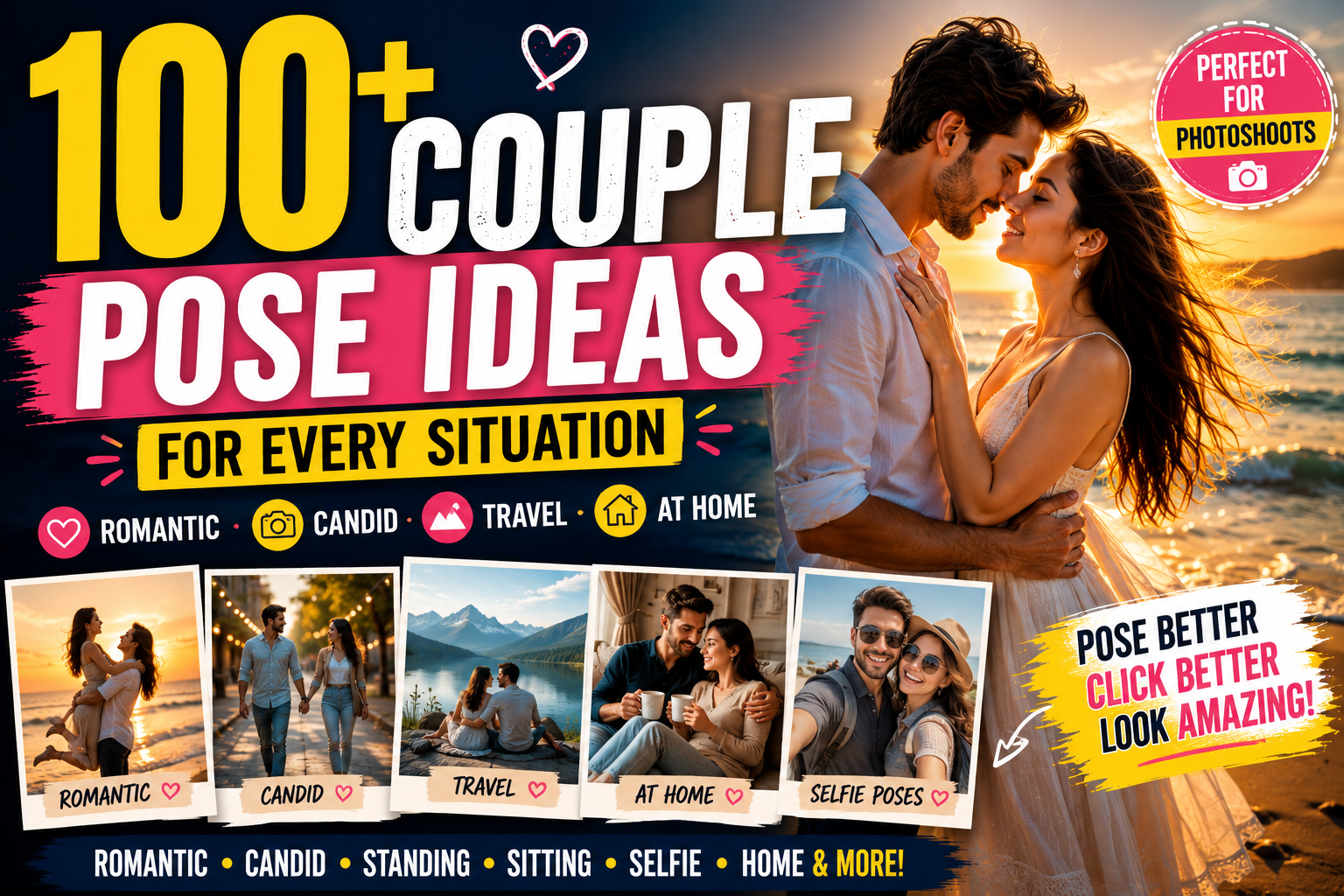
Discover practical product photography techniques, lighting setups, equipment, and creative ideas. - 30 Easy Couple Poses for Photoshoot at Home
Find simple, romantic, candid, and creative couple poses for indoor and outdoor photoshoots. - How to Use Golden Hour for Stunning Travel Photos
Learn how golden-hour lighting can improve portraits, landscapes, travel photos, and outdoor photography. - AI Photography Guide: Powerful Tools and Tips
Explore AI photography tools, editing workflows, image enhancement, and practical AI techniques. - Couple Photography Guide
Explore more couple photography ideas, posing guides, romantic concepts, and creative photoshoot inspiration. - Photography Tutorials
Browse practical photography tutorials covering camera techniques, composition, lighting, editing, and beginner guidance. - Camera & Equipment Guides
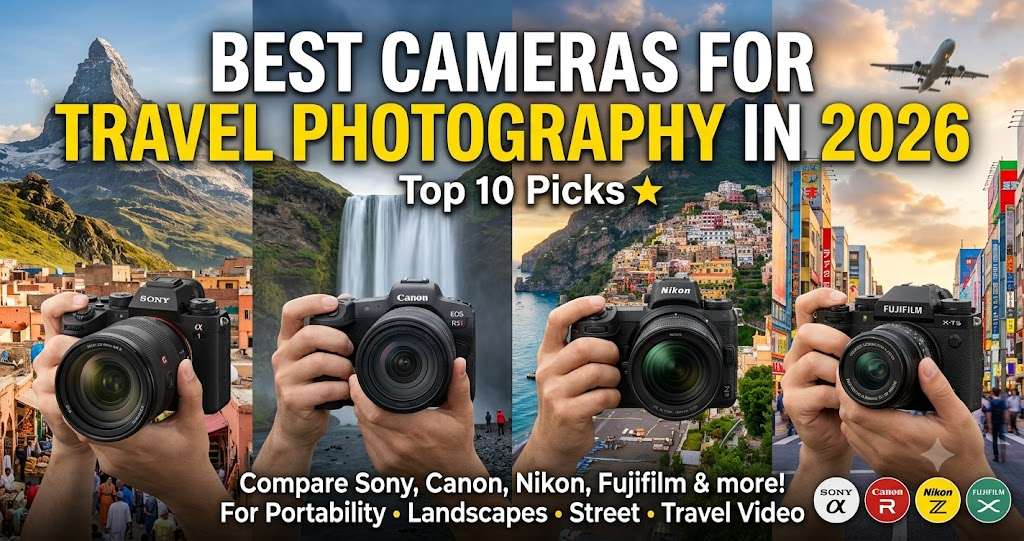
Explore camera buying guides, lenses, equipment comparisons, photography gear, and technical resources.
Last reviewed: [August, 2026]
Editorial team: The Candid Shoot Editorial Team




Leave a Reply