
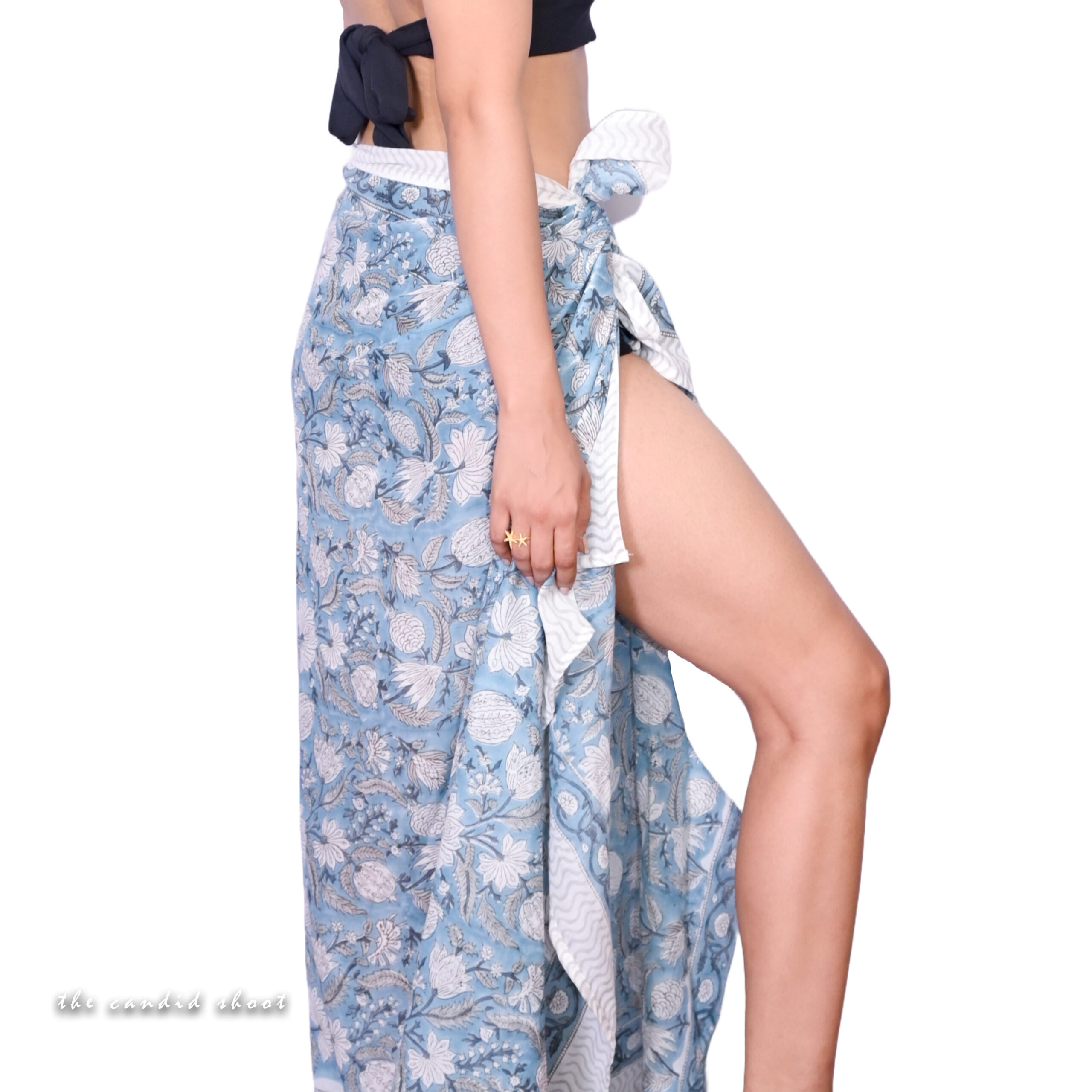
Discover the different types of product photography shoots and learn how to choose the right style for your brand, products, audience, and marketing goals.
Table of Contents
Why Choosing the Right Product Shoot Matters
In the fast-paced digital marketplace, high-quality product images can make or break a customer’s decision. With thousands of brands competing for attention, a well-executed product shoot can elevate your brand, increase engagement, and drive sales. But not all product photography is the same—each type serves a different purpose, target audience, and brand aesthetic.
In this guide, we’ll explore:
- The various types of product photography.
- Their unique advantages.
- How to select the right one for your brand.
Whether you’re an e-commerce retailer, luxury brand, or small business owner, understanding these styles will help you craft a visual identity that aligns with your brand message.
Why Trust The Candid Shoot?
At The Candid Shoot, we publish practical photography guides based on real-world shooting techniques, camera knowledge, lighting setups, and post-processing workflows. Our goal is to simplify photography concepts so beginners, hobbyists, creators, and professionals can capture better images with confidence.
Every guide is carefully reviewed and updated to reflect current photography trends, camera technology, AI-powered editing tools, and industry best practices. Whenever relevant, we reference trusted photography resources and official manufacturer documentation to ensure our recommendations remain accurate and reliable.
Whether you’re photographing products for an online store, social media, Amazon listings, or personal projects, our tutorials are designed to help you improve image quality while making informed equipment and workflow decisions.
Quick Answer
Product photography is the process of creating high-quality images that accurately showcase a product’s appearance, features, and details. Effective product photography combines proper lighting, composition, camera settings, backgrounds, and editing techniques to produce professional images that increase customer trust and improve online sales.
Learn More About Product Photography
If you’re looking to master product photography from beginner to advanced level, don’t miss our complete guide:
👉 Powerful Product Photography Secrets for Photos
Inside this comprehensive guide, you’ll learn:
- Camera settings for product photography
- Lighting techniques for every budget
- Background selection
- Composition tips
- Lens recommendations
- Editing workflow
- AI tools for product photography
- Studio setup ideas
- Photography mistakes to avoid
- Professional workflow from planning to final image
This pillar guide connects all of our product photography tutorials in one place, making it the perfect starting point for beginners and experienced photographers alike.
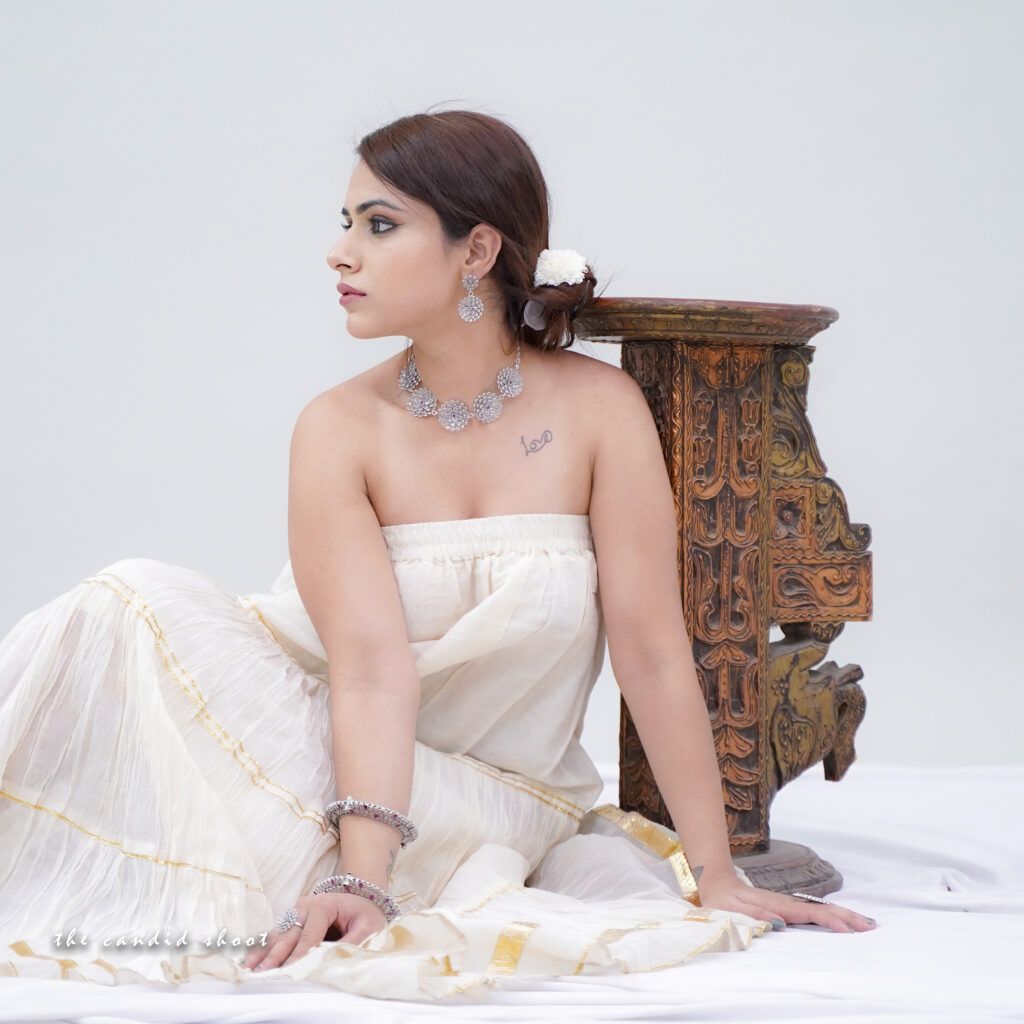
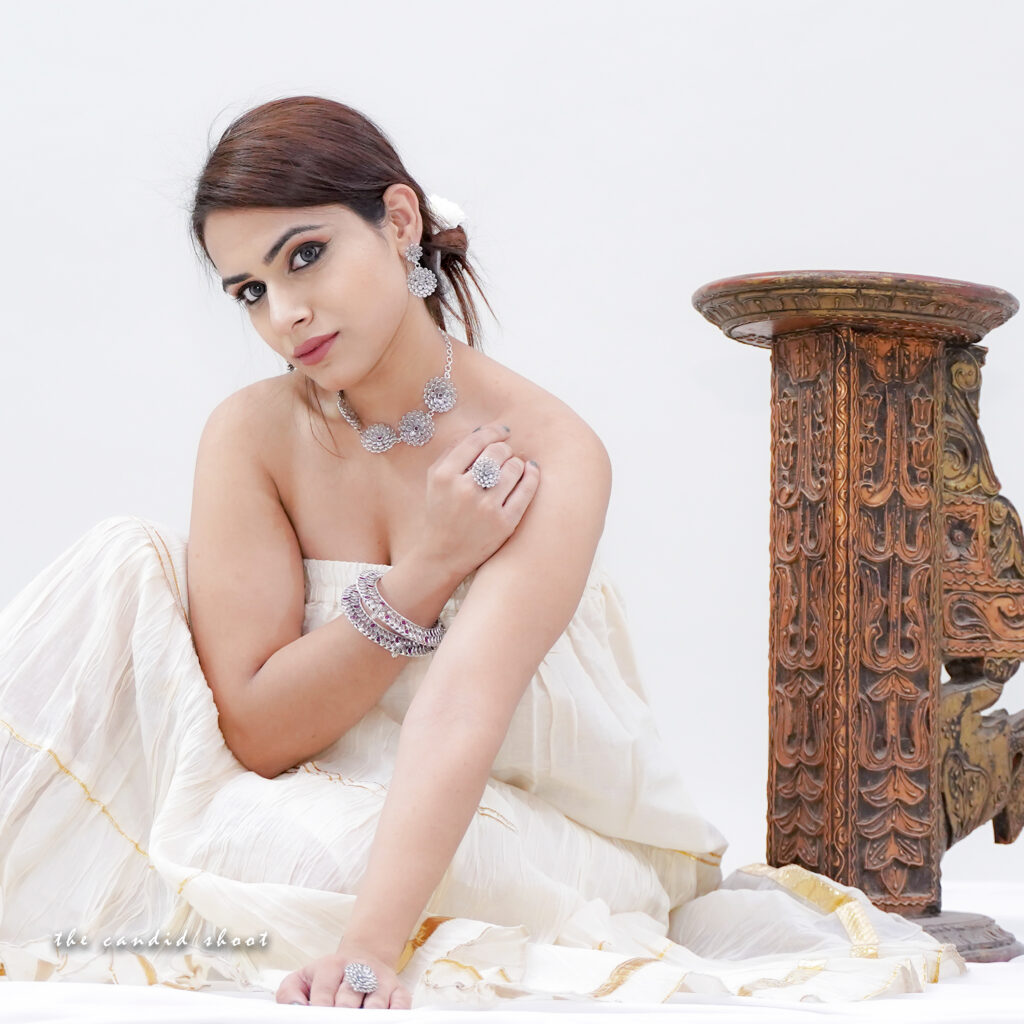
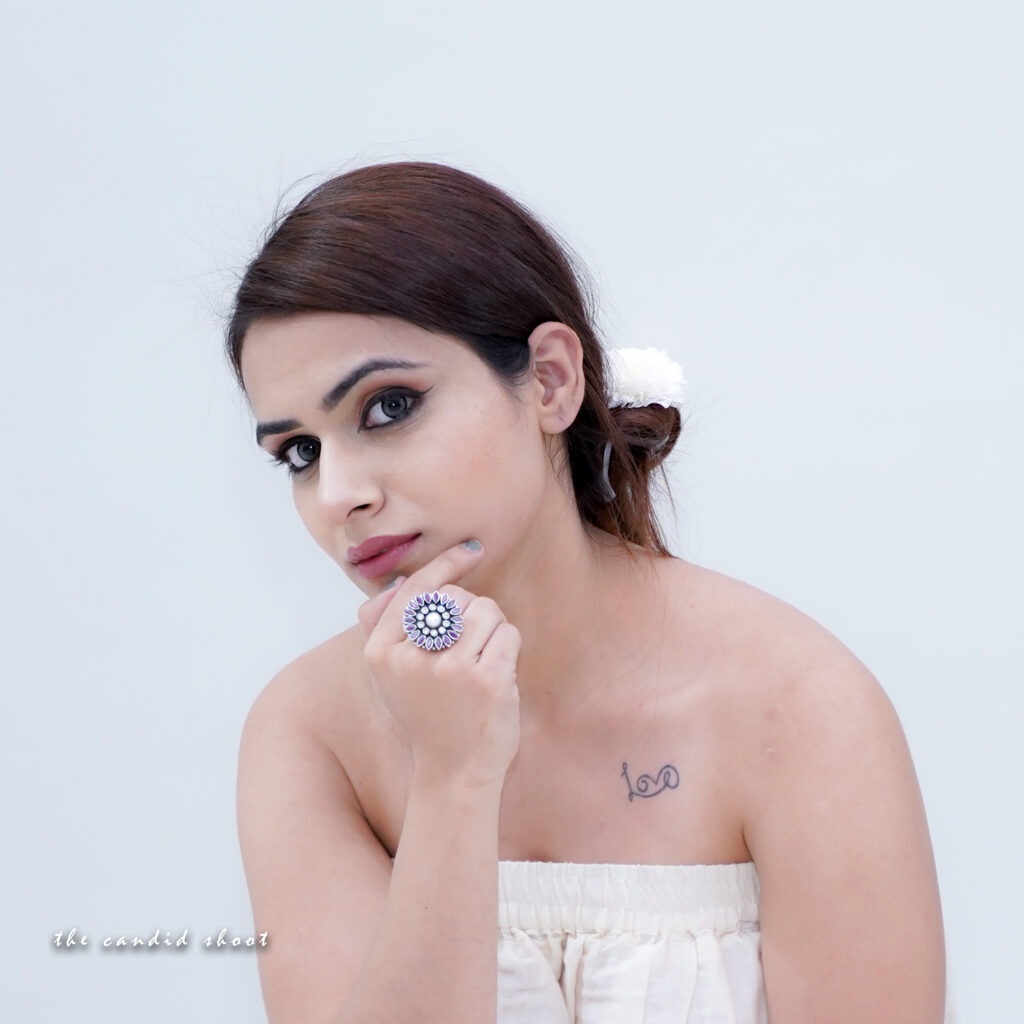
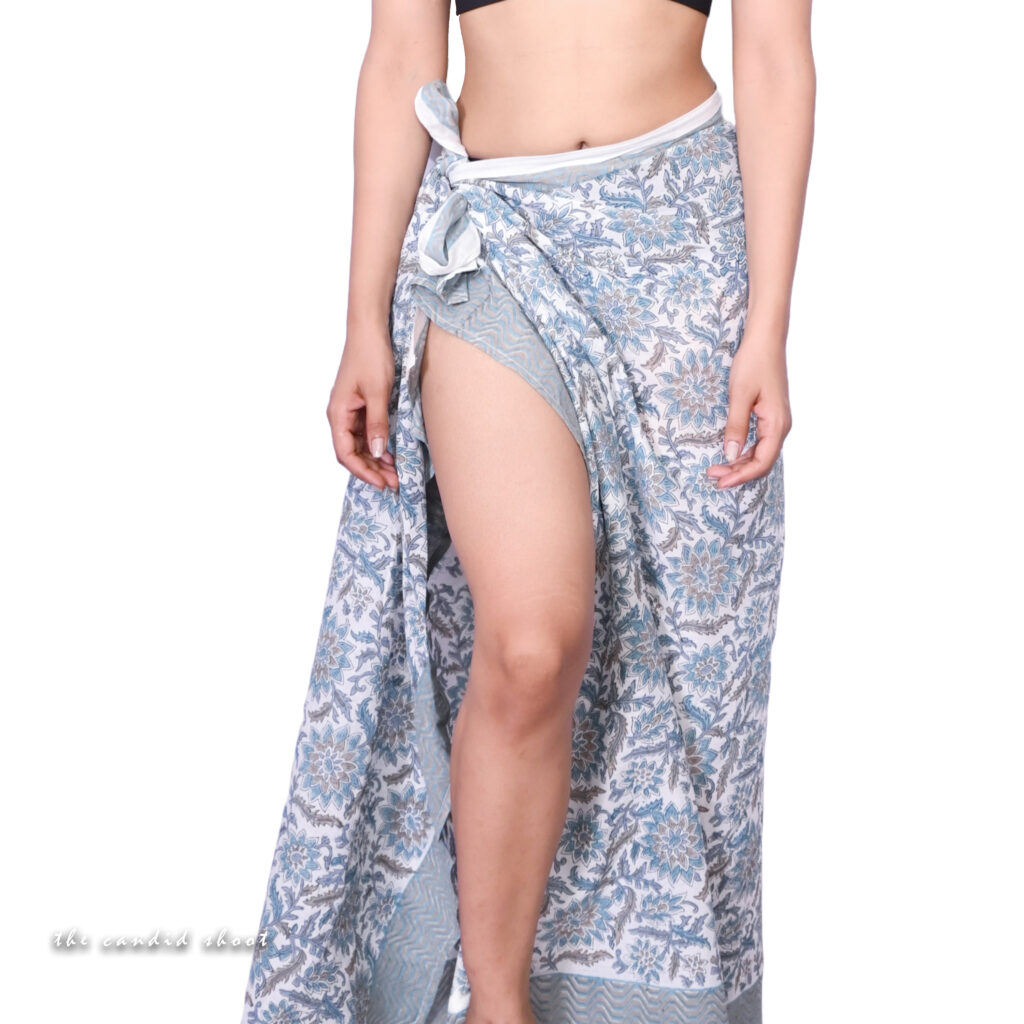
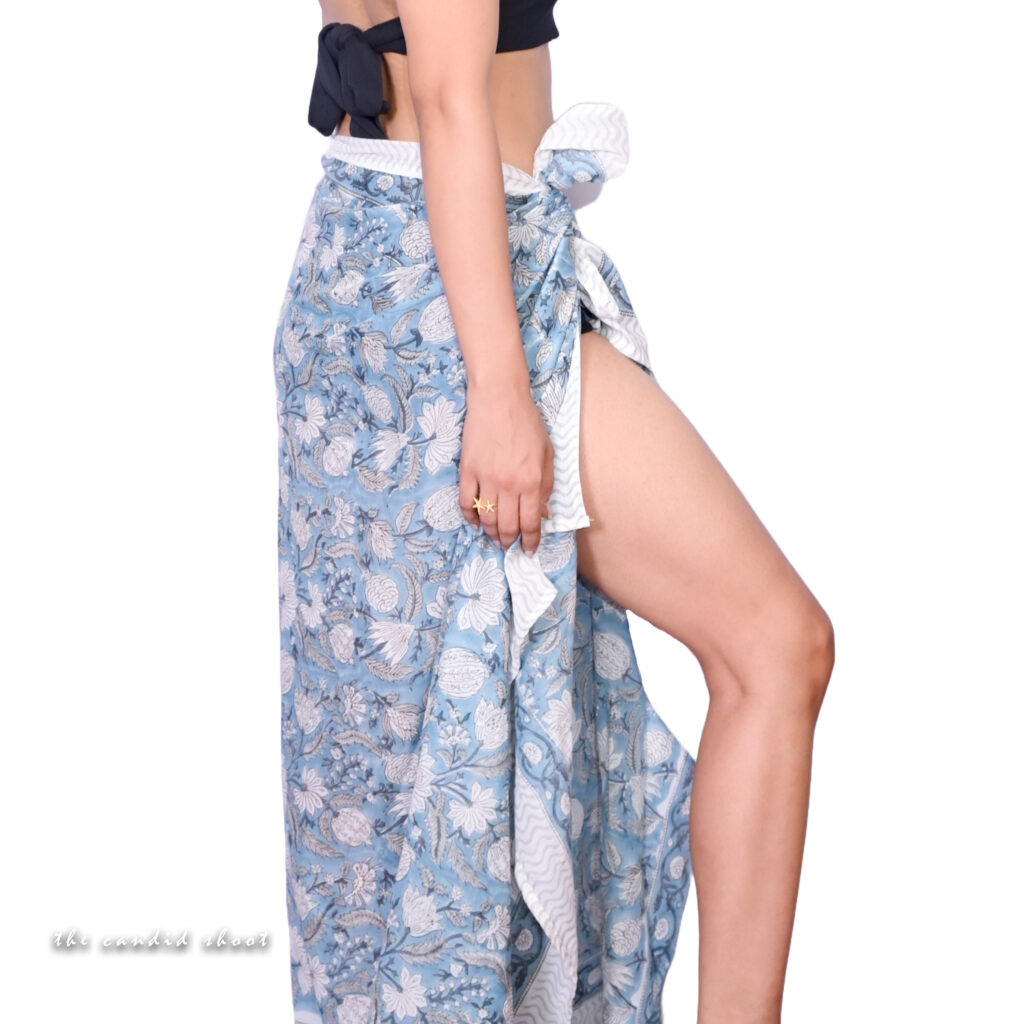
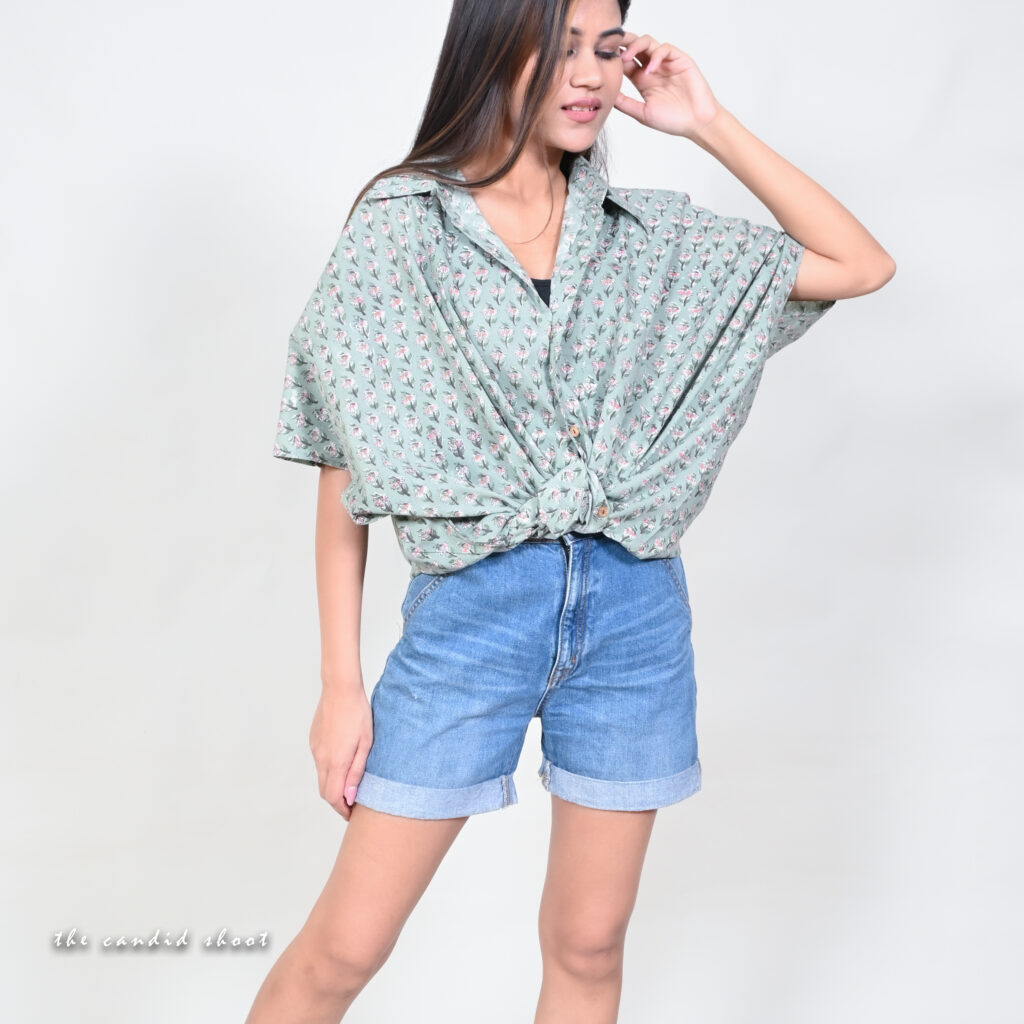
1. White Background Photography: Clean and Professional
A white background product shoot is the most common and widely used style in e-commerce. This method involves placing a product against a clean, white surface with even lighting. The result is a crisp, distraction-free image that highlights the product’s features.
Why Choose This Style?
White background shots are ideal for online stores like Amazon, eBay, and Shopify. They ensure uniformity across product listings, maintain a professional look, and enhance visibility in search results.
Best For:
- E-commerce websites requiring clean, consistent images.
- Tech gadgets, beauty products, and fashion accessories.
- Brands looking for a no-frills, product-focused approach.
2. Lifestyle Product Photography: Creating an Emotional Connection
Unlike isolated product shots, lifestyle photography places products in real-life settings. A skincare brand might feature a cream on a bathroom counter, while a sneaker brand may showcase shoes worn during an outdoor jog. These images help customers visualize the product in their daily lives, fostering a stronger emotional connection.
Why Choose This Style?
Lifestyle photography makes products more relatable. It tells a story, appeals to emotions, and builds trust with the audience. It’s a powerful way to humanize a brand and boost engagement on social media.
Best For:
- Fashion and beauty brands looking to showcase real-world use.
- Home decor and kitchenware companies selling ambiance-driven products.
- Fitness brands demonstrating active use in a natural setting.
3. Flat Lay Photography: Aesthetic and Organized
Flat lay photography involves arranging products on a flat surface and capturing them from above. This top-down perspective is particularly popular for fashion accessories, cosmetics, food items, and stationery. It allows for creative arrangements, making images visually engaging while keeping the focus on the product.
Why Choose This Style?
Flat lays offer artistic flexibility while maintaining clarity. They allow brands to create aesthetic compositions that align with their visual identity. The structured arrangement enhances brand storytelling and is perfect for social media branding.
Best For:
- Beauty and fashion brands showcasing multiple items in a single frame.
- Food and beverage brands creating visually appetizing images.
- Creative businesses emphasizing design and layout.
4. 360-Degree Product Photography: Interactive and Detailed
A 360-degree product shoot captures a product from multiple angles, creating an interactive experience where viewers can rotate the image. This method is becoming increasingly popular on e-commerce platforms and high-end retail websites, as it provides a comprehensive view of the product’s details.
Why Choose This Style?
360-degree photography enhances customer confidence by providing a realistic, immersive shopping experience. It reduces return rates since buyers can see every angle before purchasing. This is particularly useful for products with intricate details, such as electronics, watches, and high-end fashion.
Best For:
- Luxury brands showcasing premium craftsmanship.
- Technology and electronics retailers needing to display product features.
- Automobile and furniture brands offering detailed product visualization.
5. Ghost Mannequin Photography: Highlighting Apparel Without Distraction
Ghost mannequin photography (also known as invisible mannequin photography) is widely used in fashion retail. This technique involves photographing clothing on a mannequin and then digitally removing the mannequin in post-production. The result is a 3D, hollow effect, making the apparel appear as if it’s being worn.
Why Choose This Style?
This method provides a clean, professional look while maintaining a realistic appearance. Unlike flat lays or model-based photography, ghost mannequin images focus exclusively on the product’s fit and structure without distractions.
Best For:
- Clothing brands looking for a polished, high-end presentation.
- E-commerce fashion retailers needing uniform product images.
- Luxury and designer brands emphasizing garment details.
6. Macro Photography: Capturing Fine Details
Macro photography involves using a specialized macro lens to capture extreme close-ups of small products. This technique is commonly used for jewelry, watches, and intricate handmade crafts, where details matter.
Why Choose This Style?
This method highlights textures, engravings, and craftsmanship that might not be visible in standard product shots. A diamond ring, for instance, can be showcased with sharp clarity, emphasizing its sparkle and cut.
Best For:
- Jewelry brands showcasing gemstones and intricate details.
- Luxury watches with delicate mechanisms.
- Artisan and handmade product sellers needing high-detail images.
7. Conceptual and Creative Product Photography: Standing Out
Conceptual product photography involves unique, eye-catching compositions designed to create an artistic impression. This might include bold lighting, surreal backgrounds, or abstract elements. It is often used in high-end fashion campaigns, perfume ads, and creative branding.
Why Choose This Style?
Conceptual photography makes a brand stand out. It’s visually compelling and perfect for marketing campaigns, editorial spreads, and social media branding. This style encourages artistic storytelling and creates memorable product images.
Best For:
- Luxury and high-fashion brands needing artistic appeal.
- Perfume and cosmetic brands focusing on sensory experiences.
- Beverage and gourmet brands seeking innovative visual storytelling.
How to Choose the Right Product Shoot for Your Brand?
1. Define Your Brand Identity
A minimalist brand will benefit from white background photography, while a lifestyle brand might lean toward lifestyle or flat lay shots. Understanding your brand’s personality helps in making the right choice.
2. Know Your Audience’s Expectations
What type of visuals do your customers engage with? E-commerce buyers expect clean, product-focused images, while social media users engage more with creative, storytelling-driven shots.
3. Align Photography with Marketing Goals
If your goal is to increase engagement on Instagram, lifestyle or conceptual photography might work best. If you’re focusing on e-commerce conversions, white background or 360-degree shots could be more effective.
Conclusion: The Power of Choosing the Right Product Shoot
Product photography is more than just taking pictures—it’s about telling a visual story that resonates with your audience. Choosing the right type of product shoot enhances brand perception, builds trust, and increases conversions.
By understanding the different styles and aligning them with your brand’s identity and goals, you can create product visuals that not only look stunning but also drive business success.
Frequently Asked Questions:
What is product photography?
Product photography is the process of photographing products in a way that highlights their features, quality, and design. High-quality product photos help businesses increase customer trust, improve conversions, and reduce product returns.
What equipment is best for product photography?
For most products, you’ll need:
A camera or modern smartphone
A tripod
Softbox or LED lighting
White or colored background
Reflectors or diffusers
Basic photo editing software
Professional equipment can improve quality, but proper lighting is usually more important than an expensive camera.
What lighting is best for product photography?
Soft, diffused lighting is generally the best choice because it minimizes harsh shadows and accurately represents product colors. Softboxes, LED panels, and natural window light are commonly used depending on the shooting environment.
How can I improve product photography for eCommerce?
To improve eCommerce product photos:
Use consistent lighting
Keep backgrounds clean
Photograph multiple angles
Show product details and textures
Maintain accurate colors
Optimize image size for faster website loading
Edit images without making the product look unrealistic
Can I use a smartphone for product photography?
Yes. Modern smartphones can produce professional-looking product photos when paired with good lighting, a stable tripod, and proper editing. For many small businesses, a smartphone is an excellent starting point before investing in dedicated camera equipment.
Why is product photography important for online sales?
Customers cannot physically inspect products online. High-quality product images build trust, improve user experience, increase click-through rates, and often lead to higher conversion rates while reducing product returns.
Can AI improve product photography?
Yes. AI tools can remove backgrounds, enhance image quality, improve lighting, generate realistic backgrounds, resize images for different marketplaces, and automate editing workflows. AI should be used to enhance product photos while keeping them accurate and representative of the actual product.
What image size is best for product photography websites?
The ideal image size depends on the platform, but most websites perform well with:
JPEG or WebP format
1200–2000 pixels on the longest side
Compressed images under 300 KB when possible
Proper alt text for accessibility and SEO
Related Product Photography Guides
Continue improving your photography skills with these helpful resources:
- Product Photography Lighting Guide
- Best Cameras for Product Photography
- DIY Product Photography Setup at Home
- White Background Product Photography Tips
- Product Photography Camera Settings Explained
- Best Lenses for Product Photography
- AI Product Photography Tools
- Product AI Photo Editing Guide
- Photography Tutorials for Beginners
Recommended Resources
Improve Your Product Photography Skills
Photography is a skill that improves with practice. Try experimenting with different lighting setups, camera angles, and editing techniques to discover what works best for your products. Even small improvements in composition and lighting can make your images look significantly more professional.
If you enjoyed this guide, explore more tutorials on The Candid Shoot to continue improving your photography skills.


Leave a Reply