
Sony A6700 vs Fujifilm X-T5: compare image quality, autofocus, IBIS, video, lenses, battery, controls and real-world performance to find the right camera.
Introduction
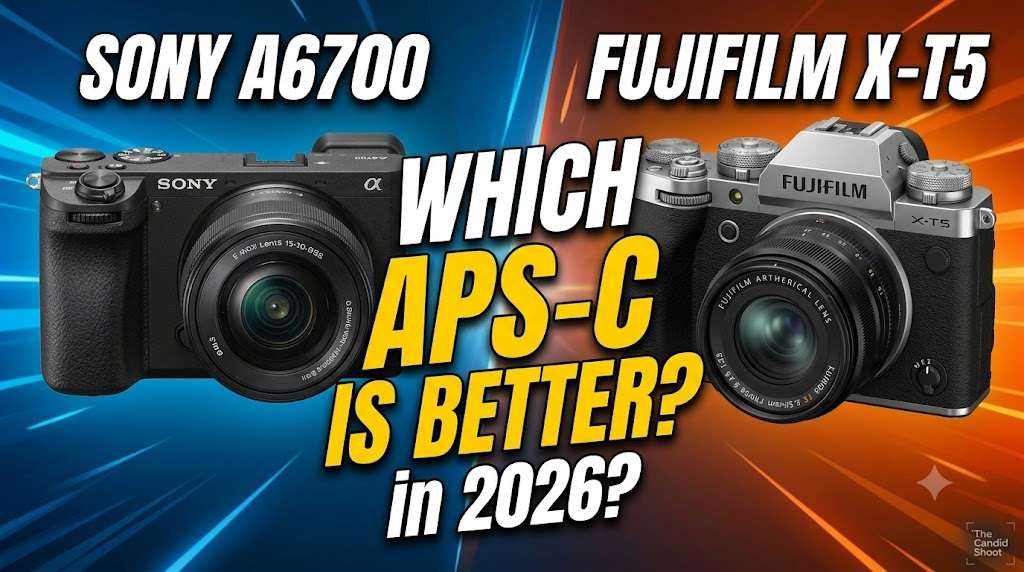
Choosing between two excellent APS-C mirrorless cameras is rarely as simple as comparing megapixels or checking which camera has more features.
The Sony A6700 and Fujifilm X-T5 are both powerful cameras, but they are designed around somewhat different priorities.
Sony built the A6700 as a compact hybrid camera, combining a 26MP APS-C sensor with advanced AI-powered subject recognition, strong autofocus, in-body stabilization and sophisticated video capabilities.
Fujifilm took a different approach with the X-T5. Its 40.2MP APS-C sensor, physical exposure dials, high-resolution electronic viewfinder, powerful IBIS and Film Simulation system make it particularly appealing to photographers who put still photography first.
That creates an interesting buying decision.
The A6700 can be the better camera for a wildlife photographer, content creator or YouTuber, while the X-T5 can be the better choice for a landscape, portrait or street photographer.
So, which one should you actually buy?
In this Sony A6700 vs Fujifilm X-T5 comparison, we’ll look beyond the specification sheet and compare the cameras based on image quality, autofocus, stabilization, burst shooting, video, ergonomics, lenses, portability, different photography genres and overall value.
25 Essential Camera & Equipment Buying Secrets Every Photographer Should Know
Quick Answer: Sony A6700 vs Fujifilm X-T5
If you want the short version:
Choose the Sony A6700 if you prioritize autofocus, video, subject tracking, portability and hybrid photography.
Choose the Fujifilm X-T5 if you prioritize resolution, still photography, physical controls, IBIS, cropping flexibility and the Fujifilm shooting experience.
Sony A6700 is better for:
- Hybrid photography
- Video
- YouTube
- Vlogging
- Content creation
- Wildlife autofocus
- Subject tracking
- Travel with video
- Lightweight setups
Fujifilm X-T5 is better for:
- Landscape photography
- Portrait photography
- Street photography
- High-resolution stills
- Heavy cropping
- Photography enthusiasts
- Physical exposure controls
- Dual-card workflows
Our overall verdict
Best hybrid camera: Sony A6700
Best photography-first camera: Fujifilm X-T5
Best autofocus: Sony A6700
Best resolution: Fujifilm X-T5
Best video: Sony A6700
Best IBIS: Fujifilm X-T5
Best photography controls: Fujifilm X-T5
Best for content creators: Sony A6700
EEAT: How We Compared the Sony A6700 and Fujifilm X-T5
A camera comparison should not be based solely on which model has the longer specification sheet.
For this comparison, we’re evaluating both cameras according to the features that have the greatest effect on real-world photography and video workflows.
The comparison covers:
- Sensor and image quality
- Autofocus
- Subject recognition
- Image stabilization
- Burst performance
- Video
- Viewfinder
- Screen
- Ergonomics
- Battery
- Storage
- Lens ecosystem
- Portability
- Photography genres
- Hybrid shooting
- Long-term buying considerations
The technical specifications are based on manufacturer information, while the buying recommendations are based on how those specifications translate into practical use.
Sony A6700 vs Fujifilm X-T5: At a Glance
| Feature | Sony A6700 | Fujifilm X-T5 |
|---|---|---|
| Sensor | 26MP APS-C | 40.2MP APS-C |
| Sensor Type | Exmor R CMOS | X-Trans CMOS 5 HR |
| Processor | BIONZ XR + AI Processing Unit | X-Processor 5 |
| Lens Mount | Sony E | Fujifilm X |
| IBIS | Up to 5.5 stops | Up to 7 stops |
| Mechanical Burst | Up to 11fps | Up to 15fps |
| Electronic Burst | Up to 11fps | Up to 20fps with crop |
| Maximum Video | 4K 120p | 6.2K 30p |
| Internal 10-bit | Yes | Yes |
| Memory Cards | Single slot | Dual slots |
| EVF | 2.36M dots | 3.69M dots |
| LCD | Vari-angle | 3-way tilt |
| Body Weight | Approx. 493g | Approx. 557g |
| Main Strength | Hybrid performance | Still photography |
Sony A6700 vs Fujifilm X-T5: Design and Build Quality
Both cameras have compact APS-C bodies, but their design philosophies are quite different.
The Sony A6700 follows the modern Sony Alpha approach. Its body is compact, relatively lightweight and designed around customizable controls and a touch interface.
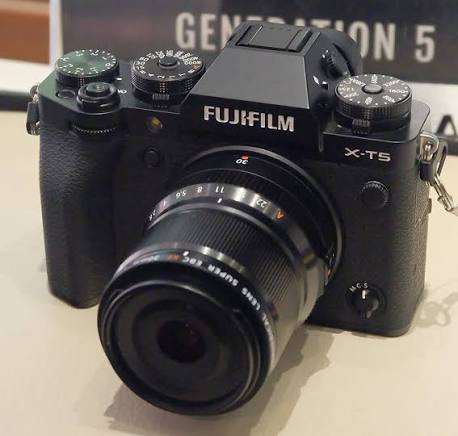
The Fujifilm X-T5 embraces a more traditional photography experience. Its top plate features dedicated dials for important exposure settings, while the camera retains the distinctive Fujifilm design language.
This isn’t simply a cosmetic difference.
Sony A6700 design
The A6700 makes sense for photographers who frequently switch between:
- Stills
- Video
- Slow motion
- Vlogging
- Different shooting modes
Its dedicated still/movie/S&Q mode control is particularly useful for hybrid creators.
Fujifilm X-T5 design
The X-T5 is more deliberately photography-focused.
Its top-plate dials let photographers directly control major exposure settings, while compatible Fujifilm lenses often add aperture rings.
For photographers who enjoy controlling the camera manually, this can make the shooting process more engaging.
Winner: Fujifilm X-T5 for photography experience
Winner: Sony A6700 for hybrid operation
Sony A6700 vs Fujifilm X-T5: Sensor and Image Quality
Winner: Fujifilm X-T5
This is the most obvious specification advantage for Fujifilm.
The Sony A6700 uses a 26MP APS-C sensor, while the Fujifilm X-T5 uses a 40.2MP APS-C X-Trans CMOS 5 HR sensor.
The additional resolution gives the X-T5 significantly more pixels to work with.
That can matter when:
- Cropping wildlife photographs
- Making large prints
- Photographing products
- Capturing landscapes
- Shooting commercial images
- Retaining fine detail
However, higher resolution isn’t automatically better for every photographer.
A 26MP file is already more than sufficient for most websites, social media, editorial work and many professional applications.
Where Sony’s 26MP sensor makes sense
The lower resolution can mean:
- More manageable file sizes
- Less storage consumption
- Less demanding computer processing
- Plenty of resolution for most everyday photography
Where Fujifilm’s 40.2MP sensor wins
The X-T5 is particularly attractive when you want:
- Maximum detail
- More cropping flexibility
- Large prints
- High-resolution commercial photography
Image-resolution winner: Fujifilm X-T5
Sony A6700 vs Fujifilm X-T5: Autofocus
Winner: Sony A6700
Autofocus is one of the biggest reasons to choose the Sony.
The A6700 uses a dedicated AI processing unit for subject recognition and tracking. Sony’s system can recognize a range of subjects, including people, animals, birds, insects, vehicles, trains and aircraft.
For photographers who regularly photograph unpredictable subjects, this is extremely valuable.
Sony A6700 autofocus advantages
The A6700 is particularly appealing for:
- Wildlife
- Birds
- Sports
- Children
- Events
- Moving subjects
- Video
- Content creation
The camera can recognize and track subjects while maintaining focus as they move through the frame.
Fujifilm X-T5 autofocus
The X-T5 also features an advanced autofocus system with subject-detection capabilities.
It is capable of recognizing subjects and tracking them effectively, making it a capable camera for action photography.
However, Sony’s AI-driven tracking system gives the A6700 the edge when autofocus performance is a primary buying criterion.
Autofocus winner: Sony A6700
Sony A6700 vs Fujifilm X-T5: IBIS and Image Stabilization
Winner: Fujifilm X-T5
Both cameras feature 5-axis in-body image stabilization.
Sony rates the A6700 at up to 5.5 stops of stabilization.
Fujifilm rates the X-T5 at up to 7 stops.
That gives Fujifilm the advantage on paper.
Strong IBIS can be particularly useful for:
- Street photography
- Night photography
- Indoor photography
- Travel photography
- Handheld landscape photography
- Static subjects
But remember that IBIS primarily compensates for camera movement.
If your subject is moving, stabilization cannot completely eliminate subject motion blur.
IBIS winner: Fujifilm X-T5
Sony A6700 vs Fujifilm X-T5: Burst Shooting
Winner: Fujifilm X-T5
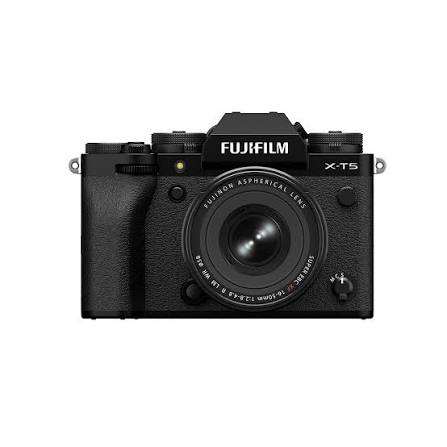
The X-T5 can shoot at up to 15fps using its mechanical shutter, while electronic-shutter modes can reach higher frame rates with a crop.
The A6700 can shoot at up to 11fps.
For sports, wildlife and fast-moving subjects, higher burst rates can provide more opportunities to capture the decisive moment.
However, burst speed should never be considered independently.
Autofocus tracking, lens autofocus speed, buffer performance and shutter characteristics also matter.
This is where the A6700 remains competitive despite its lower maximum mechanical burst rate.
Burst-speed winner: Fujifilm X-T5
Tracking winner: Sony A6700
Sony A6700 vs Fujifilm X-T5: Video Performance
Winner: Sony A6700
This is one of the clearest wins for Sony.
The A6700 supports 4K video up to 120p, making it particularly useful for slow-motion footage.
It also supports 10-bit 4:2:2 recording and advanced Sony picture profiles.
That makes it an excellent choice for:
- YouTube
- Vlogging
- Reels
- Shorts
- Travel video
- Interviews
- Commercial video
- Hybrid photography
The X-T5 is no weakling in video.
It can record 6.2K/30p and 4K video in high-quality 10-bit formats.
For someone who occasionally records video, the X-T5 is more than capable.
But for someone whose workflow includes substantial video creation, the A6700 is the more logical choice.
Video winner: Sony A6700
Sony A6700 vs Fujifilm X-T5: Viewfinder
Winner: Fujifilm X-T5
The X-T5 has a 3.69-million-dot electronic viewfinder with 0.8x magnification.
The A6700 uses a 2.36-million-dot EVF.
For photographers who spend a lot of time composing through the viewfinder, the X-T5 offers the more impressive specification.
A high-resolution EVF can make it easier to evaluate:
- Fine details
- Focus
- Composition
- Manual focusing
- Exposure
Viewfinder winner: Fujifilm X-T5
Sony A6700 vs Fujifilm X-T5: LCD Screen
Winner: Sony A6700 for video
The A6700 features a fully articulating vari-angle screen.
This is particularly useful for:
- Vlogging
- Self-recording
- YouTube
- Vertical video
- High-angle shots
- Low-angle shots
The X-T5 uses a three-way tilting LCD.
For still photography, the Fujifilm design is excellent and works particularly well for waist-level and vertical shooting.
But if you’re filming yourself, the Sony screen is more flexible.
Video screen winner: Sony A6700
Photography screen experience: Fujifilm X-T5
Sony A6700 vs Fujifilm X-T5: Controls and Ergonomics
Winner: Fujifilm X-T5 for photography
This category is subjective, but it matters.
The X-T5 gives you physical exposure controls that encourage a more deliberate photography workflow.
The A6700 is more modern and customizable.
Neither is objectively better for every photographer.
Choose Sony if you prefer:
- Custom buttons
- Touch controls
- Modern menus
- Hybrid shooting
- Quick switching between modes
Choose Fujifilm if you prefer:
- Physical dials
- Traditional exposure control
- Aperture-ring shooting
- Photography-focused operation
For photography enthusiasts, the X-T5’s controls are one of its biggest attractions.
Sony A6700 vs Fujifilm X-T5: Battery Life
Winner: Fujifilm X-T5
The X-T5 has a strong battery rating, with Fujifilm quoting up to approximately 740 frames under its Economy-mode testing.
Actual battery life will vary depending on:
- EVF usage
- LCD usage
- Autofocus
- Video
- Wireless features
- Temperature
- Shooting conditions
The A6700 also offers respectable battery performance, but the X-T5 has the stronger published still-photography figure.
Battery winner: Fujifilm X-T5
Sony A6700 vs Fujifilm X-T5: Memory Cards
Winner: Fujifilm X-T5
This is a significant difference for professional photographers.
The Fujifilm X-T5 has two SD card slots, including UHS-II support.
The Sony A6700 has a single memory-card slot.
Dual cards can be useful for:
- Automatic backup
- RAW + JPEG separation
- Professional event photography
- Wedding photography
- Commercial work
If you’re photographing an unrepeatable event, having an in-camera backup can provide additional peace of mind.
Memory-card winner: Fujifilm X-T5
Sony A6700 vs Fujifilm X-T5: Size and Weight
Winner: Sony A6700
The A6700 weighs approximately 493g, while the X-T5 weighs approximately 557g.
The difference is around 64g.
That isn’t dramatic, but the advantage becomes more meaningful once you add:
- Lens
- Batteries
- Memory cards
- Microphone
- Tripod
- Camera bag
For travel photographers and content creators, the smaller Sony body can be attractive.
Portability winner: Sony A6700
Sony A6700 vs Fujifilm X-T5: Lens Ecosystem
The lens system should be part of your decision from day one.
Buying a camera means buying into a mount and ecosystem.
Sony E-mount
Sony’s E-mount ecosystem is one of the strongest reasons to consider the A6700.
You can build systems for:
- Wildlife
- Sports
- Portraits
- Street
- Travel
- Vlogging
- Video
- Commercial photography
The system also gives photographers access to lenses from multiple manufacturers.
Fujifilm X-mount
Fujifilm’s X-mount system is another major strength.
It includes:
- Compact primes
- Fast portrait lenses
- Wide-angle lenses
- Travel zooms
- Telephoto zooms
- Macro lenses
Fujifilm’s lens ecosystem is particularly attractive to photographers who want compact APS-C lenses designed specifically around the X system.
The important question
Don’t ask only:
“Which camera body is better?”
Ask:
“Which complete camera system do I want to own for the next five years?”
That question can completely change the buying decision.
For more guidance on choosing camera bodies, lenses and equipment, see our Camera & Equipment buying guide.
Sony A6700 vs Fujifilm X-T5 for Different Types of Photography
Sony A6700 vs Fujifilm X-T5 for Wildlife Photography
Winner: Sony A6700 for autofocus
Wildlife photography places heavy demands on autofocus.
Animals move unpredictably, backgrounds can be complicated and the subject may occupy only a small part of the frame.
The A6700’s AI-assisted subject recognition gives it an advantage for tracking animals and birds.
The X-T5 counters with:
- 40.2MP resolution
- 15fps mechanical shooting
- Strong image stabilization
That resolution can be particularly useful when cropping distant wildlife.
Our recommendation
Choose A6700 for tracking.
Choose X-T5 for maximum resolution and cropping.
Sony A6700 vs Fujifilm X-T5 for Portrait Photography
Winner: Fujifilm X-T5
Both cameras are excellent for portraits.
Sony’s autofocus is fantastic for keeping a subject’s eye in focus.
But the X-T5’s high-resolution sensor and photography-focused controls make it an especially appealing stills camera.
Fujifilm’s Film Simulations can also be useful for photographers who want attractive JPEGs directly from the camera.
Our recommendation
Photography-first portrait photographer → X-T5
Portrait photographer who also creates lots of video → A6700
Sony A6700 vs Fujifilm X-T5 for Landscape Photography
Winner: Fujifilm X-T5
Landscape photographers often benefit from:
- High resolution
- Dynamic range
- Strong stabilization
- Detailed files
- Cropping flexibility
The X-T5’s 40.2MP sensor makes it particularly attractive for this type of photography.
Its high-resolution files also provide flexibility for large prints.
Landscape winner: Fujifilm X-T5
Sony A6700 vs Fujifilm X-T5 for Street Photography
Winner: Fujifilm X-T5
The X-T5 is an excellent street-photography camera.
Its physical controls make it easy to set exposure quickly, while its compact body and Film Simulation options complement a walk-around photography workflow.
The A6700 is still an excellent choice, particularly if autofocus and video are important.
But for the pure photography experience, we’d choose the X-T5.
Street photography winner: Fujifilm X-T5
Sony A6700 vs Fujifilm X-T5 for Travel Photography
Winner: Tie, depending on the traveler
Choose Sony A6700 for:
- Travel video
- Vlogging
- Lightweight setups
- Fast autofocus
- Hybrid shooting
Choose Fujifilm X-T5 for:
- Travel photography
- Street photography
- Landscapes
- High-resolution images
- Photography-focused trips
If you come home from a trip with hundreds of photographs and only a few video clips, the X-T5 makes more sense.
If you’re producing travel videos and photographs together, choose the A6700.
Sony A6700 vs Fujifilm X-T5 for Sports Photography
Winner: Sony A6700 for autofocus
Sports photography requires more than burst speed.
You need:
- Accurate autofocus
- Subject tracking
- Fast lenses
- High shutter speeds
- Good ergonomics
The X-T5’s 15fps mechanical burst is impressive.
But Sony’s autofocus and subject-recognition capabilities give the A6700 an advantage when tracking unpredictable movement.
Sports autofocus winner: Sony A6700
Sony A6700 vs Fujifilm X-T5 for Product Photography
Winner: Fujifilm X-T5
Product photography generally benefits from resolution more than extreme autofocus performance.
The X-T5’s 40.2MP sensor gives photographers more detail and cropping flexibility.
This can be particularly valuable for:
- Ecommerce
- Product catalogs
- Advertising
- Editorial photography
- Large product images
Product photography winner: Fujifilm X-T5
Sony A6700 vs Fujifilm X-T5 for Content Creation
Winner: Sony A6700
This is where the A6700 pulls clearly ahead.
The combination of:
- 4K 120p
- Vari-angle display
- Strong autofocus
- Subject tracking
- Compact body
- Hybrid capabilities
makes the A6700 particularly suitable for creators.
If you’re buying one camera for YouTube + photography + short-form video, the A6700 is the stronger choice.
What Actually Matters When Choosing Between These Cameras?
Specifications can make the decision seem complicated.
The actual decision is much simpler.
If you need more resolution
Choose Fujifilm X-T5.
If you need better autofocus tracking
Choose Sony A6700.
If you need better video flexibility
Choose Sony A6700.
If you want physical photography controls
Choose Fujifilm X-T5.
If you need dual card slots
Choose Fujifilm X-T5.
If you want a lighter body
Choose Sony A6700.
If you primarily photograph landscapes and portraits
Choose Fujifilm X-T5.
If you photograph wildlife and sports
Lean toward Sony A6700.
If you create YouTube videos
Choose Sony A6700.
If you simply love photography
Choose Fujifilm X-T5.
Sony A6700 Pros and Cons
Pros
- Excellent autofocus
- AI-powered subject recognition
- Strong subject tracking
- 26MP APS-C sensor
- 4K 120p video
- Excellent hybrid performance
- Compact and lightweight
- Vari-angle screen
- Strong E-mount ecosystem
- Excellent for content creation
Cons
- Lower resolution than X-T5
- Single memory-card slot
- Lower-resolution EVF
- Less traditional photography controls
- Lower rated IBIS than X-T5
Fujifilm X-T5 Pros and Cons
Pros
- 40.2MP APS-C sensor
- Excellent detail
- Strong cropping flexibility
- Up to 7-stop IBIS
- Up to 15fps mechanical shooting
- Dual SD card slots
- High-resolution EVF
- Physical exposure controls
- Film Simulation system
- Strong battery performance
- 6.2K video
Cons
- Heavier than A6700
- No 4K 120p
- Less video-oriented screen
- Large RAW files
- Photography-first design may not suit every hybrid creator
Who Should Buy the Sony A6700?
The Sony A6700 is the better choice if you are:
- A hybrid photographer
- A YouTuber
- A vlogger
- A content creator
- A wildlife photographer
- A sports photographer
- A travel creator
- A photographer who values autofocus
- Someone who regularly shoots video
- Someone who wants a compact setup
Our recommendation
If you’re looking for one APS-C camera that can handle photographs, video, wildlife, travel and content creation, the A6700 is extremely difficult to ignore.
Check the Sony A6700
Affiliate Disclosure: We may earn a commission if you purchase through the affiliate link below, at no additional cost to you.
Check the Sony A6700 on Amazon
Who Should Buy the Fujifilm X-T5?
The Fujifilm X-T5 is the better choice if you are:
- A photography enthusiast
- A portrait photographer
- A landscape photographer
- A street photographer
- A product photographer
- A travel photographer
- A commercial photographer
- Someone who wants maximum APS-C resolution
- Someone who frequently crops images
- Someone who loves physical camera controls
- Someone who needs dual card slots
Our recommendation
If photography is the primary reason you’re buying a camera, the X-T5 is arguably the more satisfying long-term choice.
Check the Fujifilm X-T5
Affiliate Disclosure: We may earn a commission if you purchase through the affiliate link below, at no additional cost to you.
Check the Fujifilm X-T5 on Amazon
Who Should NOT Buy the Sony A6700?
The A6700 may not be the right choice if:
- You rarely shoot video
- You want maximum APS-C resolution
- You frequently make very large prints
- You want dual memory-card slots
- You strongly prefer traditional exposure dials
- You primarily photograph static subjects
In those situations, the X-T5 may provide more of what you actually need.
Who Should NOT Buy the Fujifilm X-T5?
The X-T5 may not be the right choice if:
- Video is central to your work
- You need 4K 120p
- You frequently vlog
- Advanced subject tracking is your highest priority
- You want the lightest body possible
- You need a fully articulating display
For these users, the A6700 makes more sense.
Price and Value Considerations
Camera prices change frequently, so the best way to compare the two at the time of purchase is to check the current selling price rather than relying on an old launch price.
More importantly, don’t compare only the camera bodies.
Your actual investment includes:
- Camera body
- Lens
- Memory cards
- Batteries
- Camera bag
- Tripod
- Filters
- Microphone
- Other accessories
A cheaper body with an expensive lens system can ultimately cost more than a more expensive body paired with the lenses you actually need.
This is why your camera system matters more than the body alone.
Which Camera Is Better for the Money?
There isn’t a universal answer.
Sony A6700 offers better value if:
Your priority is:
Autofocus + video + portability + hybrid shooting
Fujifilm X-T5 offers better value if:
Your priority is:
Resolution + photography + IBIS + physical controls + dual cards
The best value is therefore determined by which features you will actually use.
Buying a camera because it has more megapixels or more video modes doesn’t create value if those features aren’t part of your workflow.
Sony A6700 vs Fujifilm X-T5: Final Verdict
The Sony A6700 and Fujifilm X-T5 are both excellent APS-C mirrorless cameras, but they solve different problems.
The Sony A6700 is the better hybrid camera.
It combines a compact body with advanced autofocus, AI-powered subject recognition and strong video capabilities. If you create videos, photograph wildlife, shoot sports or need one camera for both photographs and video, the A6700 is the more versatile choice.
The Fujifilm X-T5 is the better photography-first camera.
Its 40.2MP sensor, powerful IBIS, high-resolution EVF, physical controls, Film Simulations and dual-card configuration make it an excellent choice for photographers who care primarily about still images.
Our final recommendation
| If your priority is… | Buy |
|---|---|
| Photography | Fujifilm X-T5 |
| Video | Sony A6700 |
| Autofocus | Sony A6700 |
| Resolution | Fujifilm X-T5 |
| Wildlife tracking | Sony A6700 |
| Cropping | Fujifilm X-T5 |
| Landscape | Fujifilm X-T5 |
| Portraits | Fujifilm X-T5 |
| Street | Fujifilm X-T5 |
| YouTube | Sony A6700 |
| Vlogging | Sony A6700 |
| Content creation | Sony A6700 |
| Dual cards | Fujifilm X-T5 |
| Portability | Sony A6700 |
| Photography controls | Fujifilm X-T5 |
| Hybrid shooting | Sony A6700 |
The simplest answer
Buy the Sony A6700 if you want a camera that does everything well, especially video and autofocus.
Buy the Fujifilm X-T5 if you want a camera designed primarily around the art and experience of photography.
And before you buy either camera, make sure you look at the lenses available for the system you are choosing. Your lens investment will often have a greater long-term impact on your photography than the difference between two excellent camera bodies.
For more camera-buying guidance, continue with our Camera & Equipment buying guide.
Frequently Asked Questions
Which camera should a beginner buy?
A beginner should choose based on what they want to learn.
If they want photography and video, the A6700 is a strong choice.
If they primarily want to learn still photography and enjoy a traditional camera-control experience, the X-T5 may be more rewarding.
Related Articles
- Sony A6700 vs Canon R7 — another important APS-C comparison for photographers considering the Sony system.
- Camera & Equipment Buying Guide — our broader resource for choosing cameras, lenses and photography equipment.
- Best Cameras for YouTube Beginners — useful for creators prioritizing video and content production.
- Best Cameras for Instagram and Reels — useful for social-media-focused photographers and creators.
Outbound Links
Keep external links limited and authoritative.
Sony
Sony A6700 Official Product Page
https://www.sony.co.in/interchangeable-lens-cameras/products/ilce-6700
Fujifilm
Fujifilm X-T5 Official Specifications
These are the appropriate external sources for readers who want to verify technical specifications.
Resources
- Sony A6700 official specifications
- Sony A6700 official product information
- Fujifilm X-T5 official specifications
- Fujifilm X-T5 official product information
- The Candid Shoot Camera & Equipment
- The Candid Shoot camera buying guides
Affiliate Disclosure
This article contains affiliate links. If you purchase a camera through one of our affiliate links, The Candid Shoot may earn a commission at no additional cost to you.
Our recommendations are based on the features, capabilities and intended use of each camera rather than the commission associated with a particular product.









Leave a Reply