
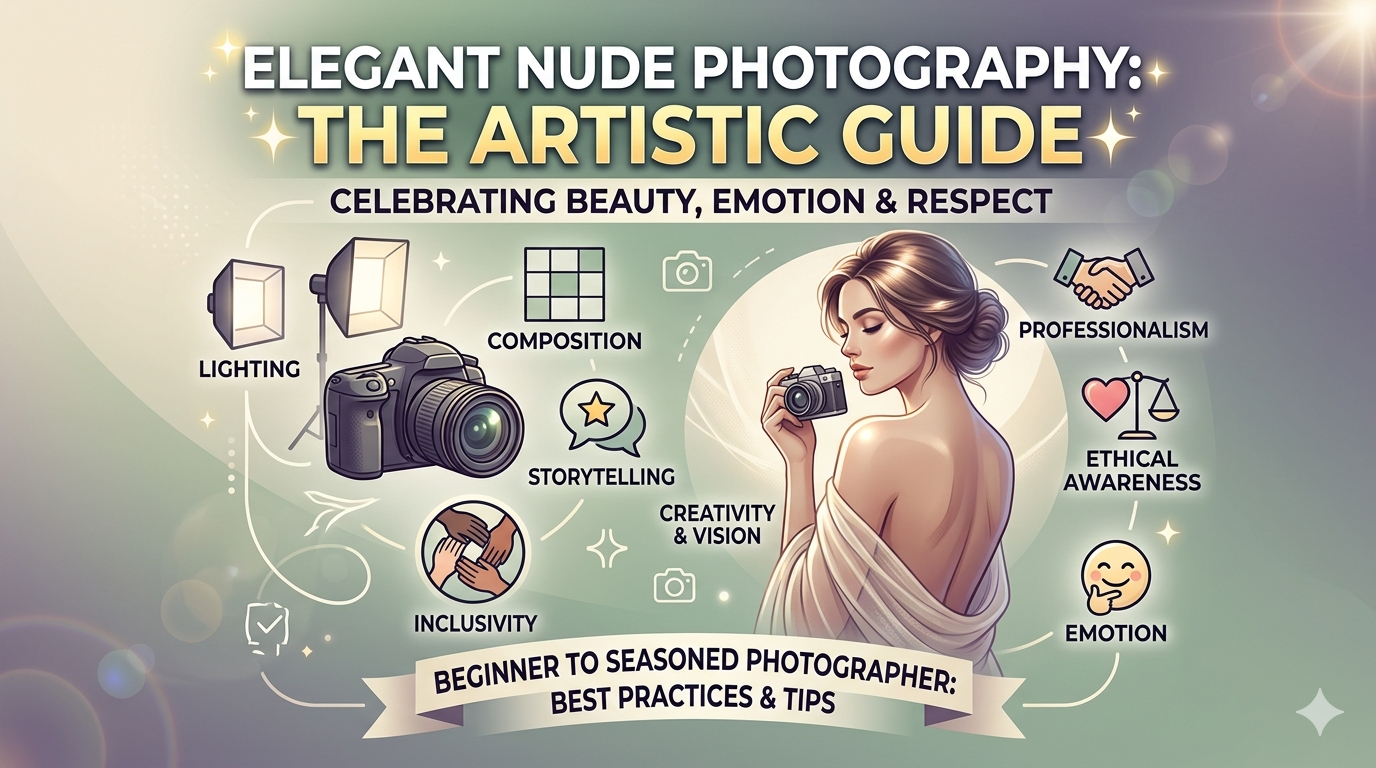
Explore creative Elegant Nude Photography ideas for artistic, minimal, and emotionally expressive portraits with a luxury editorial aesthetic.
Table of Contents
Introduction:
Nude photography is a sophisticated art form that celebrates the human body and its inherent beauty. When done thoughtfully and respectfully, it can produce striking, elegant images that evoke emotion and tell stories. However, achieving elegance in nude photography requires a combination of technical skill, artistic vision, and ethical awareness.
In this comprehensive guide, we’ll explore the essential tips and best practices for creating elegant nude photography, emphasizing inclusivity, professionalism, and creativity. Whether you’re a beginner or a seasoned photographer, these insights will help you elevate your work while maintaining integrity and respect for your subjects.
Great fashion photography goes beyond striking poses. Factors such as lighting, composition, styling, and subject confidence all contribute to creating professional-looking images. For a deeper understanding of these techniques, explore our complete portrait and fashion photography guide packed with expert tips and creative ideas.

Understanding Elegance in Nude Photography
Elegance in nude photography is about highlighting the natural beauty, grace, and emotion of the human form. It avoids vulgarity and instead focuses on creating art that is tasteful, meaningful, and empowering.
Characteristics of Elegant Nude Photography
- Subtlety: Uses lighting, poses, and composition to suggest rather than reveal.
- Emotion: Evokes feelings of intimacy, strength, or vulnerability.
- Respect: Treats the subject with dignity and celebrates individuality.
- Artistry: Employs creative techniques to craft visually stunning images.
By prioritizing these qualities, photographers can create images that resonate deeply with viewers and stand the test of time.
1. Establishing Trust and Comfort For Nude Photography
The foundation of any successful nude photography session is trust and comfort between the photographer and the subject. Subjects need to feel safe and respected to express themselves freely.
Building Trust
- Pre-Shoot Consultations: Meet with the subject to discuss their goals, boundaries, and concerns. This helps establish rapport and ensures mutual understanding.
- Clear Communication: Be transparent about your creative vision and explain the steps of the shoot.
- Professional Conduct: Maintain professionalism throughout the process, including dress, language, and behavior.
Creating a Comfortable Environment
- Private Location: Use a secure and private studio or location to ensure the subject feels at ease.
- Supportive Team: If assistants or stylists are present, make sure they are respectful and supportive.
- Breaks and Check-Ins: Regularly check in with the subject to ensure they’re comfortable and offer breaks as needed.
2. Mastering Lighting Techniques
Lighting plays a crucial role in nude photography, shaping the mood and enhancing the subject’s features. Elegant images often rely on soft, flattering light to create depth and dimension.
Natural Light
- Golden Hour: Capture outdoor shots during sunrise or sunset for warm, diffused light.
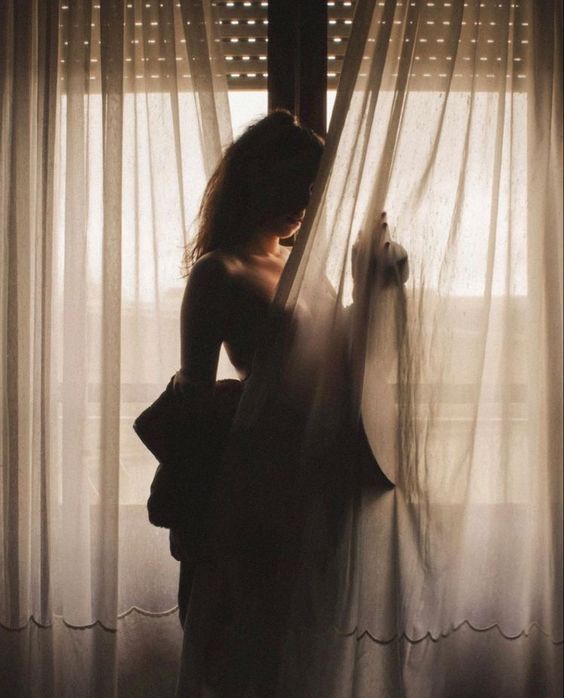
- Window Light: Use large windows to create soft, natural lighting indoors.
- Overcast Days: Take advantage of cloudy skies for even, shadow-free lighting.
Studio Lighting
- Softboxes and Umbrellas: Use modifiers to diffuse light and reduce harsh shadows.
- Directional Lighting: Highlight curves and contours with side or rim lighting.
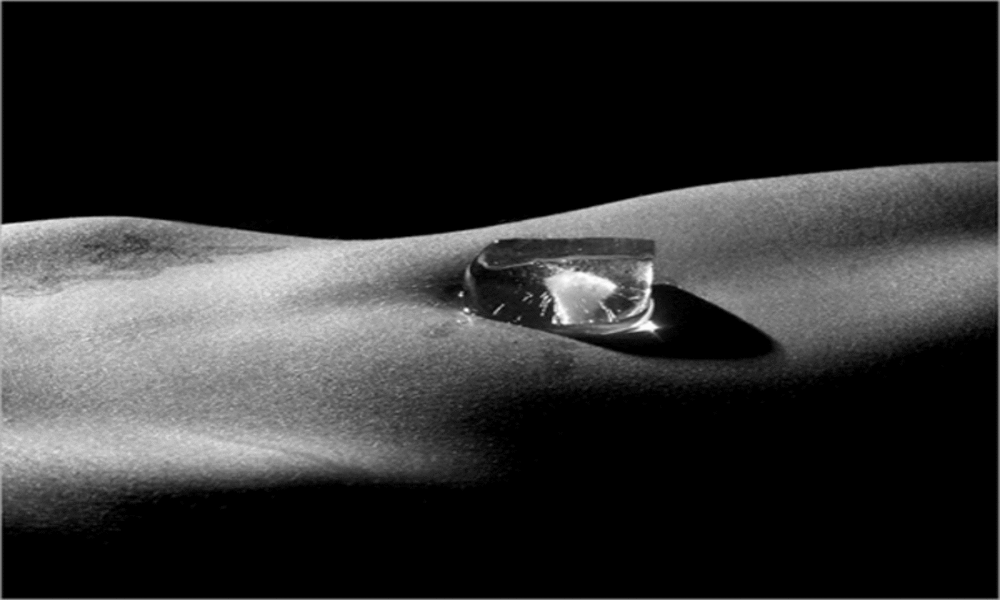
- Low-Key Lighting: Create dramatic, moody images by using minimal light and deep shadows.
3. Posing for Elegance
Posing is a key element of elegant nude photography, emphasizing the subject’s grace and form. Thoughtful poses convey emotion and tell a story while respecting the subject’s comfort.
Guidelines for Posing
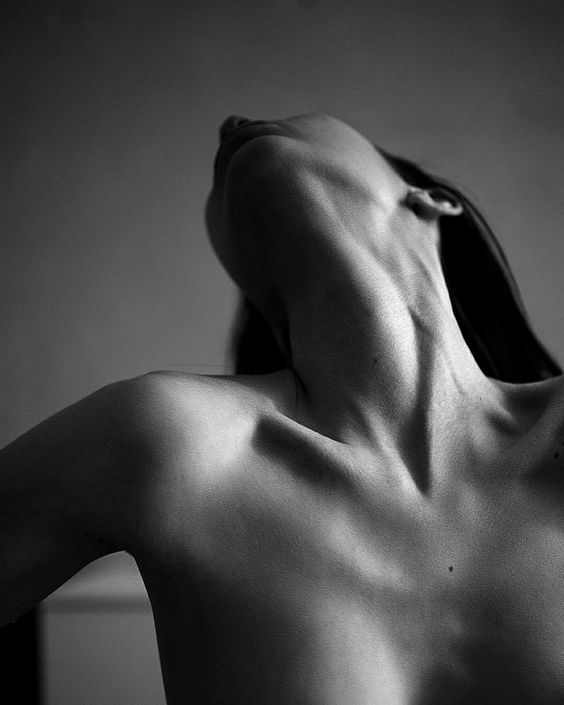
- Focus on Lines and Shapes: Encourage poses that create interesting lines and shapes, such as arching the back or extending the limbs.
- Highlight Strengths: Work with the subject to identify their best angles and features.
- Use Props and Fabrics: Incorporate fabrics, furniture, or other props to add depth and context to the image.
Communicating with the Subject
- Demonstrate Poses: Show examples or demonstrate poses to help the subject understand your vision.
- Provide Feedback: Offer positive, constructive feedback to guide the subject while boosting their confidence.
- Adapt to Comfort Levels: Adjust poses based on the subject’s comfort and abilities.
4. Paying Attention to Composition
Composition is the backbone of any great photograph. Elegant nude photography often employs thoughtful framing and creative perspectives to enhance the visual impact.
Techniques for Effective Composition
- Rule of Thirds: Position the subject off-center to create balance and interest.
- Leading Lines: Use elements like fabric, shadows, or architecture to draw the viewer’s eye to the subject.
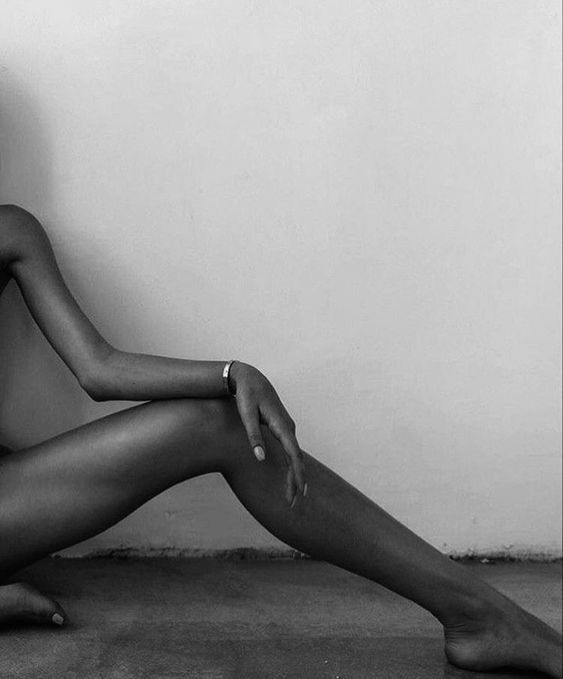
- Negative Space: Incorporate empty space to add simplicity and focus.
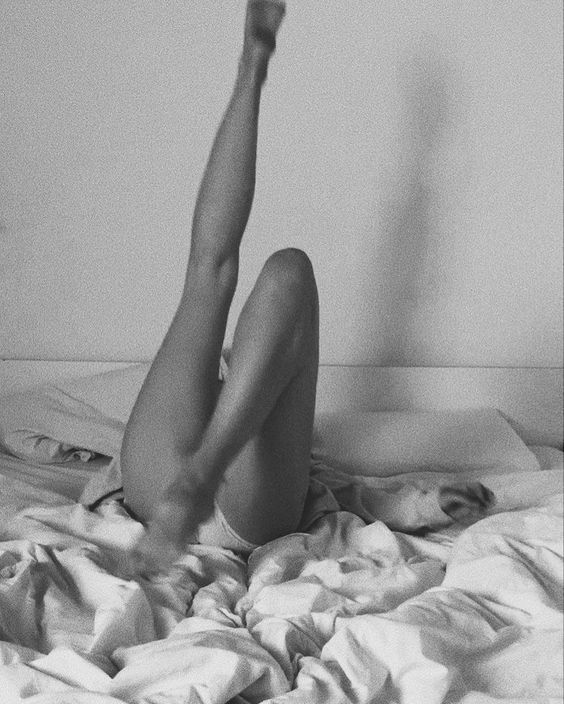
- Close-Ups and Abstracts: Focus on specific body parts or textures for artistic, abstract images.

5. Incorporating Creative Elements
Adding creative touches can elevate your work and make your images stand out. Experimenting with different techniques and elements can bring a unique perspective to your photography.
Props and Accessories
- Fabrics: Use sheer or flowing fabrics for dynamic movement and subtle coverage.
- Jewelry: Incorporate statement pieces to add elegance and contrast.
- Nature: Utilize elements like flowers, leaves, or water to create organic, ethereal scenes.
Post-Processing
- Subtle Edits: Enhance lighting, color, and texture without over-editing.
- Black-and-White Conversions: Create timeless images with monochrome processing.
- Skin Retouching: Use minimal retouching to maintain natural beauty and authenticity.
6. Respecting Legal and Ethical Boundaries For Nude Photography
Nude photography requires strict adherence to legal and ethical guidelines to ensure professionalism and respect for the subject.
Consent and Model Releases
- Obtain written consent before the shoot, clearly outlining the intended use of the images.
- Provide the subject with a copy of the model release for their records.
Privacy and Confidentiality
- Store images securely and share them only with explicit permission.
- Honor requests to keep certain images private or unpublished.
Inclusivity and Representation
- Celebrate diversity by working with subjects of all genders, body types, and backgrounds.
- Avoid perpetuating stereotypes or unrealistic beauty standards.
7. Overcoming Challenges in Nude Photography
Nude photography can present unique challenges, from technical difficulties to managing emotions. Preparing for these obstacles can help ensure a successful shoot.
Addressing Subject Insecurities
- Reassure the subject and focus on their strengths.
- Share positive feedback and celebrate their individuality.
- Use poses and lighting to highlight their natural beauty.
Dealing with Environmental Factors
- Plan for temperature control in outdoor or studio shoots.
- Bring blankets, robes, or heaters to keep the subject comfortable.
- Scout locations in advance to identify potential issues.
Conclusion
Elegant nude photography is a powerful art form that requires a blend of technical expertise, creativity, and empathy. By building trust, mastering lighting and posing, and adhering to ethical standards, photographers can create images that are both stunning and meaningful. When approached with respect and professionalism, nude photography can empower subjects and inspire viewers, celebrating the beauty and diversity of the human form.
FAQs:
1. What is elegant nude photography?
Elegant nude photography is a form of artistic portrait photography that focuses on emotion, composition, lighting, and body form rather than explicit imagery. The goal is to create tasteful and visually expressive portraits using soft lighting, natural posing, and minimal styling. Fine art nude photography often emphasizes confidence, vulnerability, and storytelling while maintaining sophistication and artistic value. This style is commonly used in editorial, conceptual, and body-positive photography projects that celebrate human form through creativity and elegance.
2. How do photographers make nude photography look artistic?
Photographers create artistic nude photography by focusing on lighting, shadows, composition, and emotion instead of explicit details. Soft directional lighting helps highlight body contours naturally, while minimalist backgrounds keep attention on shape and expression. Many photographers use black-and-white editing, cinematic tones, and creative framing to produce a fine art aesthetic. Posing also plays an important role, as natural movement and graceful posture help create emotional and visually balanced portraits that feel sophisticated rather than provocative.
3. What lighting works best for elegant nude photography?
Soft natural window light is one of the best lighting options for elegant nude photography because it creates gentle shadows and smooth skin tones. Diffused studio lighting and side lighting are also popular because they emphasize shape and depth artistically. Many photographers prefer low-contrast lighting setups to maintain a soft and timeless atmosphere. Dramatic lighting can also be used for editorial-style portraits, but the focus usually remains on elegance and mood rather than harsh contrast or overly bright highlights.
4. How can beginners pose naturally in artistic nude photography?
Beginners can pose naturally by focusing on relaxed posture, gentle movement, and emotional expression rather than complicated body positioning. Simple poses such as sitting near a window, turning slightly away from the camera, or using fabrics and shadows for coverage often create elegant results. Relaxing the shoulders, elongating the neck, and using soft hand placement can also improve body language. Practicing poses beforehand and working in a comfortable environment helps subjects feel more confident and natural during the session.
5. Is nude photography considered fine art?
Yes, nude photography has long been considered a respected form of fine art photography when approached with creativity, professionalism, and artistic intent. Many photographers use nude portraiture to explore themes such as emotion, vulnerability, identity, and body positivity. Fine art nude photography focuses more on composition, lighting, storytelling, and visual aesthetics rather than explicit content. Museums, galleries, and editorial publications often showcase artistic nude photography as a form of creative and emotional visual expression.
Related Articles:
- Light Setup Ideas for Bold and Boudoir Shoots
- Bold Photoshoot Ideas at Home
- Natural Poses for Photos
- Indoor Photoshoot Ideas at Home
- Fashion Photography Poses
📖 Digital Photography School (Portrait Lighting Guides)
Learn professional portrait lighting and composition techniques:
👉 Digital Photography School





Leave a Reply