
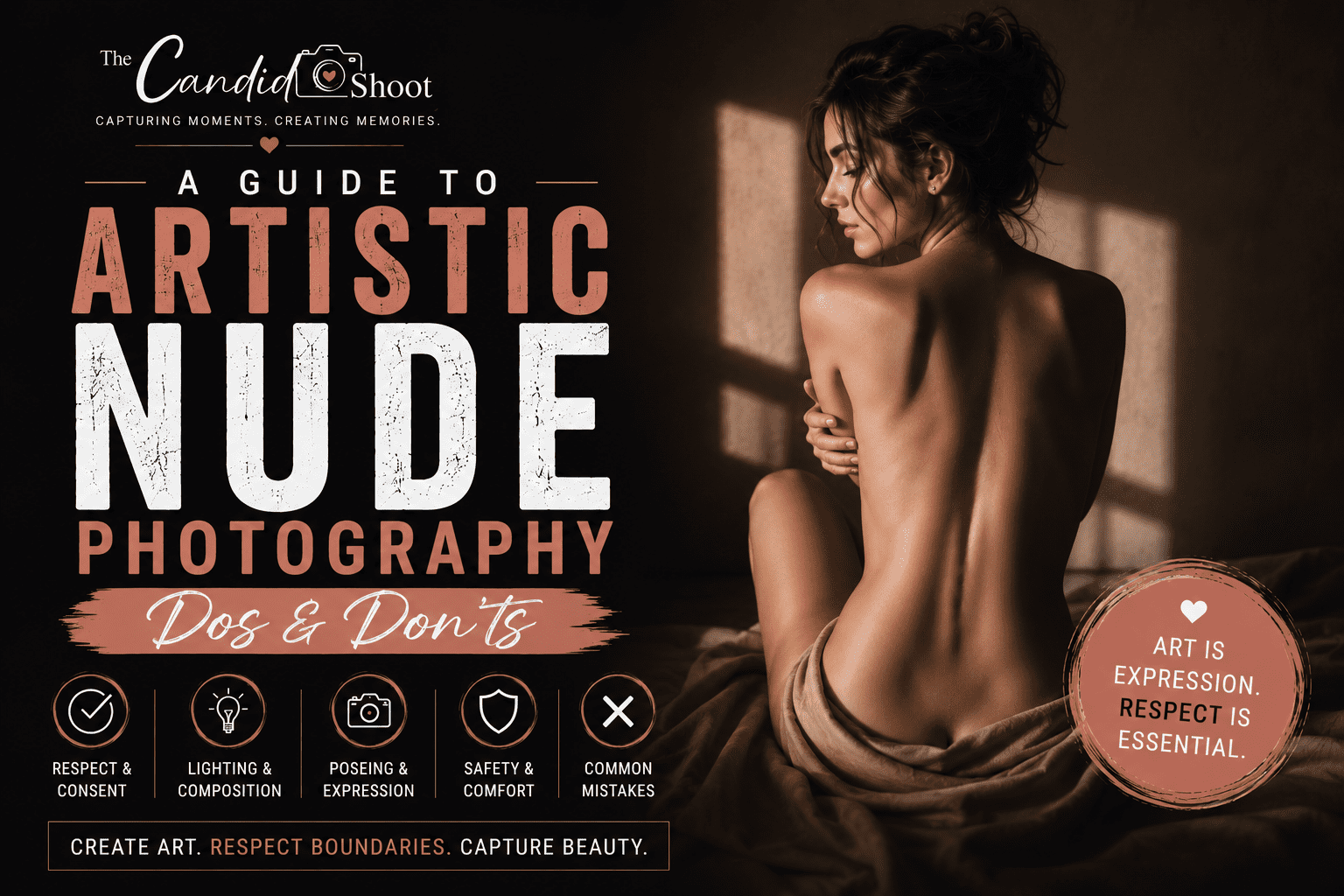
Discover essential artistic nude photography dos and don’ts to create elegant, expressive, and visually powerful portraits. Learn posing, lighting, composition, and professional techniques.
Table of Contents
Introduction
Artistic nude photography is a powerful form of visual expression that captures the human body in a way that conveys emotion, form, and storytelling. When executed with professionalism and artistic intent, it can produce striking and tasteful imagery. However, this genre requires sensitivity, clear communication, and an understanding of technical and ethical considerations. This comprehensive guide explores the dos and don’ts of artistic nude photography, helping photographers create stunning yet respectful work.
Great fashion photography goes beyond striking poses. Factors such as lighting, composition, styling, and subject confidence all contribute to creating professional-looking images. For a deeper understanding of these techniques, explore our complete portrait and fashion photography guide packed with expert tips and creative ideas.
Related Articles:
- Bold and intimate photography for beginners
- The art of sensual photography
- Candid intimate photography techniques
Understanding Artistic Nude Photography
Before diving into the dos and don’ts, it’s crucial to define artistic nude photography and its purpose. Unlike glamour or explicit imagery, artistic nude photography focuses on:
- Celebrating the human form as a piece of art
- Expressing emotion and storytelling through composition
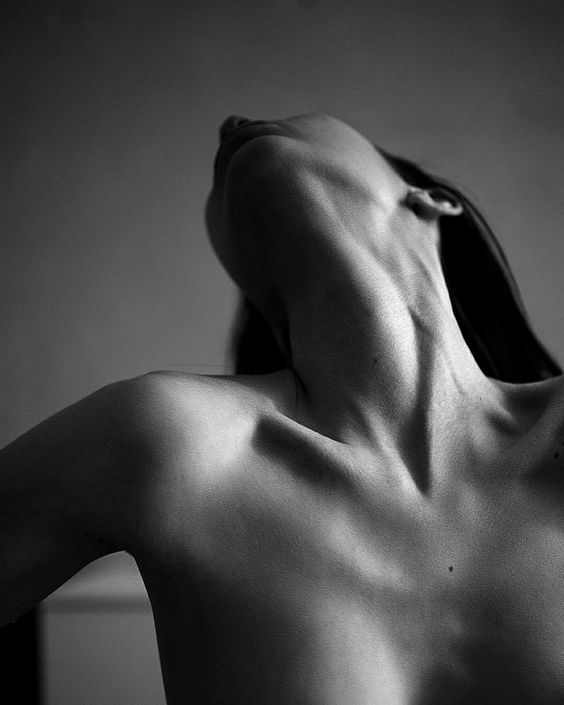
- Using lighting and posing to enhance natural beauty
Successful nude photography requires intention and respect for the model, setting the tone for a professional and creative environment.
Dos of Artistic Nude Photography
1. Establish Trust and Clear Communication
Trust is the foundation of any successful nude photoshoot. A model should feel safe, comfortable, and confident in the photographer’s ability to capture tasteful and artistic images. Here’s how to build trust:
- Pre-shoot Meetings: Discuss expectations, concepts, and comfort levels in advance.
- Contracts and Model Releases: Always have a written agreement specifying how the images will be used.
- Respect Boundaries: Never pressure a model into poses or settings they are uncomfortable with.
- Professional Conduct: Maintain professionalism by being courteous, clear, and considerate.
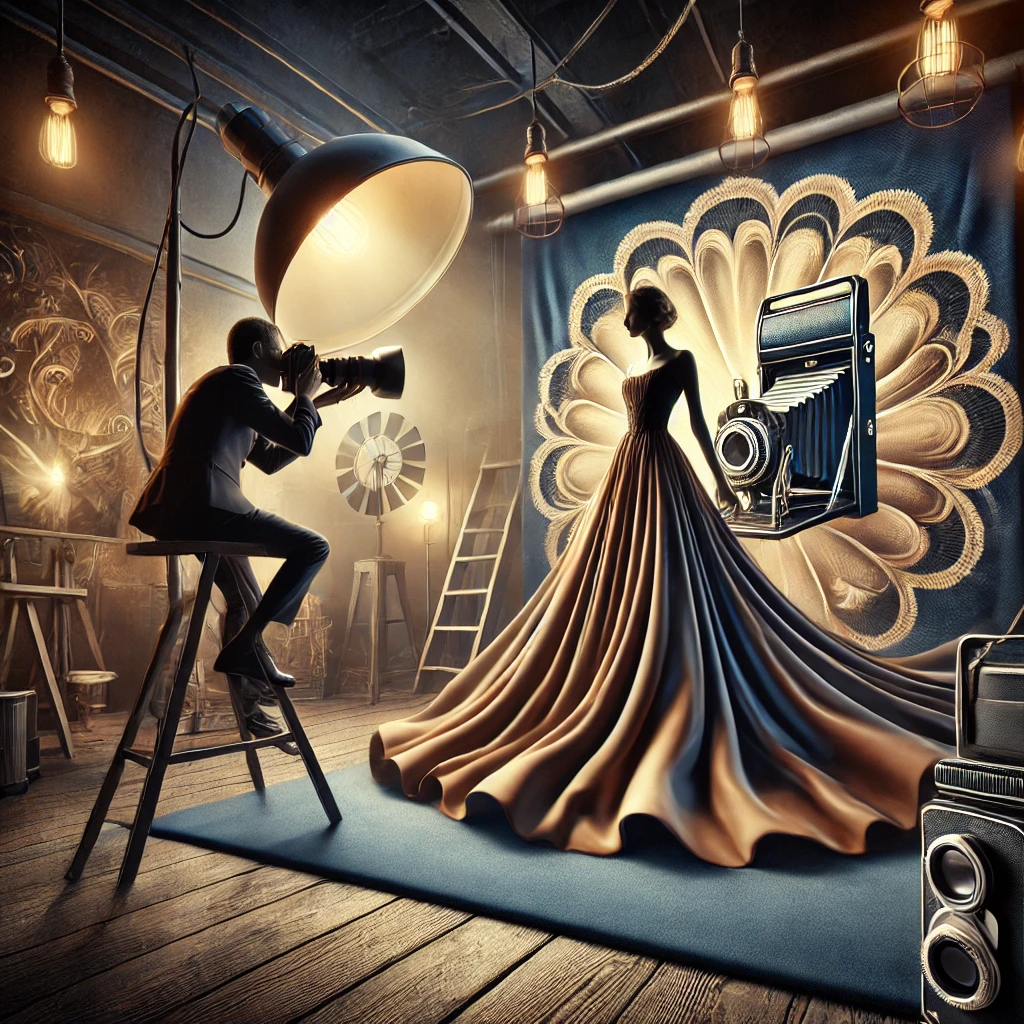
2. Choose the Right Lighting for Mood and Form
Lighting can dramatically influence the mood and depth of nude photography. The right setup will accentuate form while adding dimension to the image. Consider:
- Soft, Natural Light: Use diffused daylight to create soft shadows and a natural aesthetic.
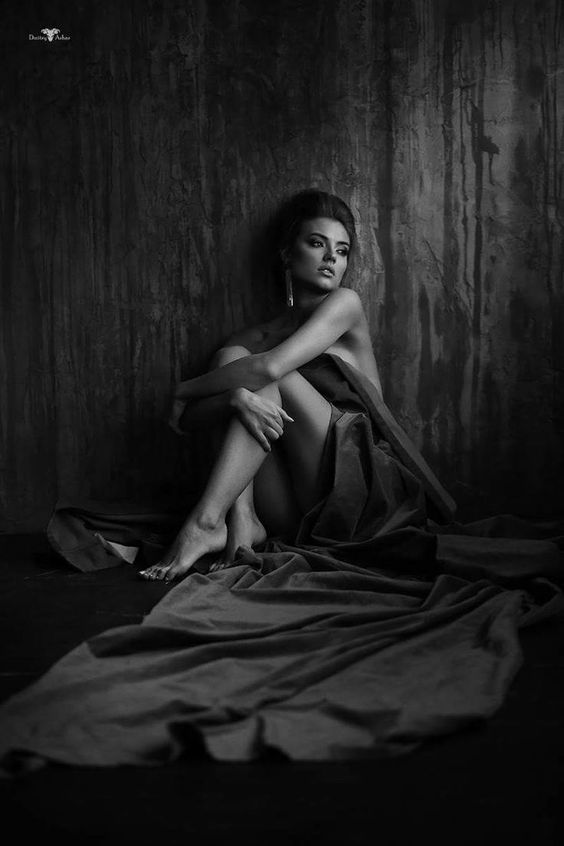
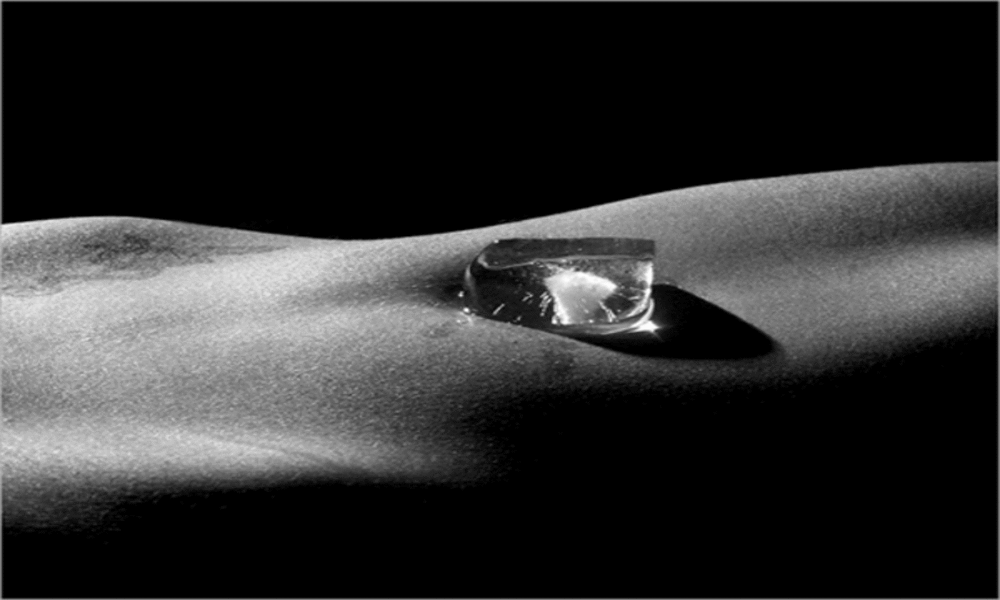
- Low-Key Lighting: High contrast lighting enhances dramatic effects, sculpting the body with highlights and shadows.
- Backlighting: Creates silhouettes, emphasizing contours for a striking effect.
- Studio vs. Natural Light: Studio lighting provides control, while natural light offers an organic feel.
3. Prioritize Composition and Posing
A well-composed image elevates nude photography from ordinary to extraordinary. Key composition techniques include:
- Rule of Thirds: Place key elements at intersecting points for a balanced shot.
- Leading Lines: Use body curves, drapery, or background elements to guide the viewer’s eye.
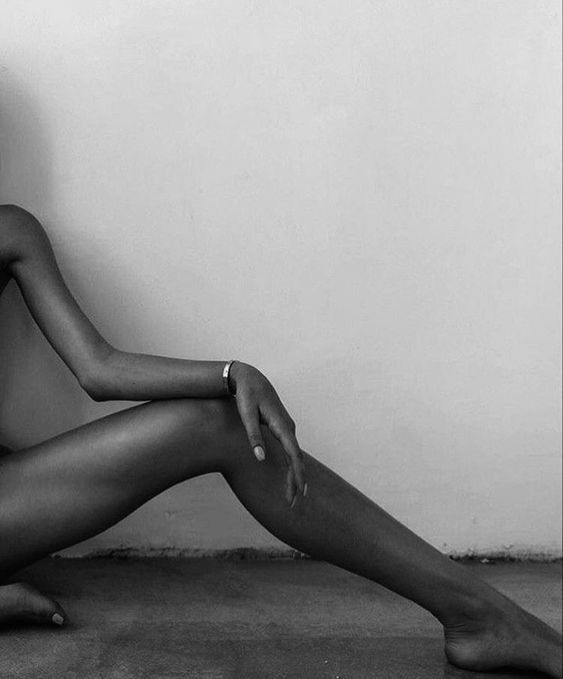
- Negative Space: Adds artistic depth and focus to the subject.
4. Use Props and Creative Elements
Props add context and enhance artistic storytelling. Common elements include:
- Fabrics: Flowing materials add softness and movement.
- Nature: Trees, water, or sand create an organic setting.
- Abstract Objects: Shapes, mirrors, and furniture can be used to frame or enhance the subject.
5. Focus on Ethical Photography Practices
Maintaining ethical standards protects both the photographer and model. Key principles include:
- Consent and Comfort: Always check in with the model throughout the shoot.
- Privacy Protection: Ensure the secure handling and storage of images.
- Transparency: If sharing or publishing images, ensure the model is informed and agrees.
Don’ts of Artistic Nude Photography
1. Never Rush the Process
Nude photography requires patience. Avoid:
- Skipping essential discussions about the model’s comfort.
- Rushing poses, leading to unnatural or awkward compositions.
- Overlooking minor details that could impact the final image.
2. Avoid Over-Retouching
Excessive editing can strip the natural essence of nude photography. Avoid:
- Over-smoothing skin to unrealistic levels.
- Altering body shapes unnaturally.
- Removing natural beauty marks or textures unless requested by the model.
3. Don’t Neglect Background and Setting
A cluttered or distracting background can take away from the subject’s impact. Avoid:
- Messy or overly busy environments.
- Background elements that compete with the subject.
- Harsh, unflattering lighting conditions.
4. Do Not Compromise Safety or Comfort
A professional environment is key. Never:
- Shoot in unsafe locations.
- Use poses that strain or discomfort the model.
- Make inappropriate comments or actions.
5. Don’t Ignore Legal Considerations
Understanding laws and guidelines around nude photography is crucial. Avoid:
- Posting images without model consent.
- Overstepping legal age restrictions.
- Ignoring privacy laws when publishing work.
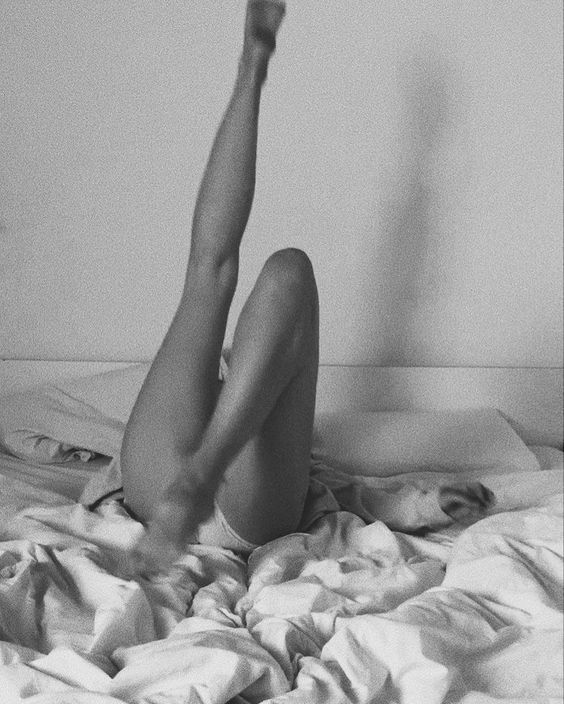
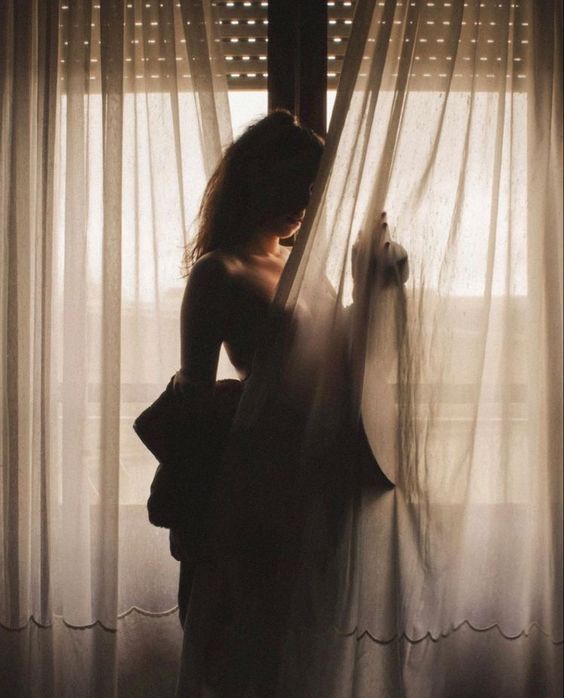

The Final Touch: Post-Processing & Presentation
After capturing the images, post-processing refines the final product. Keep in mind:
- Color Grading: Adjust hues to set the mood.
- Contrast & Exposure: Enhance without over-editing.
- Selective Editing: Remove distractions while maintaining realism.
Conclusion: Creating Art with Respect & Mastery
Artistic nude photography is an expressive and impactful art form when approached with professionalism, ethics, and creative vision. By following the dos and don’ts outlined in this guide, photographers can craft meaningful, respectful, and visually stunning work.
Whether you’re a beginner exploring the world of nude photography or an experienced photographer looking to refine your approach, the key takeaway is to prioritize trust, composition, and ethical practices. Through these principles, you can elevate your work while maintaining artistic integrity.
Would you like more insights on specific techniques, camera settings, or editing styles? Let us know in the comments below!
FAQs:
What is artistic nude photography?
Artistic nude photography is a fine art photography style that focuses on form, emotion, light, shadows, and creative expression rather than explicit content.
What is the difference between artistic nude photography and boudoir photography?
Artistic nude photography emphasizes artistic composition and storytelling, while boudoir photography typically focuses more on confidence, fashion, and intimate portrait styles.
Which lighting works best for artistic nude photography?
Soft window light, directional lighting, and low-key lighting setups work well to highlight shape, texture, and artistic details.
How do photographers make subjects feel comfortable during artistic shoots?
Clear communication, trust, professional boundaries, and a relaxed environment help subjects feel comfortable and confident.
Which camera lens is ideal for artistic portrait photography?
Prime lenses such as 50mm and 85mm are commonly preferred because they create flattering perspectives and beautiful depth.
What are common mistakes in artistic nude photography?
Poor lighting, uncomfortable posing, cluttered backgrounds, and ignoring emotional storytelling can reduce the artistic impact of photos.
Can beginners learn artistic nude photography?
Yes, beginners can start by learning lighting techniques, composition principles, and how to create comfortable and respectful shooting environments.




Leave a Reply