
Build a professional wedding photography camera setup with the right camera bodies, lenses, backup gear, autofocus, low-light performance, and reliable workflow.
Table of Contents

Professional Wedding Photography Camera Setup: Cameras, Lenses & Gear Guide
Our Approach to Wedding Photography Gear
Experience
Wedding photography is a demanding form of photography because the photographer has to work with unpredictable movement, changing lighting, long shooting hours, and moments that cannot be recreated.
This guide focuses on the practical considerations that matter when building a professional wedding photography camera setup, including camera bodies, lenses, autofocus, low-light performance, storage, backup equipment, ergonomics, and workflow.
Expertise
A professional wedding setup should be evaluated as a complete system rather than by looking at camera specifications alone. The camera body, lenses, memory cards, batteries, lighting equipment, storage, and backup strategy all affect reliability during a real wedding.
Authoritativeness
The recommendations and principles in this guide are based on established photography practices and the capabilities offered by modern camera systems from manufacturers such as Canon, Sony, Nikon, and other major brands.
For current specifications, photographers should always verify information with the camera manufacturer’s official documentation before purchasing.
Trustworthiness
We do not claim hands-on testing of every camera or lens discussed in this article unless we have actually tested that equipment ourselves.
Some links on The Candid Shoot may be affiliate links. If you purchase through one of these links, we may earn a commission at no additional cost to you.
Introduction
Choosing a camera for wedding photography is only one part of building a reliable professional setup.
A wedding photographer may spend an entire day moving between outdoor ceremonies, dark indoor venues, crowded dance floors, family portraits, couple portraits, and fast-moving candid moments. Lighting can change within seconds, subjects rarely stay still, and there is usually no opportunity to repeat an important moment.
That is why professional wedding photography is better approached as a complete camera and lens system rather than a simple camera purchase.
The right setup combines dependable camera bodies, fast lenses, accurate autofocus, strong low-light performance, reliable storage, sufficient batteries, lighting equipment, and a backup strategy.
If you are specifically looking for the best individual cameras for wedding photography in 2026, see our dedicated guide:
Best Camera for Wedding Photography in 2026: 10 Best Cameras for Wedding Photographers
This article takes a different approach. Instead of simply ranking cameras, we will look at how to build a complete wedding photography system that can handle an actual assignment.
What Makes a Professional Wedding Photography Camera Setup?
A professional wedding setup should accomplish five things:
- Capture important moments reliably.
- Handle rapidly changing lighting conditions.
- Allow the photographer to work quickly.
- Protect images against equipment or storage failure.
- Provide enough flexibility to cover different types of photography.
The camera body is important, but it is only one component.
A professional setup may include:
- Two camera bodies
- A 24-70mm f/2.8 lens
- A 70-200mm f/2.8 lens
- A fast 35mm or 50mm prime
- Wide-angle coverage
- Multiple memory cards
- Several batteries
- External flash units
- Light stands or modifiers
- Camera straps or harnesses
- Backup storage
- Cleaning equipment
- Weather protection
The exact combination depends on your shooting style and budget.
Camera Body: What Should You Prioritize?
When choosing a camera body for wedding photography, specifications should be evaluated according to the demands of the job.
The most important characteristics include:
Reliable Autofocus
Weddings involve constant movement.
The bride may walk down an aisle, children may run through a scene, guests may move between the photographer and the couple, and the photographer may need to switch rapidly between subjects.
Reliable subject detection and eye autofocus can significantly reduce the number of missed images.
Strong Low-Light Performance
Wedding photographers frequently work in challenging lighting.
Examples include:
- Dim reception halls
- Candle-lit ceremonies
- Night portraits
- Indoor venues
- Decorative LED lighting
- Dance floors
- Evening ceremonies
A camera that produces usable files at higher ISO settings gives the photographer more flexibility.
Dual Card Slots
For professional work, redundancy is extremely valuable.
A camera with two memory card slots can be configured to record images simultaneously to both cards, depending on the camera’s supported recording modes.
This creates an additional layer of protection if one memory card fails.
Good Battery Life
A wedding may last many hours.
Changing batteries repeatedly can interrupt your workflow, so good battery endurance and several spare batteries are important.
Comfortable Ergonomics
A photographer may hold and operate a camera for many hours.
Grip design, button placement, weight, controls, and compatibility with straps or harnesses all affect comfort.
A technically excellent camera that causes significant fatigue may not be the best choice for a long wedding assignment.
Full-Frame vs APS-C for Wedding Photography
Full-frame cameras remain popular among professional wedding photographers because they provide a combination of image quality, low-light capability, and shallow depth of field.
They are particularly useful for:
- Indoor ceremonies
- Evening receptions
- Environmental portraits
- Low-light candid photography
- Subject isolation
However, APS-C cameras should not automatically be dismissed.
Modern APS-C cameras can produce excellent images and can be particularly attractive for photographers who prioritize:
- Lower cost
- Smaller equipment
- Lower system weight
- Reach for telephoto photography
The important point is that sensor size should be considered alongside lenses, autofocus, lighting, budget, and workflow.
Mirrorless vs DSLR for Wedding Photography
Mirrorless cameras have become the dominant choice for many modern wedding photographers.
They offer several advantages, including:
- Electronic viewfinders
- Real-time exposure preview
- Advanced subject detection
- Eye autofocus
- Electronic shutters
- Silent shooting modes on supported cameras
- Generally compact system designs
DSLR cameras can still produce excellent wedding photographs, particularly when paired with high-quality lenses.
However, photographers starting a new system in 2026 will generally find mirrorless platforms more attractive because manufacturers are heavily investing in their mirrorless lens ecosystems and autofocus technologies.
Autofocus: One of the Most Important Features
Autofocus is one of the most important parts of a wedding photography camera setup.
A wedding photographer rarely has complete control over the subject.
During a ceremony, the couple may move toward or away from the camera. During a reception, guests may cross the frame. During candid photography, expressions can change instantly.
Modern autofocus systems can detect:
- Human faces
- Eyes
- Bodies
- Moving subjects
- Multiple subjects
However, autofocus technology does not replace photographic technique.
Photographers still need to understand:
- AF modes
- Subject tracking
- Focus-area selection
- Back-button focusing
- Shutter speed
- Aperture
- Depth of field
The best results come from combining a capable autofocus system with good technique.
Low-Light Performance
Low-light photography is unavoidable at many weddings.
The photographer may need to capture a moment without using flash because the atmosphere of the scene is important.
This is where camera sensor performance and fast lenses become valuable.
For example, a 50mm f/1.8 or 50mm f/1.4 lens can allow more light to reach the sensor than a slower zoom lens.
Similarly, an f/2.8 zoom provides considerably more flexibility in dim environments than many entry-level kit lenses.

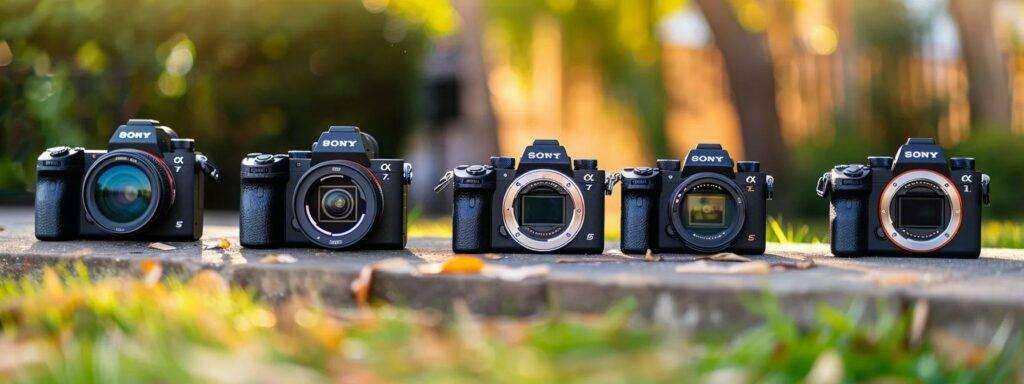
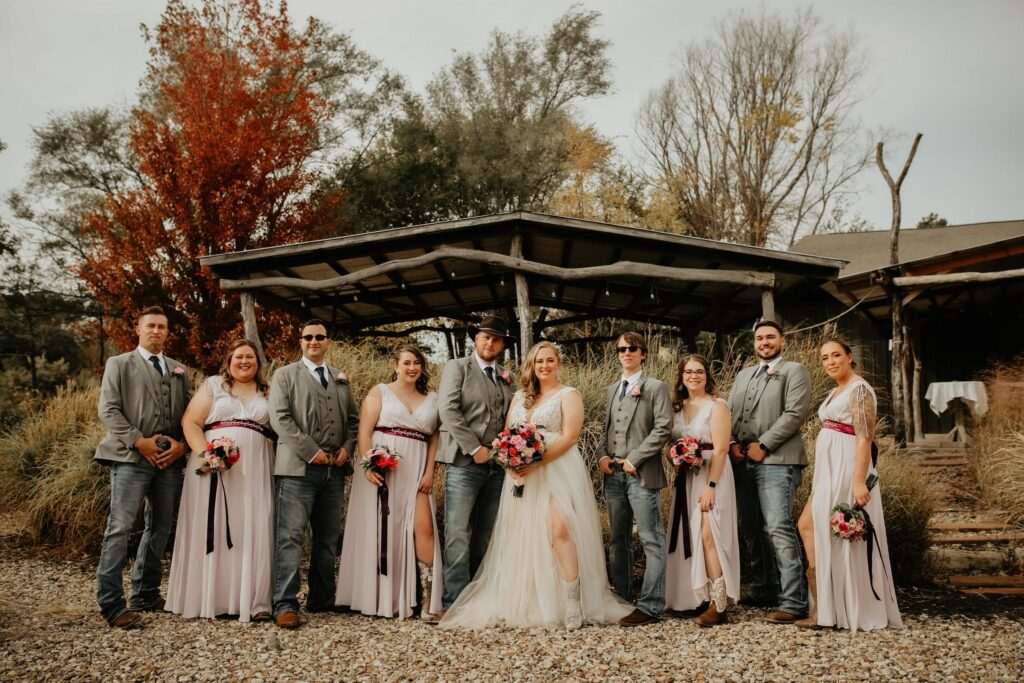
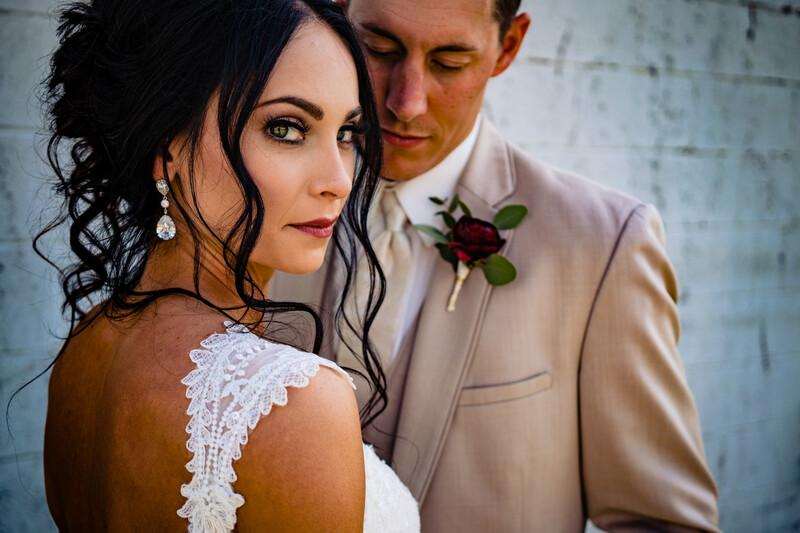
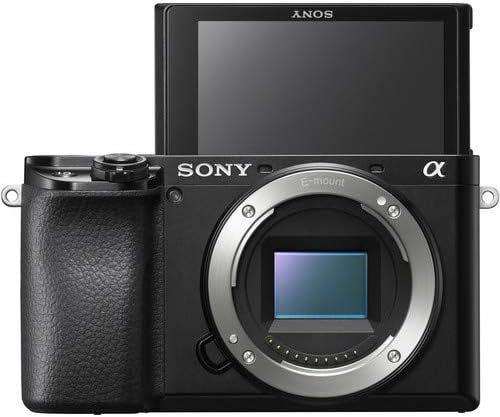
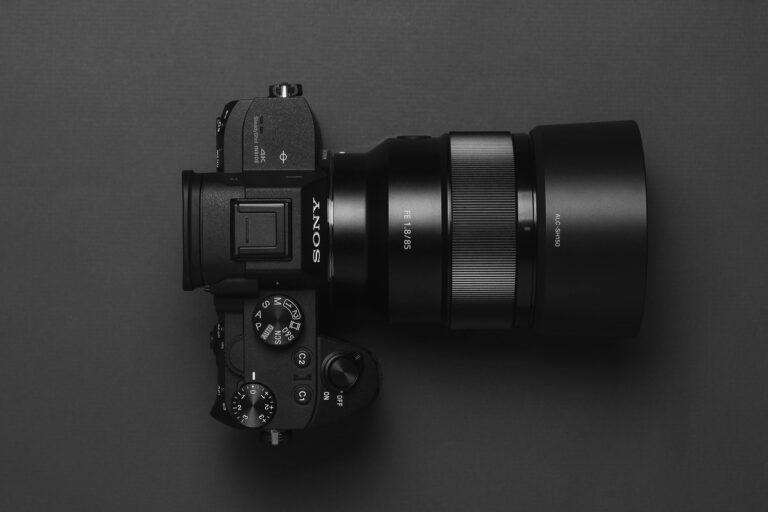
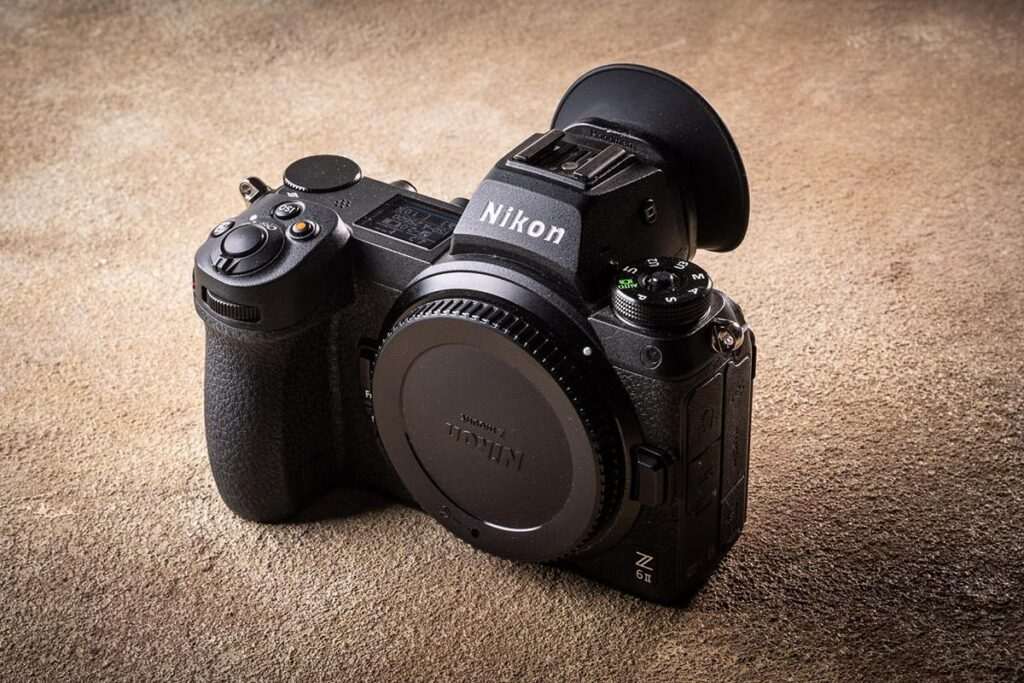
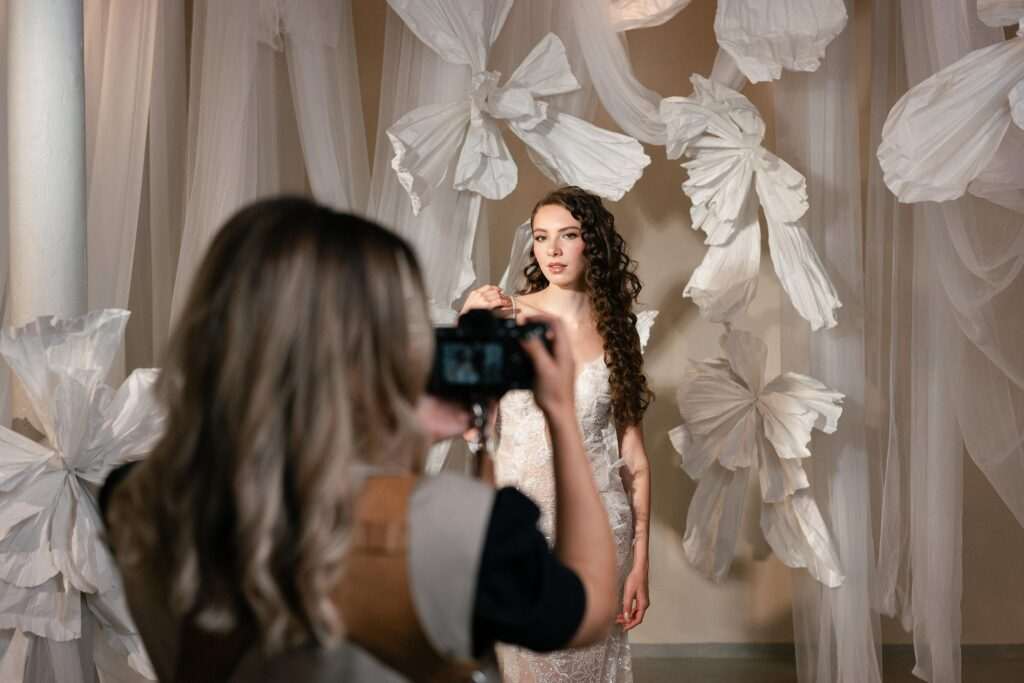
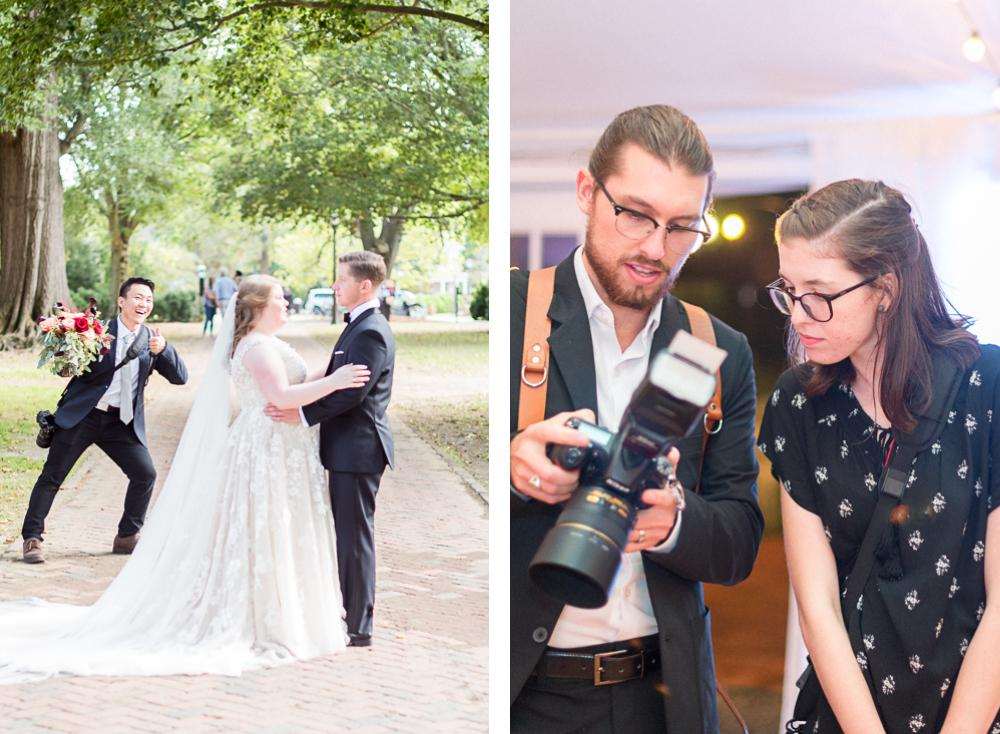
A good wedding photographer should therefore evaluate the camera and lens together.
Dynamic Range and Image Quality
Wedding scenes can contain extremely bright and dark areas at the same time.
Consider a bride wearing a white dress standing near a dark interior.
The photographer needs to preserve highlight detail while retaining useful information in the shadows.
Good dynamic range gives photographers more flexibility during RAW processing.
However, image quality is not determined by dynamic range alone.
Other factors include:
- Lens quality
- Exposure
- Lighting
- Focus accuracy
- Shutter speed
- ISO
- White balance
- Post-processing
A technically excellent camera cannot compensate for poor exposure or missed focus.
Why Dual Card Slots Matter
Memory card failure is one of the risks professional photographers need to consider.
A wedding cannot simply be reshot if a card becomes corrupted.
For this reason, photographers who shoot professionally should strongly consider cameras with redundant recording options.
A dual-card camera can provide additional protection by writing photographs to two cards.
However, dual card recording is not a complete backup strategy.
After the wedding, files should also be copied to additional storage.
A professional workflow should protect photographs at multiple stages.
Why Professional Wedding Photographers Use Two Cameras
Using two camera bodies provides both flexibility and redundancy.
For example:
Camera 1:
24-70mm f/2.8
Camera 2:
70-200mm f/2.8
This allows the photographer to switch perspectives without constantly changing lenses.
It also reduces the chance of being left without a working camera if one body develops a problem.
A second camera can also be useful for:
- Different focal lengths
- Different shooting positions
- Backup
- Faster workflow
- Different custom settings
For high-value professional assignments, redundancy is not excessive equipment. It is part of risk management.
Choosing the Right Wedding Photography Lenses
The lens selection can have as much practical impact as the camera body.
A good wedding lens kit should cover:
- Wide scenes
- General coverage
- Portraits
- Telephoto candid moments
- Low-light situations
A three-lens combination can often cover most wedding situations:
- 24-70mm f/2.8
- 70-200mm f/2.8
- 35mm or 50mm fast prime
The 24-70mm f/2.8: The Workhorse Lens
The 24-70mm f/2.8 is one of the most versatile lenses for wedding photography.
It can cover:
- Group photographs
- Couple portraits
- Preparations
- Family photographs
- Ceremony coverage
- Reception photography
- Environmental portraits
At 24mm, the photographer can capture wider scenes.
At 70mm, the lens provides a tighter perspective for portraits and details.
The constant f/2.8 aperture also makes it useful when lighting becomes difficult.
The 70-200mm f/2.8: For Ceremony and Candid Moments
A 70-200mm f/2.8 is particularly useful when the photographer needs to maintain distance.
It is excellent for:
- Ceremony moments
- Candid expressions
- Stage photography
- Emotional reactions
- Speeches
- First dances
- Portrait compression
The longer focal length also helps separate subjects from distracting backgrounds.
For photographers who regularly shoot ceremonies from a distance, this lens can become one of the most important pieces of equipment in the bag.
35mm and 50mm Prime Lenses
Fast prime lenses are excellent for photographers who want a more intimate and creative style.
35mm
A 35mm lens is useful for:
- Candid photography
- Environmental portraits
- Getting-ready photographs
- Dance floors
- Storytelling images
50mm
A 50mm lens is useful for:
- Couple portraits
- Candid moments
- Detail shots
- Low-light photography
- Natural-looking portraits
Fast primes can also provide a shallower depth of field than many zoom lenses.
Wide-Angle Lenses for Wedding Photography
A wide-angle lens can be valuable when photographing:
- Large groups
- Wedding venues
- Architectural interiors
- Baraat processions
- Large ceremonies
- Dance floors
- Environmental portraits
However, photographers should be careful when using very wide focal lengths for portraits.
Placing a person’s face too close to the edge of an extremely wide frame can produce unwanted perspective distortion.
Camera and Lens Combinations
A professional wedding setup does not need to consist of the most expensive camera body and every premium lens.
Instead, the system should be balanced.
Setup 1: Professional All-Rounder
Camera 1: Full-frame mirrorless
Lens: 24-70mm f/2.8
Camera 2: Full-frame mirrorless
Lens: 70-200mm f/2.8
Additional lens: 35mm or 50mm prime
This is one of the most flexible professional combinations.
Setup 2: Candid-Focused Setup
Camera 1: Full-frame mirrorless
Lens: 35mm or 50mm prime
Camera 2: Full-frame mirrorless
Lens: 70-200mm f/2.8
This setup works particularly well for photographers who prioritize natural moments.
Setup 3: Budget Professional Setup
Camera 1: Affordable full-frame or APS-C mirrorless
Lens: 24-70mm equivalent
Camera 2: Backup body
Lens: Fast prime
This approach allows photographers to invest in reliability without purchasing the most expensive equipment available.
Building a Reliable Backup System
Professional wedding photography requires more than a backup camera.
Consider creating backup options for:
- Camera bodies
- Memory cards
- Batteries
- Flash units
- Lens cleaning
- Storage
- Power
A photographer who carries only one camera may be unable to continue working if that camera fails.
A photographer who carries two cameras but only one memory card may still have a serious failure point.
The goal is to identify the components that could stop your workflow and create alternatives.
Memory Cards and Data Protection
Use reliable memory cards that are appropriate for the camera and shooting mode.
Before a wedding:
- Format cards in the camera.
- Confirm card capacity.
- Check card condition.
- Carry spare cards.
- Confirm the camera is recording correctly.
- Avoid filling every card to maximum capacity when possible.
After the event:
- Copy the files to primary storage.
- Create a second backup.
- Keep the original cards untouched until the files are safely backed up.
- Organize the wedding folders clearly.
A professional workflow should treat client photographs as valuable data rather than ordinary files.
Batteries and Power Management
Carry more batteries than you expect to need.
Battery consumption depends on:
- Camera model
- LCD usage
- Electronic viewfinder usage
- Autofocus
- Image stabilization
- Wireless connectivity
- Video recording
- Temperature
Before leaving for a wedding, charge every battery and confirm that your chargers or charging accessories are working.
If the event is long, a power bank or compatible charging solution can provide another layer of security.
Flash and Lighting Equipment
Natural light is beautiful, but wedding photographers cannot always depend on it.
Flash can be useful for:
- Receptions
- Dance floors
- Indoor portraits
- Group photographs
- Speeches
- Backlighting
- Creative portraits
A basic professional lighting kit may include:
- One or two speedlights
- Wireless triggers
- Light stands
- Diffusers
- Softboxes
- Spare batteries
The exact lighting setup depends on the photographer’s style and venue.
Camera Setup for Different Wedding Events
Different parts of a wedding require different approaches.
Getting Ready
Prioritize:
- Natural light
- Environmental storytelling
- Details
- Candid moments
- Fast primes
A 35mm or 50mm prime can be particularly useful in smaller rooms.
Ceremony
Prioritize:
- Autofocus
- Silent shooting where appropriate
- Long focal lengths
- Low-light capability
- Discreet operation
A 70-200mm lens can be extremely useful when the photographer needs to maintain distance.
Couple Portraits
Prioritize:
- Lens rendering
- Background separation
- Composition
- Lighting
- Resolution
A 50mm, 85mm, or 70-200mm lens can work well depending on the location and style.
Reception
Prioritize:
- Low-light performance
- Fast lenses
- Flash
- High ISO capability
- Fast autofocus
The reception can be one of the most technically demanding parts of the wedding.
Camera Setup for Candid Wedding Photography
Candid wedding photography requires speed and discretion.
A useful setup may include:
Primary camera: 35mm or 50mm
Secondary camera: 70-200mm
The shorter lens allows the photographer to work closer to the action, while the telephoto lens allows emotional moments to be captured from a distance.
The photographer should also avoid relying entirely on continuous high-speed shooting.
Timing, anticipation, composition, and observation remain essential.
Camera Setup for Traditional Wedding Photography
Traditional wedding photography often requires more structured coverage.
Important equipment may include:
- 24-70mm zoom
- 70-200mm zoom
- Flash
- Wide-angle lens
- Two camera bodies
Group photographs may require wider focal lengths, while ceremonies and stage events can benefit from longer lenses.
Camera Setup for Wedding Portraits
Portrait sessions give the photographer more control.
This is where prime lenses and dedicated lighting can become particularly valuable.
Common choices include:
- 50mm
- 85mm
- 70-200mm
- 35mm for environmental portraits
The best choice depends on the desired perspective and available space.
Camera Setup for Receptions
Reception photography can combine:
- High ISO
- Flash
- Fast shutter speeds
- Continuous autofocus
- Wide apertures
The photographer may need to move quickly between speeches, dancing, entrances, cake cutting, and spontaneous moments.
This is another reason why a two-camera setup can be so useful.
Common Wedding Photography Gear Mistakes
Buying the Most Expensive Camera First
A premium camera does not automatically create premium photographs.
Investing heavily in the camera body while using poor or unsuitable lenses can create an unbalanced system.
Ignoring Backup Equipment
Professional photographers should not assume that equipment will never fail.
A backup body and spare batteries can prevent a technical problem from becoming a client disaster.
Buying Too Many Lenses
More lenses do not necessarily mean better coverage.
A carefully selected three-lens system can be more useful than a bag full of lenses that rarely leave the camera bag.
Ignoring Ergonomics
A heavy setup may become uncomfortable after several hours.
Weight matters, particularly for photographers who regularly cover full-day weddings.
Focusing Only on Megapixels
High resolution can be useful, but wedding photography also depends heavily on:
- Autofocus
- Low-light performance
- Lens quality
- Reliability
- Burst performance
- Storage
- Workflow
How Much Should You Spend?
There is no universal budget for wedding photography equipment.
Your investment should depend on:
- Whether photography is a hobby or business
- Number of weddings you shoot
- Your current equipment
- Expected client income
- Required image quality
- Lens requirements
- Backup requirements
A beginner does not necessarily need a flagship camera.
A professional shooting high-value weddings may benefit from investing more heavily in redundancy and reliability.
The goal should be to build a system that supports your business rather than purchasing equipment simply because it is expensive.
When Should You Upgrade Your Camera?
Upgrade when your current equipment creates a genuine limitation.
Good reasons include:
- Autofocus frequently misses important moments.
- Low-light performance is limiting your work.
- Your camera lacks features required for your workflow.
- Battery life is inadequate.
- You need dual card slots.
- Your current camera is unreliable.
- Your existing system is preventing you from delivering the results your clients expect.
Bad reasons include:
- A new camera was released.
- Another photographer owns it.
- It has more megapixels.
- Social media says it is better.
- You simply want the newest model.
An upgrade should solve a problem.
Recommended Professional Workflow
A reliable wedding photography workflow can look like this:
Before the Wedding
- Charge all batteries.
- Format memory cards.
- Clean lenses.
- Check camera settings.
- Test autofocus.
- Confirm backup camera.
- Prepare lighting equipment.
- Check straps and harnesses.
- Confirm storage space.
During the Wedding
- Monitor battery levels.
- Monitor card capacity.
- Use redundant recording where appropriate.
- Avoid unnecessary lens changes.
- Protect equipment from environmental hazards.
- Keep the backup body accessible.
After the Wedding
- Copy photographs to primary storage.
- Create a second backup.
- Keep original cards untouched until backups are verified.
- Organize files.
- Begin culling only after the files are safely backed up.
This workflow reduces the risk of losing irreplaceable photographs.
Best Camera Strategy for Beginners
Beginners should avoid trying to replicate the equipment bags of experienced professionals immediately.
Start with a reliable camera and one versatile lens.
A good learning setup can be:
- One capable camera
- One versatile zoom
- One fast prime
- Spare batteries
- Reliable memory cards
- Basic flash
As your experience and income increase, add a second body and additional lenses.
This approach keeps the system manageable while allowing gradual growth.
Best Camera Strategy for Professional Photographers
Professional photographers should prioritize reliability over novelty.
A mature wedding system should ideally include:
- Two capable camera bodies
- A versatile standard zoom
- A telephoto zoom
- At least one fast prime
- Redundant memory
- Multiple batteries
- Reliable lighting
- Backup storage
- A defined workflow
The exact camera models can change over time, but the underlying strategy remains useful.
If you are currently deciding which camera body should become the foundation of your setup, read our dedicated guide:
Best Camera for Wedding Photography in 2026: 10 Best Cameras for Wedding Photographers
That article focuses specifically on comparing the leading camera bodies, while this guide focuses on building the complete working system around them.
Final Wedding Photography Gear Checklist
Before accepting a professional wedding assignment, check the following:
Camera Bodies
- Primary camera
- Backup camera
- Battery installed
- Settings checked
Lenses
- Standard zoom
- Telephoto zoom
- Fast prime
- Wide-angle option if required
Storage
- Multiple memory cards
- Dual-card recording configured if available
- External storage prepared
Power
- Fully charged batteries
- Spare batteries
- Chargers
- Power bank if required
Lighting
- Flash units
- Triggers
- Diffusers
- Light stands
- Spare batteries
Accessories
- Camera straps
- Lens cloth
- Sensor cleaning equipment
- Rain protection
- Spare accessories
Backup
- Backup camera
- Backup memory
- Backup batteries
- Backup storage
FAQ
What is the best camera setup for wedding photography?
A strong professional setup typically includes two capable camera bodies, a 24-70mm f/2.8, a 70-200mm f/2.8, at least one fast prime, redundant memory, multiple batteries, and reliable lighting equipment.
Do wedding photographers need two cameras?
A second camera is highly recommended for professional wedding photography because it provides both operational flexibility and backup protection.
What lens should I use for wedding photography?
A 24-70mm f/2.8 is one of the most versatile wedding lenses. A 70-200mm f/2.8 is useful for ceremonies and candid moments, while a fast 35mm or 50mm prime can be excellent for low-light and creative photography.
Is full-frame better for wedding photography?
Full-frame cameras offer advantages in low-light shooting and depth-of-field control, but modern APS-C cameras can also produce excellent wedding photographs.
Is mirrorless better than DSLR for weddings?
Mirrorless cameras offer several modern advantages, particularly advanced autofocus, electronic viewfinders, and compact system designs. However, both systems can produce excellent results when used properly.
How important are dual card slots?
For professional assignments, dual card slots can provide valuable redundancy by allowing images to be recorded to multiple cards when supported by the camera.
How many lenses do I need for wedding photography?
A photographer can cover many weddings with three carefully selected lenses: a 24-70mm f/2.8, 70-200mm f/2.8, and a fast 35mm or 50mm prime.
Should I buy an expensive camera or expensive lenses?
The best approach is to build a balanced system. A professional camera paired with appropriate lenses is generally more useful than spending the majority of the budget on the camera body alone.
How many batteries should a wedding photographer carry?
Carry enough fully charged batteries to comfortably cover the expected shooting period, plus additional spares. Battery consumption varies considerably between camera models and shooting conditions.
Should wedding photographers use flash?
Flash can be extremely useful during receptions and indoor events, especially when ambient light is insufficient or when a photographer wants greater control over the final image.
Related Articles
If you are building a complete photography setup, these guides may also help:
- Best Camera for Wedding Photography in 2026: 10 Best Cameras for Wedding Photographers
- 25 Essential Camera & Equipment Buying Secrets Every Photographer
- 15 Essential Gear Items for Candid Wedding Photography
- Sony A6700 vs Canon R7
- Sony A6700 vs Fujifilm X-T5
Final Thoughts
The best professional wedding photography setup is not necessarily the most expensive one.
It is the setup that allows you to work confidently when the pressure is high.
A reliable camera body, suitable lenses, redundant storage, sufficient batteries, practical lighting, and a backup strategy can make a much bigger difference to a wedding photographer’s workflow than simply upgrading to the newest camera.
Think of your equipment as a system.
Your camera captures the image.
Your lens determines how you see the scene.
Your lighting controls the atmosphere.
Your storage protects the photographs.
Your backup equipment protects your business.
And your skills bring everything together.
If you are currently shopping for a camera specifically, use our Best Camera for Wedding Photography in 2026 guide to compare the leading camera bodies before deciding which system is right for you.
Disclosure
Some links on The Candid Shoot may be affiliate links. If you purchase a product through one of these links, we may earn a commission at no additional cost to you.
Our recommendations are intended to help photographers make informed purchasing decisions. Always verify current specifications, compatibility, pricing, and availability with the manufacturer or retailer before purchasing.
Resources
For current camera specifications and compatibility information, consult the official resources provided by the camera manufacturer.
For additional photography guidance, explore The Candid Shoot’s Camera & Equipment and Couple Photography sections.
Related Article:
Best Camera for Wedding Photography in 2026”
25 Essential Camera & Equipment Buying Secrets”
15 Essential Gear Items for Candid Wedding Photography”
Resoures:
Use official manufacturer resources for current specifications:
Keep these links limited to genuinely useful specification or product-reference contexts rather than adding unnecessary outbound links.



Leave a Reply