

Discover the best camera for wedding photography in 2026. Compare top budget and professional cameras, features, and expert tips to capture stunning wedding moments.
Table of Content
Introduction
Wedding photography is not just about taking pictures.
Instead, it is about capturing once-in-a-lifetime emotions — the tears, the laughter, and the unforgettable moments.
However, many photographers struggle with:
- Blurry low-light images
- Missed candid moments
- Slow autofocus
As a result, even good photographers fail to deliver premium results.
But here’s the truth:
👉 The right camera can completely change your wedding photoshoot game.
Moreover, weddings are fast-paced. You don’t get a second chance to capture the perfect shot.
Choosing the right wedding cameras involves more than just megapixels. Our complete camera equipment buying guide explains how to select cameras, lenses, lighting gear, and accessories based on your photography style and budget.
Choosing the best cameras for wedding photoshoot requires evaluating image quality, autofocus performance, low-light capabilities, battery life, and lens availability. Resources such as Wedding Photography Camera Buying Guide, Professional Photography Techniques, and Camera Reviews and Performance Tests can help photographers compare features and make informed purchasing decisions.
Why You Can Trust This Camera & Equipment Guide
At The Candid Shoot, we publish practical camera and photography equipment guides designed to help beginners, creators, professionals, and businesses choose the right gear with confidence. Our recommendations are based on extensive product research, manufacturer specifications, real-world photography workflows, current market trends, and comparisons across multiple camera brands.
Whenever possible, we evaluate cameras and photography accessories based on factors that matter most in real-world use, including:
- Image quality and sensor performance
- Autofocus speed and subject tracking
- Low-light capabilities
- Video recording features
- Lens ecosystem and upgrade potential
- Battery life and portability
- Overall value for different budgets
Because camera technology evolves rapidly, this guide is reviewed and updated regularly to reflect new camera launches, firmware improvements, pricing changes, and industry developments.
Our goal is simple:
Help photographers buy the right equipment—not simply the most expensive one.
Quick Answer
Choosing the right camera equipment depends on your photography style, budget, and future goals—not just megapixels or price. Beginners often benefit most from entry-level mirrorless cameras with versatile kit lenses, while professionals may prioritize advanced autofocus, weather sealing, high-resolution sensors, or specialized lenses. Before buying, compare image quality, lens availability, ergonomics, video capabilities, and long-term upgrade options to invest wisely.
Continue Learning
If you’re building your photography kit from scratch or planning your next upgrade, don’t miss our complete buying guide:
👉 25 Essential Camera & Equipment Buying Secrets Every Photographer
This pillar guide explains:
- DSLR vs Mirrorless
- Choosing your first camera
- Best lenses for different photography styles
- Essential accessories
- Budget buying tips
- Mistakes to avoid before purchasing camera gear
So, in this complete guide, you’ll learn:
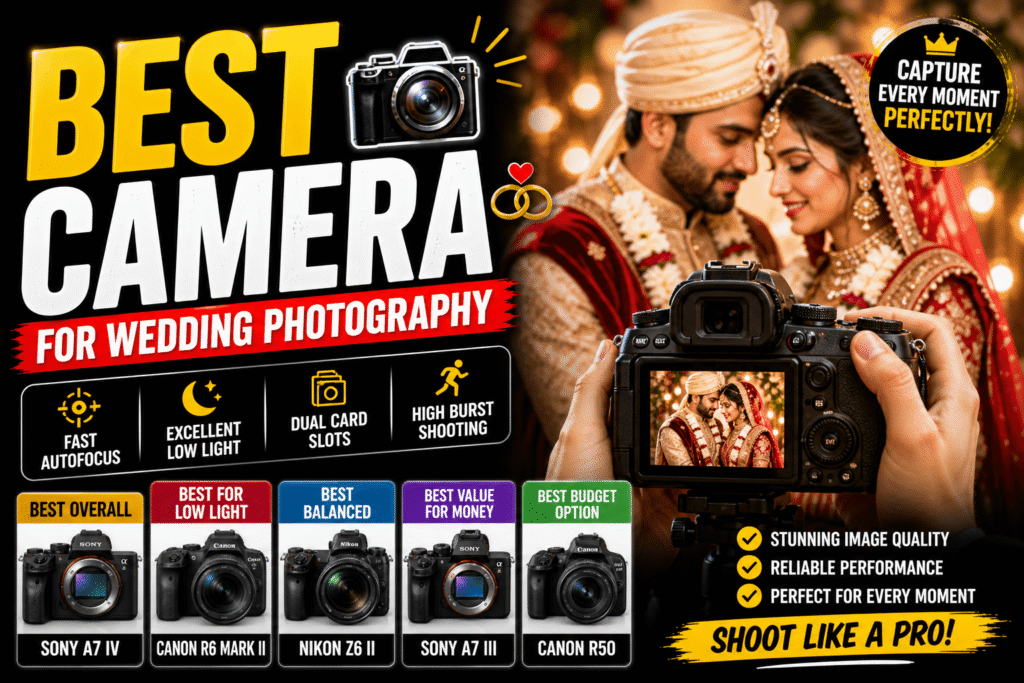
- The best cameras for wedding photography (budget to pro)
- Key features that actually matter
- Camera recommendations based on your level
- Pro tips to capture cinematic wedding shots
Let’s dive in 📷✨
💡 What Makes a Good Wedding Camera?
Wedding photography is unpredictable.
Therefore, your camera must perform well in all conditions.
🔑 Key Requirements:
- Fast Autofocus: To capture moving subjects instantly
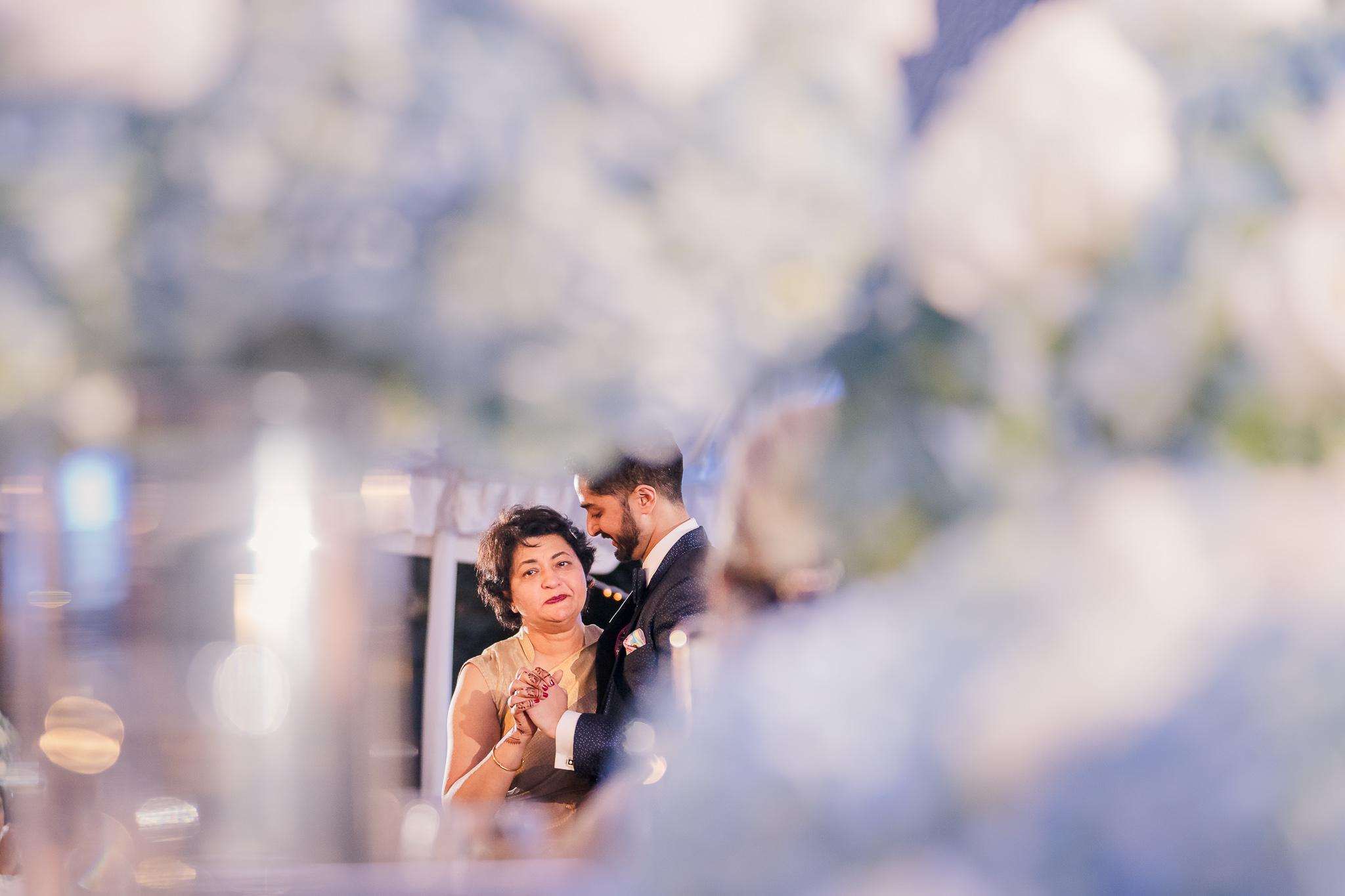
- Low-Light Performance: Essential for indoor and night weddings
- High Burst Mode: Helps capture perfect candid shots
- Dual Card Slots: For backup and safety
- Battery Life: Long shooting hours demand reliability
Moreover, durability matters because weddings involve long sessions.
📊 Quick Comparison Table
| Camera | Price Range | Best For | Rating |
|---|---|---|---|
| Sony A7 IV | ₹2,00,000+ | Professionals | ⭐⭐⭐⭐⭐ |
| Canon R6 Mark II | ₹2,20,000+ | Low Light | ⭐⭐⭐⭐⭐ |
| Nikon Z6 II | ₹1,60,000+ | Balanced | ⭐⭐⭐⭐☆ |
| Sony A7 III | ₹1,30,000+ | Budget Pro | ⭐⭐⭐⭐☆ |
| Canon R50 | ₹70,000+ | Beginners | ⭐⭐⭐⭐ |
Best Camera for Wedding Photography
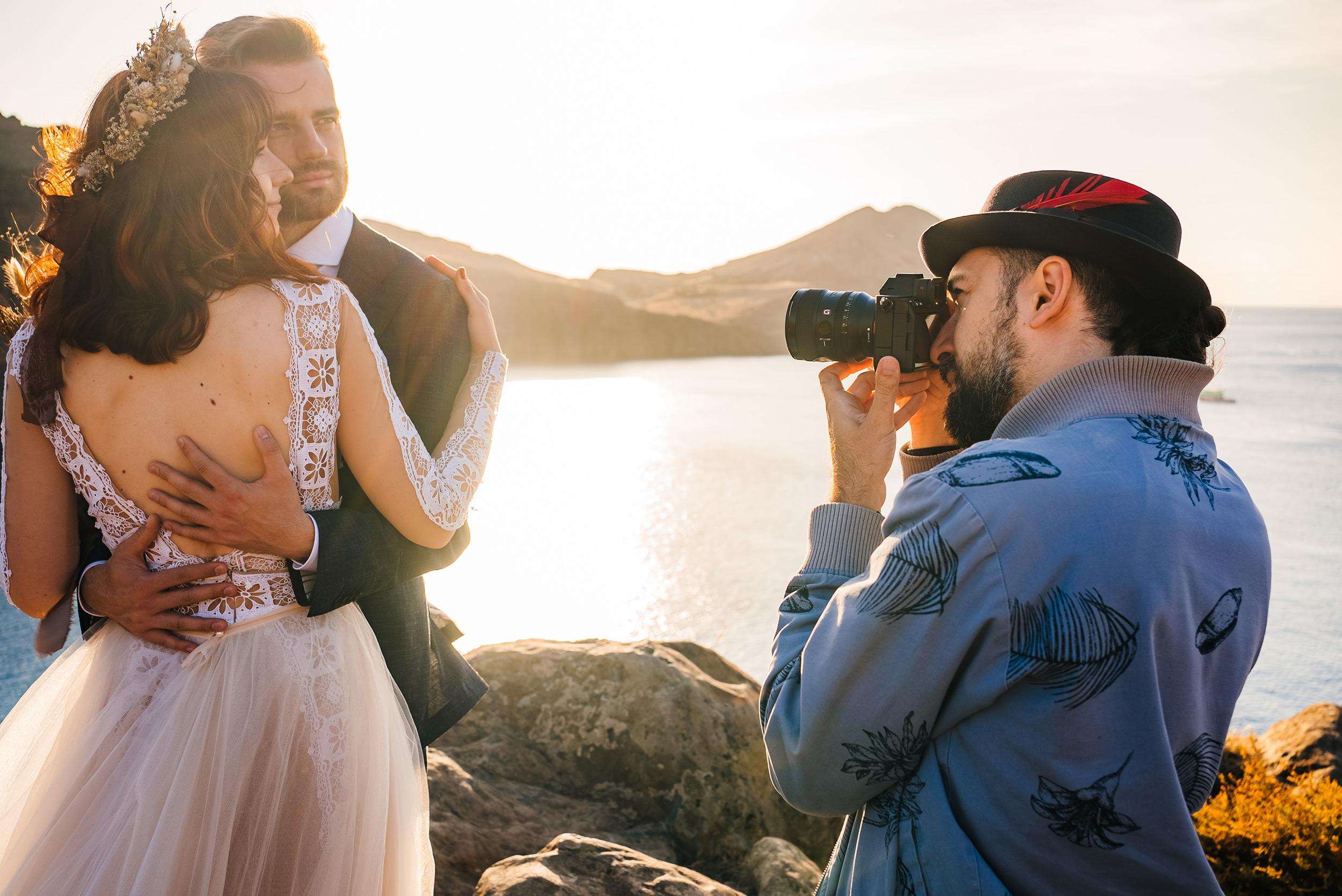
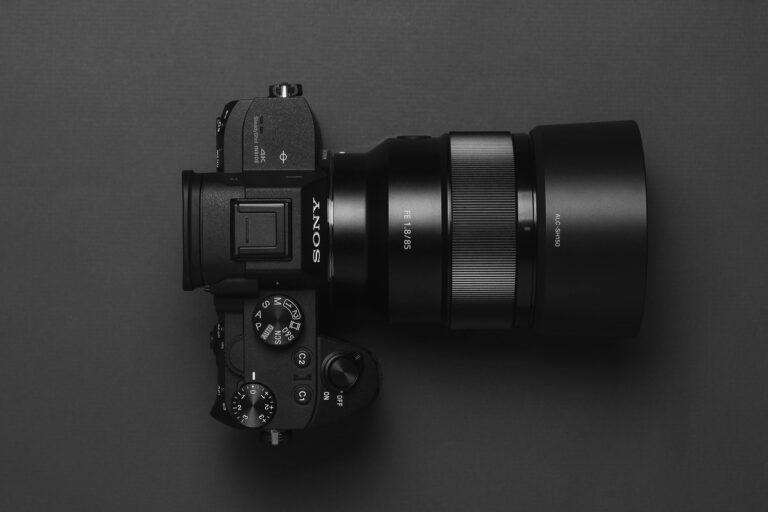
🏆 Sony A7 IV (Best Overall)
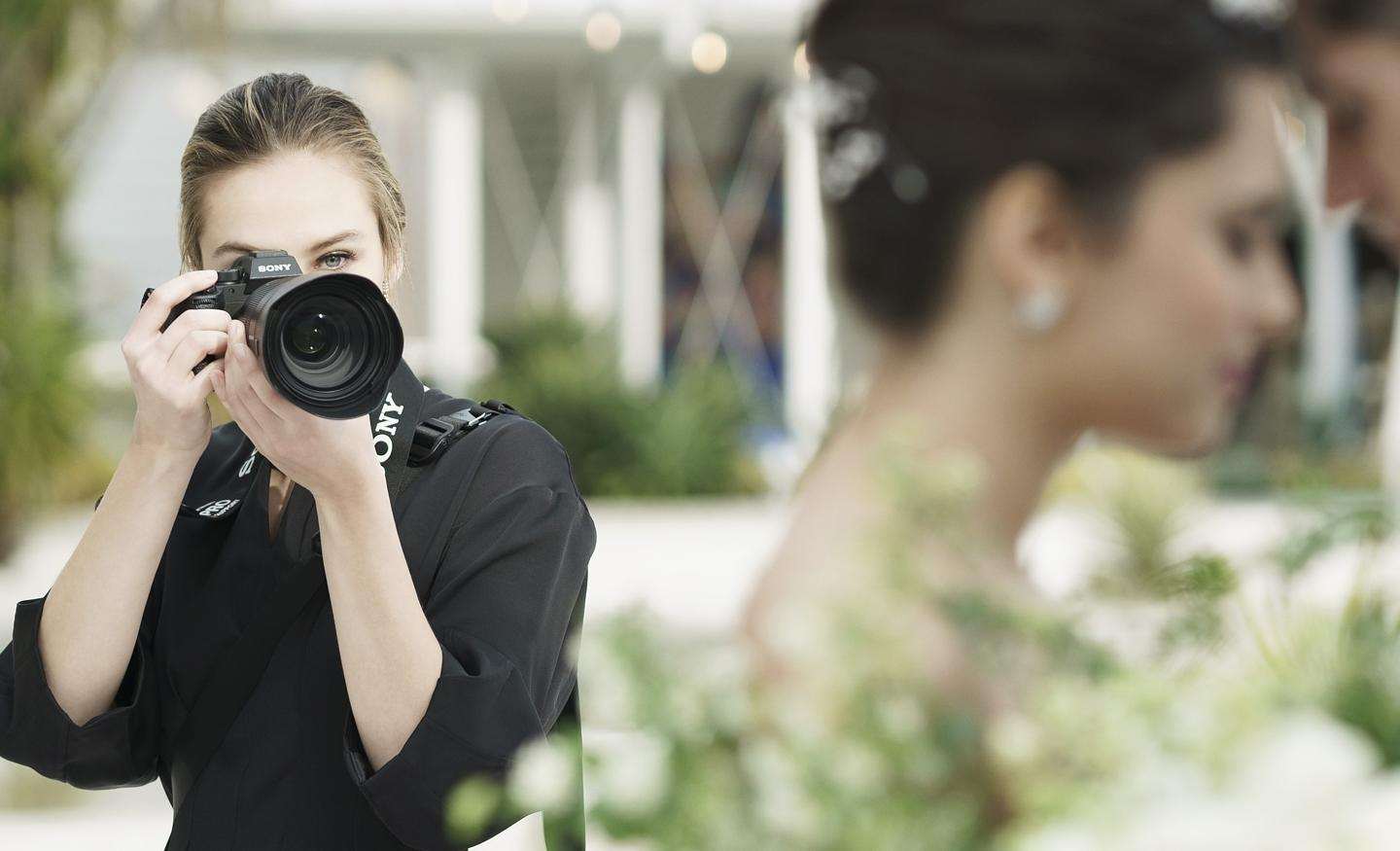
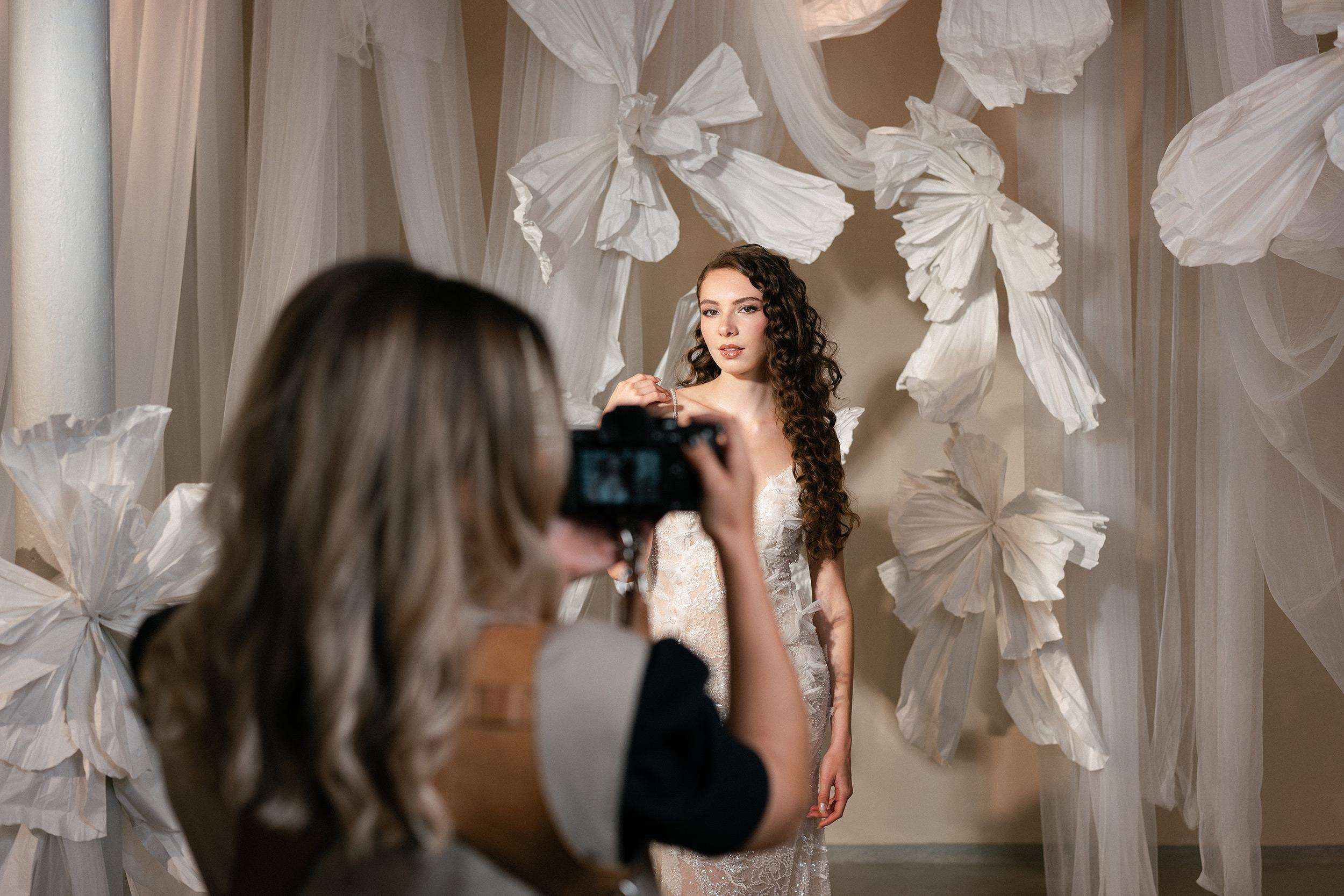
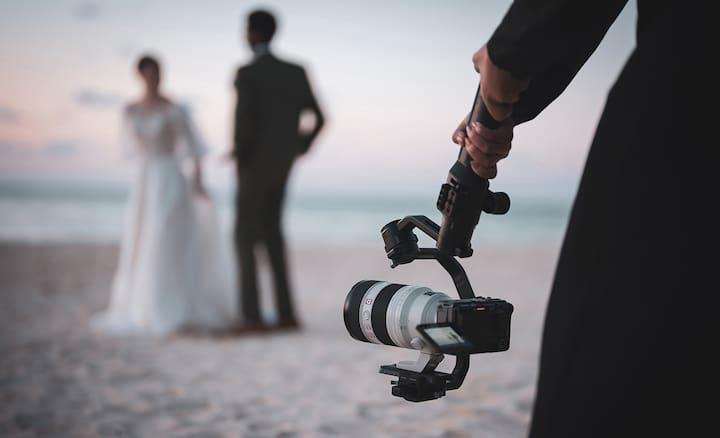
👉 Why It’s Best
Sony A7 IV offers a perfect balance of resolution, autofocus, and dynamic range.
✅ Pros
- Industry-leading autofocus
- Excellent low-light performance
- High-resolution images
❌ Cons
- Expensive
🎯 Best For
Professional wedding photographers
💡 Pro Tip
Use a 24-70mm lens for versatile coverage.
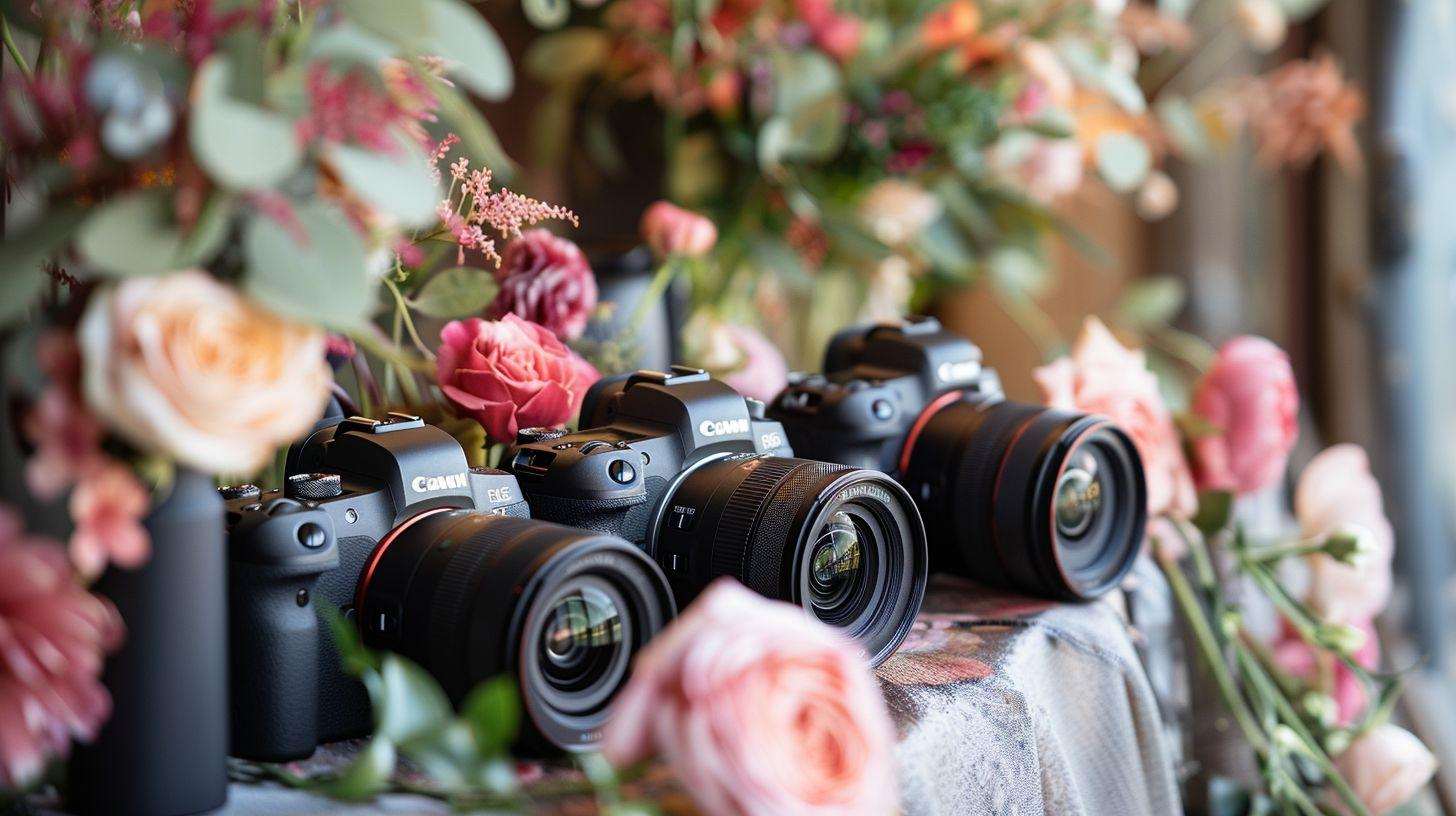
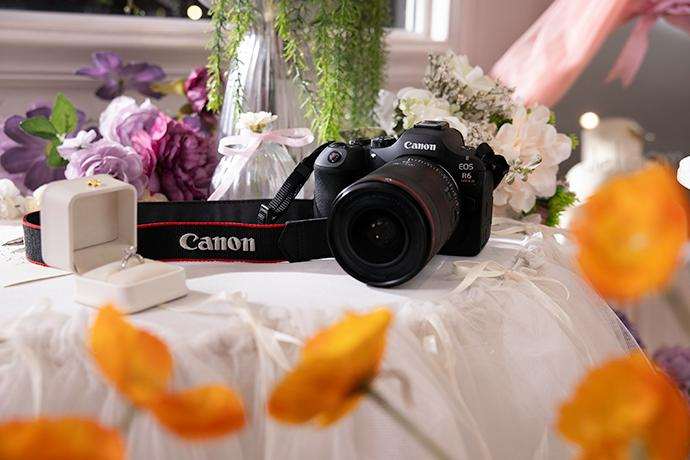
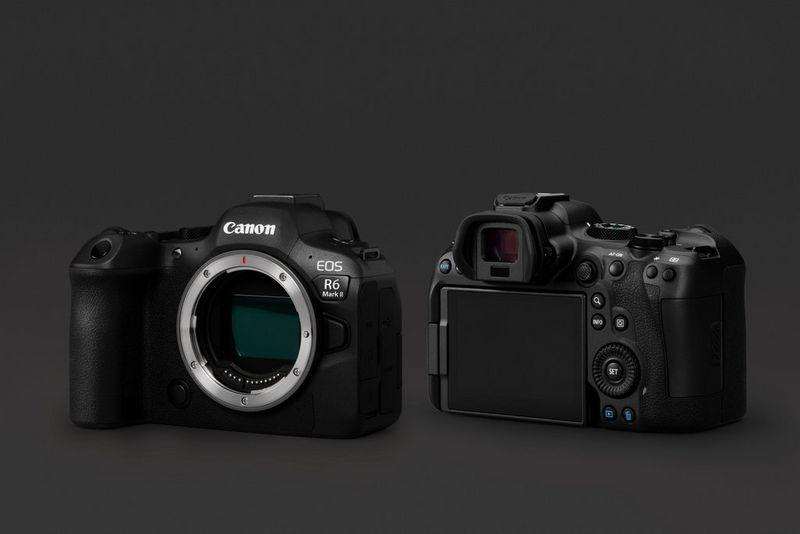
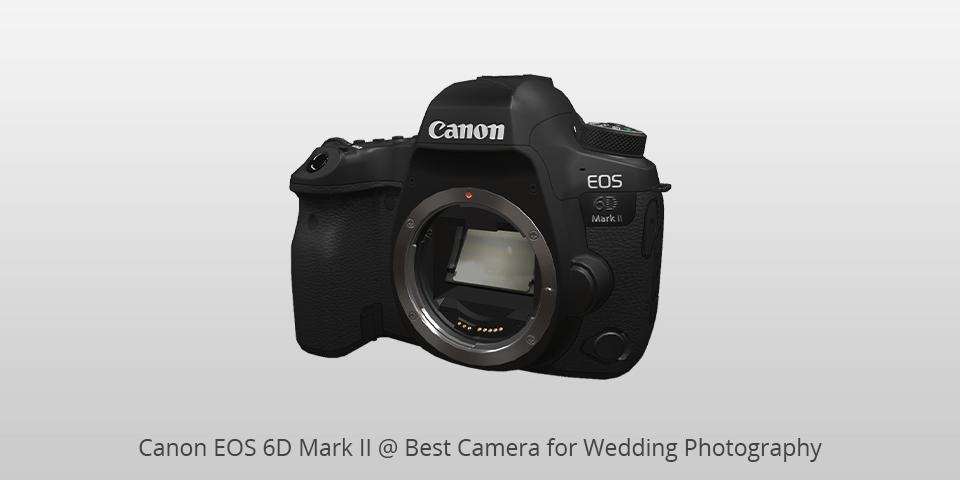
🌙 Canon EOS R6 Mark II (Best for Low Light)


👉 Why It’s Great
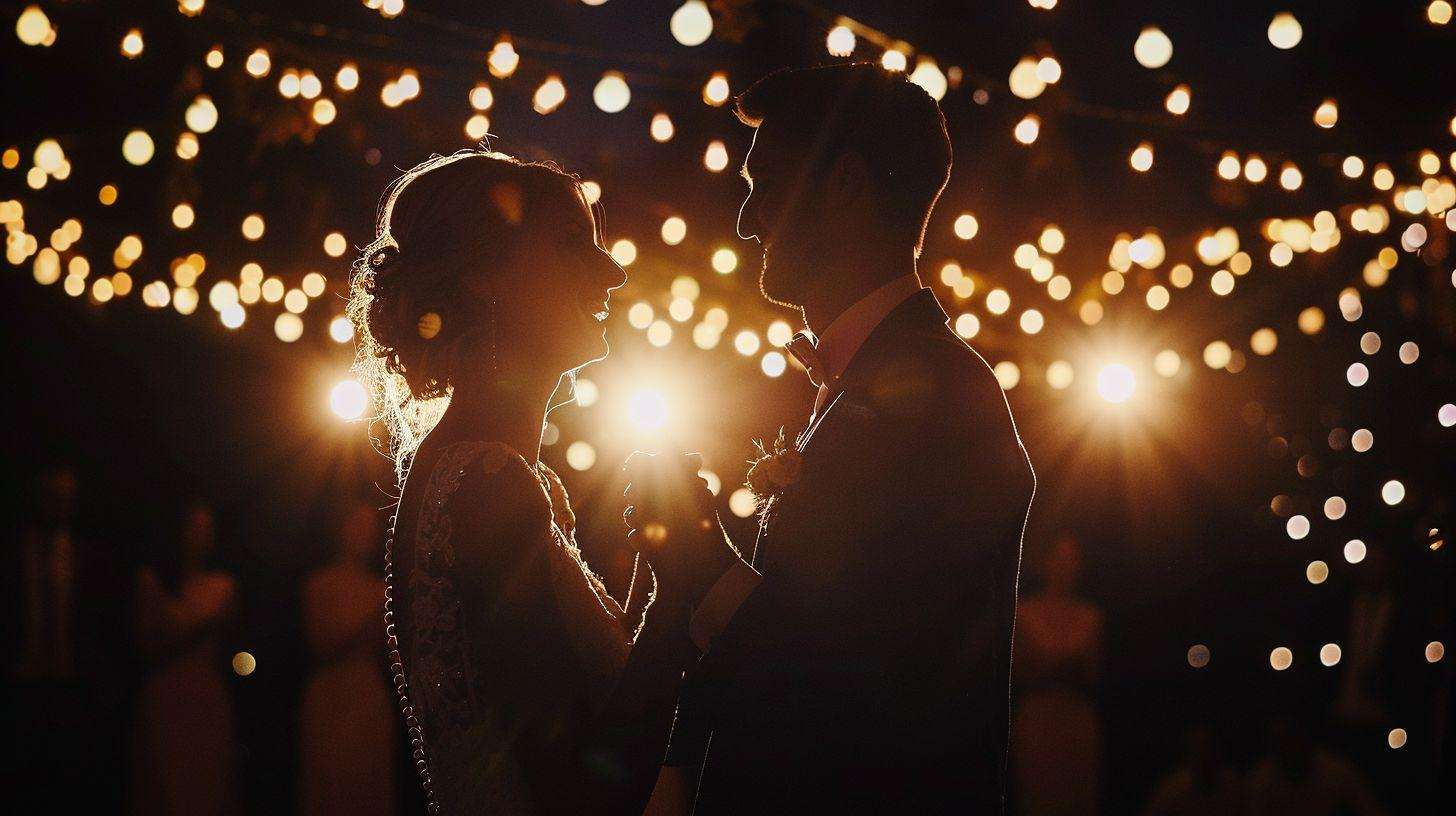
Perfect for dim indoor venues and night weddings.
✅ Pros
- Exceptional low-light performance
- Fast burst shooting
- Reliable autofocus
❌ Cons
- Lower megapixels
🎯 Best For
Indoor weddings and receptions
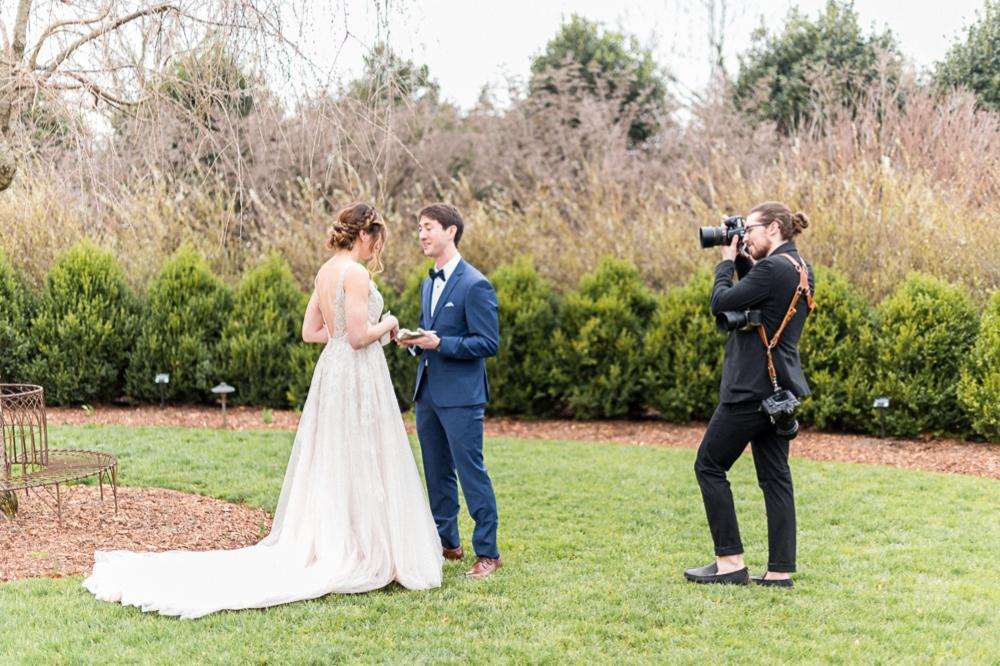
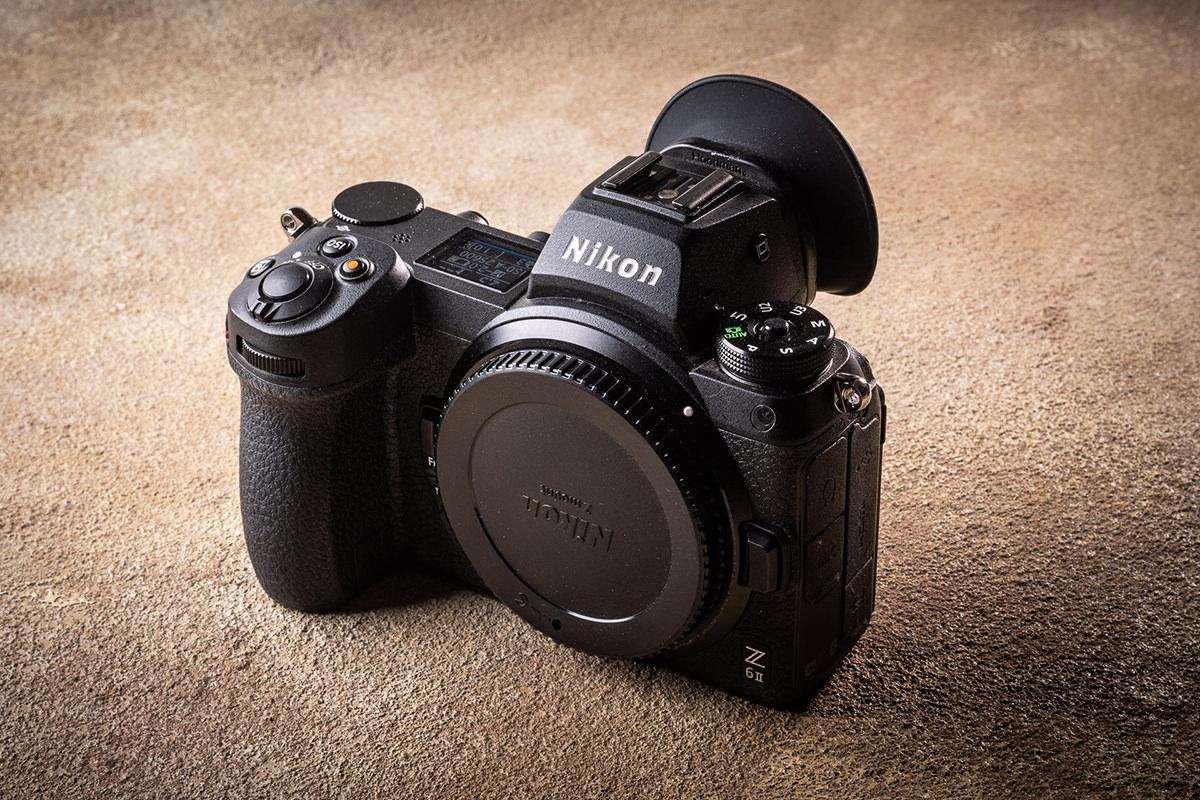
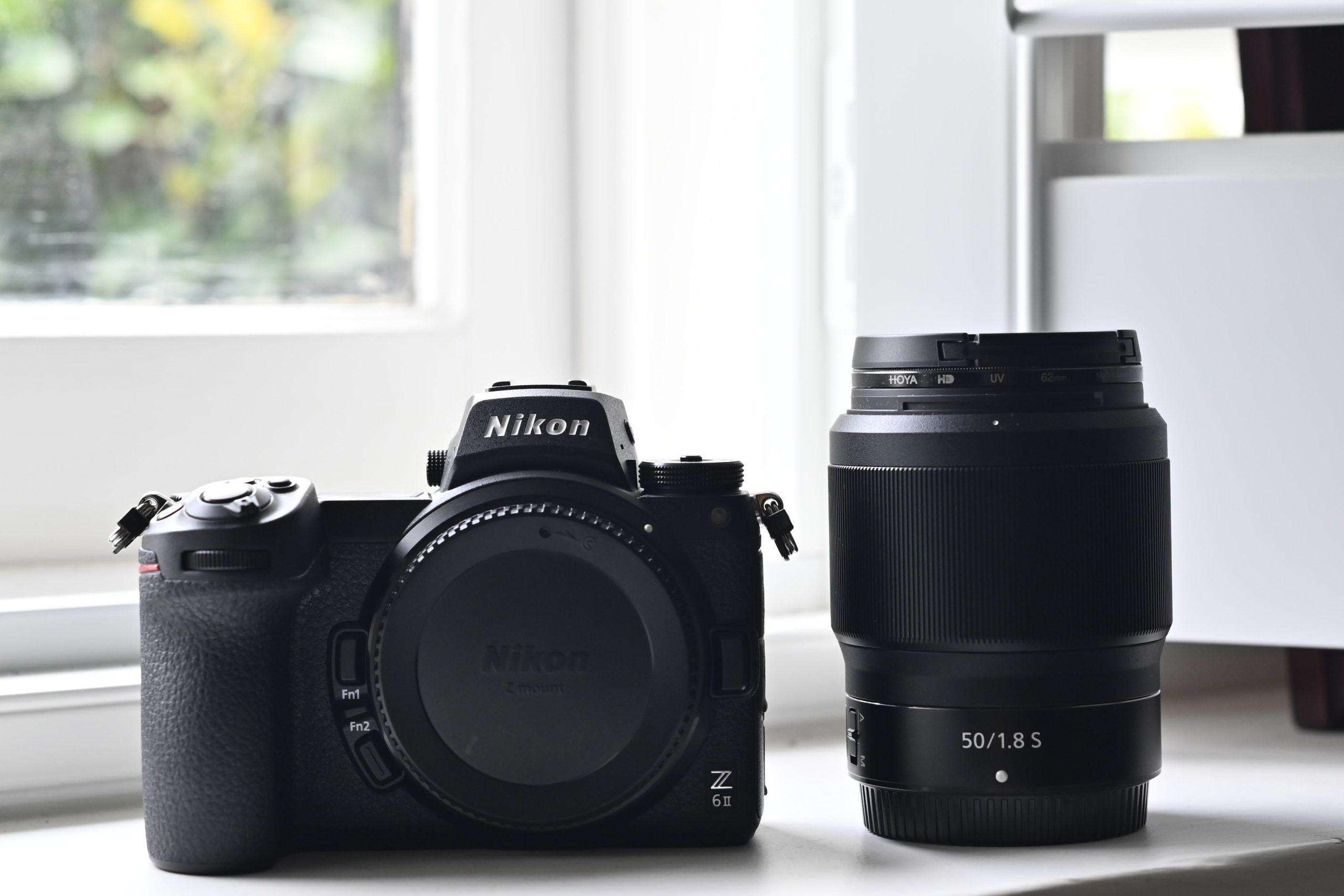
⚖️ Nikon Z6 II (Best Balanced Option)
👉 Why It’s Good
Offers solid performance at a reasonable price.
✅ Pros
- Strong dynamic range
- Dual card slots
- Durable body
❌ Cons
- Autofocus slightly slower than Sony
🎯 Best For
Intermediate photographers
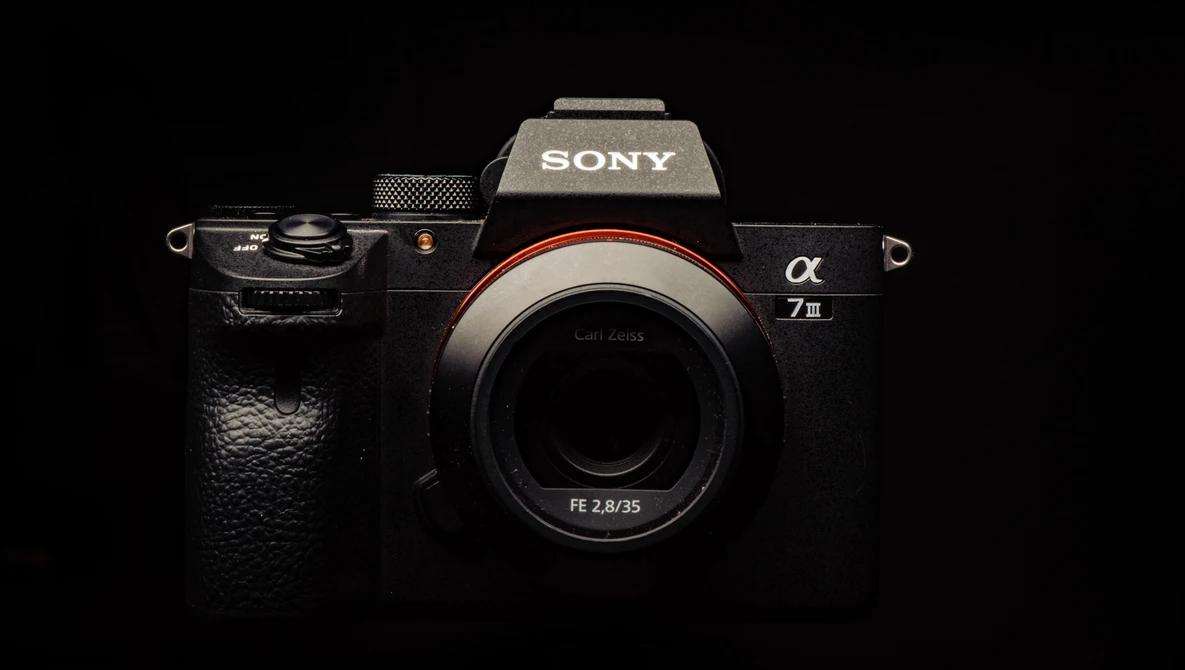
💸 Sony A7 III (Best Value for Money)
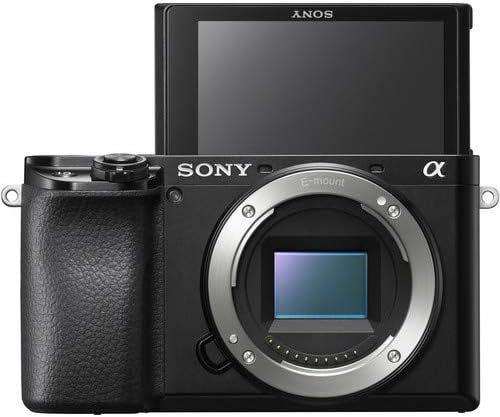
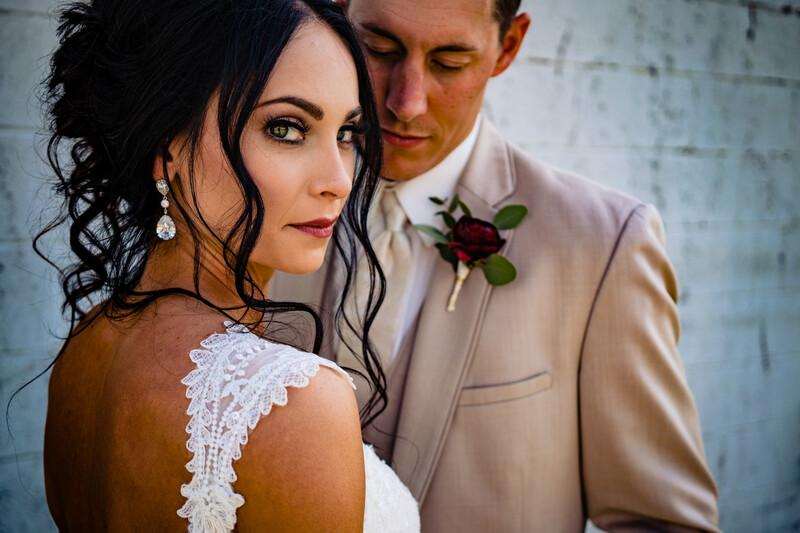
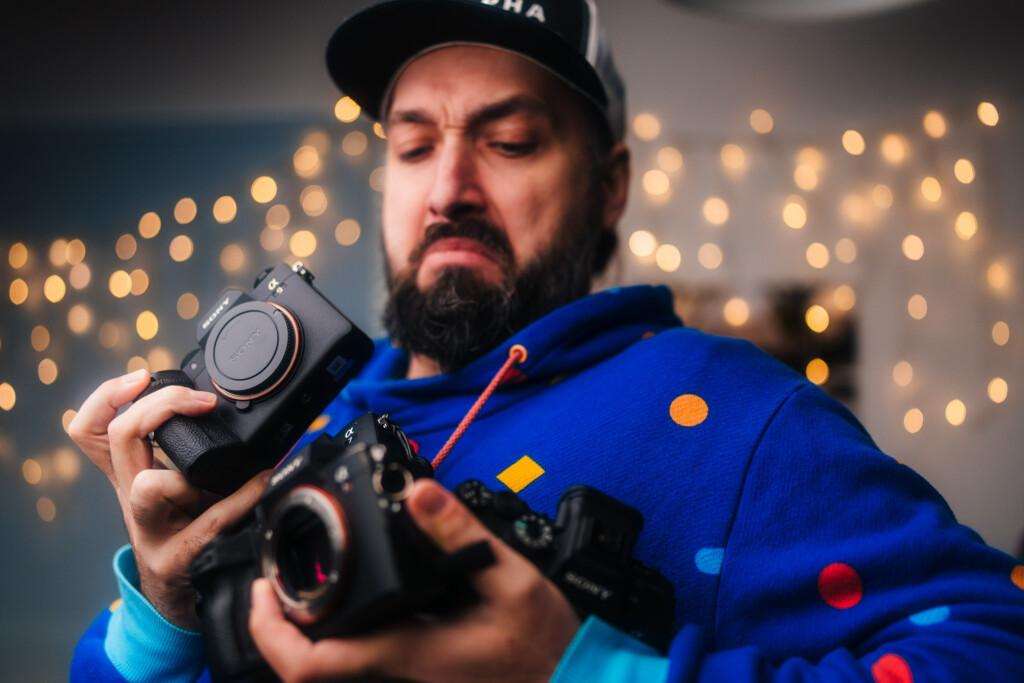
👉 Why It’s Value
Still one of the most reliable wedding cameras.
✅ Pros
- Great battery life
- Excellent low-light
- Proven reliability
❌ Cons
- Older model
🎯 Best For
Budget professionals
📷 Canon EOS R50 (Best Budget Option)
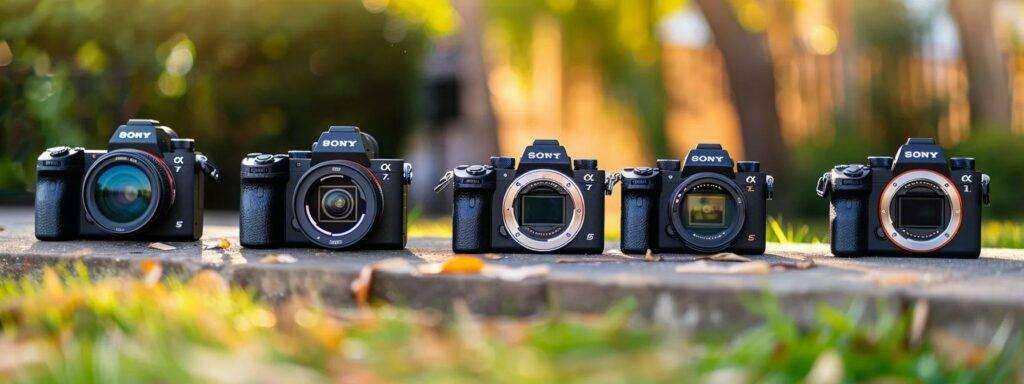


👉 Why It’s Affordable
Great entry point for beginners.
✅ Pros
- Lightweight
- Easy to use
- Good autofocus
❌ Cons
- Limited pro features
🎯 Best For
Beginners entering wedding photography
🎯 Best Camera for YOU
- Beginner → Canon R50
- Budget Professional → Sony A7 III
- Balanced → Nikon Z6 II
- Low Light → Canon R6 II
- Best Overall → Sony A7 IV
⚠️ Common Mistakes to Avoid
- Choosing camera without low-light ability
- Ignoring autofocus speed
- Not having backup storage
- Using wrong lenses
👉 Always prioritize performance over price.
💎 Pro Tips (Expert Level)
- Use fast lenses (f/1.8 or f/2.8)
- Shoot in RAW format
- Carry extra batteries
- Capture candid moments instead of posed shots
Moreover, always anticipate moments — don’t just react.
🔥 Hidden Tips Most People Don’t Know
- Lighting matters more than megapixels
- Autofocus accuracy is critical
- Backup gear saves your career
Additionally, using two cameras reduces time loss.
💰 How This Helps You Earn Money
Better wedding photography can:
- Increase client bookings
- Improve portfolio quality
- Allow premium pricing
- Build brand authority
👉 Better gear + skills = higher income.
🛠️ Best Accessories for Wedding Photography
- External flash
- Prime lenses (50mm, 85mm)
- Extra memory cards
- Tripod/monopod
Furthermore, investing in accessories improves efficiency.
FAQs ❓
1. What is the best camera for wedding photography beginners?
For beginners, the best camera is one that offers easy controls, good autofocus, and decent low-light performance. Cameras like Canon EOS R50 or Sony A7 III are excellent starting points. Additionally, beginners should focus on learning composition, lighting, and timing alongside gear.
2. Do I need a full-frame camera for wedding photography?
While not mandatory, full-frame cameras are highly recommended. They perform better in low light and produce superior image quality. However, beginners can start with APS-C cameras and upgrade later as their skills and client base grow.
3. Why is low-light performance important in wedding photography?
Weddings often happen indoors or at night where lighting is limited. Therefore, a camera with strong low-light performance ensures clear and noise-free images. Without it, your photos may look grainy and unprofessional.
4. Which lens is best for wedding photography?
Zoom lenses like 24-70mm f/2.8 and prime lenses like 50mm or 85mm are ideal. These lenses provide flexibility and perform well in low light. Additionally, they help capture both wide shots and close portraits effectively.
5. Can I shoot weddings with a budget camera?
Yes, you can shoot weddings with a budget camera if you understand lighting and composition well. However, upgrading to a better camera improves reliability and results. Skill matters most, but good gear supports consistency.
6. How many cameras should a wedding photographer carry?
Professional photographers usually carry two cameras. This allows quick switching between lenses and acts as a backup in case one camera fails. Additionally, it helps capture multiple angles without missing moments.
7. How can I improve my wedding photography skills?
Practice regularly, study real wedding shoots, and understand lighting techniques. Additionally, focus on timing and storytelling. Over time, experience will help you capture better emotions and deliver professional-quality work.
📌 Conclusion
Wedding photography is a combination of skill and equipment.
With the best camera for wedding photography, you can:
- Capture stunning moments
- Build a strong portfolio
- Grow your photography business
Start with your budget. Upgrade with experience.
👉 Next step:
Explore lighting setups, posing guides, and business tips.
Your journey to becoming a professional wedding photographer starts today 📸✨



Leave a Reply