
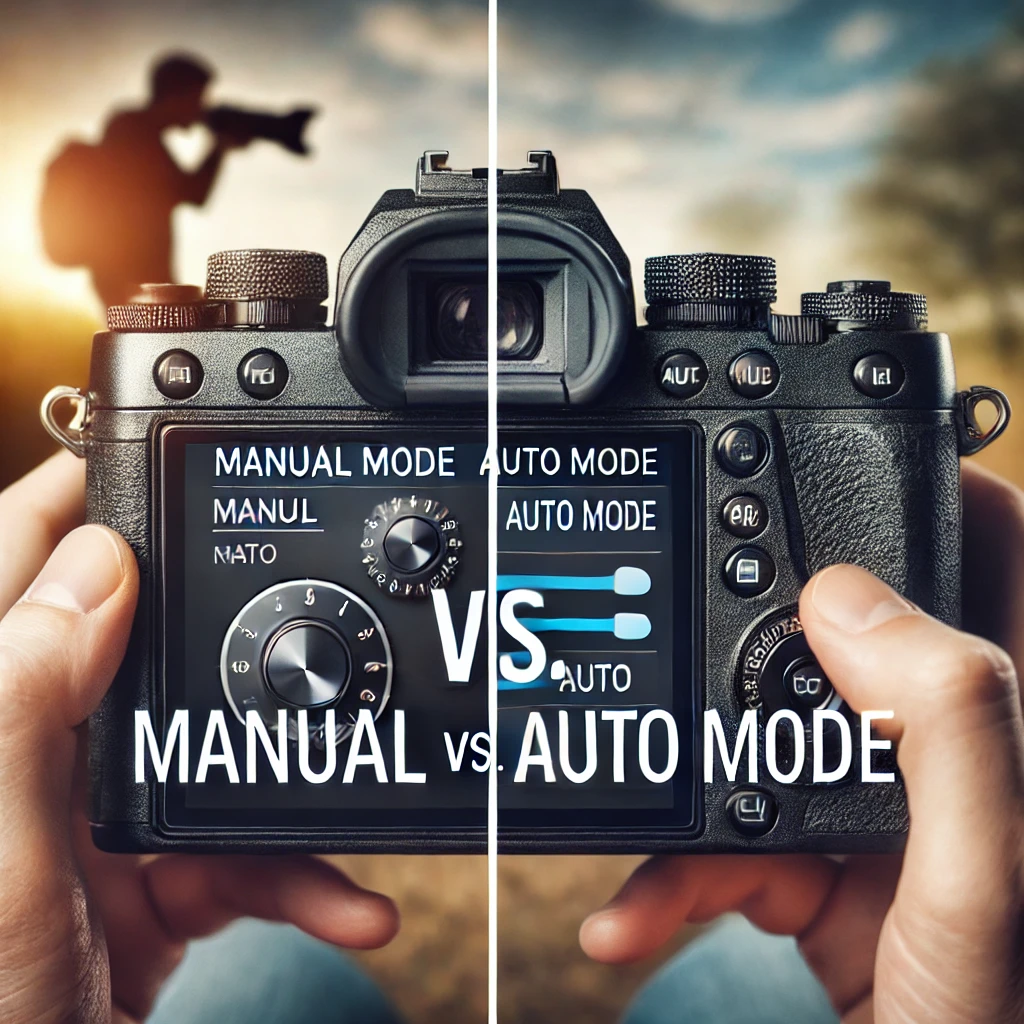
One of the most common dilemmas photographers face is choosing between Manual Mode and Auto Mode on their cameras. While some swear by Manual Mode for its total creative control, others prefer the convenience of Auto Mode, especially when speed is essential. But which one is best for your photography? In this guide, we will explore everything about Manual vs. Auto Mode, including their advantages, disadvantages, and when to use each. By the end of this article, you’ll have a clear understanding of which mode suits your style and needs the most.
Table of Contents
- What Are Manual and Auto Modes?
- Understanding Camera Settings in Both Modes
- Manual Mode: Pros, Cons & Best Use Cases
- Auto Mode: Pros, Cons & Best Use Cases
- Manual vs. Auto Mode for Different Photography Styles
- Learning to Transition from Auto to Manual Mode
- Tips for Mastering Manual Mode
- When Auto Mode Can Be Your Best Friend
- Common Myths About Manual vs. Auto Mode
- Conclusion: Which One Should You Use?
1. What Are Manual and Auto Modes?
Before we dive into the pros and cons, let’s break down Manual and Auto Modes:
Manual Mode (M)
Manual Mode gives photographers complete control over camera settings. You adjust the shutter speed, aperture, and ISO yourself to achieve the desired exposure and creative effects.
Auto Mode
Auto Mode is designed for convenience. The camera automatically selects the best settings based on lighting conditions, scene composition, and motion detection.
2. Understanding Camera Settings in Both Modes
Exposure Triangle in Manual Mode
To master Manual Mode, you need to understand the three key settings that determine exposure:
- Aperture (f/stop): Controls depth of field (background blur or sharpness).
- Shutter Speed: Controls motion blur or freeze action.
- ISO: Determines brightness and noise level in the image.
How Auto Mode Works
In Auto Mode, the camera analyzes the scene and adjusts the settings based on its built-in metering system. While this is helpful for quick shots, it may not always achieve the desired artistic look.
3. Manual Mode: Pros, Cons & Best Use Cases
Pros of Manual Mode:
✅ Total creative control over exposure and composition.
✅ Perfect exposure in tricky lighting situations.
✅ Intentional motion control for long exposures or action shots.
✅ Ideal for professional and artistic photography.
Cons of Manual Mode:
❌ Requires a learning curve and understanding of exposure settings.
❌ Slower adjustments in fast-moving environments.
❌ Not ideal for quick, on-the-go photography.
Best Use Cases for Manual Mode:
- Portrait Photography: Allows control over background blur and lighting.
- Night Photography: Helps achieve long exposure shots.
- Astrophotography: Captures stars and celestial objects effectively.
- Studio Photography: Works best with controlled lighting setups.
4. Auto Mode: Pros, Cons & Best Use Cases
Pros of Auto Mode:
✅ Quick and easy to use—perfect for beginners.
✅ Great for unpredictable or fast-moving scenes.
✅ Automatically adjusts settings for different lighting conditions.
✅ Allows photographers to focus on composition rather than settings.
Cons of Auto Mode:
❌ Less creative control over settings.
❌ May not expose images correctly in challenging lighting conditions.
❌ Can use higher ISO, causing more noise.
Best Use Cases for Auto Mode:
- Street Photography: Captures candid moments quickly.
- Event Photography: Helps in unpredictable lighting conditions.
- Travel Photography: Ideal for shooting on the go.
5. Manual vs. Auto Mode for Different Photography Styles
| Photography Style | Best Mode to Use |
|---|---|
| Landscape Photography | Manual Mode |
| Wedding Photography | Manual (with Auto-Focus) |
| Wildlife Photography | Auto Mode (Quick Adaptability) |
| Sports Photography | Auto Mode (Fast Shutter Speeds) |
| Astrophotography | Manual Mode |
| Macro Photography | Manual Mode |
| Travel Photography | A Mix of Both |
6. Learning to Transition from Auto to Manual Mode
Want to shift from Auto to Manual Mode? Follow these steps:
- Start with Semi-Auto Modes like Aperture Priority (A/Av) or Shutter Priority (S/Tv).
- Practice in controlled environments to understand how settings affect exposure.
- Experiment with different lighting conditions to improve adaptability.
7. Tips for Mastering Manual Mode
- Use a light meter to measure exposure accurately.
- Start with Auto ISO while manually adjusting aperture and shutter speed.
- Keep a settings cheat sheet for different scenarios.
- Practice regularly in various conditions.
8. When Auto Mode Can Be Your Best Friend
Even professionals use Auto Mode in certain cases:
- Fast-moving action shots (e.g., sports photography).
- Quick travel snaps where manual adjustments take too long.
- Learning a new camera to understand its capabilities before switching to Manual Mode.
9. Common Myths About Manual vs. Auto Mode
❌ Myth 1: Manual Mode is Always Better
✔ Truth: Auto Mode is useful in fast-paced scenarios.
❌ Myth 2: Professional Photographers Never Use Auto Mode
✔ Truth: Even pros use Auto or Semi-Auto Modes when necessary.
❌ Myth 3: Auto Mode Always Gives Bad Photos
✔ Truth: Modern cameras have advanced Auto Modes that produce great results.
10. Conclusion: Which One Should You Use?
Choose Manual Mode if:
✔ You want full creative control.
✔ You shoot in complex lighting conditions.
✔ You prefer custom creative effects.
Choose Auto Mode if:
✔ You need quick and convenient shots.
✔ You’re new to photography.
✔ You’re in a fast-paced shooting environment.
Final Thought:
Whether you use Manual Mode or Auto Mode, the key is understanding both and using them strategically to get the best results.
-
Best Cameras for Travel Photography in 2026: Top 10 Picks
-
Best Cameras for Sports Photography in 2026: Top 10 Picks
-
Best Cameras for Wildlife Photography in 2026
-
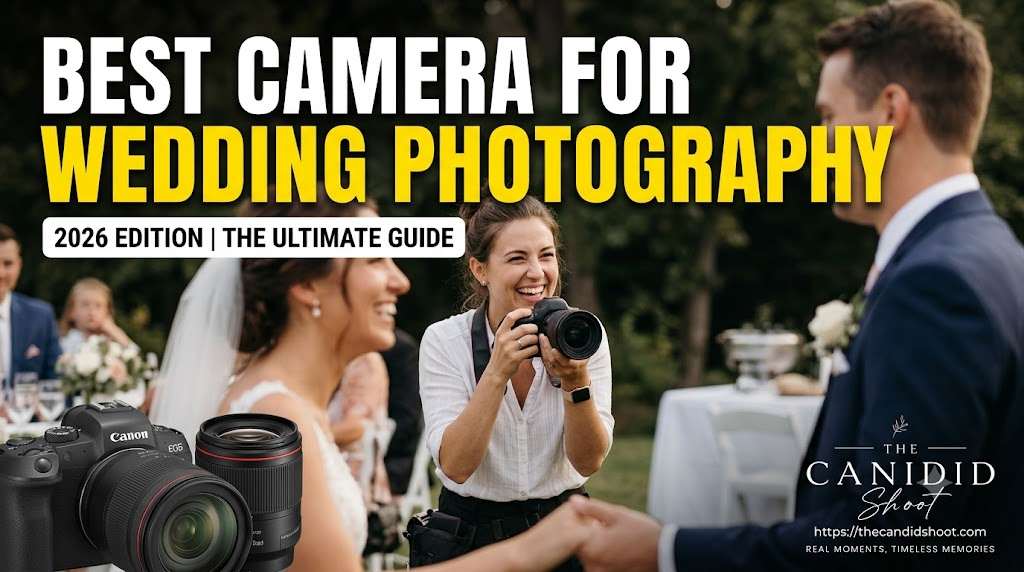
Best Camera for Wedding Photography in 2026
-
Best Cameras for Travel Photography in 2026: Top 10 Picks
Discover the best cameras for travel photography in 2026. Compare Sony, Canon, Nikon, Fujifilm and more for portability, image quality, landscapes, street photography and travel video.
-
Best Cameras for Sports Photography in 2026: Top 10 Picks
Discover the best cameras for sports photography in 2026. Compare Sony, Canon, Nikon and Fujifilm cameras for fast action, autofocus, burst shooting and professional sports.
-
Best Cameras for Wildlife Photography in 2026
Discover the best cameras for wildlife photography in 2026. Compare Canon, Nikon, Sony, OM SYSTEM, Panasonic and Fujifilm cameras for birds and wildlife.
-
Best Camera for Wedding Photography in 2026
Discover the 10 best camera for wedding photography in 2026. Compare autofocus, low-light performance, image quality, battery life, and features to find the right camera
-
Sony A6700 vs Fujifilm X-T5: Which APS-C Camera Is Better in 2026?
Sony A6700 vs Fujifilm X-T5: compare image quality, autofocus, IBIS, video, lenses, battery, controls and real-world performance to find the right camera.
-
Sony A6700 vs Canon R7: Which Camera Is Better in 2026?
Sony A6700 vs Canon R7 compared for image quality, autofocus, wildlife, video, battery, lenses, and value. Find out which APS-C camera is right for you.


Leave a Reply