
This guide explores the top trends in portfolio photography, offering insights into how you can integrate them into your work and showcase your expertise.
Table of Contents
Trends in Portfolio Photography is evolving at an unprecedented pace, driven by creativity, technology, and changing consumer preferences. Keeping up with the latest trends is crucial for photographers looking to stay relevant and attract clients.
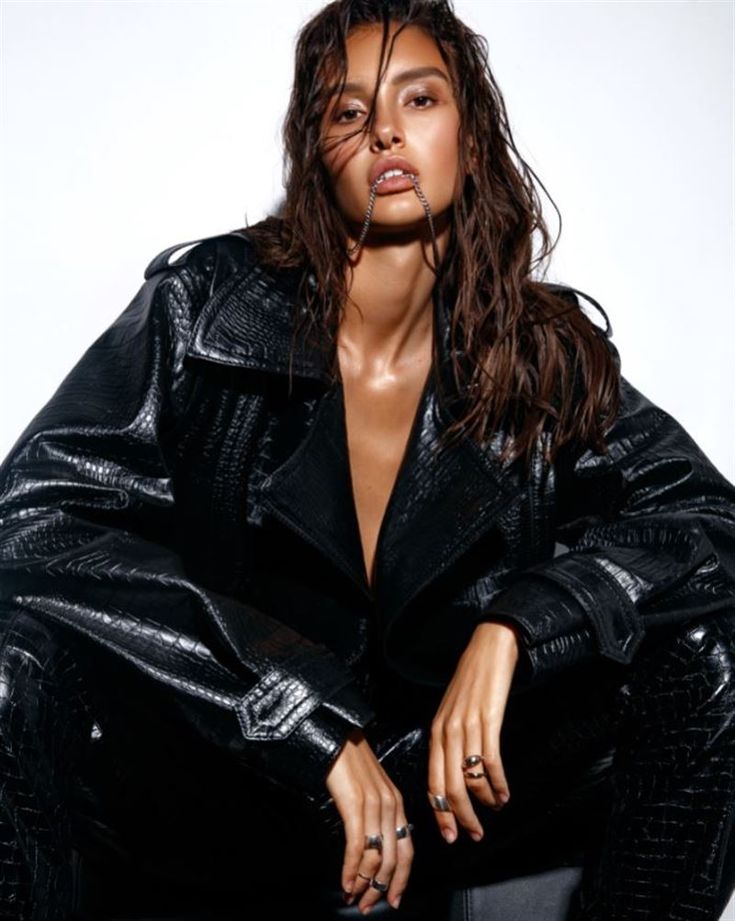
1. Storytelling Through Images
Modern portfolios go beyond showcasing technical skills; they tell stories that resonate emotionally. Storytelling creates a deeper connection with viewers and gives your portfolio a cohesive, memorable quality.
How to Incorporate Storytelling
- Curate Narrative Sequences: Arrange photos in a way that unfolds a story, whether it’s a wedding day, a journey, or a conceptual project.
- Focus on Emotion: Capture moments that evoke feelings like joy, nostalgia, or awe.
- Add Context: Provide captions or brief descriptions to enhance the story behind each image.
2. Minimalism in Presentation
Clean and minimalist portfolio designs are becoming increasingly popular. Simplicity draws attention to the photographs themselves and ensures a distraction-free experience for viewers.
Tips for Minimalist Portfolios
- Use neutral backgrounds and ample white space.
- Limit the number of photos per page or section.
- Opt for simple typography and unobtrusive navigation menus.
3. Incorporating Mixed Media
Photographers are now blending still images with videos, animations, and soundscapes to create dynamic portfolios. Mixed media adds depth and provides a more immersive experience.
Ways to Use Mixed Media
- Cinemagraphs: Combine still photos with subtle motion.
- Video Clips: Add behind-the-scenes footage or mini documentaries.
- Audio: Use ambient sounds or narrations to enhance storytelling.
4. Focus on Authenticity
Gone are the days of overly staged and retouched images. Clients and audiences value authenticity, which makes candid and unfiltered moments stand out.
How to Achieve Authenticity
- Capture genuine expressions and interactions.
- Use natural lighting instead of artificial setups.
- Limit post-processing to retain the original essence of the image.

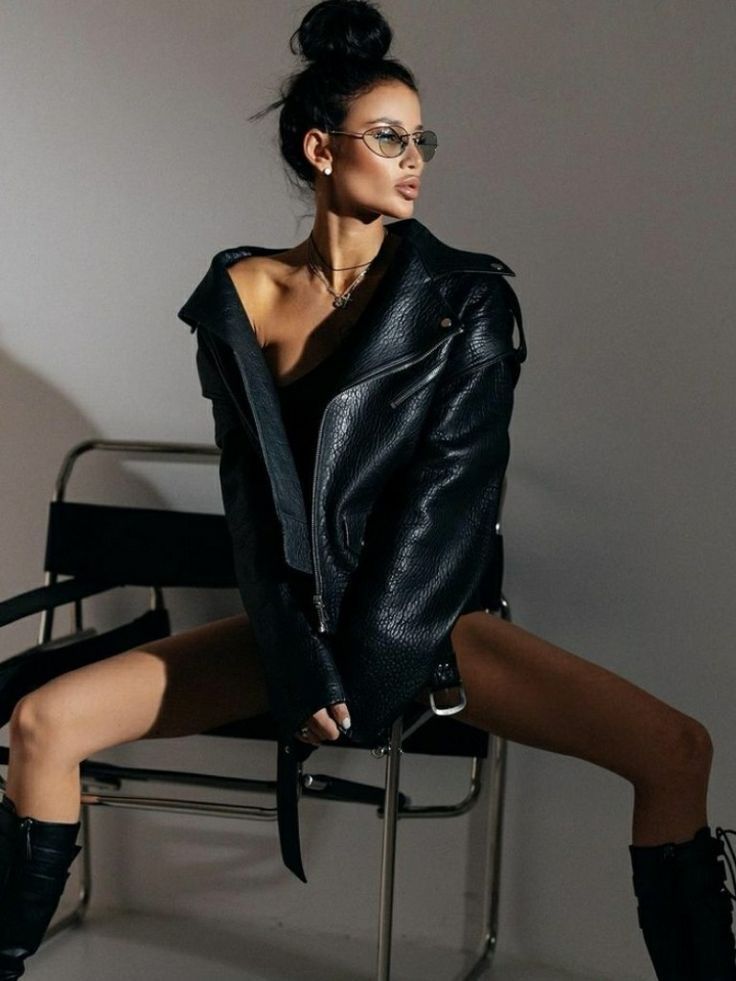
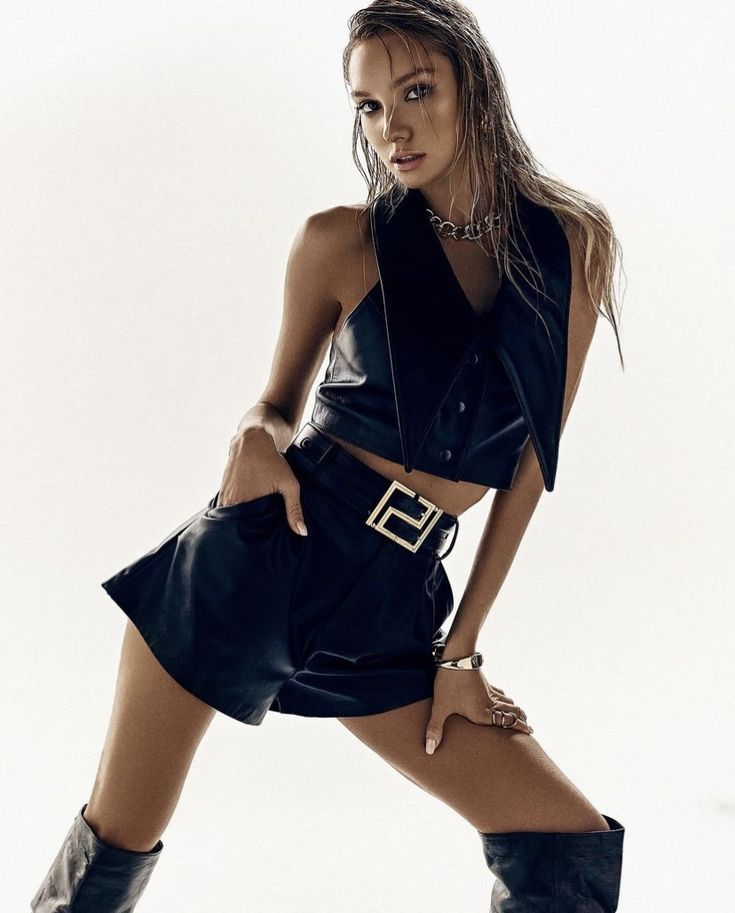


5. Sustainability and Nature-Inspired Themes
As environmental awareness grows, sustainability is influencing all aspects of photography, including portfolios. Nature-inspired themes and eco-friendly practices are gaining traction.
Sustainable Practices
- Eco-Friendly Shoots: Use sustainable props and avoid waste.
- Highlight Nature: Showcase landscapes, wildlife, or eco-conscious concepts.
- Green Printing: For physical portfolios, use recycled materials and eco-friendly printing methods.
6. Diversity and Inclusion
Diversity is not just a trend; it’s a necessity. Portfolios that celebrate inclusivity stand out and resonate with a broader audience.
Ways to Promote Diversity
- Collaborate with models and clients from different backgrounds.
- Highlight various cultures, traditions, and lifestyles.
- Use inclusive language in captions and descriptions.
7. Use of Advanced Technology
Technology continues to revolutionize portfolio photography. From AI-powered editing tools to augmented reality (AR), these advancements enhance creativity and efficiency.
Tech Trends to Explore
- AI Editing: Use AI software to streamline post-production.
- AR Features: Create interactive portfolios with augmented reality.
- 360-Degree Images: Add panoramic shots for an immersive experience.
8. Personal Branding
A strong personal brand can elevate your portfolio and make it memorable. Your portfolio should reflect who you are as a photographer and what you stand for.
Branding Tips
- Design a consistent visual identity with logos and color schemes.
- Include an engaging “About Me” section that shares your journey and philosophy.
- Maintain a cohesive tone across your website, social media, and portfolio.
9. Mobile Optimization
With more people accessing portfolios on smartphones, mobile optimization is non-negotiable. A seamless mobile experience ensures your work reaches a wider audience.
How to Optimize for Mobile
- Use responsive web design.
- Compress images to reduce loading times.
- Ensure navigation is intuitive on smaller screens.
10. Collaboration Showcases
Highlighting collaborative projects is an excellent way to demonstrate your ability to work with others and adapt to different creative visions.
What to Include
- Projects with other photographers or artists.
- Client collaborations with notable brands or individuals.
- Team efforts, such as styled shoots or group exhibitions.
11. Focus on Details
Close-up shots and macro photography are trending, as they capture intricate details that might otherwise go unnoticed. These shots add depth and variety to portfolios.
Tips for Detail Shots
- Use a macro lens for extreme close-ups.
- Pay attention to textures, patterns, and small features.
- Experiment with lighting to highlight details.
12. Themed Portfolios
Themed portfolios focus on specific concepts, making them more cohesive and impactful. Themes help photographers establish a niche and attract targeted clients.
Popular Themes
- Vintage or retro aesthetics.
- Futuristic and surreal concepts.
- Seasonal or holiday-inspired themes.
13. Social Media Integration
Portfolios that integrate with social media platforms make sharing and promoting your work easier. Social media also helps drive traffic to your portfolio.
Integration Tips
- Add social media buttons to your portfolio site.
- Embed Instagram feeds or Pinterest boards.
- Use hashtags and tags to increase visibility.
14. Bold and Experimental Photography
Experimentation is key to standing out. Bold compositions, unconventional angles, and creative lighting can elevate your portfolio.
Ideas for Bold Photography
- Play with shadows and reflections.
- Use props for conceptual storytelling.
- Experiment with double exposures and other in-camera effects.
15. Client Testimonials and Case Studies
Adding testimonials and case studies to your portfolio builds trust and credibility. Potential clients are more likely to book your services when they see positive feedback.
What to Include
- Detailed accounts of successful projects.
- Quotes from satisfied clients.
- Before-and-after comparisons to showcase your impact.
Conclusion
Staying ahead of trends in portfolio photography requires adaptability, creativity, and a willingness to embrace change. By incorporating these trends, you can create a portfolio that not only showcases your talent but also captivates viewers and attracts opportunities. Remember, your portfolio is a living document—keep updating it to reflect your growth and evolving style.
About The Candid Shoot
The Candid Shoot is an independent photography resource dedicated to helping photographers, creators, couples, models, brands, and photography enthusiasts make better decisions and create better images.
Our content covers practical photography techniques, camera and equipment guidance, posing ideas, portrait and fashion photography, product photography, AI photography tools, and photography workflows.
We focus on practical, experience-informed guidance rather than simply repeating generic information found across the web. Our goal is to make photography easier to understand, easier to apply, and more useful in real-world situations.
Why Trust The Candid Shoot?
We build our articles around a simple editorial principle: useful information first, clear explanations second, and unnecessary hype last.
Our articles are developed with attention to:
- Practical photography use cases and real-world shooting situations
- Camera, lens, software, and photography workflow considerations
- Clear explanations for beginners while retaining useful information for experienced creators
- Current tools, techniques, and photography trends where relevant
- Comparisons of advantages, limitations, features, and practical applications
- Original editorial organization instead of simply rewriting existing articles
- Internal linking to related photography resources so readers can explore a topic in depth
Our objective is not to recommend something simply because it is popular. We aim to explain when a technique, tool, workflow, or approach makes sense — and when it may not.
Our Editorial Process
Every article published on The Candid Shoot follows a structured editorial process designed to improve accuracy, usefulness, and clarity.
Research: We review relevant photography concepts, tools, techniques, product information, and established industry resources before developing an article.
Practical Evaluation: Information is considered from the perspective of actual photography use cases, including shooting conditions, workflow, composition, posing, editing, equipment selection, and creator needs.
Editorial Development: We organize information into clear sections, practical explanations, examples, recommendations, and actionable takeaways.
Fact Checking: Technical claims, specifications, terminology, and important factual information are checked against reliable sources where appropriate.
Reader-First Review: We evaluate whether the article actually answers the search intent, whether the recommendations are understandable, and whether the content provides useful next steps.
Ongoing Updates: Articles may be reviewed and updated when photography technology, software, equipment, techniques, or industry practices change.
Our Editorial Standards
The Candid Shoot aims to keep its editorial content:
Accurate: We work to verify important technical and factual information.
Useful: Information should help the reader solve a real photography problem or make a better decision.
Transparent: We distinguish educational guidance, editorial opinions, comparisons, and factual information.
Practical: Wherever possible, we focus on how photography concepts can actually be applied.
Independent: Articles are created to serve readers first rather than simply promote a product, technique, or trend.
Sources & Photography Resources
We believe readers should be able to continue their research. Depending on the topic, our articles may reference or recommend authoritative photography and technology resources.
Useful external resources may include:
- Adobe Photography
- Adobe Lightroom
- Nikon Learn & Explore
- Canon Learning
- Sony Alpha Universe
- Google Search Central
- Google AI
- OpenAI
External links are included where they provide additional context, technical information, official documentation, or useful learning resources.
Explore More From The Candid Shoot
Continue learning through our photography resources:
Photography Tutorials:
https://thecandidshoot.com/category/photography-tutorials/
Couple Photography:
https://thecandidshoot.com/category/couple-photography/
Camera & Equipment:
https://thecandidshoot.com/category/camera-equipment/
Portrait & Fashion Photography:
https://thecandidshoot.com/category/portrait-fashion-photography/
Product Photography:
https://thecandidshoot.com/category/product-photography/
AI Photography:
https://thecandidshoot.com/category/ai-photography/
Photography Guides & Resources:
https://thecandidshoot.com/
Reader Feedback & Reviews
The Candid Shoot values feedback from photographers, creators, and readers who use our guides in their own work.
Reader questions and feedback help us identify confusing topics, missing information, outdated recommendations, and areas where an article can become more useful.
We continually use this feedback to improve the quality, clarity, and practical value of our photography resources.
Editorial Note
Photography is highly dependent on the subject, lighting conditions, equipment, creative goals, budget, and shooting environment. Recommendations that work for one photographer may not be ideal for another.
For that reason, The Candid Shoot focuses on explaining the reasoning behind a recommendation instead of presenting every technique, product, or workflow as universally suitable.
Last reviewed: [August, 2026]
Editorial team: The Candid Shoot Editorial Team





Leave a Reply