

Product photography plays a crucial role in e-commerce, influencing buyer decisions, enhancing brand perception, and ultimately increasing sales. With the absence of physical interaction, high-quality images become the closest experience consumers have with a product before making a purchase. This article explores the importance of product photography in e-commerce, different photography techniques, best practices, and essential tools to create compelling product images.
Why Product Photography Matters in E-Commerce
- First Impressions Matter
- Customers often judge a product by its image quality.
- A visually appealing image creates trust and credibility.
- Boosts Conversion Rates
- Studies show that high-quality product images increase conversion rates.
- Clear, detailed images help customers make informed purchase decisions.
- Enhances Brand Identity
- Consistent product photography helps create a strong brand presence.
- Well-shot images convey professionalism and reliability.
- Reduces Return Rates
- Accurate images help set realistic expectations.
- Fewer surprises lead to fewer returns and refunds.
Types of Product Photography
- White Background Photography
- Clean, simple images with a white background.
- Common for marketplaces like Amazon, eBay, and Shopify.
- Lifestyle Photography
- Showcases the product in real-life scenarios.
- Helps customers visualize the product in use.
- 360-Degree Photography
- Interactive images that allow users to rotate and view the product from all angles.
- Enhances customer engagement and satisfaction.
- Macro Photography
- Close-up shots to capture intricate details of small products.
- Ideal for jewelry, watches, and luxury items.
- Flat Lay Photography
- Top-down images arranged in a stylish, aesthetic manner.
- Common in fashion, beauty, and food industries.
- Ghost Mannequin Photography
- Creates a 3D effect without a visible model.
- Popular for clothing and apparel brands.
Essential Equipment for Professional Product Photography
- Camera and Lenses
- A DSLR or mirrorless camera with a high-resolution sensor.
- Macro lenses for detailed shots.
- Lighting Setup
- Softbox lights, ring lights, or natural lighting for different effects.
- Reflectors and diffusers to control shadows.
- Tripod and Stabilizers
- Ensures sharp and steady images.
- Helps maintain consistency in shooting angles.
- Backgrounds and Props
- White, solid color, or textured backgrounds for different moods.
- Props to enhance storytelling in lifestyle shots.
- Photo Editing Software
- Adobe Photoshop and Lightroom for color correction and touch-ups.
- Online tools like Canva for quick edits.
Best Practices for Effective Product Photography
- Use Proper Lighting
- Natural light works best for lifestyle shots.
- Artificial lighting helps maintain consistency.
- Maintain Consistency
- Keep angles, lighting, and background uniform across all product images.
- Capture Multiple Angles
- Show the front, back, sides, and close-up details.
- Provides a comprehensive view for customers.
- Highlight Unique Features
- Focus on product texture, design, and functionality.
- Optimize Image Size and Format
- Compress images without losing quality for faster website loading speed.
- Use web-friendly formats like JPEG and PNG.
The Impact of Product Photography on Marketing and Sales
- Improves Click-Through Rates (CTR)
- Eye-catching images attract more clicks on ads and listings.
- Enhances Social Media Engagement
- High-quality visuals get more likes, shares, and comments.
- Supports SEO Strategy
- Optimized images with proper alt tags improve search engine rankings.
- Strengthens Customer Trust
- Professional photos build credibility and encourage repeat purchases.
Conclusion
The role of product photography in e-commerce cannot be overstated. It directly impacts conversions, branding, customer trust, and overall business success. Investing in high-quality images and proper photography techniques will set any online store apart from competitors and ensure long-term growth in the digital marketplace.
-
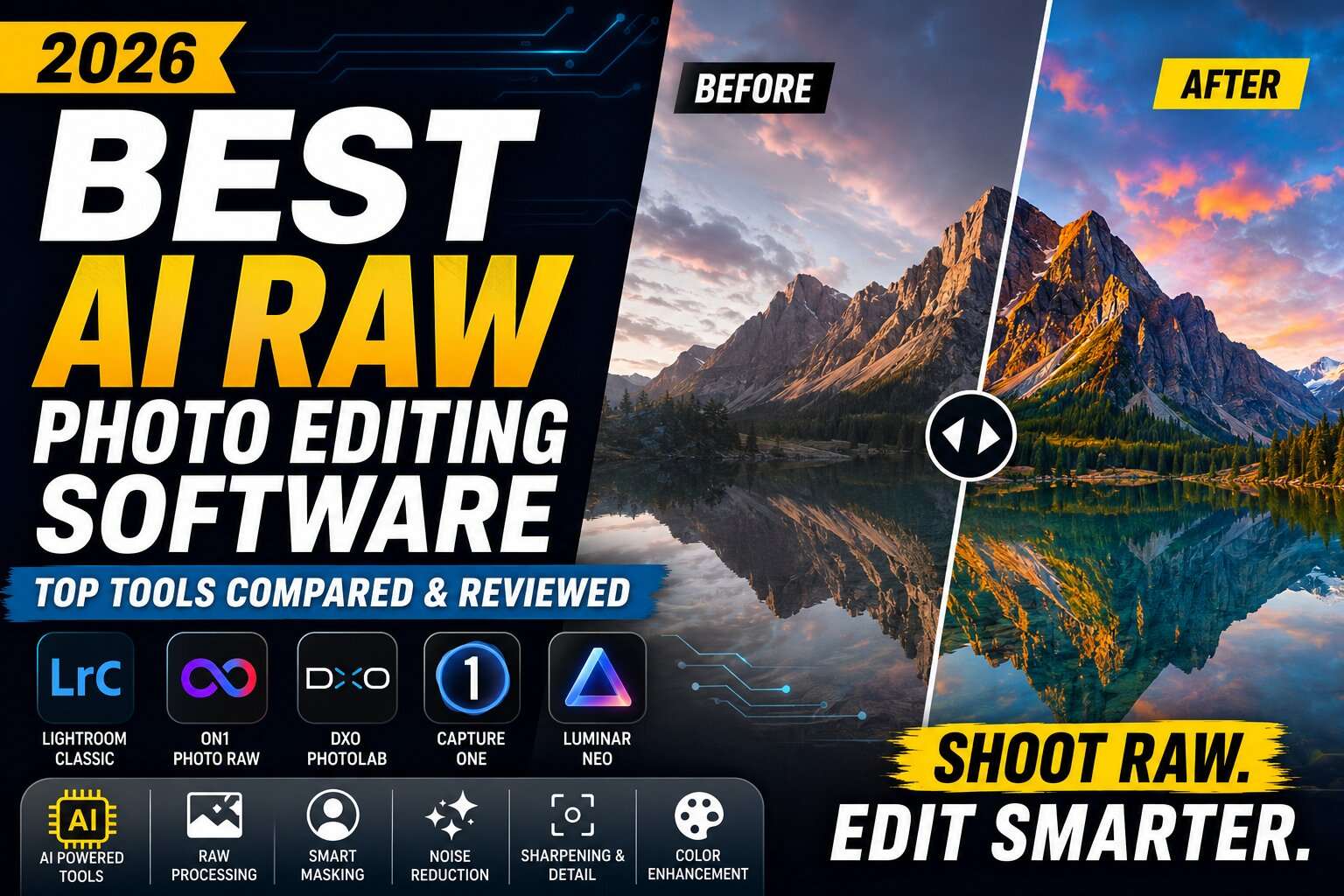
Best AI RAW Photo Editing Software in 2026
-

Best AI Sharpening Software for Blurry Photos in 2026
-
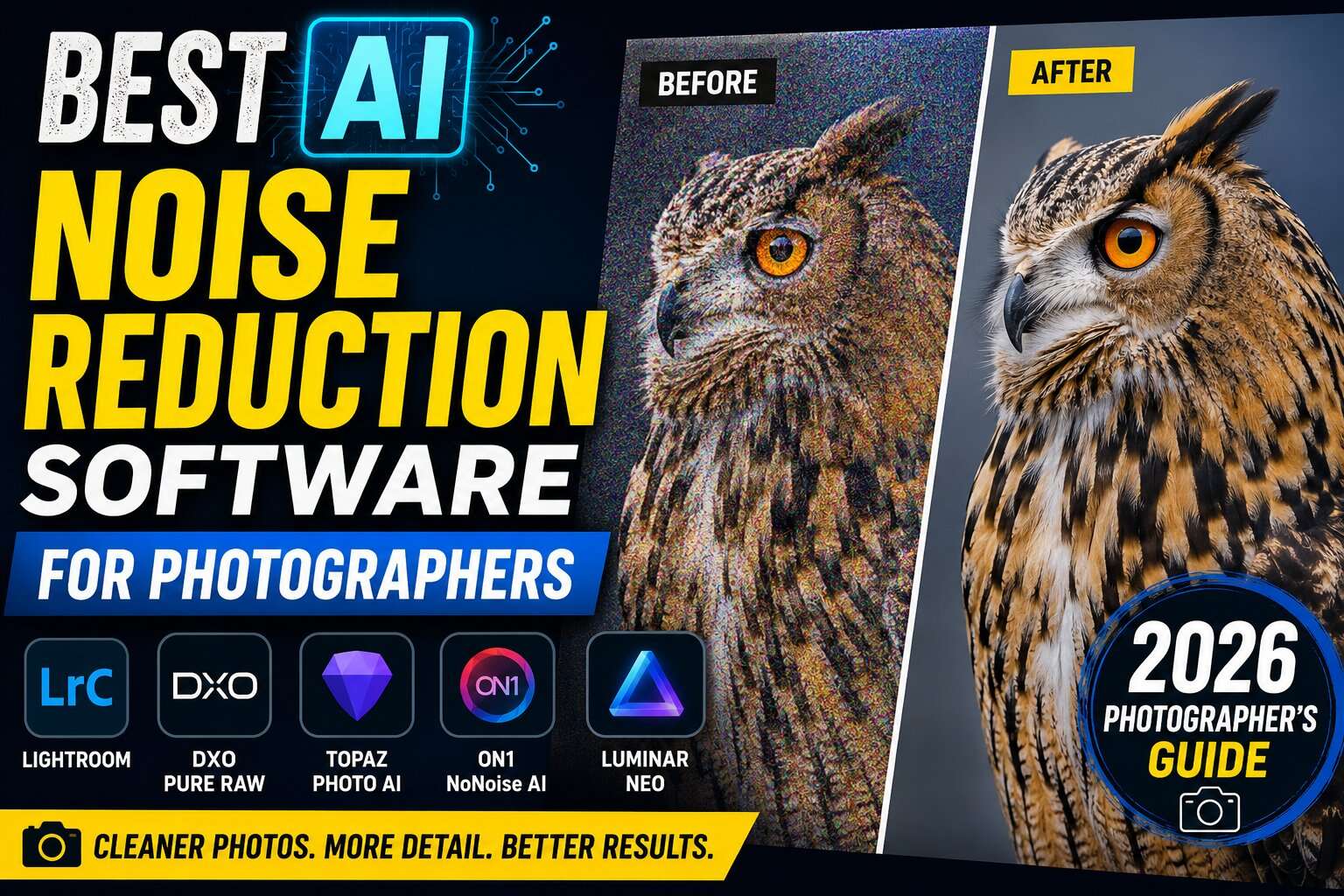
Best AI Noise Reduction Software for Photographers in 2026
-

AI Autofocus Explained: Best AI Camera Autofocus in 2026
-
Best AI RAW Photo Editing Software in 2026
Discover the best AI RAW photo editing software in 2026. Compare Lightroom, ON1, DxO, Capture One, and Luminar Neo for RAW editing, noise reduction, masking, and sharpening.
-
Best AI Sharpening Software for Blurry Photos in 2026
Discover the best AI sharpening software for blurry photos in 2026. Compare Topaz, Lightroom, Photoshop, ON1, Luminar and more for restoring image detail.
-
Best AI Noise Reduction Software for Photographers in 2026
Discover the best AI noise reduction software for photographers in 2026. Compare Lightroom, DxO PureRAW, Topaz Photo AI, ON1 NoNoise AI, and more.
-
AI Autofocus Explained: Best AI Camera Autofocus in 2026
Learn how AI autofocus works in modern cameras. Discover AI subject detection, eye autofocus, vehicle tracking, wildlife AF, advantages, limitations, and the best AI autofocus cameras in 2026.
-
Best AI Photography Software: 25 Powerful Tools for Every Photographer
Discover the best AI photography software for editing, culling, retouching, image enhancement, album design, SEO, and workflow automation. Compare 25 powerful AI tools for photographers in 2026.
-
AfterShoot vs Narrative Select: Which AI Photo Culling Software Is Better in 2026?
Compare AfterShoot vs Narrative Select for AI photo culling. Explore features, pricing, speed, accuracy, workflow, pros, cons, and discover which tool is best for photographers in 2026.



Leave a Reply