
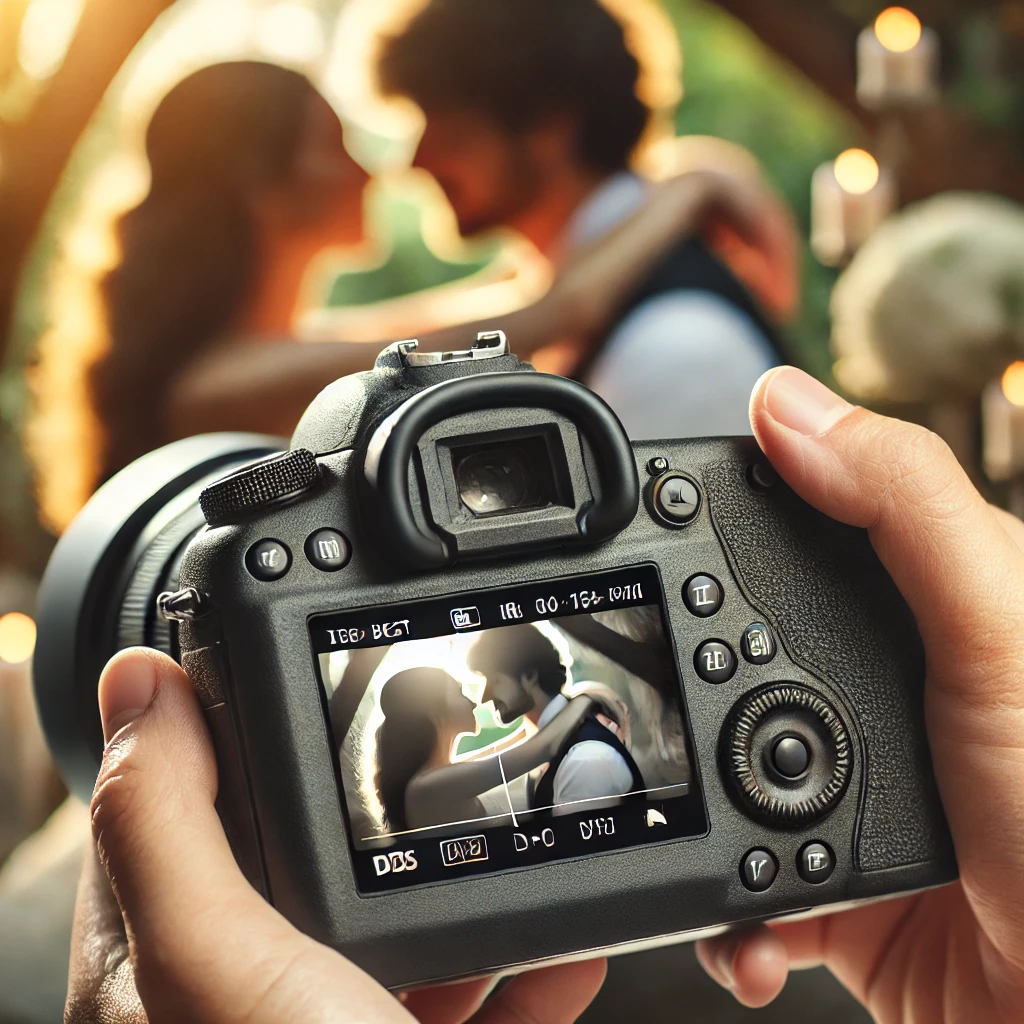
Candid photography captures the authenticity and raw emotions of a moment without posing or staging. Unlike traditional photography, where subjects are aware of the camera, candid shots preserve natural expressions and genuine interactions. However, achieving stunning candid photography requires the right camera settings to balance lighting, focus, and movement. This guide explores the best camera settings for stunning candid photography, helping you capture perfect, spontaneous shots every time.
Understanding Camera Settings for Candid Photography
The key to mastering candid photography lies in adjusting essential camera settings to match different environments, lighting conditions, and subjects. Below are the fundamental settings that contribute to high-quality candid shots.
1. Shooting Mode: Prioritizing Manual or Semi-Automatic Modes
- Aperture Priority (A or Av Mode): Useful for controlling depth of field while allowing the camera to adjust shutter speed.
- Shutter Priority (S or Tv Mode): Ideal for fast-moving subjects, ensuring sharp images with controlled motion blur.
- Manual Mode: Recommended for full control over all settings, allowing precise adjustments in challenging lighting conditions.
2. Aperture Settings: Creating Depth and Focus
- Wide Aperture (f/1.8 – f/4): Blurs the background and isolates the subject, making them stand out.
- Narrow Aperture (f/8 – f/16): Ensures more elements in focus, ideal for group candid shots or street photography.
- Balancing Depth of Field: Adjust the aperture based on subject distance and background distractions.
3. Shutter Speed: Freezing or Blurring Motion
- Fast Shutter Speed (1/250s – 1/1000s): Captures sharp images of fast-moving subjects without motion blur.
- Slow Shutter Speed (1/60s – 1/200s): Suitable for low-light conditions and adding slight motion blur for artistic effect.
- Choosing the Right Speed: Adapt shutter speed based on subject movement and available light.
4. ISO Settings: Managing Light Sensitivity
- Low ISO (100 – 400): Delivers the best image quality in bright lighting conditions.
- Medium ISO (800 – 1600): Ideal for indoor settings with controlled lighting.
- High ISO (3200 – 6400+): Required for low-light scenarios, but be cautious of digital noise.
- ISO Tips: Use auto ISO with a maximum limit to balance exposure without excessive noise.
5. Autofocus vs. Manual Focus: Ensuring Sharpness
- Continuous Autofocus (AF-C/AI Servo): Tracks moving subjects, ensuring sharp focus in action shots.
- Single Autofocus (AF-S/One-Shot AF): Works best for stationary subjects or controlled moments.
- Manual Focus: Effective in low light or when precise focusing is needed.
- Best Practices: Utilize back-button focus for quick adjustments and minimize missed shots.
6. White Balance: Maintaining Natural Colors
- Auto White Balance (AWB): Handles most situations well, adapting to different light sources.
- Daylight, Cloudy, Shade: Useful for outdoor settings to maintain warmth and contrast.
- Custom White Balance: Adjust for artificial lighting to avoid color casts in indoor environments.
- Pro Tip: Use Kelvin settings (e.g., 5200K for daylight) for more control.
7. Metering Mode: Optimizing Exposure
- Evaluative/Matrix Metering: Measures light across the frame, suitable for most candid shots.
- Spot Metering: Focuses on a specific subject, useful in high-contrast scenes.
- Center-Weighted Metering: Prioritizes the center of the frame, ideal for balanced exposure in portraits.
8. Burst Mode: Capturing the Perfect Moment
- Continuous Shooting Mode: Allows multiple frames per second, increasing the chance of capturing the perfect expression.
- Best Use: Essential for fast-paced environments, such as events or street photography.
9. Image Format: RAW vs. JPEG
- RAW Format: Retains maximum detail, allowing advanced post-processing adjustments.
- JPEG Format: Saves space and provides faster processing but with limited editing flexibility.
- Best Choice: Shoot in RAW for professional-quality results, especially in challenging lighting.
Advanced Techniques for Candid Photography
1. Using Natural Light for a Soft, Authentic Look
- Position subjects near windows for diffused light.
- Utilize golden hour (early morning or late afternoon) for warm tones.
- Avoid harsh midday sunlight to reduce overexposure and harsh shadows.
2. Camera Angles and Composition for Candid Shots
- Shoot from different perspectives to add storytelling depth.
- Use the rule of thirds to frame subjects naturally.
- Capture interactions between multiple subjects for a dynamic composition.
3. Blending into the Environment
- Avoid direct eye contact to maintain authenticity.
- Use a telephoto lens to capture intimate moments from a distance.
- Engage with the environment to make subjects feel at ease.
4. Post-Processing for a Natural Aesthetic
- Adjust exposure and contrast to enhance image depth.
- Fine-tune colors to match the mood of the scene.
- Reduce noise in high-ISO images using software like Lightroom.
Conclusion
Mastering camera settings for stunning candid photography requires a balance of technical knowledge and creative intuition. By adjusting aperture, shutter speed, ISO, and autofocus strategically, you can capture authentic, emotionally powerful moments effortlessly. Experiment with different settings, practice in various lighting conditions, and most importantly, stay ready to capture life’s spontaneous beauty.
Implement these techniques and watch your candid photography skills elevate to a professional level.
-
Best Cameras for Travel Photography in 2026: Top 10 Picks
-
Best Cameras for Sports Photography in 2026: Top 10 Picks
-
Best Cameras for Wildlife Photography in 2026
-
Best Camera for Wedding Photography in 2026
-
Best Cameras for Travel Photography in 2026: Top 10 Picks
Discover the best cameras for travel photography in 2026. Compare Sony, Canon, Nikon, Fujifilm and more for portability, image quality, landscapes, street photography and travel video.
-
Best Cameras for Sports Photography in 2026: Top 10 Picks
Discover the best cameras for sports photography in 2026. Compare Sony, Canon, Nikon and Fujifilm cameras for fast action, autofocus, burst shooting and professional sports.
-
Best Cameras for Wildlife Photography in 2026
Discover the best cameras for wildlife photography in 2026. Compare Canon, Nikon, Sony, OM SYSTEM, Panasonic and Fujifilm cameras for birds and wildlife.
-
Best Camera for Wedding Photography in 2026
Discover the 10 best camera for wedding photography in 2026. Compare autofocus, low-light performance, image quality, battery life, and features to find the right camera
-
Sony A6700 vs Fujifilm X-T5: Which APS-C Camera Is Better in 2026?
Sony A6700 vs Fujifilm X-T5: compare image quality, autofocus, IBIS, video, lenses, battery, controls and real-world performance to find the right camera.
-
Sony A6700 vs Canon R7: Which Camera Is Better in 2026?
Sony A6700 vs Canon R7 compared for image quality, autofocus, wildlife, video, battery, lenses, and value. Find out which APS-C camera is right for you.




Leave a Reply