
A model portfolio serves as your visual resume, showcasing your versatility, skills, and marketability. Whether you’re an aspiring model or revamping your portfolio, a well-curated collection of images can determine your success in the industry. In this guide, you’ll learn step-by-step how to build a stunning model portfolio from scratch, covering essential factors such as selecting photographers, styling, posing, and presenting your work professionally.
Table of Contents
1. Understanding the Purpose of a Model Portfolio
Before diving into the creative aspects, it’s crucial to understand the purpose behind a model portfolio:
1.1 What is a Model Portfolio?
A model portfolio is a professional collection of images that highlight your versatility, expressions, and range as a model. It serves as a marketing tool for agencies, clients, and photographers to assess your potential.
1.2 Why is it Important?
- Helps agencies and brands visualize your potential
- Showcases your ability to work in different styles
- Positions you as a serious, professional model
- Helps secure casting calls, gigs, and representation
2. Defining Your Modeling Niche
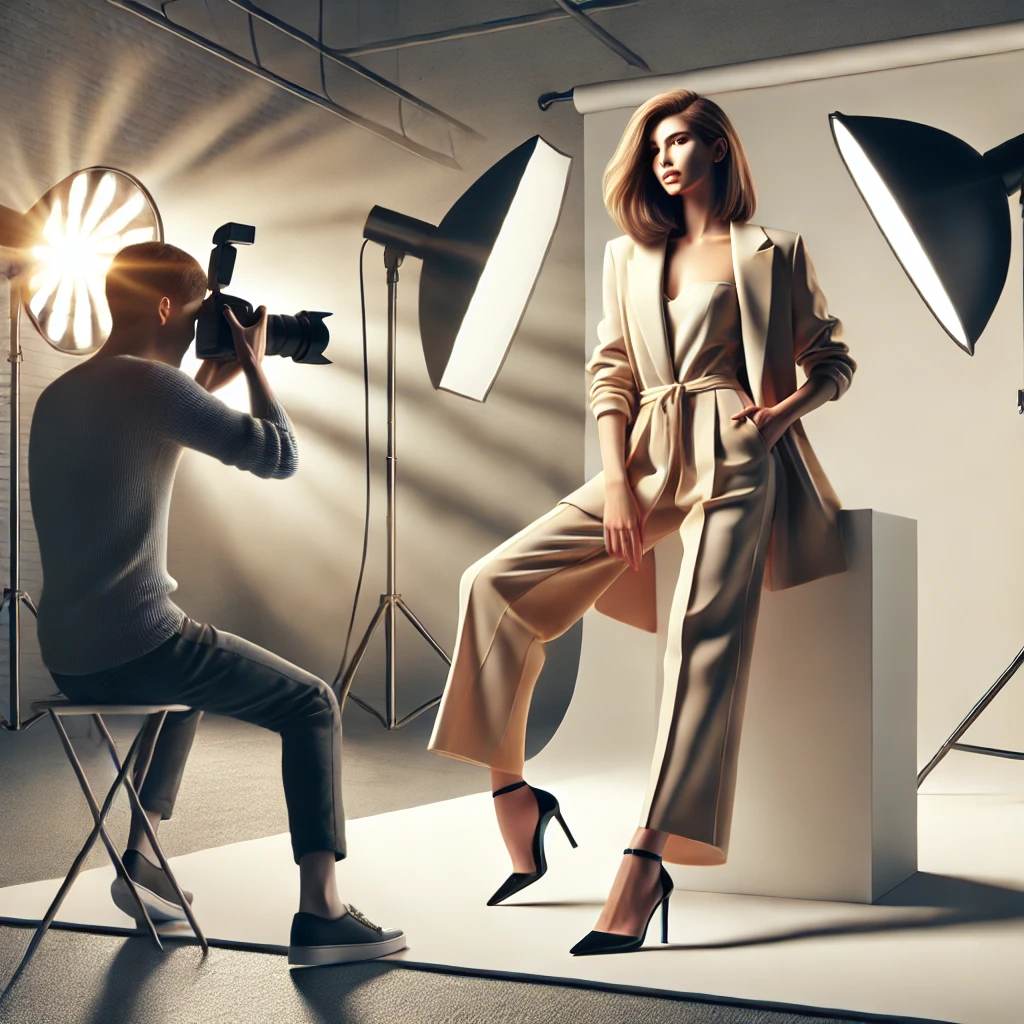
Different types of modeling require distinct styles and aesthetics. Identifying your niche will help you tailor your portfolio accordingly.
2.1 Popular Modeling Categories
- Fashion Modeling – High-end fashion, designer campaigns
- Commercial Modeling – Advertisements, lifestyle brands
- Editorial Modeling – Magazine-style storytelling
- Fitness Modeling – Athletic, sportswear promotions
- Glamour Modeling – Beauty and makeup focus
- Parts Modeling – Showcasing hands, legs, or other body parts
2.2 Choosing the Right Niche for You
Consider your height, body type, style preferences, and industry demand when selecting your niche.
3. Planning and Preparing for Your Photoshoot
3.1 Finding the Right Photographer
- Look for photographers with experience in your modeling niche
- Review their portfolios to ensure their aesthetic aligns with your goals
- Discuss expectations, styles, and poses before the shoot
3.2 Styling and Wardrobe Selection
- Choose outfits that complement your body type
- Stick to neutral colors and timeless pieces for longevity
- Ensure a mix of casual, formal, and creative looks
3.3 Grooming and Skincare Preparation
- Get a fresh haircut or trim before the shoot
- Maintain healthy skin with hydration and skincare routines
- Keep nails well-groomed and avoid distracting accessories
4. Mastering Posing and Expressions
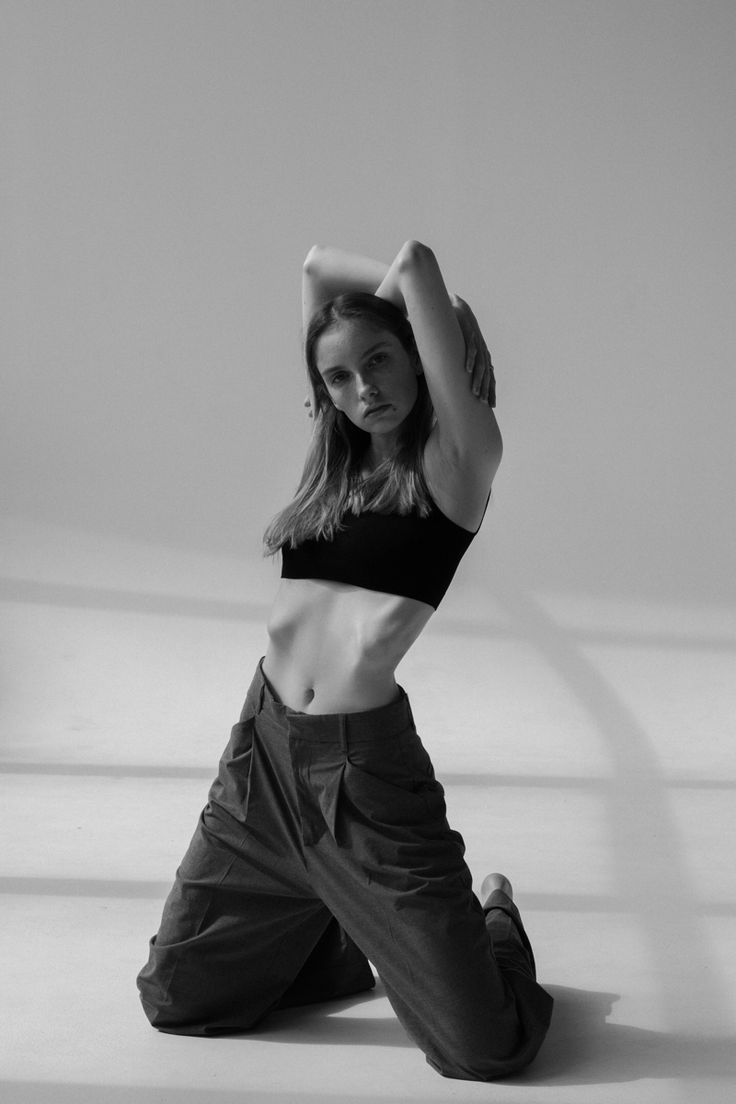
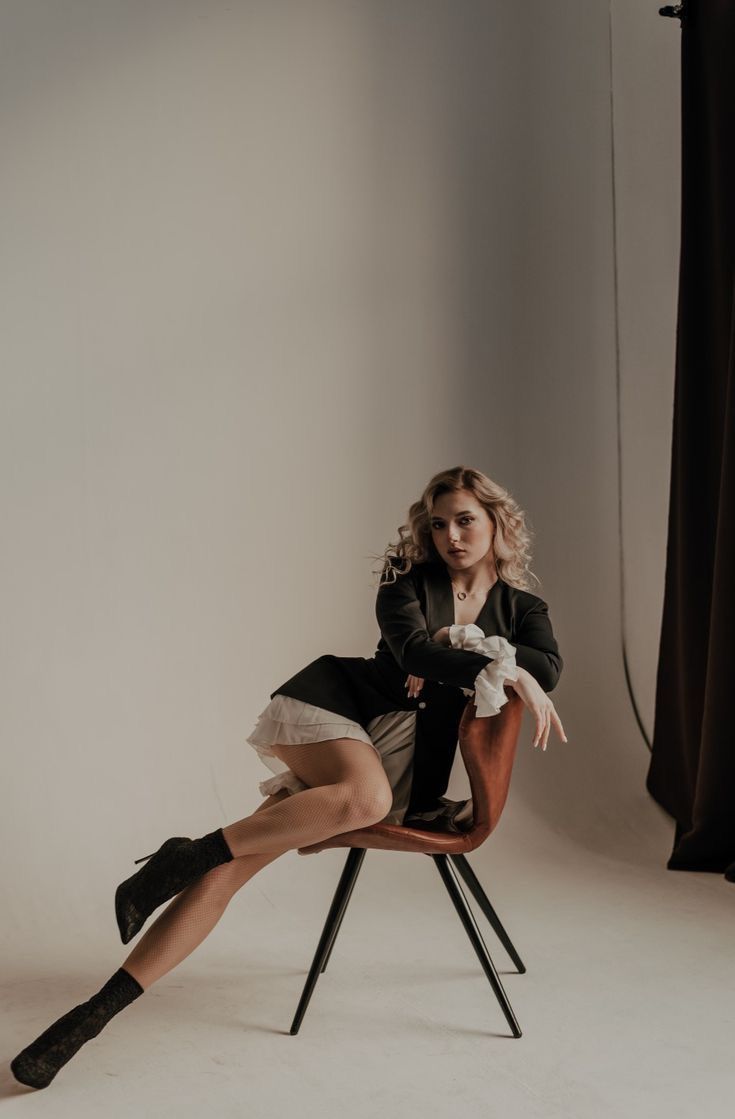
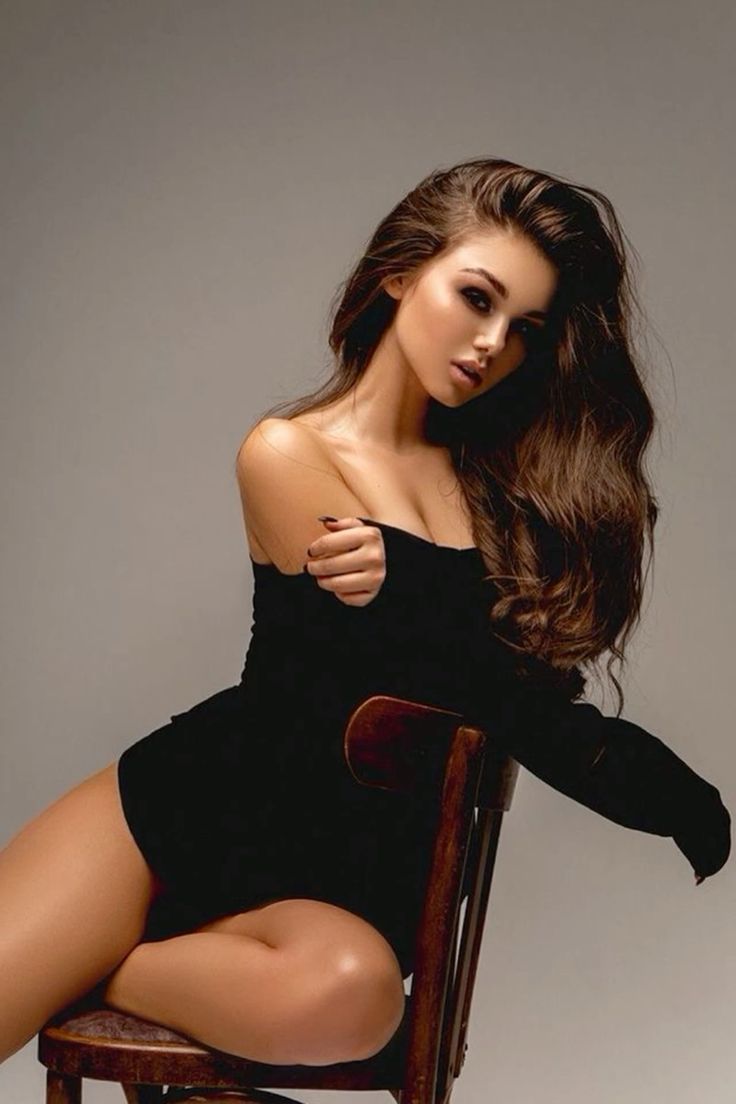
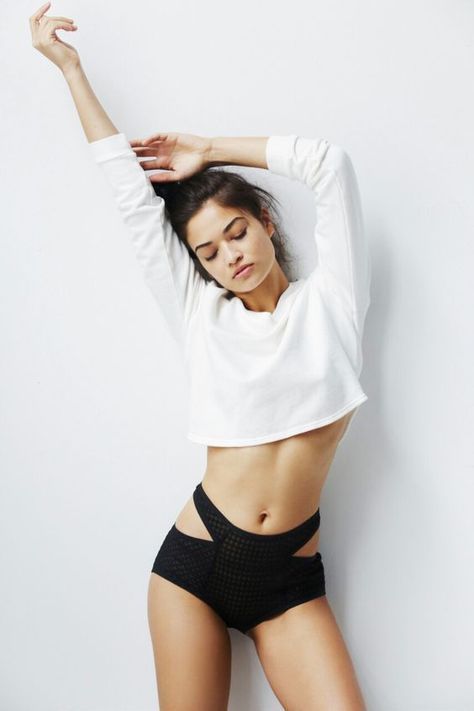
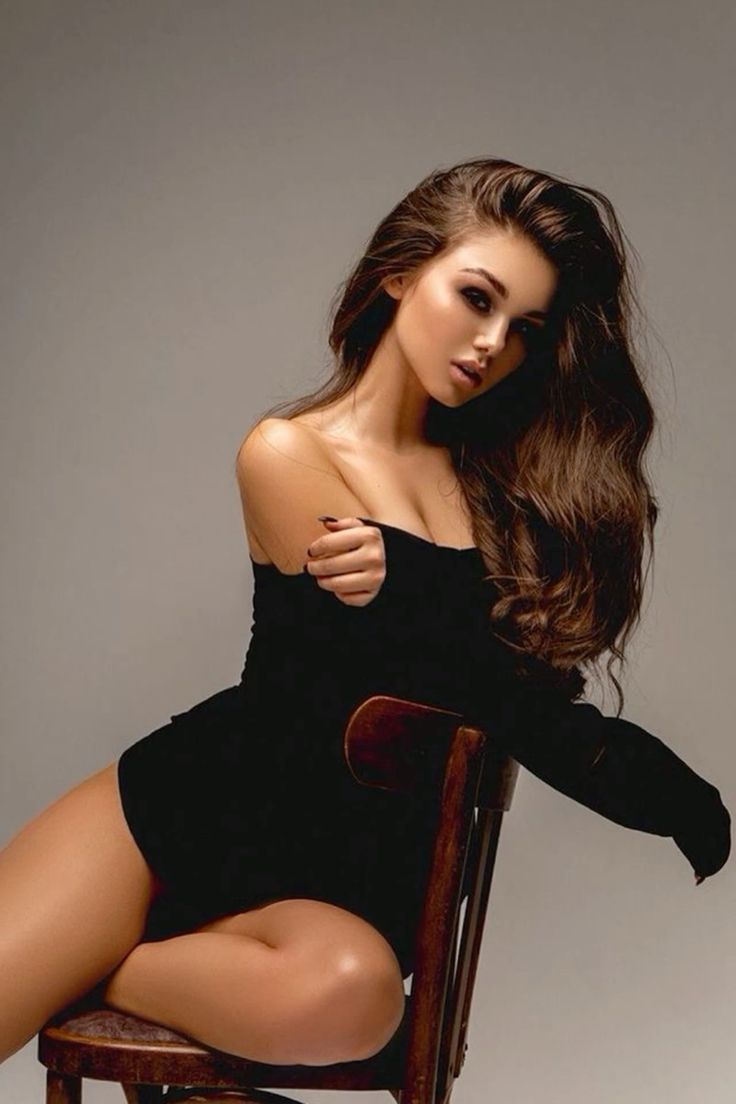
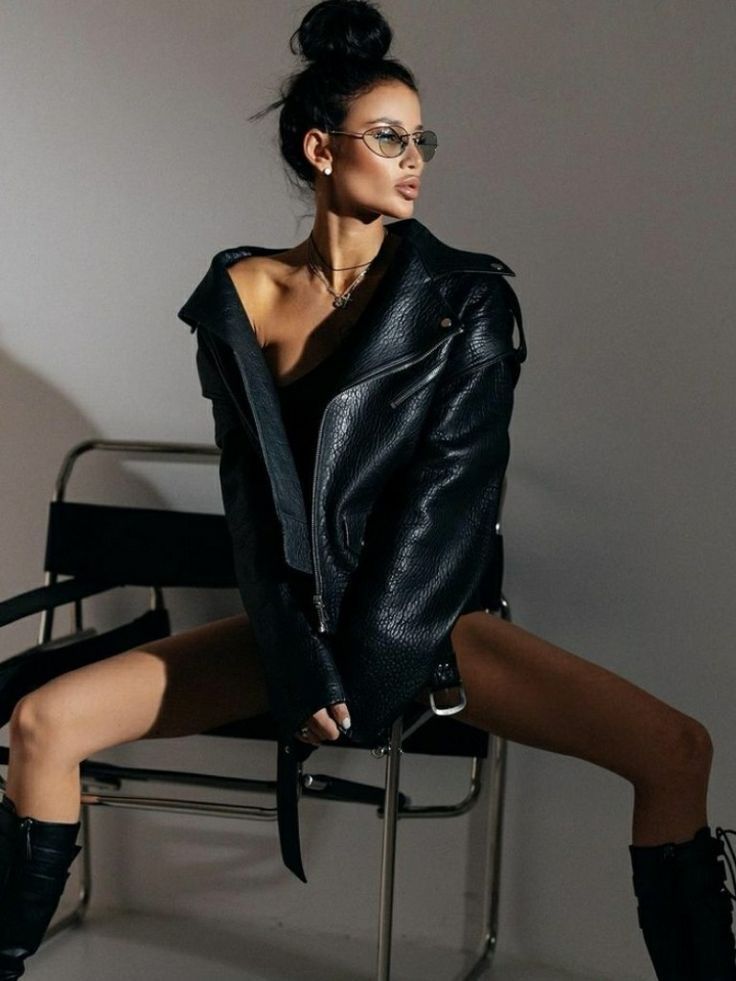
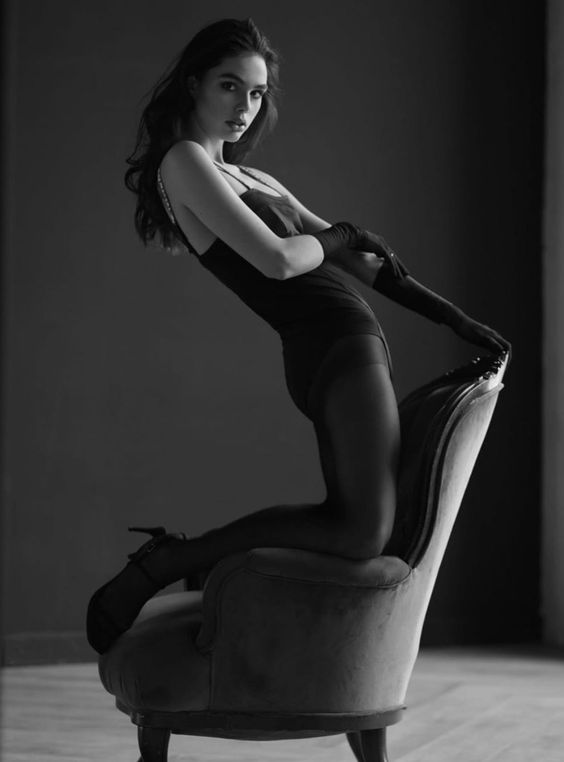
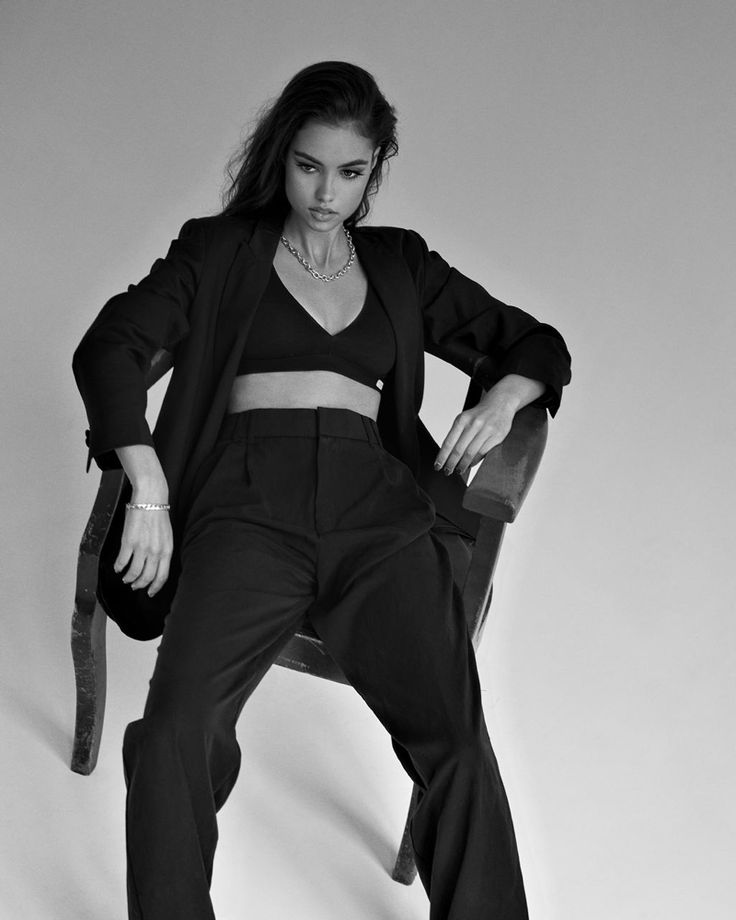
Posing plays a huge role in conveying confidence and versatility.
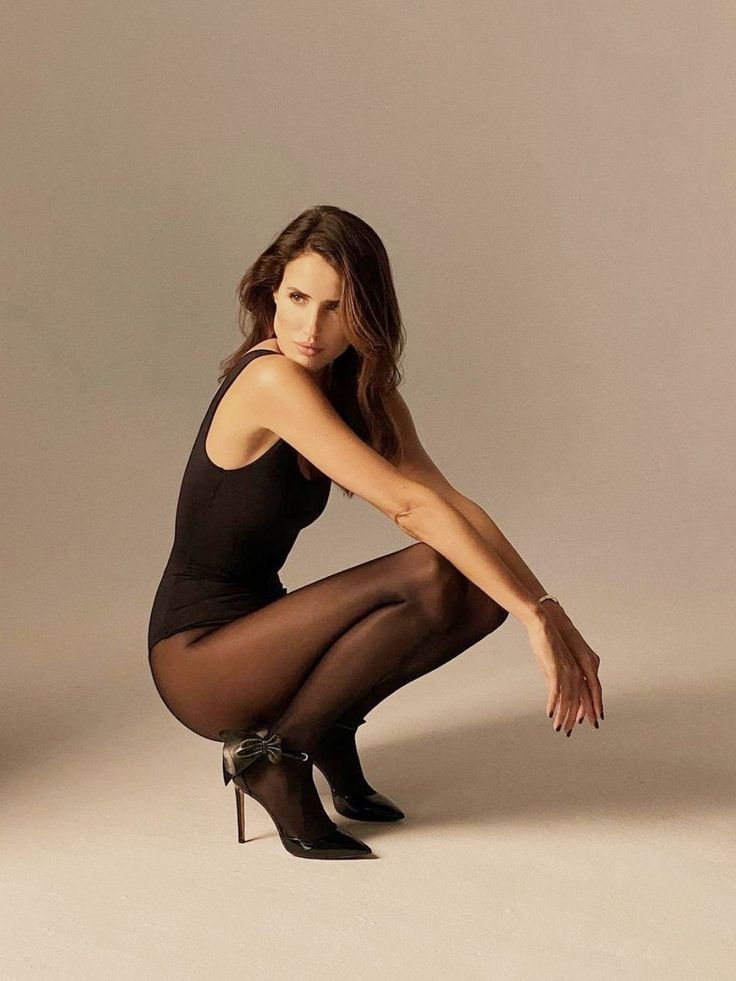
4.1 Posing Techniques for Models
- Maintain good posture to elongate your frame
- Experiment with angles to find your most flattering look
- Keep movements fluid and natural for an effortless feel
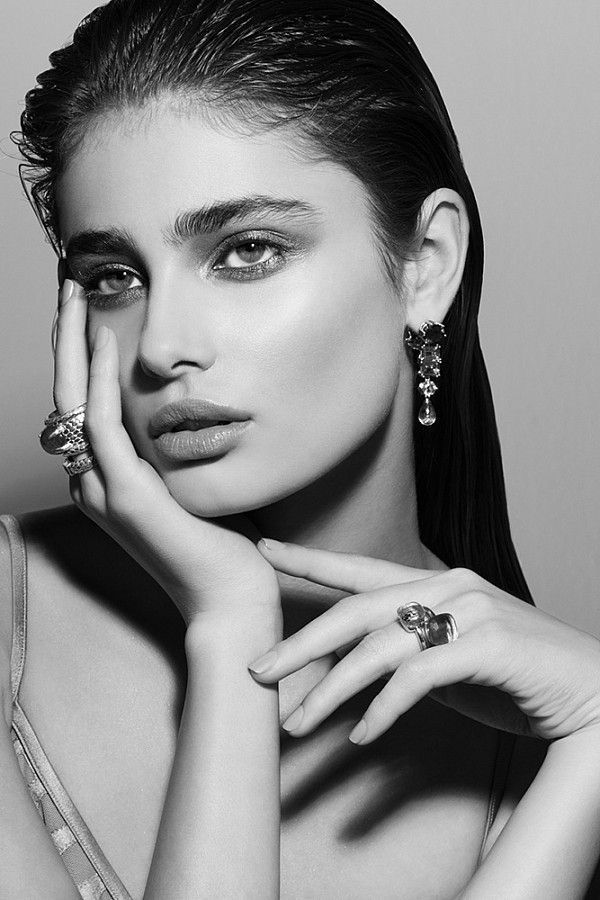
4.2 Expressing Emotion through Photos
- Practice soft smiles, fierce expressions, and natural laughter
- Work on eye contact with the camera to create connection
- Convey confidence through subtle body language
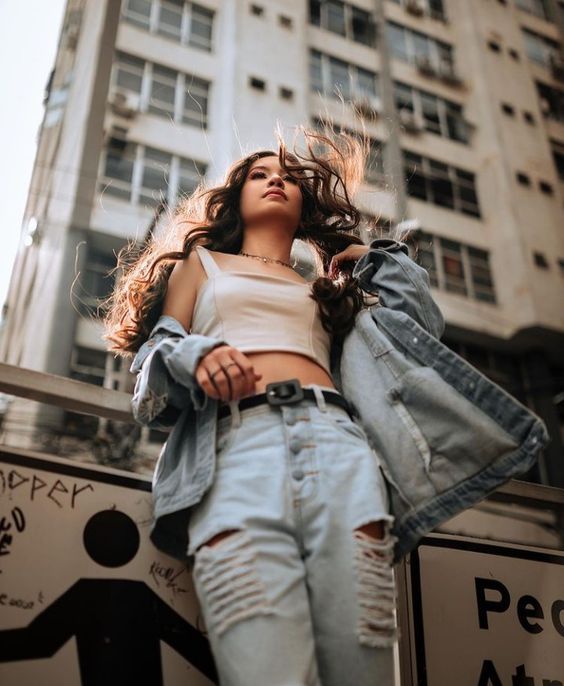
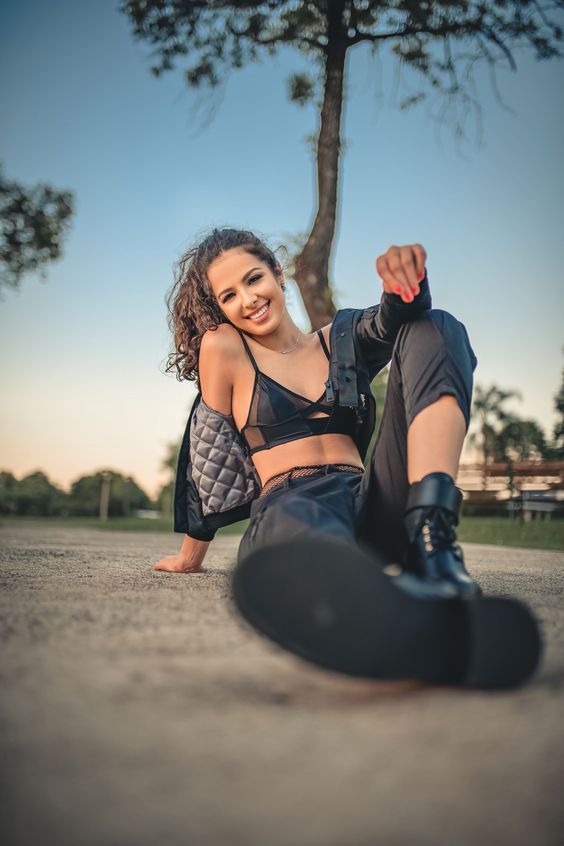
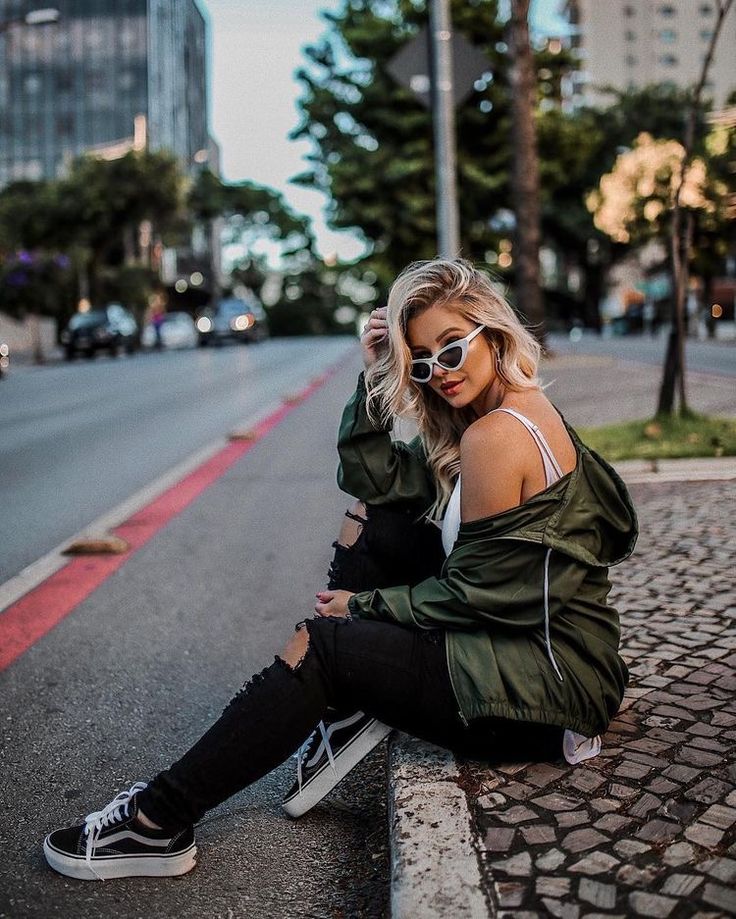
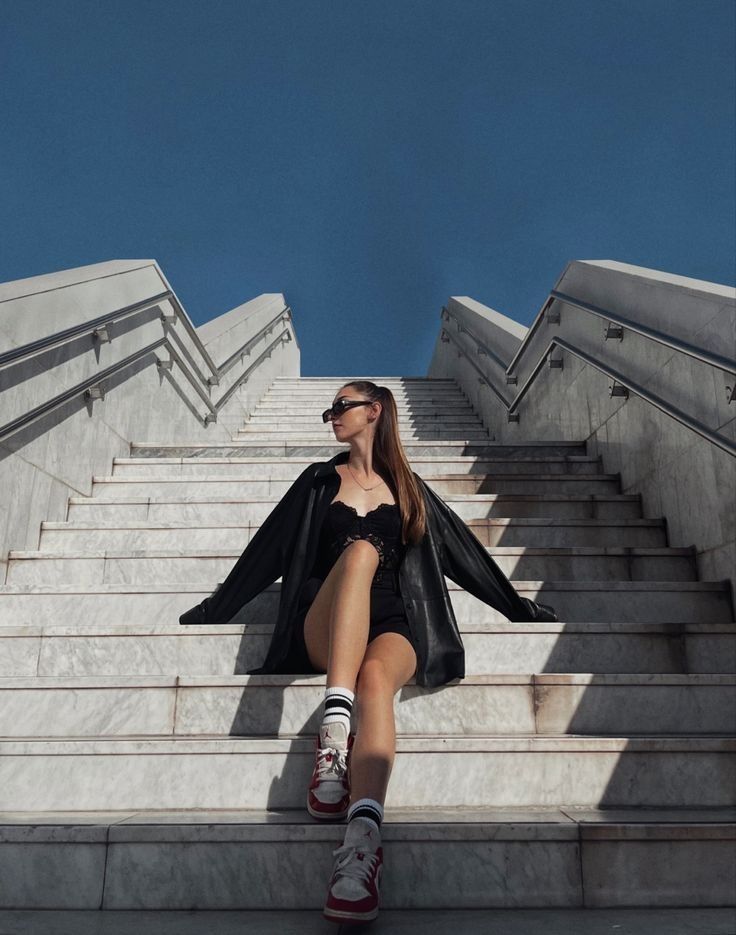



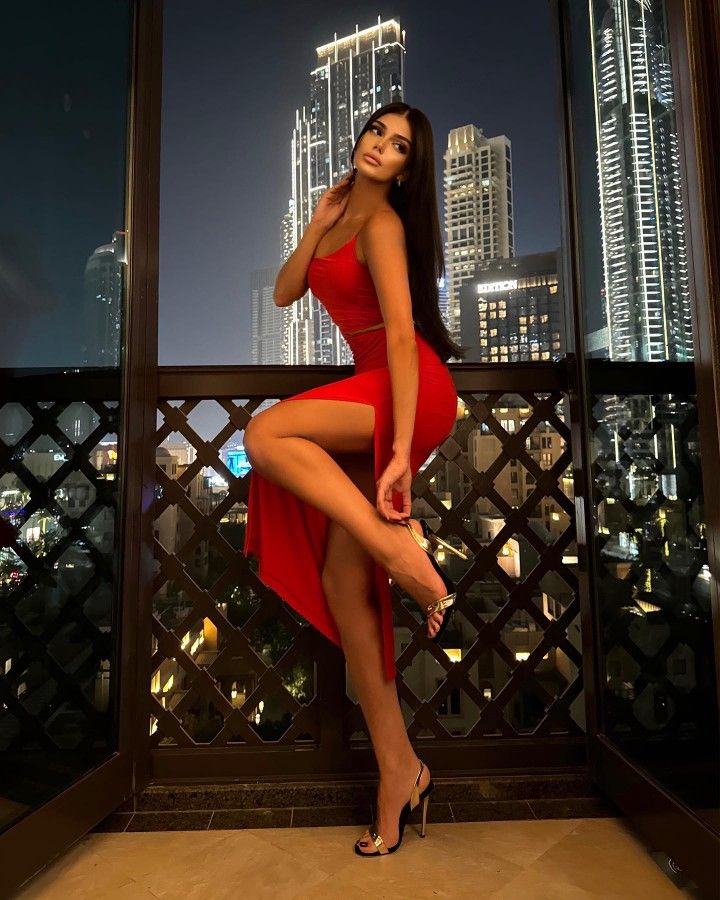


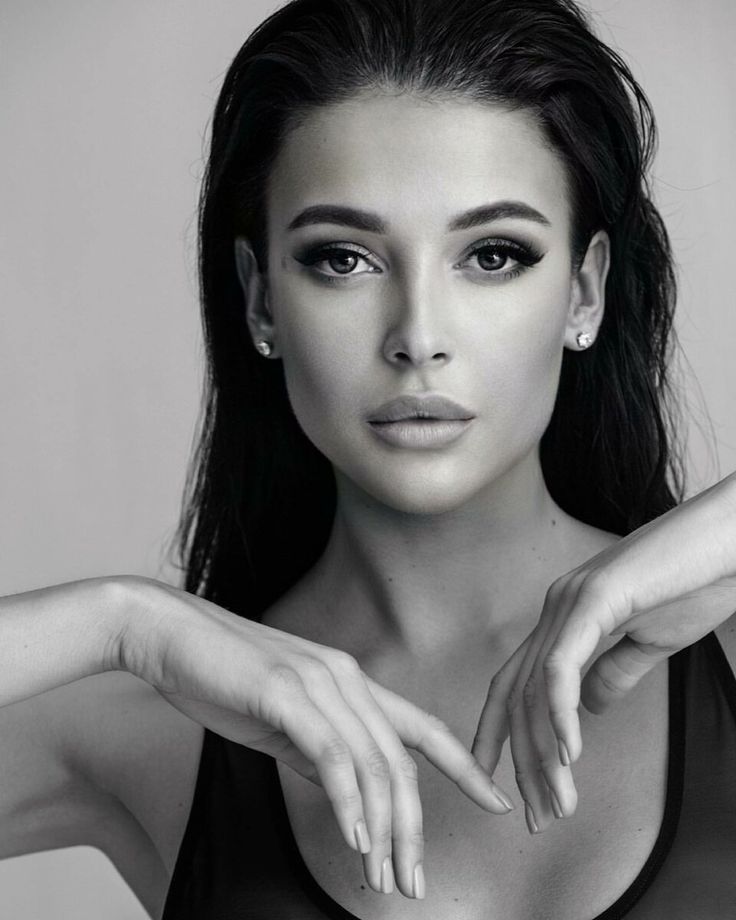
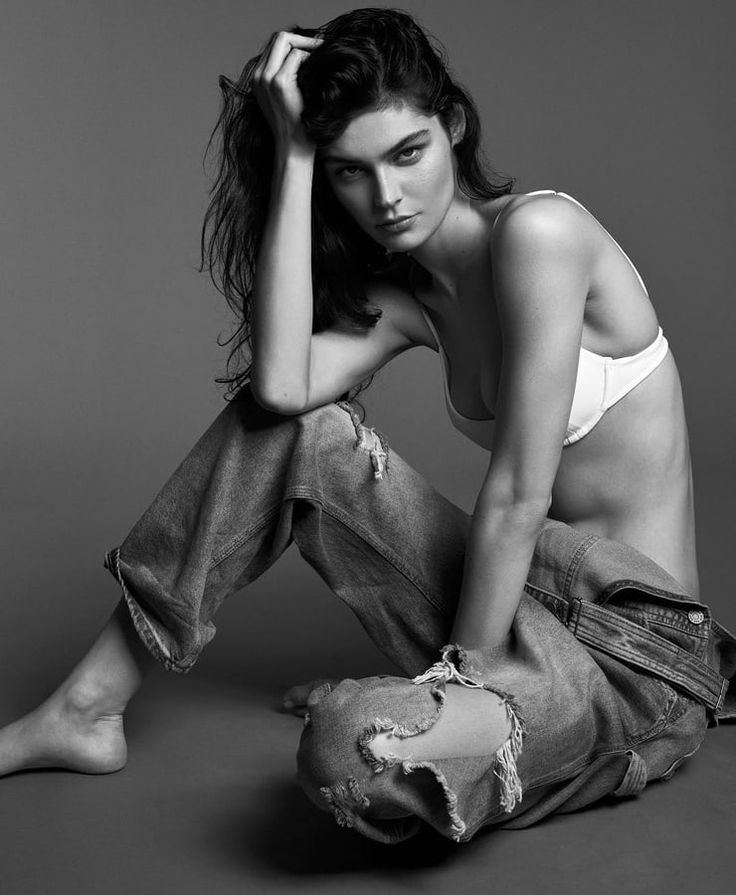
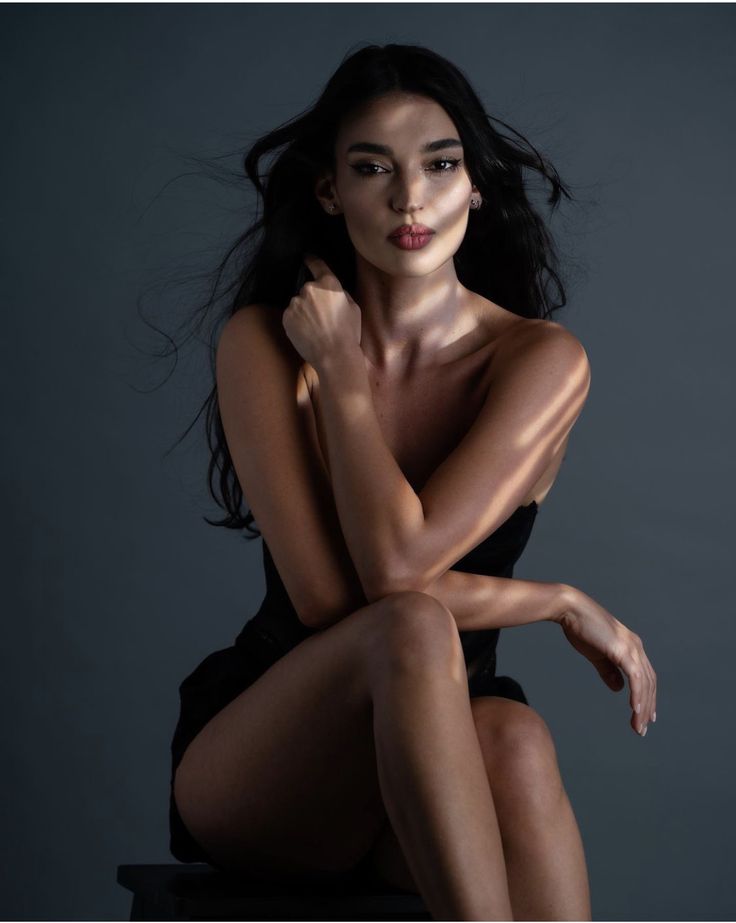
5. Essential Shots to Include in Your Portfolio
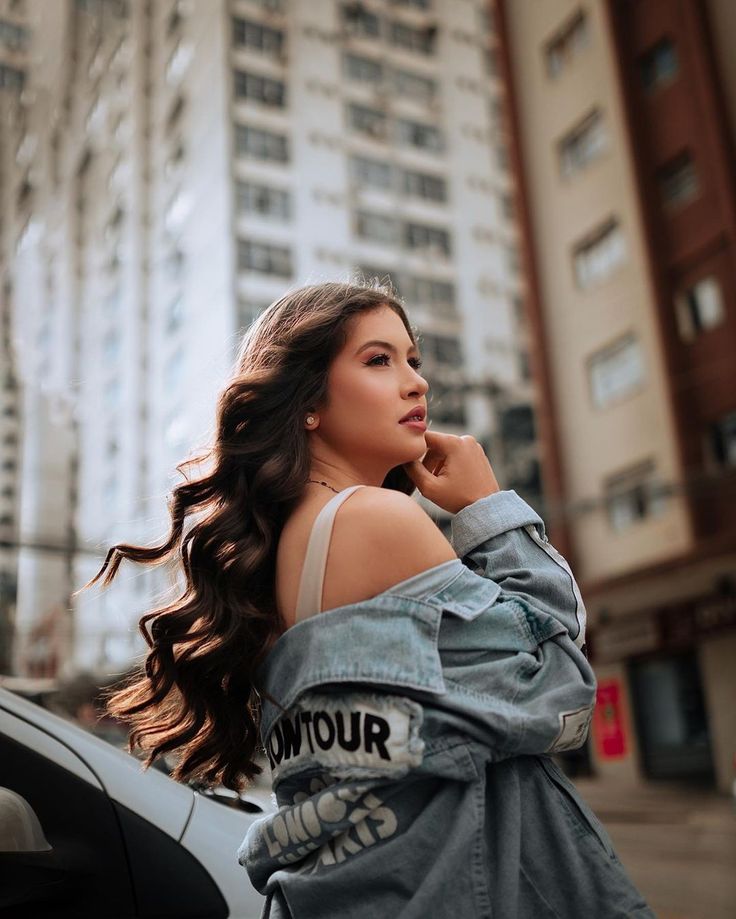
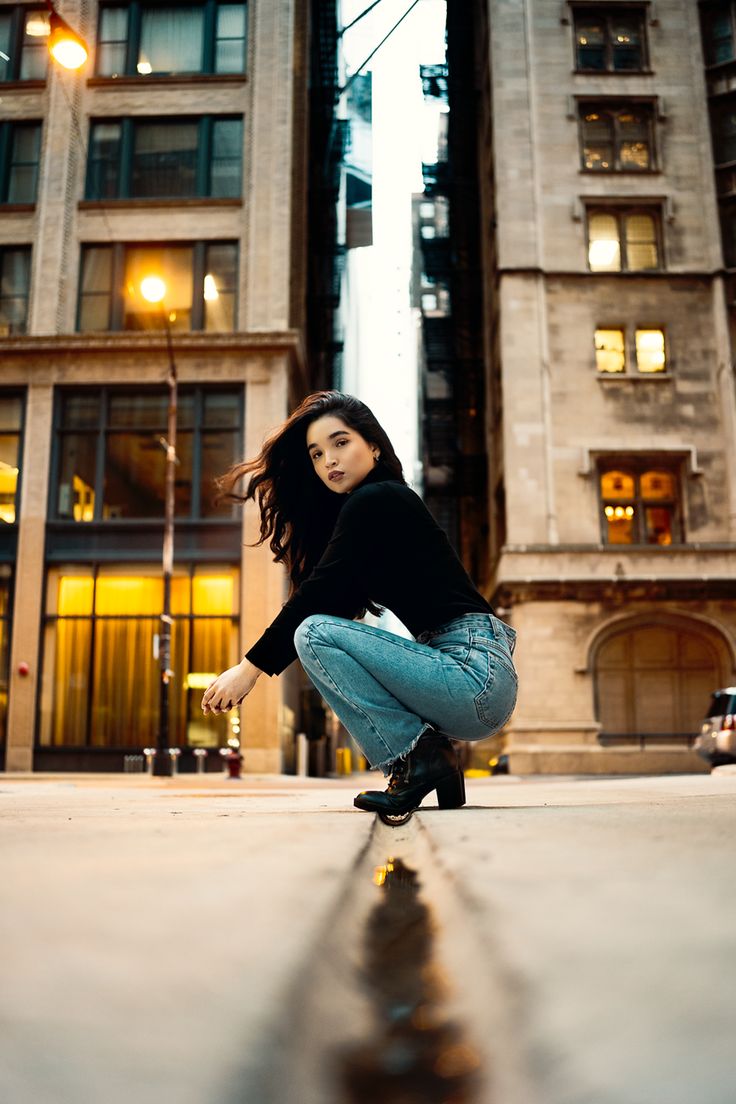
A well-rounded stunning model portfolio consists of diverse shots.
5.1 Headshots and Close-Ups
- Clean, makeup-free look to highlight natural beauty
- A strong expression that captures personality
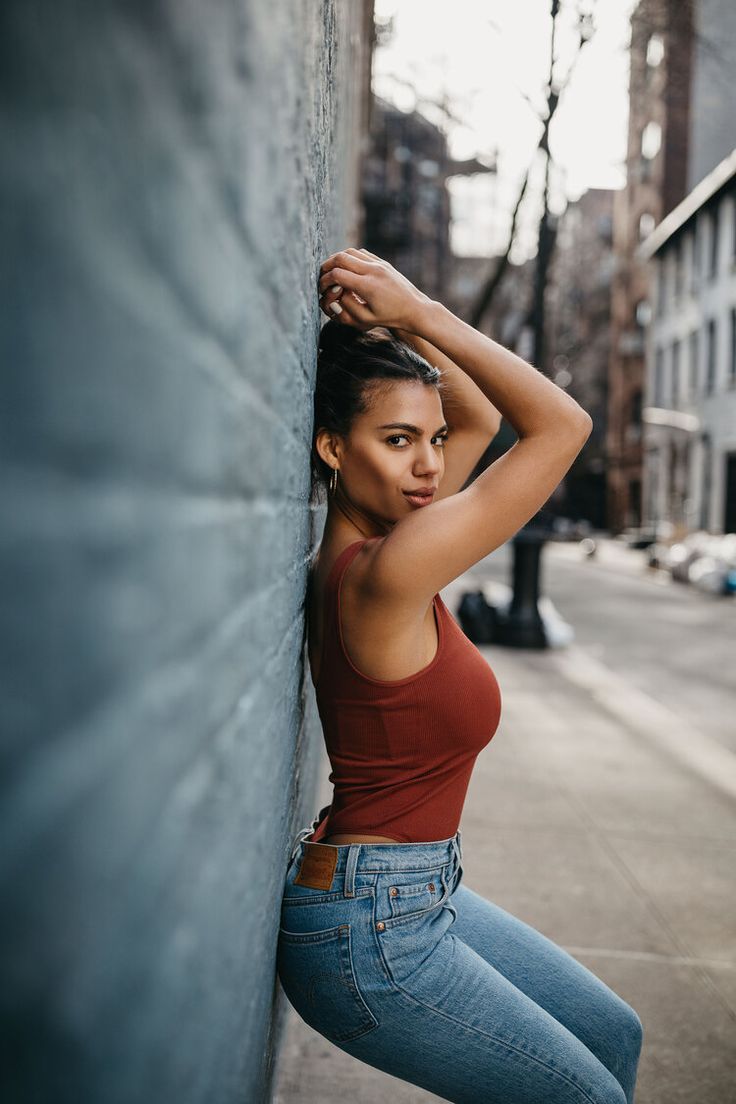
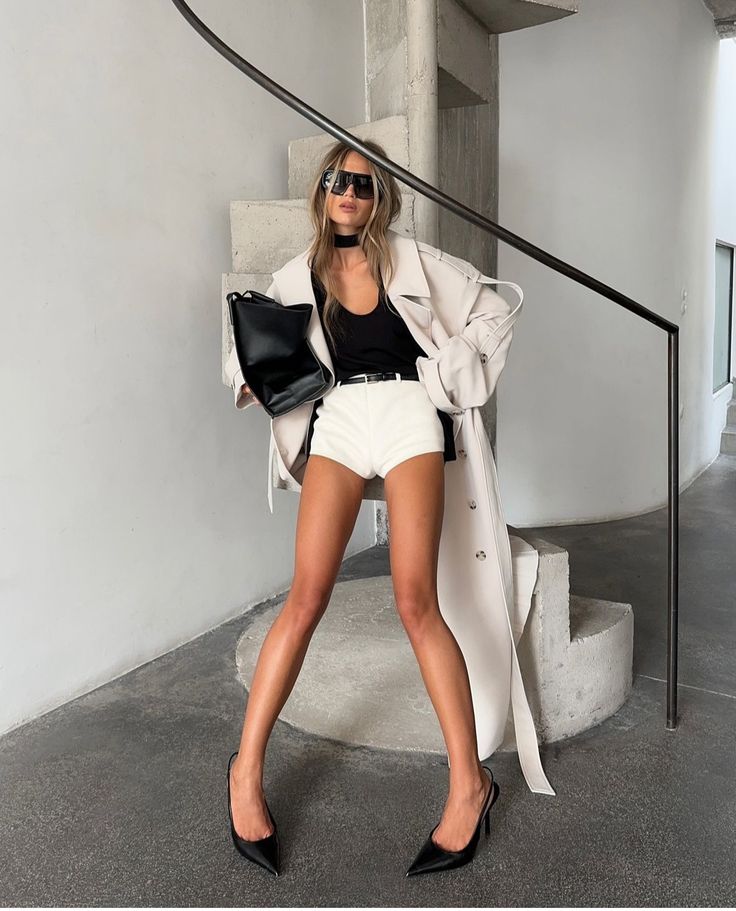
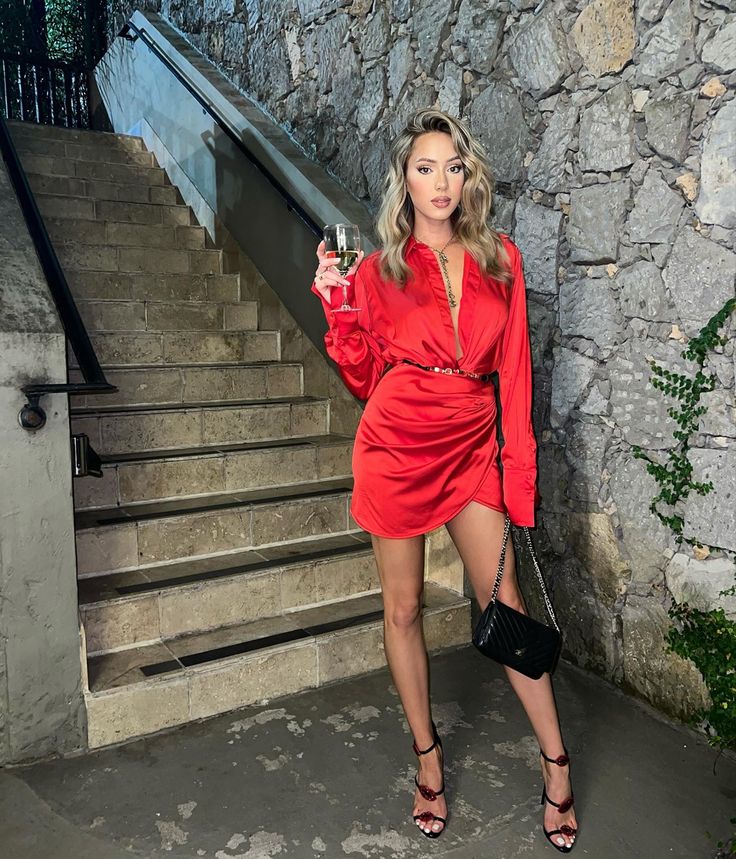
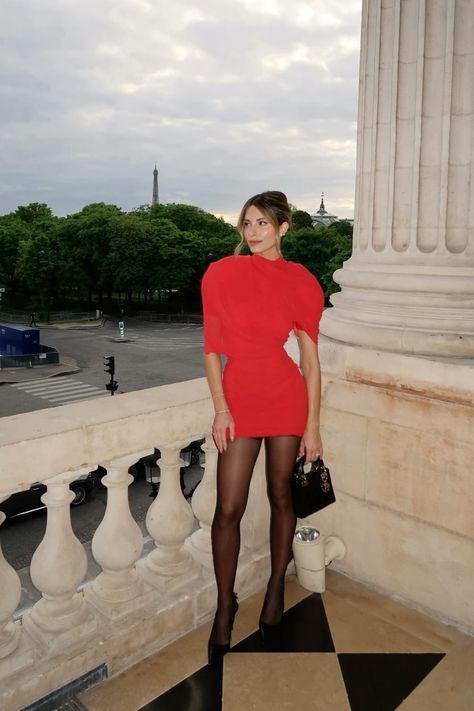
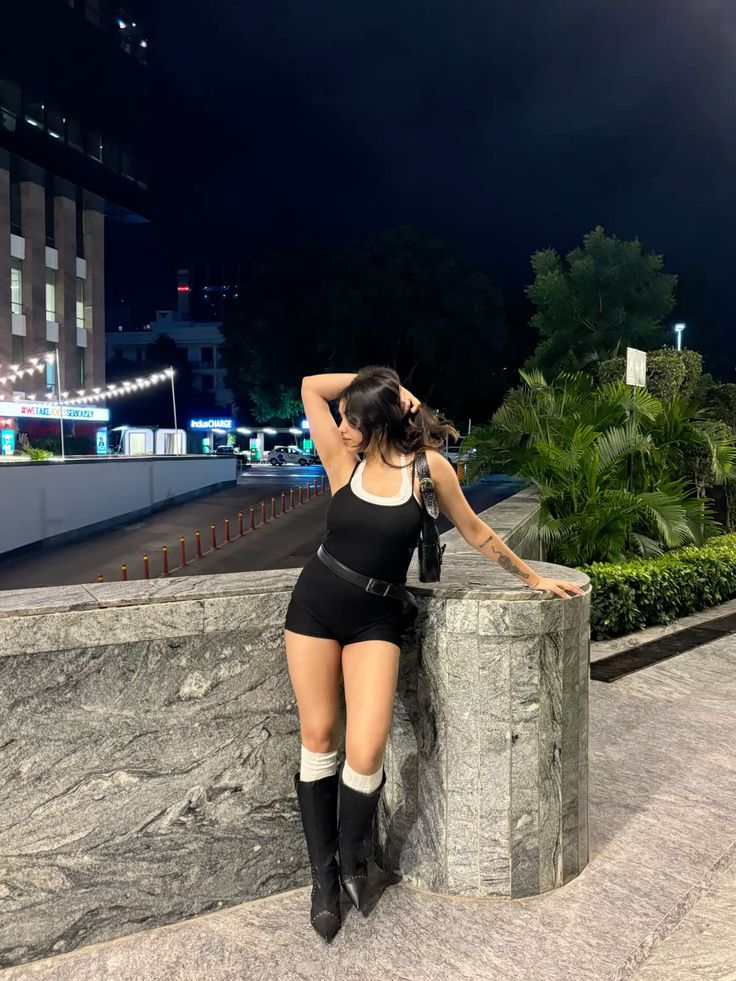
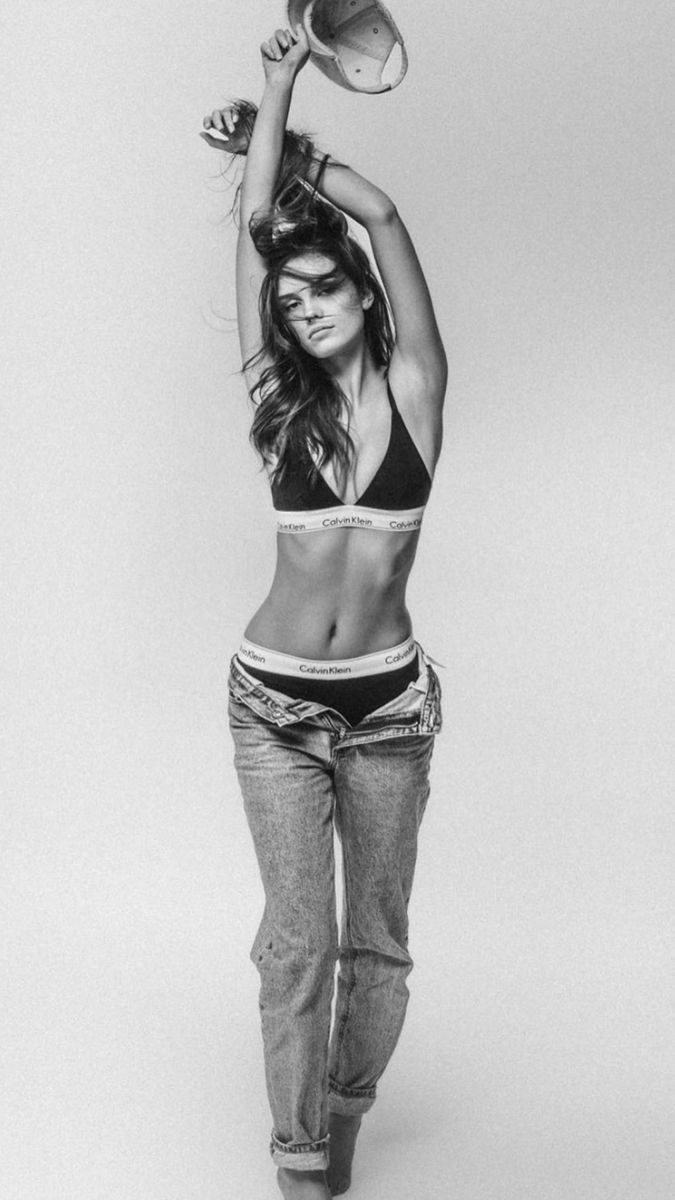
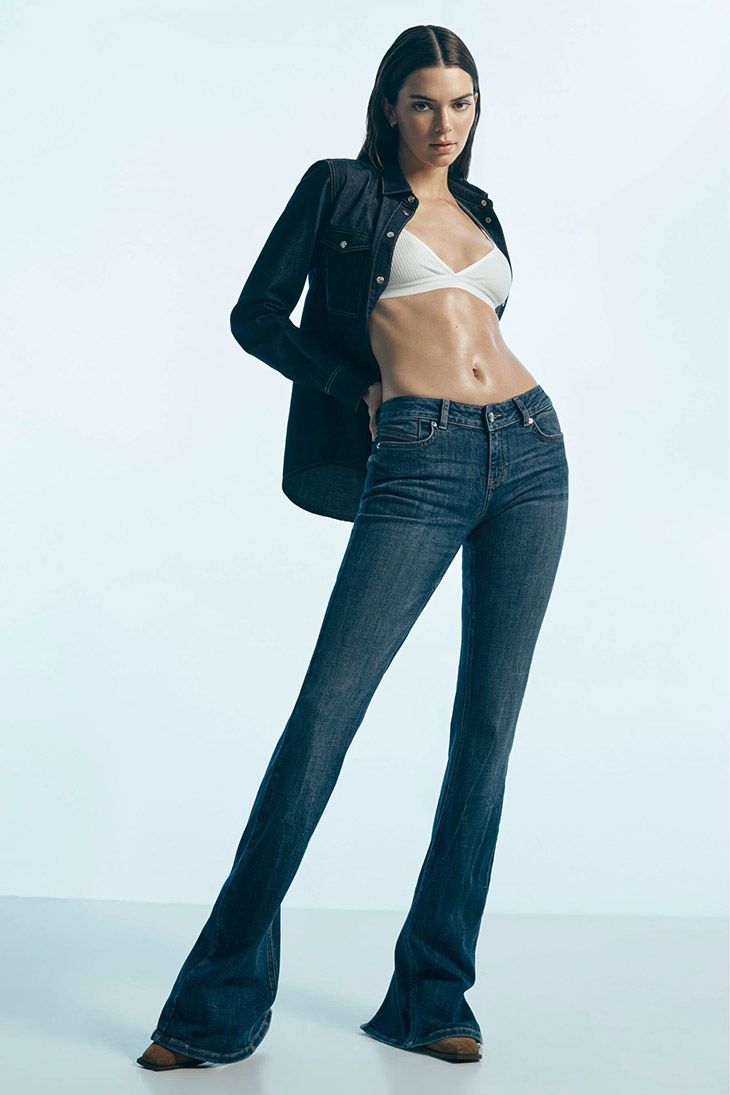
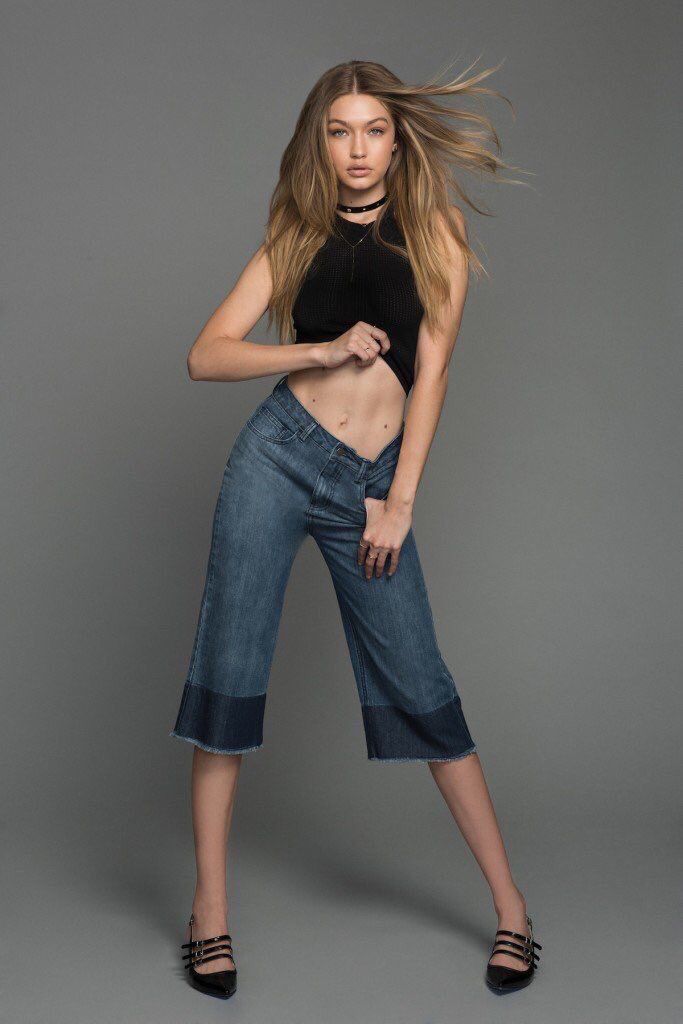
5.2 Full-Body Shots
- Showcasing posture, body proportions, and stance
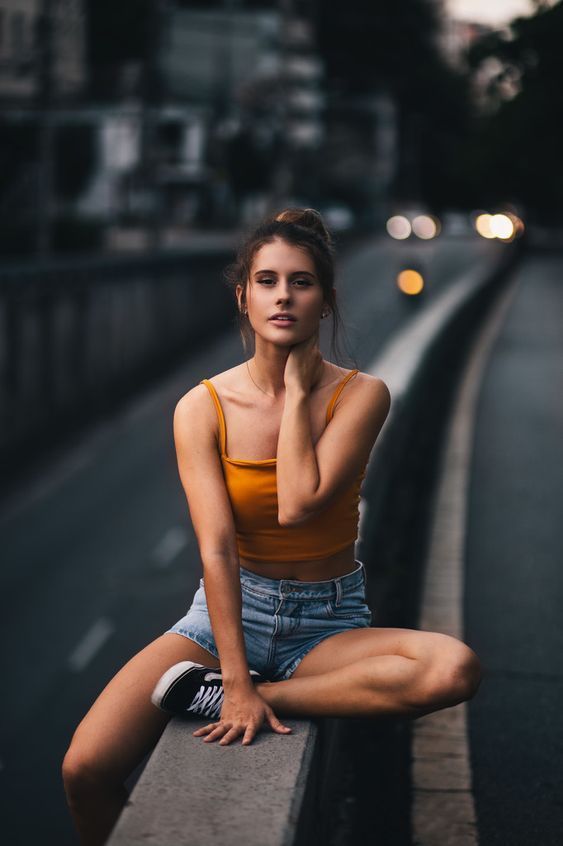
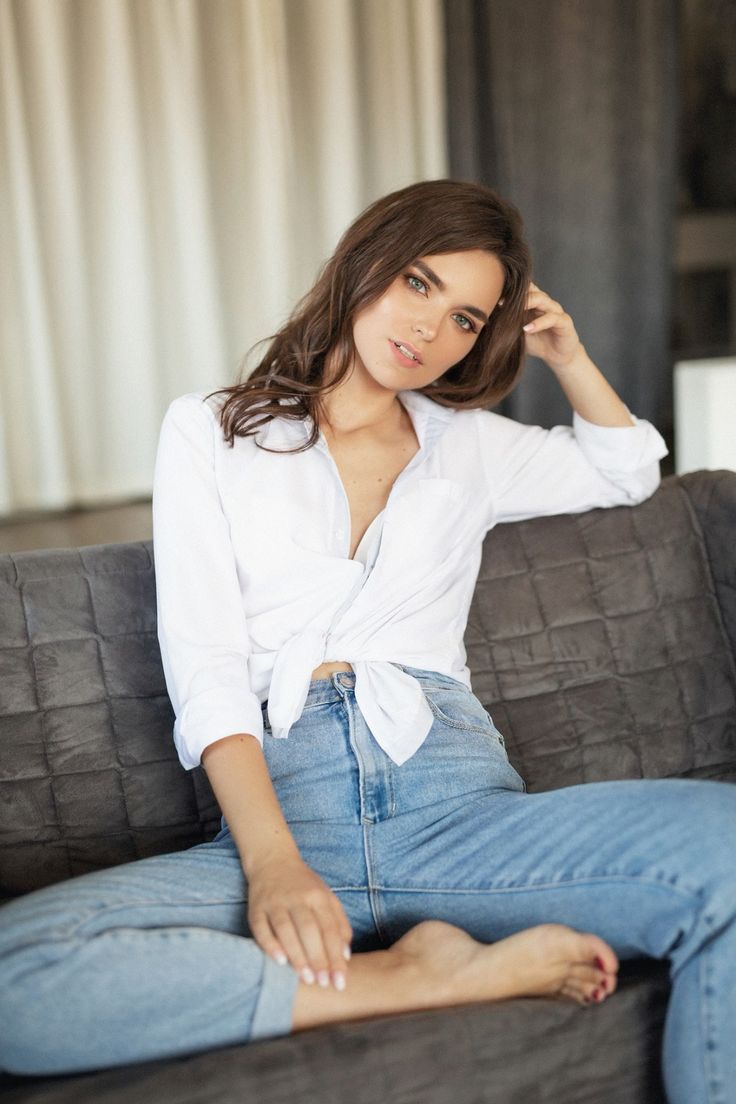
- Simple outfits like jeans and a tank top work best
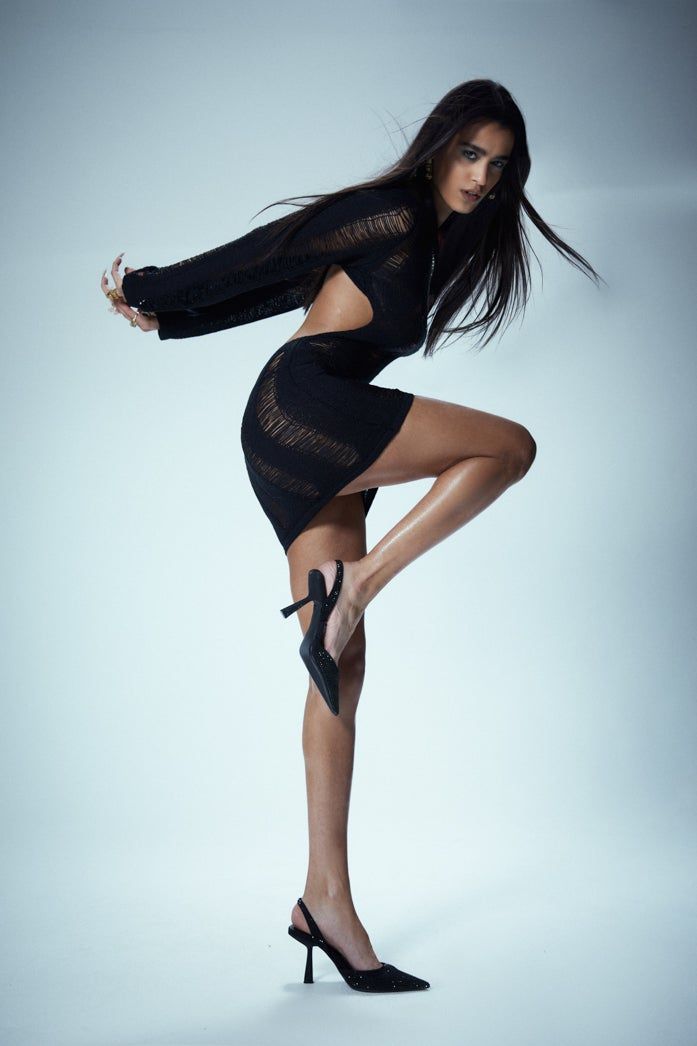
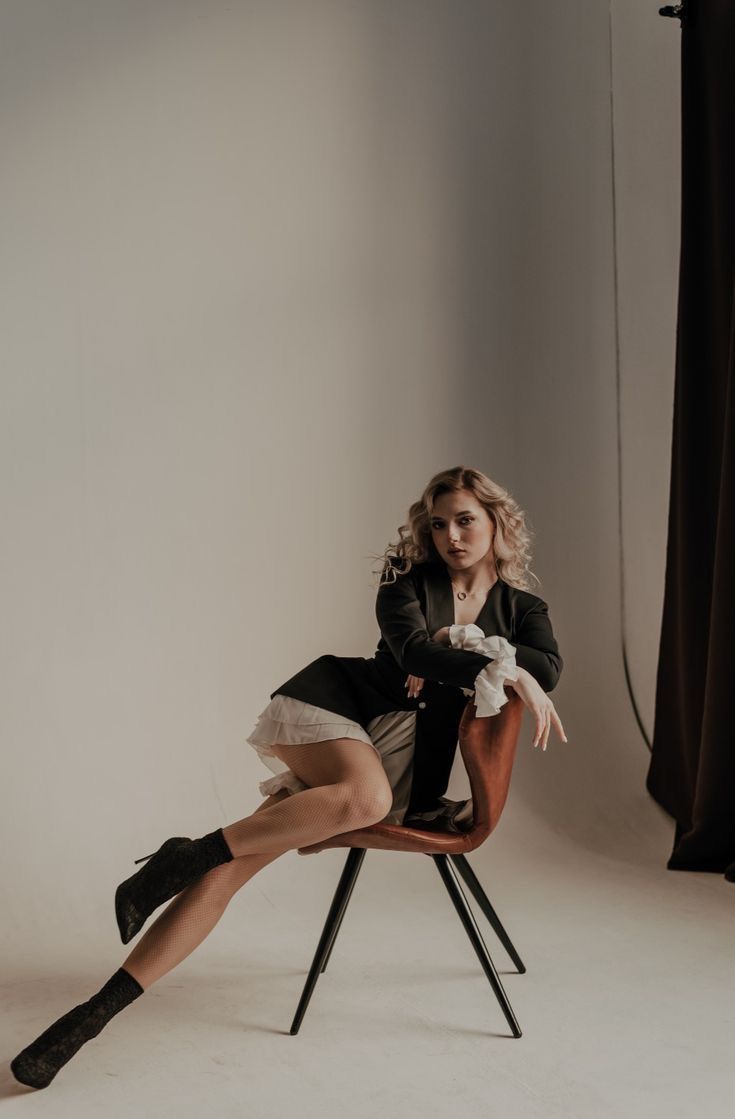
5.3 Editorial and Themed Shoots
- Incorporate high-fashion or lifestyle-themed shoots
- Experiment with props and dramatic styling
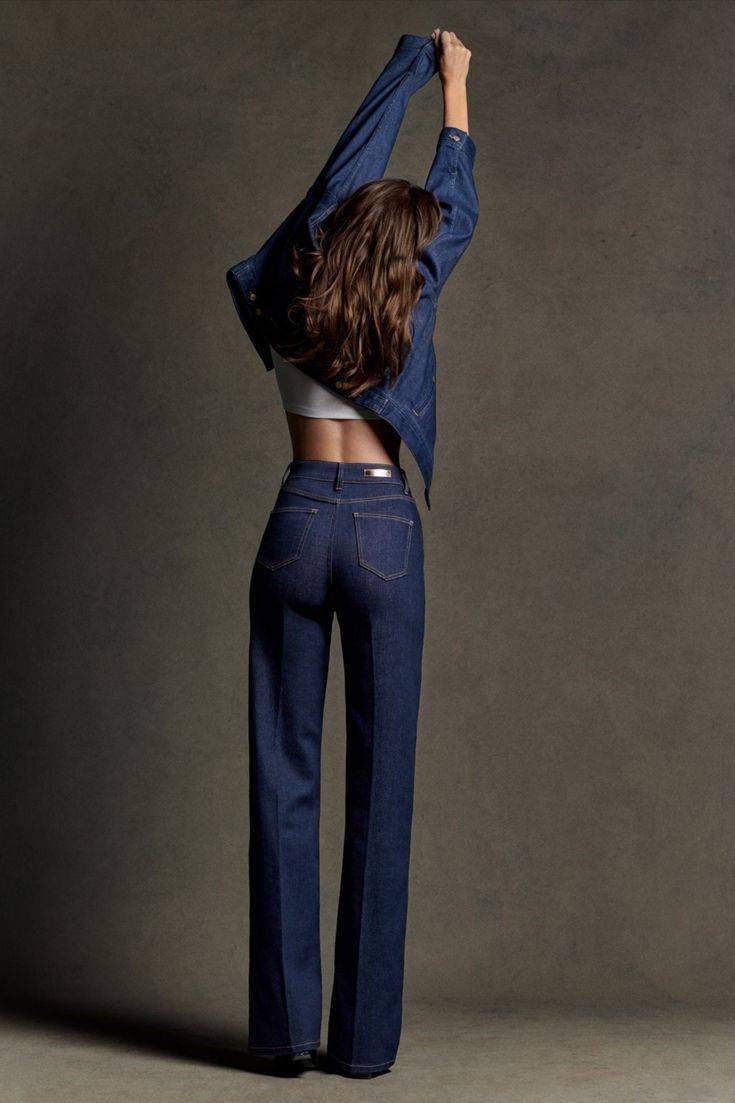
5.4 Action or Movement Shots
- Demonstrating agility, fluidity, and dynamic movement
6. Building a Strong Online and Print Portfolio
Once you’ve gathered your best images, it’s time to showcase them properly.
6.1 Creating a Digital Portfolio
- Build a professional website or online portfolio
- Use platforms like Instagram, Behance, or Model Mayhem
- Optimize images for fast loading and high quality
6.2 Designing a Print Portfolio
- Use high-quality prints in an organized portfolio book
- Include comp cards with your best shots and contact info
7. Networking and Submitting to Agencies
A portfolio is only effective if it reaches the right audience.
7.1 Approaching Modeling Agencies
- Research reputable modeling agencies in your niche
- Submit applications with digital headshots and full-body images
- Keep your submission email professional and concise
7.2 Collaborating with Photographers and Brands
- Connect with photographers for test shoots
- Work on small projects to expand your experience
- Use social media networking to engage with industry professionals
8. Maintaining and Updating Your Portfolio
A model portfolio is an evolving representation of your career.
8.1 Keeping Your Portfolio Up to Date
- Refresh your portfolio every 6-12 months
- Add new and relevant images that align with industry trends
- Remove outdated or weak photos to maintain quality over quantity
8.2 Showcasing Growth and Versatility
- Experiment with new looks, styles, and expressions
- Work with different photographers to expand diversity
Conclusion
Building a stunning model portfolio requires careful planning, high-quality images, and strategic networking. Whether you’re just starting or refining your portfolio, ensure it reflects versatility, professionalism, and confidence.
A well-crafted portfolio opens doors to exciting opportunities, helping you land modeling gigs, brand collaborations, and agency representation. Follow these steps to build a high-impact portfolio that sets you apart in the modeling world.
About The Candid Shoot
The Candid Shoot is an independent photography resource dedicated to helping photographers, creators, couples, models, brands, and photography enthusiasts make better decisions and create better images.
Our content covers practical photography techniques, camera and equipment guidance, posing ideas, portrait and fashion photography, product photography, AI photography tools, and photography workflows.
We focus on practical, experience-informed guidance rather than simply repeating generic information found across the web. Our goal is to make photography easier to understand, easier to apply, and more useful in real-world situations.
Why Trust The Candid Shoot?
We build our articles around a simple editorial principle: useful information first, clear explanations second, and unnecessary hype last.
Our articles are developed with attention to:
- Practical photography use cases and real-world shooting situations
- Camera, lens, software, and photography workflow considerations
- Clear explanations for beginners while retaining useful information for experienced creators
- Current tools, techniques, and photography trends where relevant
- Comparisons of advantages, limitations, features, and practical applications
- Original editorial organization instead of simply rewriting existing articles
- Internal linking to related photography resources so readers can explore a topic in depth
Our objective is not to recommend something simply because it is popular. We aim to explain when a technique, tool, workflow, or approach makes sense — and when it may not.
Our Editorial Process
Every article published on The Candid Shoot follows a structured editorial process designed to improve accuracy, usefulness, and clarity.
Research: We review relevant photography concepts, tools, techniques, product information, and established industry resources before developing an article.
Practical Evaluation: Information is considered from the perspective of actual photography use cases, including shooting conditions, workflow, composition, posing, editing, equipment selection, and creator needs.
Editorial Development: We organize information into clear sections, practical explanations, examples, recommendations, and actionable takeaways.
Fact Checking: Technical claims, specifications, terminology, and important factual information are checked against reliable sources where appropriate.
Reader-First Review: We evaluate whether the article actually answers the search intent, whether the recommendations are understandable, and whether the content provides useful next steps.
Ongoing Updates: Articles may be reviewed and updated when photography technology, software, equipment, techniques, or industry practices change.
Our Editorial Standards
The Candid Shoot aims to keep its editorial content:
Accurate: We work to verify important technical and factual information.
Useful: Information should help the reader solve a real photography problem or make a better decision.
Transparent: We distinguish educational guidance, editorial opinions, comparisons, and factual information.
Practical: Wherever possible, we focus on how photography concepts can actually be applied.
Independent: Articles are created to serve readers first rather than simply promote a product, technique, or trend.
Sources & Photography Resources
We believe readers should be able to continue their research. Depending on the topic, our articles may reference or recommend authoritative photography and technology resources.
Useful external resources may include:
- Adobe Photography
- Adobe Lightroom
- Nikon Learn & Explore
- Canon Learning
- Sony Alpha Universe
- Google Search Central
- Google AI
- OpenAI
External links are included where they provide additional context, technical information, official documentation, or useful learning resources.
Explore More From The Candid Shoot
Continue learning through our photography resources:
Photography Tutorials:
https://thecandidshoot.com/category/photography-tutorials/
Couple Photography:
https://thecandidshoot.com/category/couple-photography/
Camera & Equipment:
https://thecandidshoot.com/category/camera-equipment/
Portrait & Fashion Photography:
https://thecandidshoot.com/category/portrait-fashion-photography/
Product Photography:
https://thecandidshoot.com/category/product-photography/
AI Photography:
https://thecandidshoot.com/category/ai-photography/
Photography Guides & Resources:
https://thecandidshoot.com/
Reader Feedback & Reviews
The Candid Shoot values feedback from photographers, creators, and readers who use our guides in their own work.
Reader questions and feedback help us identify confusing topics, missing information, outdated recommendations, and areas where an article can become more useful.
We continually use this feedback to improve the quality, clarity, and practical value of our photography resources.
Editorial Note
Photography is highly dependent on the subject, lighting conditions, equipment, creative goals, budget, and shooting environment. Recommendations that work for one photographer may not be ideal for another.
For that reason, The Candid Shoot focuses on explaining the reasoning behind a recommendation instead of presenting every technique, product, or workflow as universally suitable.
Last reviewed: [August, 2026]
Editorial team: The Candid Shoot Editorial Team





Leave a Reply