
This guide will explore various ways to add creativity to your portfolio shoots, focusing on practical tips, imaginative ideas, and expert techniques. Whether you’re a model, photographer, or stylist, these insights will elevate your portfolio to the next level.
Table of Contents
Creative Portfolio shoots are essential for models, photographers, and creatives looking to showcase their skills, versatility, and unique artistic flair. However, a portfolio filled with generic shots can often fail to capture attention. By infusing creativity into your portfolio shoots, you not only stand out but also demonstrate your ability to adapt and innovate—qualities that clients and agencies deeply value.

1. Conceptualize a Strong Theme
Why It Matters
A well-defined theme gives your shoot direction and ensures consistency in your portfolio.
How to Incorporate Creativity
- Unique Storytelling: Develop a narrative that resonates with your personality or brand.
- Uncommon Themes: Explore unconventional ideas, such as futuristic fashion, surreal dreamscapes, or historical eras with a modern twist.
- Cultural Inspiration: Draw from global traditions, festivals, or folklore to add depth and uniqueness.
2. Experiment with Lighting Techniques
Why It Matters
Lighting creates mood, highlights features, and adds dimension to your shots.
How to Incorporate Creativity
- Play with Shadows: Use blinds, grids, or leaves to create artistic shadow patterns.
- Colored Lighting: Experiment with gels or LED lights to introduce vibrant hues.
- Backlighting: Create silhouettes or dramatic effects by placing the light source behind the subject.
- Low-Key and High-Key Lighting: Explore extremes to craft moody or bright, minimalist visuals.
3. Incorporate Props Strategically
Why It Matters
Props add an extra layer of interest and storytelling to your shots.
How to Incorporate Creativity
- Everyday Objects: Use items like umbrellas, mirrors, or vintage telephones to add a quirky touch.
- Dynamic Props: Consider objects in motion, like flowing fabric, smoke bombs, or bubbles.
- Minimalist Approach: Use a single statement prop to create a bold visual impact.
4. Explore Diverse Locations
Why It Matters
The setting of a photoshoot can drastically alter the mood and aesthetic of your images.
How to Incorporate Creativity
- Nature: Seek out lesser-known natural spots like caves, lavender fields, or cliffs.
- Urban Landscapes: Use graffiti walls, neon-lit streets, or rooftop views.
- Unique Indoor Spaces: Rent unusual locations like art studios, vintage libraries, or industrial warehouses.
- DIY Sets: Create imaginative backdrops at home using fabrics, furniture, and lighting.
5. Master the Art of Posing
Why It Matters
Dynamic and creative poses showcase versatility and confidence, making your portfolio more compelling.
How to Incorporate Creativity
- Movement-Based Poses: Experiment with jumping, twirling, or leaning for a lively feel.
- Candid Shots: Capture natural, unposed moments that feel authentic.
- Asymmetry: Break the rules of symmetry to create visually intriguing compositions.
- Expression Variations: Use facial expressions to convey different emotions and moods.


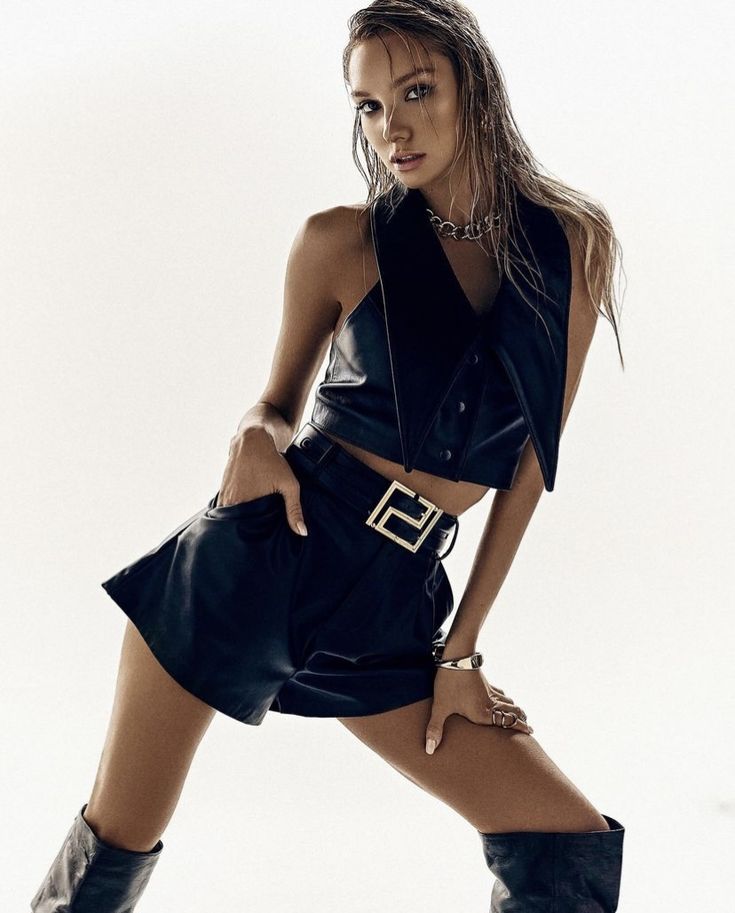

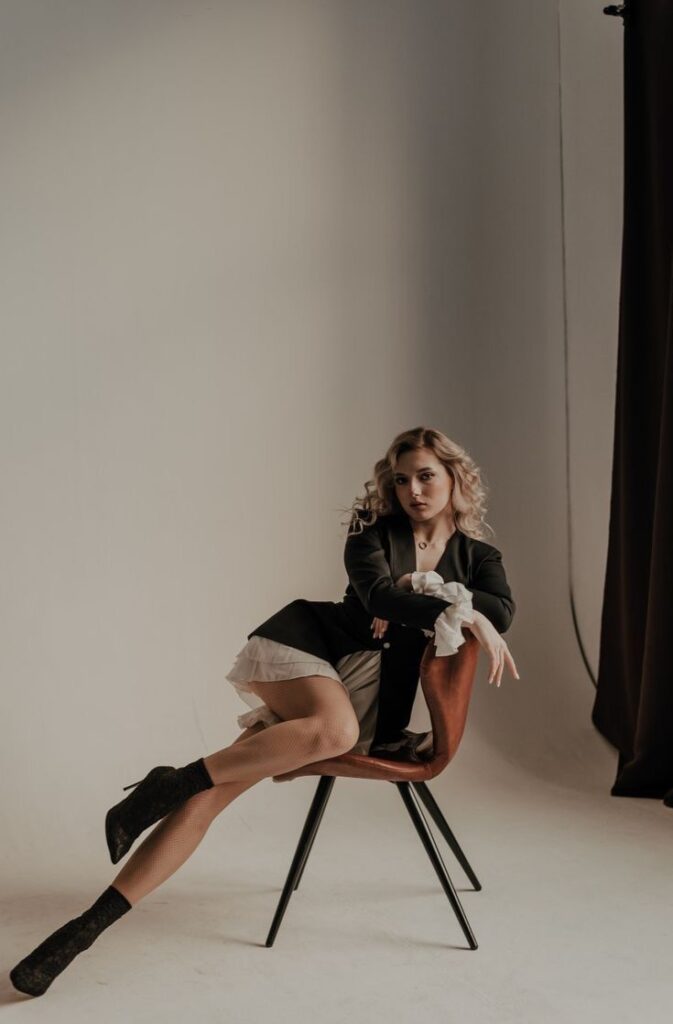
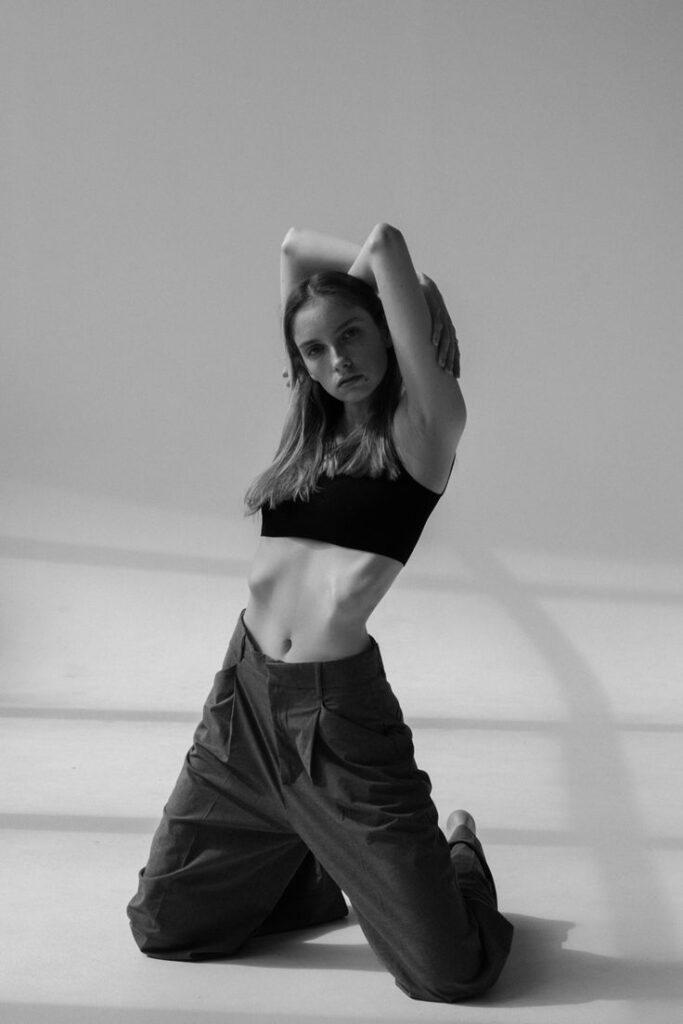
6. Use Creative Wardrobe Styling
Why It Matters
Fashion is a critical element in defining the tone and character of your shots.
How to Incorporate Creativity
- Mix Textures and Patterns: Combine unlikely materials for an avant-garde look.
- Thematic Costumes: Dress to fit the theme, such as boho, retro, or gothic.
- Layering: Add depth to outfits through creative layering of fabrics and accessories.
- DIY Fashion: Create unique pieces from everyday items, like newspaper dresses or denim patchwork.
7. Play with Perspective and Angles
Why It Matters
Unusual perspectives grab attention and make your portfolio memorable.
How to Incorporate Creativity
- Low Angles: Shoot upward for a sense of dominance or grandeur.
- High Angles: Capture a bird’s-eye view for a fresh perspective.
- Reflections: Use mirrors, water, or glass to add layers to your shots.
- Close-Ups and Macro Shots: Highlight intricate details, like eyes, hands, or fabric textures.
8. Introduce Motion and Energy
Why It Matters
Movement adds dynamism and vitality to your images, making them more engaging.
How to Incorporate Creativity
- Hair and Fabric in Motion: Use fans or natural wind for dramatic effects.
- Action Shots: Capture moments like running, dancing, or splashing water.
- Blur Effects: Use slow shutter speeds to create artistic blurs.
- Freeze Frames: Capture fast-paced moments with precision.
9. Enhance Images with Post-Processing
Why It Matters
Editing allows you to refine and elevate your photos while adding unique touches.
How to Incorporate Creativity
- Color Grading: Experiment with cinematic tones, vintage filters, or monochromatic palettes.
- Double Exposure: Merge two images for surreal and artistic compositions.
- Selective Adjustments: Enhance specific areas to draw attention.
- Textures and Overlays: Add grain, light leaks, or lens flares for a stylized effect.
10. Collaborate with a Talented Team
Why It Matters
Collaboration brings diverse perspectives and skills, enriching the final output.
How to Incorporate Creativity
- Makeup Artists: Experiment with bold or abstract makeup styles.
- Stylists: Work with professionals who can elevate your wardrobe game.
- Art Directors: Hire someone to oversee the creative aspects of your shoot.
- Other Models: Collaborate to create engaging group shots or dynamic interactions.
11. Infuse Personal Elements
Why It Matters
Personal touches make your portfolio authentic and relatable.
How to Incorporate Creativity
- Hobbies and Interests: Incorporate elements that reflect your passions, such as musical instruments or sports gear.
- Cultural Identity: Highlight your heritage through clothing, props, or settings.
- Unique Traits: Showcase features or skills that make you stand out, like tattoos, flexibility, or artistic talents.
12. Stay Open to Spontaneity
Why It Matters
Some of the best shots happen when you embrace unplanned moments.
How to Incorporate Creativity
- Natural Interactions: Capture candid moments between posed shots.
- Unexpected Elements: Use sudden weather changes, like rain or fog, to your advantage.
- Improvised Props: Make use of items found on location, like flowers, leaves, or chairs.
Conclusion
A creative portfolio not only highlights your skills but also tells a story that captivates your audience. By experimenting with themes, lighting, props, and poses, and collaborating with a talented team, you can craft a portfolio that stands out in a competitive industry. Remember, creativity thrives on innovation and authenticity, so stay true to your vision while pushing boundaries.
About The Candid Shoot
The Candid Shoot is an independent photography resource dedicated to helping photographers, creators, couples, models, brands, and photography enthusiasts make better decisions and create better images.
Our content covers practical photography techniques, camera and equipment guidance, posing ideas, portrait and fashion photography, product photography, AI photography tools, and photography workflows.
We focus on practical, experience-informed guidance rather than simply repeating generic information found across the web. Our goal is to make photography easier to understand, easier to apply, and more useful in real-world situations.
Why Trust The Candid Shoot?
We build our articles around a simple editorial principle: useful information first, clear explanations second, and unnecessary hype last.
Our articles are developed with attention to:
- Practical photography use cases and real-world shooting situations
- Camera, lens, software, and photography workflow considerations
- Clear explanations for beginners while retaining useful information for experienced creators
- Current tools, techniques, and photography trends where relevant
- Comparisons of advantages, limitations, features, and practical applications
- Original editorial organization instead of simply rewriting existing articles
- Internal linking to related photography resources so readers can explore a topic in depth
Our objective is not to recommend something simply because it is popular. We aim to explain when a technique, tool, workflow, or approach makes sense — and when it may not.
Our Editorial Process
Every article published on The Candid Shoot follows a structured editorial process designed to improve accuracy, usefulness, and clarity.
Research: We review relevant photography concepts, tools, techniques, product information, and established industry resources before developing an article.
Practical Evaluation: Information is considered from the perspective of actual photography use cases, including shooting conditions, workflow, composition, posing, editing, equipment selection, and creator needs.
Editorial Development: We organize information into clear sections, practical explanations, examples, recommendations, and actionable takeaways.
Fact Checking: Technical claims, specifications, terminology, and important factual information are checked against reliable sources where appropriate.
Reader-First Review: We evaluate whether the article actually answers the search intent, whether the recommendations are understandable, and whether the content provides useful next steps.
Ongoing Updates: Articles may be reviewed and updated when photography technology, software, equipment, techniques, or industry practices change.
Our Editorial Standards
The Candid Shoot aims to keep its editorial content:
Accurate: We work to verify important technical and factual information.
Useful: Information should help the reader solve a real photography problem or make a better decision.
Transparent: We distinguish educational guidance, editorial opinions, comparisons, and factual information.
Practical: Wherever possible, we focus on how photography concepts can actually be applied.
Independent: Articles are created to serve readers first rather than simply promote a product, technique, or trend.
Sources & Photography Resources
We believe readers should be able to continue their research. Depending on the topic, our articles may reference or recommend authoritative photography and technology resources.
Useful external resources may include:
- Adobe Photography
- Adobe Lightroom
- Nikon Learn & Explore
- Canon Learning
- Sony Alpha Universe
- Google Search Central
- Google AI
- OpenAI
External links are included where they provide additional context, technical information, official documentation, or useful learning resources.
Explore More From The Candid Shoot
Continue learning through our photography resources:
Photography Tutorials:
https://thecandidshoot.com/category/photography-tutorials/
Couple Photography:
https://thecandidshoot.com/category/couple-photography/
Camera & Equipment:
https://thecandidshoot.com/category/camera-equipment/
Portrait & Fashion Photography:
https://thecandidshoot.com/category/portrait-fashion-photography/
Product Photography:
https://thecandidshoot.com/category/product-photography/
AI Photography:
https://thecandidshoot.com/category/ai-photography/
Photography Guides & Resources:
https://thecandidshoot.com/
Reader Feedback & Reviews
The Candid Shoot values feedback from photographers, creators, and readers who use our guides in their own work.
Reader questions and feedback help us identify confusing topics, missing information, outdated recommendations, and areas where an article can become more useful.
We continually use this feedback to improve the quality, clarity, and practical value of our photography resources.
Editorial Note
Photography is highly dependent on the subject, lighting conditions, equipment, creative goals, budget, and shooting environment. Recommendations that work for one photographer may not be ideal for another.
For that reason, The Candid Shoot focuses on explaining the reasoning behind a recommendation instead of presenting every technique, product, or workflow as universally suitable.
Last reviewed: [August, 2026]
Editorial team: The Candid Shoot Editorial Team





Leave a Reply