Boudoir Photography as Empowerment
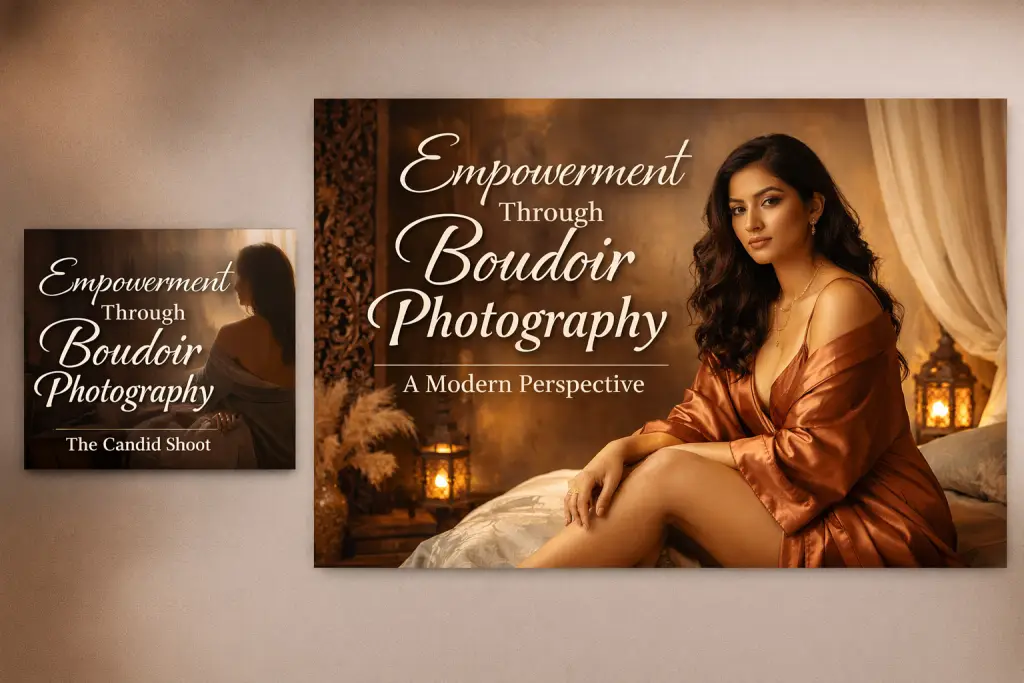
Boudoir photography has evolved far beyond traditional notions of intimacy or sensuality. Modern boudoir photography is about empowerment, confidence, and self-expression, not merely performing for the camera.
At its heart, boudoir photography is a visual dialogue between the subject and themselves, mediated by a professional photographer. It provides a private, safe space for people to explore their identity, body, and self-perception without judgment.
For many clients, a boudoir session is transformational, offering the chance to see themselves through the lens of confidence and intentionality. In contemporary photography, empowerment becomes the primary goal, while aesthetic beauty is secondary.
What Is Boudoir Photography?
Definition
Boudoir photography is a style of photography focused on intimate, personal, and expressive images. Traditionally associated with sensuality, modern boudoir prioritizes self-expression, agency, and emotional presence.
Unlike conventional portrait photography, boudoir:
- Emphasizes personal comfort and identity
- Uses private or semi-private settings
- Invites authentic, unapologetic self-expression
It is not about meeting external expectations but creating imagery that reflects self-acceptance and empowerment.
The Evolution of Boudoir Photography
- Early Boudoir: Originally, boudoir was highly stylized, often following strict beauty norms and performative poses. Images were intimate but rarely inclusive.
- Modern Empowerment Focus: Today, boudoir photography celebrates diversity, choice, and storytelling. Empowerment and confidence replace traditional “perfect” aesthetics.
- Inclusivity and Identity: Modern boudoir welcomes all genders, body types, cultural backgrounds, and expressions. Photography becomes a tool for self-recognition and acceptance.
Why Boudoir Photography Matters in Modern Life
Emotional Benefits
Boudoir photography can:
- Increase self-confidence: Seeing oneself as powerful or beautiful enhances self-esteem.
- Normalize self-appreciation: Clients learn to value their body and individuality without external validation.
- Support personal milestones: Celebrating anniversaries, achievements, or transformations through imagery.
Psychological Impact
Psychologists and professional photographers agree that visual validation can transform self-perception. Boudoir sessions allow clients to confront negative self-talk and replace it with affirmation and presence.
Inclusivity in Boudoir Photography
Celebrating Every Body
Empowerment-focused boudoir photography recognizes:
- All body shapes and sizes
- Trans and non-binary identities
- Diverse cultural expressions
The studio becomes a judgment-free zone, where people are photographed as they choose, with clothing, poses, and styling that match comfort and intention.
Language and Communication
Photographers must use inclusive, affirming language. Phrases like “what feels comfortable for you?” or “choose your angle and expression” build trust. Consent and communication are central to empowerment.
Boudoir Photography vs. Traditional Sensual Photography
| Feature | Traditional Sensual Photography | Empowerment Boudoir Photography |
|---|---|---|
| Goal | Attractiveness for viewer | Confidence and self-expression |
| Focus | Physical appearance | Emotional presence and identity |
| Direction | Photographer-driven | Collaborative and consent-first |
| Inclusivity | Often limited | Embraces all bodies, genders, and cultures |
| Impact | Short-term visual appeal | Long-term self-perception and empowerment |
This comparison highlights why modern boudoir prioritizes the subject’s experience over performative beauty.
Core Principles of Empowerment Boudoir Photography
- Consent and Control: Subjects dictate poses, clothing, and privacy.
- Authenticity Over Perfection: Images capture true self-expression, not forced smiles or postures.
- Emotional Safety: Studio environment prioritizes comfort, trust, and calm.
- Representation: Celebrates diversity in gender, culture, and body type.
- Mindful Editing: Post-production enhances mood and light without altering identity.
Case Study 1: First-Time Empowerment Boudoir Session
Background: A 28-year-old client in Jaipur booked a boudoir session after feeling self-conscious about body changes post-pregnancy.
Process:
- Pre-session consultation addressed comfort and wardrobe preferences.
- Soft studio lighting minimized harsh contrasts and emphasized natural curves.
- Minimal direction encouraged movement and breathing rather than forced poses.
Outcome:
The client left with images reflecting strength and beauty, reporting a significant boost in self-confidence and emotional validation.
Insight: Boudoir photography can transform perception for first-time participants through careful guidance and supportive environment.
Case Study 2: Boudoir for Personal Milestone
Background: A 35-year-old professional celebrated a career achievement and booked boudoir photography as a gift to themselves.
Process:
- Wardrobe reflected personal style rather than traditional sensual norms.
- Dramatic lighting emphasized posture and expression of confidence.
- Expressive gestures and controlled poses captured authority and self-assurance.
Outcome:
The client used images for personal reflection and social media promotion, combining empowerment and professional identity.
Preparing for Empowering Boudoir Photography: Mental, Emotional, and Practical Guidance
Introduction: Preparation as Empowerment
Empowerment in boudoir photography begins before the camera even clicks. Preparation is not just about wardrobe or lighting—it’s about mindset, self-awareness, and creating a safe environment where authentic presence can emerge.
A well-prepared client experiences confidence, calm, and agency, making the session transformational rather than intimidating.
Step 1: Mental and Emotional Preparation
Understanding Your Intention
Before booking a boudoir session, ask yourself:
- Why do I want to do this shoot?
- What story or feeling do I want to convey?
- Am I doing this for myself, or for someone else?
Identifying intention clarifies the type of empowerment you seek—confidence, celebration, or self-recognition.
Building Self-Confidence Before the Shoot
Boudoir photography is a confidence amplifier. Pre-session exercises can help:
- Mirror affirmation: Spend 5–10 minutes daily recognizing physical features you appreciate.
- Positive journaling: Write about your strengths, achievements, and what you love about yourself.
- Visualization: Imagine yourself in the studio, relaxed, present, and enjoying the process.
These exercises reduce anxiety and help you embody presence during the session.
Mindfulness and Emotional Awareness
Practicing mindfulness helps you:
- Stay present during the shoot
- Reduce self-conscious thoughts
- Connect to inner emotions
Simple mindfulness techniques include:
- Deep breathing before entering the studio
- Gentle stretching to release tension
- Noticing body sensations without judgment
Step 2: Choosing the Right Photographer and Studio
Why Photographer Selection Matters
Boudoir photography requires trust and emotional safety. When selecting a photographer:
- Review portfolios for diversity and inclusivity
- Check for consent-first and privacy-focused practices
- Look for communication style that makes you comfortable
At The Candid Shoot, photographers focus on collaboration, consent, and empowerment, ensuring each client feels fully in control.
Studio Environment
A professional studio should offer:
- Privacy and minimal distractions
- Adjustable lighting for mood and comfort
- Neutral decor to allow focus on the subject
- A calm and respectful team
The environment itself contributes to mental and emotional readiness.
Step 3: Wardrobe and Styling Preparation
Choosing Clothing That Supports Confidence
Clothing in boudoir sessions should reflect identity and comfort, not trends. Guidelines include:
- Select fabrics that feel good on your skin
- Choose silhouettes that allow movement and natural posing
- Incorporate favorite colors or textures that resonate with you
Tip: Minimalism often works best—over-styling can distract from presence and authenticity.
Lingerie and Intimate Wear
For traditional boudoir:
- Lingerie should enhance comfort, not pressure
- Avoid items that restrict movement or create self-consciousness
- Include layering options (robes, sheer wraps) for flexibility
Empowerment Focus: Boudoir is about self-recognition, not performing for a partner or camera.
Accessorizing and Props
Props can enhance storytelling without overshadowing the subject:
- Chairs, stools, or soft fabrics
- Jewelry or personal items that carry meaning
- Minimal background elements to reinforce mood
Props are optional but can anchor confidence and expression.
Step 4: Physical Preparation
Rest and Hydration
Your physical state affects emotional presence. Simple preparation includes:
- Sleeping 7–8 hours before the session
- Staying hydrated for healthy skin and energy
- Eating a light, comfortable meal to avoid fatigue
Grooming and Self-Care
Empowering boudoir photography encourages natural self-presentation:
- Hair and nails styled as you prefer
- Makeup optional or light, aligned with comfort
- Avoid dramatic changes if you’re unfamiliar with new styles
The goal: enhance comfort, not create performance pressure.
Step 5: Privacy, Boundaries, and Consent
Communicating Boundaries
Before the shoot, clearly communicate:
- What poses feel comfortable
- Clothing options you prefer
- Limits on physical touch, angles, or gestures
Boundaries empower subjects and maintain safety and trust.
Privacy and Image Usage
Ask the photographer:
- How images will be stored
- Who can view or share images
- Options for exclusive personal use
The Candid Shoot emphasizes client ownership over all images, building trust and empowerment.
Step 6: Mental Rehearsal and Visualization
Practicing Poses
- Stand in front of a mirror and try gentle poses
- Explore natural gestures (hands on hips, soft arm movement)
- Observe what feels empowering versus forced
Visualization Techniques
- Imagine yourself entering the studio, relaxed and confident
- Visualize lighting highlighting your best angles
- Mentally rehearse pauses, movements, and eye contact
Visualization reduces anxiety and enhances presence during actual photography.
Step 7: Preparing for First-Time Nerves
Accepting Vulnerability
Boudoir photography is intimate. First-time clients often feel nervous—this is normal.
Tips for overcoming nerves:
- Focus on breathing and grounding
- Begin with minimal clothing or layering for comfort
- Start with seated or relaxed poses before standing
Trust the Photographer
A professional photographer guides without controlling:
- Minimal, clear direction
- Pauses and breaks as needed
- Encouragement without judgment
Trust allows authenticity to emerge naturally.
Step 8: Setting Goals for the Session
What to Achieve
- Emotional: increased self-acceptance, confidence, and empowerment
- Visual: imagery that reflects personality, presence, and individuality
- Narrative: visual storytelling aligned with personal milestones or identity
Checklist Before the Session
- Wardrobe prepared and comfortable
- Props or personal items selected (optional)
- Mental affirmation or visualization practiced
- Photographer expectations clarified
- Privacy and consent confirmed
Case Study 1: First-Time Client Empowerment
Background: A 30-year-old client wanted boudoir photography to regain confidence after postpartum changes.
Preparation:
- Pre-session consultation focused on comfort and boundaries
- Wardrobe chosen from favorite comfortable items
- Visualization exercises and breathing techniques
Outcome:
- Relaxed and natural presence during the shoot
- Images reflected confidence and authenticity
- Client reported significant boost in self-perception
Case Study 2: Empowerment Through Personal Milestone
Background: A 40-year-old booked a session to celebrate a career achievement.
Preparation:
- Professional wardrobe blending personal style with empowerment
- Props included a chair and neutral fabric backdrop
- Mental rehearsal of expressions and posture
Outcome:
- Images showcased authority, confidence, and elegance
- The session became a personal celebration of growth
Boudoir Photography Techniques for Empowerment
Boudoir photography is as much about technical mastery as it is about emotional presence. In modern boudoir, techniques are designed to highlight confidence, individuality, and authenticity, rather than simply following traditional sensual norms.
1. Lighting Techniques That Enhance Confidence
A. Soft, Natural Light
- Creates gentle highlights and shadows for a flattering effect
- Reduces harsh contrasts that may feel exposing
- Supports vulnerability and calm presence
Example:
A client seated near a large window in Jaipur’s natural light expressed a newfound sense of softness and self-recognition. Minimal direction allowed subtle poses to emerge naturally, producing intimate yet empowering images.
B. Dramatic Directional Lighting
- Adds depth and authority
- Highlights posture and confident gestures
- Ideal for capturing bold expressions and milestone-focused sessions
Tip: Avoid overly harsh shadows that can feel unflattering or intimidating. Empowerment comes from enhancement, not exaggeration.
C. Controlled Studio Lighting
- Studio lighting allows precise control over mood and tone
- Can create a mix of softness and drama for storytelling
- Supports all skin tones inclusively
Example:
During a career milestone session, a client posed under soft key lighting with subtle rim light to emphasize presence and strength, reinforcing a visual narrative of empowerment.
2. Posing Techniques
A. Relaxed, Natural Poses
- Encourage micro-movements rather than rigid positions
- Hands, shoulders, and torso should flow naturally
- Small adjustments create confidence without forcing posture
Tip: Have clients start seated or leaning to reduce tension and gradually transition to standing poses.
B. Confidence-Focused Postures
- Upright spine, shoulders back, chin slightly lifted
- Weight distribution balanced to convey stability
- Closed or open gestures depending on desired empowerment style
Example:
A postpartum client shifted from a seated, introspective pose to standing with weight on one leg, creating a relaxed yet confident frame.
C. Body Language as Storytelling
- Subtle shifts in hands, gaze, or stance communicate power
- Encourage clients to experiment with gestures that feel natural
- Authentic movement often reads stronger than deliberate posing
3. Facial Expressions and Eye Contact
A. Neutral, Calm Expressions
- Empowerment doesn’t require a smile; calm presence often conveys confidence better
- Avoid exaggerated facial expressions for natural authenticity
B. Direct Eye Contact
- Builds connection between subject and viewer
- Projects authority and presence in the frame
- Can be combined with subtle gestures for impact
Example:
A client looking directly at the camera with soft lighting emphasized gaze and self-possession, creating a sense of empowerment without performative sensuality.
4. Composition and Framing
A. Centered Composition
- Places the subject as the focal point
- Conveys stability, balance, and authority
- Works well for confident solo sessions
B. Negative Space
- Emphasizes subject without distractions
- Provides breathing room in the frame
- Highlights subtle movements and gestures
C. Creative Angles
- Slightly low angles can convey strength
- Eye-level angles respect equality
- High angles may soften the mood for introspective sessions
5. Styling for Empowerment
A. Wardrobe Considerations
- Comfort is key: loose or flexible fabrics over restrictive clothing
- Neutral tones often photograph well, but personal color preferences are encouraged
- Wardrobe should reflect identity, not external expectations
Example:
A client chose a silk robe in a color that represented her personal confidence; the flowing fabric emphasized movement and presence while keeping comfort intact.
B. Props and Accessories
- Can reinforce personal narrative
- Examples: favorite jewelry, heirlooms, or subtle thematic props
- Avoid clutter that distracts from the subject’s presence
C. Minimalist Styling
- Less is more: minimal accessories, neutral backgrounds, and selective wardrobe items enhance empowerment
- Focus remains on the person, not the costume
6. Interaction Between Photographer and Subject
A. Direction vs Collaboration
- Photographer guides gently rather than controlling
- Encourage experimentation: small movements, gaze shifts, and micro-poses
- Reinforce that consent and comfort are always central
B. Silence as a Tool
- Silence allows clients to settle and become present
- Often produces more authentic, natural frames than constant instruction
Case Study Example:
A first-time client initially nervous and tense became increasingly relaxed when the photographer allowed moments of stillness between prompts. The resulting images showed genuine presence and self-empowerment.
7. Emotional Layering in Boudoir Photography
A. Capturing Vulnerability and Strength Together
- Empowerment is not only about confidence; it includes accepting vulnerability
- Light, pose, and expression work together to balance these emotional layers
B. Telling a Personal Story
- Each session should reflect the client’s personal journey
- Encourage clients to bring elements that symbolize milestones, challenges, or achievements
Example:
A client celebrating personal growth after weight loss included a small journal as a prop. Subtle hand gestures interacting with the journal conveyed a story of resilience and empowerment.
8. Practical Tips for Clients During the Session
- Breathe and pause — micro-breaks improve posture and presence.
- Focus on small gestures rather than large, performative poses.
- Engage with the camera only if comfortable; looking away is also valid.
- Communicate boundaries and comfort levels consistently.
- Trust the photographer — empowerment arises from collaboration, not control.
Case Study 3: Empowerment Through Lighting, Pose, and Composition
Background: A client wanted images representing self-confidence after a significant career achievement.
Technique:
- Used soft directional lighting to enhance presence
- Posed with upright, relaxed posture
- Eye contact and subtle hand gestures reflected authority
Outcome:
- Photographs projected confidence without exaggeration
- Client reported increased self-awareness and self-acceptance
- Images became a personal milestone record
Real-Life Boudoir Photography Experiences: Empowerment in Action
Boudoir photography becomes meaningful when it reflects real people and their stories. Empowerment is not theoretical—it emerges through experience, collaboration, and reflection. In this section, we explore case studies, client journeys, and transformative outcomes.
Case Study 1: First-Time Client Empowerment
Background
A 29-year-old client in Jaipur booked a boudoir session after feeling self-conscious about post-pregnancy body changes. She had never done a boudoir session before and expressed nervousness about appearing confident.
Approach
- Pre-session Consultation: Discussed boundaries, wardrobe, and emotional goals.
- Wardrobe Selection: Comfortable silk robe and neutral lingerie.
- Lighting & Posing: Soft natural light with seated poses to ease tension.
- Micro-Movements: Encouraged subtle gestures rather than rigid postures.
Outcome
- Images captured strength and natural elegance.
- Client reported a boost in self-confidence and body acceptance.
- Emotional reflection: “I never imagined I could feel so proud of myself in front of a camera.”
Insight: Empowerment-focused boudoir builds confidence even for first-time participants.
Case Study 2: Celebrating Milestones
Background
A 36-year-old professional booked a boudoir session to celebrate completing a major career transition and achieving personal goals.
Approach
- Styling aligned with personal branding: tailored silk blouse and minimal jewelry.
- Studio lighting emphasized posture and natural contours.
- Poses conveyed authority, grounded presence, and subtle vulnerability.
- Small props included a journal representing achievements.
Outcome
- Images projected confidence, elegance, and authenticity.
- Client used images for both personal reflection and professional social media profiles.
- Emotional takeaway: “These photos feel like a record of my growth and who I’ve become.”
Insight: Boudoir photography can document personal milestones and reinforce self-recognition.
Case Study 3: Inclusive Body Positivity
Background
A client identifying as plus-size and non-binary booked a session to explore self-expression through boudoir photography. They wanted imagery that reflected authenticity and self-acceptance.
Approach
- Wardrobe: Comfortable, flowing fabrics in bold colors.
- Posing: Collaborative, with attention to gestures that conveyed confidence.
- Lighting: Soft, balanced light to highlight natural curves without distortion.
- Photographer communicated inclusive, affirming language throughout the session.
Outcome
- Final images reflected authentic identity and empowerment.
- Client described a newfound comfort with self-image.
- Emotional reflection: “I finally feel seen as I am, and it’s freeing.”
Insight: Boudoir photography is inherently inclusive and can celebrate diverse bodies and identities when guided ethically.
Case Study 4: Boudoir for Couples
Background
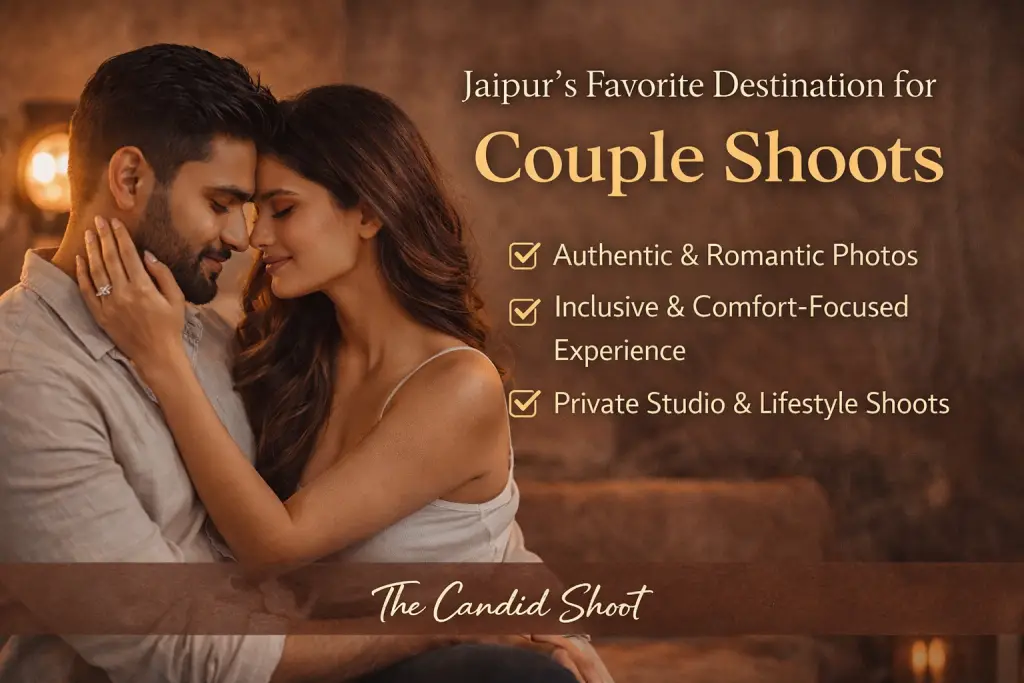
A couple booked a session to explore mutual confidence and connection while maintaining individual agency.
Approach
- Balanced framing to ensure equal presence of both partners.
- Minimal direction to allow authentic interaction.
- Props and wardrobe reflected shared identity, not performance.
- Lighting: Warm, soft illumination to emphasize intimacy and connection.
Outcome
- Images projected trust, equality, and presence.
- Both partners reported feeling validated and confident in themselves and each other.
- Emotional takeaway: “We feel like we can face challenges together with strength.”
Insight: Boudoir photography for couples enhances mutual empowerment while respecting individual comfort.
Case Study 5: Emotional Healing Through Boudoir
Background
A client booked a session following a personal loss, seeking a visual reaffirmation of resilience.
Approach
- Gentle, reflective poses with soft, natural lighting.
- Extended pauses allowed for emotional processing.
- Minimal wardrobe to focus on posture, expression, and presence.
Outcome
- Images conveyed strength, vulnerability, and self-recognition.
- Client described the session as therapeutic and empowering.
- Emotional takeaway: “The camera reflected a version of myself I hadn’t acknowledged before.”
Insight: Boudoir photography can support emotional processing and personal healing.
Key Lessons from Real Client Experiences
- Empowerment Emerges Through Collaboration
- Clients feel agency when they co-create poses, wardrobe, and expressions.
- Presence Matters More Than Perfection
- Authenticity and natural gestures outweigh “perfect” posing.
- Lighting and Styling Amplify Confidence
- Soft, intentional lighting and comfortable wardrobe create visual safety.
- Inclusive Practices Enhance Impact
- Affirming language, body-positive techniques, and respect for identity strengthen empowerment.
- Boudoir Photography Transforms Self-Perception
- Clients consistently report increased confidence, body neutrality, and emotional recognition.
Psychological and Emotional Outcomes
- Increased Self-Acceptance: Viewing oneself in empowering images reduces self-criticism.
- Positive Body Image: Clients learn to value their natural shape and individuality.
- Emotional Validation: The session becomes a mirror reflecting personal growth, resilience, and identity.
- Long-Term Impact: Many clients revisit the images as reminders of confidence, empowerment, and milestones.
Ethical Practices, Post-Session Care, and Long-Term Empowerment in Boudoir Photography
Boudoir photography is more than a photoshoot—it’s a transformative experience. Part 5 explores how ethical practices, thoughtful post-session handling, and intentional reflection enhance empowerment for every client.
1. Ethical Practices in Boudoir Photography
A. Consent and Communication
- Pre-session consent: Discuss poses, wardrobe, lighting, and photography style.
- Ongoing consent: Clients are free to pause, modify, or stop poses at any time.
- Clear communication: Photographers should explain every step and respect boundaries.
Example:
A first-time client initially hesitant about certain poses was allowed to skip them. This fostered trust and produced authentic, confident images.
B. Privacy and Confidentiality
- Secure image storage: High-standard digital storage and encryption.
- Controlled sharing: Images are only shared with explicit client approval.
- Discretion during sessions: Minimal crew and closed studio environment.
Empowerment grows when clients know their identity and images are fully respected.
C. Inclusive and Respectful Practices
- Affirming language and body-positive guidance
- Respect for diverse gender identities, body types, and cultural backgrounds
- Flexible session structure to accommodate all comfort levels
Insight: Ethical, inclusive practices are foundational to true empowerment in boudoir photography.
2. Post-Session Guidance
A. Reviewing Images
- Allow time before viewing photos for emotional adjustment
- Encourage reflection on confidence, self-recognition, and presence
- Highlight progress and milestones rather than imperfections
B. Editing Philosophy
- Minimal, ethical editing enhances lighting and mood but preserves natural body identity
- Avoid altering shape, skin texture, or identity features
- Empowerment-focused photography respects authentic self-representation
C. Sharing and Use
- Clients control if and where images are shared
- Empowered choices: private keepsakes, gifting, or professional branding
- Respecting boundaries enhances confidence and trust
3. Emotional Reflection and Self-Affirmation
A. The Mirror Effect
Boudoir photography allows clients to see themselves from a different perspective—a mirror reflecting confidence and self-recognition.
- Micro-moments in sessions often lead to lasting emotional insights
- Pausing during the session helps clients process feelings of vulnerability and pride
B. Self-Affirmation Exercises
After the session, clients may benefit from:
- Journaling about their experience
- Creating a visual storybook of their images
- Sharing with supportive individuals or keeping private for personal empowerment
4. Long-Term Personal Benefits
A. Enhanced Self-Perception
- Many clients report a boost in self-confidence months after the session
- Boudoir photography reframes self-image in a positive, empowering way
B. Body Positivity
- Clients develop a neutral or appreciative view of their body
- Sessions encourage acceptance of natural shape, curves, and imperfections
C. Emotional Resilience
- Empowerment through photography reinforces agency and self-worth
- Visual documentation of personal milestones strengthens mental and emotional resilience
5. Boudoir Photography as Personal Storytelling
- Sessions become visual narratives of identity, milestones, and transformation
- Clients leave with images that document personal growth, achievements, and self-expression
- Boudoir photography preserves intimate, personal stories for reflection and celebration
Example:
A client documented her career transition through boudoir photography. She used the images to celebrate success, mark growth, and reinforce personal identity over time.
6. Supporting First-Time and Returning Clients
A. First-Time Clients
- Guidance and gentle direction reduce anxiety
- Sessions focus on comfort, consent, and presence
- Reflection exercises help clients integrate the experience
B. Returning Clients
- Returning clients may explore deeper emotional narratives
- Sessions may focus on milestones, body changes, or personal growth
- Long-term empowerment compounds with each session
7. Integrating Boudoir Photography Into Daily Empowerment
- Displaying personal images at home or in private albums fosters ongoing self-recognition
- Revisiting images during challenging times reinforces confidence and emotional resilience
- Boudoir photography becomes a tool for empowerment, self-affirmation, and personal storytelling
8. Why Choose The Candid Shoot for Empowerment-Focused Boudoir
- Ethical, Inclusive Practices: Every session respects identity, comfort, and consent.
- Professional Expertise: Studio lighting, posing guidance, and styling support authenticity.
- Emotional Safety: Private, judgment-free environment encourages vulnerability and presence.
- Long-Term Impact: Clients report confidence, self-recognition, and empowerment beyond the studio.
FAQs: Empowerment Through Boudoir Photography
1. What is boudoir photography?
Boudoir photography is an intimate, empowerment-focused style that celebrates confidence, self-expression, and personal storytelling. Modern boudoir emphasizes authentic presence and individuality, not performative sensuality.
2. Who can book a boudoir photography session?
Anyone! Boudoir photography is inclusive of all body types, gender identities, and cultural backgrounds. Sessions are tailored to individual comfort, style, and expression.
3. Do I need to feel confident before a boudoir session?
No. Empowerment-focused boudoir is designed to build confidence during the session. Pre-session preparation, communication, and ethical guidance help clients relax and express themselves authentically.
4. How should I prepare for a boudoir session?
- Reflect on your intention for the shoot
- Select clothing and props that feel comfortable
- Practice self-affirmation and visualization
- Discuss boundaries and expectations with the photographer
Preparation enhances emotional presence and confidence.
5. Will my images be private?
Yes. The Candid Shoot follows strict privacy and consent policies. Images are stored securely and only shared with explicit client approval.
6. Can couples participate in boudoir photography?
Absolutely. Couples’ sessions focus on mutual empowerment, trust, and connection while maintaining individual comfort and agency.
7. How long is a typical boudoir session?
Sessions typically last 90 minutes to 3 hours, depending on styling, poses, and client comfort.
8. How does boudoir photography empower clients?
- Builds self-confidence
- Promotes body positivity
- Validates personal identity and milestones
- Provides long-term emotional and psychological benefits
9. What should I wear for a boudoir session?
Clothing should reflect your comfort and identity, including:
- Lingerie or intimate wear (optional)
- Comfortable fabrics and personal style choices
- Minimal accessories or symbolic props to enhance storytelling
10. How do I choose the right boudoir photographer?
Look for:
- Inclusive, consent-first practices
- Ethical approach to privacy and editing
- Portfolio emphasizing authenticity, empowerment, and diversity
Boudoir photography is more than a photoshoot; it is a journey of self-discovery, confidence, and empowerment. Modern boudoir celebrates authenticity, embraces diversity, and provides a safe space for individuals and couples to explore their identity without judgment.
At The Candid Shoot, every session prioritizes:
- Consent and comfort: You control every aspect of the shoot
- Inclusivity: All bodies, genders, and backgrounds are welcome
- Ethical photography: Privacy, respect, and authenticity at the forefront
- Transformational impact: Empowerment extends far beyond the studio
Through lighting, posing, expression, and collaboration, boudoir photography documents personal milestones, emotional growth, and self-recognition. Clients leave with images that serve as visual affirmations of confidence, resilience, and empowerment.
Whether it’s your first boudoir session, a celebration of personal growth, or a couples’ empowerment shoot, boudoir photography transforms how you see yourself—and how you feel in your own skin.
Call-to-Action
Embrace your confidence and celebrate your journey. Book a boudoir photography session with The Candid Shoot today and experience authentic empowerment through modern, inclusive photography.