
Choosing the right outfit for a model shoot starts with understanding the purpose, theme, and intended audience. Explore practical styling advice for portfolio, editorial, commercial, fitness, and outdoor shoots, including color selection, fit, accessories, grooming, and preparation. Use the checklist to organize your wardrobe and arrive ready for the camera.
Introduction

Choosing what to wear for a model shoot can make a significant difference to the final photographs. The right outfit can complement your features, communicate a particular style, and help you feel comfortable in front of the camera. An unsuitable choice, on the other hand, may distract from the intended look or limit the variety of images you can create.
Your wardrobe should reflect the purpose of the shoot. A modeling portfolio may require simple, versatile outfits, while a fashion editorial can call for dramatic silhouettes, bold colors, or distinctive textures. Commercial photography usually benefits from relatable styling, and fitness shoots require clothing that supports movement.
This guide explains how to select outfits for different types of model shoots, coordinate colors and accessories, prepare your wardrobe, and avoid common styling mistakes.
Understand the Purpose of Your Model Shoot
Before selecting clothes, establish what the photographs need to communicate. The same outfit will not necessarily work for a portfolio update, a fashion campaign, and a fitness photoshoot.
Identify the type of shoot
Ask the photographer or creative team about the brief, intended audience, background, lighting, and overall style. Find out whether specific outfits, colors, brands, or accessories are required.
For a personal portfolio, you may have more freedom to choose looks that demonstrate your range. For a commissioned campaign, the client may have a detailed styling brief that you need to follow.
Create a consistent visual direction
Select outfits that work together rather than packing unrelated clothing. A coordinated wardrobe makes outfit changes easier and helps the final image collection feel intentional.
A mood board can help communicate the desired look. Collect references for clothing, color palettes, lighting, and poses, then discuss them with your photographer or stylist. Adobe Express offers guidance on creating a photography mood board.
For more comprehensive planning, see our guide to planning a high-impact model portfolio shoot.
Build a Versatile Wardrobe
You do not need a large collection of expensive clothing to prepare for a successful model shoot. A few well-fitting basics can provide a useful starting point, especially when you combine them with carefully selected statement pieces.
Choose simple wardrobe essentials
Consider packing:
- A well-fitting plain T-shirt or top in a neutral color.
- A fitted black or white top, depending on the brief.
- Classic jeans or trousers.
- A simple dress or another outfit appropriate to your modeling goals.
- A blazer, jacket, or outer layer that changes the look.
- Suitable footwear for each planned outfit.
- Undergarments that work with the cuts, colors, and fabrics of your clothing.
These are starting points, not mandatory items. Choose pieces that suit the shoot and your personal style.
Add one or two statement pieces
A bold jacket, textured dress, distinctive accessory, or structured garment can introduce variety to your photographs. Use statement pieces selectively so that the outfit supports the model rather than overwhelming the image.
If a garment already has a strong print, dramatic silhouette, or unusual texture, keep the remaining styling relatively simple.
Check fit before shoot day
Clothing should fit as intended and allow you to move comfortably. Garments that constantly slip, bunch, or need adjustment can interrupt the shoot and make it harder to maintain natural poses.
Try on each outfit in advance, sit down, walk, raise your arms, and test any movements expected during the session. Check how the fabric falls from different angles.
Choose Colors That Work on Camera
Color affects the mood of a photograph and the relationship between the model, outfit, and background. There is no single color that works for every shoot, so consider the setting and intended visual style.
Neutral colors for clean portraits
Black, white, gray, beige, and other understated shades can create a simple, versatile appearance. Neutral outfits are particularly useful when you want attention to remain on expression, posture, and facial features.
However, check the background before choosing a neutral outfit. White clothing against a white background may lose its edges, while black clothing against a dark background can hide important details.
Bold colors for statement images
Red, cobalt blue, emerald green, and other saturated shades can create a strong focal point. Use them when they suit the concept and complement the surroundings.
If the outfit is the main visual statement, keep accessories and background details relatively restrained. For a brand campaign, always follow the client’s approved palette.
Coordinate colors without matching everything
An outfit does not need to match the background exactly. Complementary or contrasting colors can create separation and visual interest.
For example, a warm-toned outfit can stand out against a cooler background, while earthy colors may work naturally in an outdoor setting. Consider skin tone, lighting, and the overall mood when selecting a palette.
Be cautious with busy prints
Small, tightly repeated patterns can sometimes produce distracting visual effects in digital photographs, depending on the fabric, camera resolution, and distance. Large logos and busy prints can also compete with the model’s face.
If you want to use patterned clothing, test it under the intended lighting and view a few sample images before committing to the entire shoot.
What to Wear for Different Types of Model Shoots
The best outfit depends on the type of modeling work you want to demonstrate. Use these recommendations as starting points and adapt them to the brief.
Modeling portfolio shoots
A portfolio should show your versatility without making the wardrobe the only thing viewers notice.
Consider bringing:
- A simple, well-fitting casual outfit.
- A more polished or formal look.
- A fashion-oriented outfit that reflects your target niche.
- A clean, understated option for straightforward portraits.
- Additional looks requested by the photographer or agency.
Aim for meaningful differences between outfits. Changing only the color of a similar top may not provide as much variety as changing the silhouette, styling, or overall mood.
For detailed wardrobe planning specifically for a portfolio, read our guide on how to choose the right outfits for your portfolio shoot.
Fashion editorial shoots
Fashion editorials often use clothing to communicate a concept or artistic direction. Depending on the brief, this may involve oversized silhouettes, structured tailoring, layering, unusual textures, bold accessories, or dramatic color combinations.
Before the shoot, confirm which items are supplied by the stylist and which you need to bring yourself. Discuss how the clothes should be worn, whether any changes are planned, and how much movement the garments allow.
Avoid introducing personal accessories or alternative pieces without checking that they fit the agreed concept.
For more detailed styling ideas, explore how to style outfits for a fashion portfolio shoot.


Commercial and lifestyle shoots
Commercial photography often aims for a recognizable, approachable look. Depending on the client, suitable options might include casual everyday clothing, smart-casual outfits, workwear, or activity-specific garments.
Clothes should look appropriate for the product, setting, and intended audience. Avoid large visible logos unless the brand has requested them, and make sure garments are clean, wrinkle-free, and in good condition.
For lifestyle images, choose clothing that allows you to perform the activity naturally. If the concept involves walking, working, cooking, or interacting with a product, test the outfit while performing those actions.
Fitness and sports shoots
Choose activewear that fits securely and allows the required movements. Test the waistband, straps, seams, and overall fit before the session.
Bring suitable footwear and any activity-specific clothing requested by the brief. Avoid garments that restrict movement or require frequent adjustment.
If the shoot includes multiple exercises or activities, prepare different outfits when necessary and discuss the intended coverage with the photographer beforehand.
Swimwear shoots
Swimwear should fit securely and be appropriate for the agreed concept and setting. Try it on in advance, check how it sits during movement, and bring any required cover-ups or alternative options.
Confirm the shoot’s boundaries, intended usage, location, and wardrobe expectations before agreeing to participate. You should feel comfortable with the outfit and understand how the images will be used.
Outdoor and seasonal shoots
For outdoor photography, consider temperature, wind, sunlight, walking distance, and the terrain. Layers can help you adapt to changing conditions, while practical footwear may be useful between shooting locations.
For a winter shoot, bring warm layers for breaks. For hot weather, pack water, breathable clothing, and backup outfits if perspiration may affect the fabric.
If the concept requires a specific look, plan practical clothing for travel and waiting between takes so that your main outfit remains in good condition.
Select Fabrics and Silhouettes Carefully
Fabric and garment shape influence how an outfit appears in photographs. Think about texture, movement, comfort, and the relationship between the clothing and the lighting.
Use texture to add interest
Denim, knitwear, satin, linen, leather, and other materials reflect light differently and create different visual effects. Combining contrasting textures can add depth without requiring additional colors or accessories.
Check fabrics under the planned lighting. Highly reflective materials may create bright highlights, while very dark or textured fabrics may lose detail in some conditions.
Choose silhouettes that support the concept
Structured jackets and tailored garments can create defined lines, while flowing fabrics introduce movement. Relaxed clothing may suit lifestyle imagery, and more fitted garments may be appropriate for certain fashion or fitness concepts.
There is no universal silhouette that every model should wear. Choose clothing that fits the brief, feels comfortable, and creates the intended visual effect.
Consider how clothing moves
If the shoot includes walking, turning, sitting, dancing, or working with fabric, test the outfit during those movements.
A garment may look excellent when standing still but bunch or restrict movement in action photographs. Finding this out beforehand gives you time to adjust the styling.
Accessorize Without Distracting From the Outfit
Accessories can help define a look, but too many competing elements can make the overall image feel cluttered.
Keep accessories simple for clean portraits
Small earrings, understated necklaces, simple belts, or minimal watches may work well when the focus is on facial expression and natural appearance.
For straightforward portfolio images, ask whether accessories should be removed so the photographer can capture a cleaner representation of your features.
Use statement accessories with purpose
Hats, sunglasses, scarves, jewelry, and distinctive footwear can strengthen a fashion concept. Choose pieces that complement the outfit’s shape, color, or story.
A scarf might introduce movement, while a structured hat can create a strong silhouette. Give each accessory a clear role in the image.
Check small details before each frame
Before shooting, inspect the outfit for twisted straps, visible tags, lint, loose threads, misplaced jewelry, and clothing that has shifted out of place.
A quick wardrobe check between setups can save time during editing and reduce the need for avoidable corrections.
Coordinate Hair, Makeup, and Grooming
Hair and makeup should work with the wardrobe and the purpose of the shoot. A dramatic fashion look may require stronger styling, while a natural commercial portrait may call for a more understated appearance.
Agree on the look in advance
Discuss hair, makeup, and grooming expectations with the photographer, stylist, or makeup artist before the session. If you are responsible for your own preparation, confirm the intended finish and practice it beforehand.
Avoid making a major last-minute change to your hair or skin-care routine immediately before the shoot, particularly if you do not know how your skin will respond.
Bring touch-up essentials
Depending on the shoot, useful items may include a comb, hair ties, blotting papers, lip product, moisturizer, and other products you regularly use.
Bring only what is relevant to the agreed look. If a makeup artist is providing the service, ask what you should bring and what will be supplied.
Prioritize comfort and skin safety
Use products that you know work for you and avoid experimenting with unfamiliar treatments just before the session. If a product causes irritation, stop using it and seek appropriate advice if needed.
The objective is to arrive prepared, comfortable, and ready to work—not to create unnecessary last-minute changes.
Prepare and Pack Your Wardrobe
Packing carefully makes outfit changes smoother and helps protect clothing from wrinkles, stains, and damage.
Create an outfit-by-outfit checklist
Write down every planned look and list its clothing, shoes, accessories, and undergarments. Place each look together where practical, and label garment bags or separate packing sections.
Try on all outfits before packing. This helps identify missing items and prevents last-minute surprises.
Use garment bags and protective storage
Hang garments that wrinkle easily and use suitable protective covers. Pack accessories separately to avoid tangling, scratching, or damaging delicate fabrics.
Keep shoes in separate bags when possible, and pack clean socks or hosiery as needed.
Bring a small wardrobe emergency kit
Consider carrying:
- Safety pins and a small sewing kit.
- A lint roller.
- Fashion tape suitable for the garment and skin involved.
- Tissues and a clean cloth.
- Spare buttons or basic fasteners.
- A stain-removal product suitable for the fabric.
- Water and practical personal essentials.
Test any product on an inconspicuous area first and follow its instructions. Do not use a treatment that could damage a garment just before shooting.
What to Do on Shoot Day
Good preparation helps the session run smoothly, but it is still important to stay flexible when the lighting, location, or creative direction changes.
Arrive with enough time to prepare
Allow time to change, check the wardrobe, complete any grooming, and discuss the first setup. Arriving at the last minute can create unnecessary stress and delay the team.
Follow the agreed arrival instructions and bring the outfits in the order they will be used if a schedule has been provided.
Communicate with the photographer
Ask questions if you are unsure about the desired look. The photographer may need a particular color, sleeve length, neckline, or silhouette to work with the background and lighting.
If an outfit feels uncomfortable or does not fit securely, say so. Styling adjustments are easier to make before the camera starts rolling.
Keep clothing camera-ready between takes
Use a hanger when possible, avoid sitting in garments that crease easily, and check the outfit after each change of location. Ask a team member to help with details if a stylist is available.
Small adjustments to the collar, hem, or accessories can make a noticeable difference to the final frame.
Common Wardrobe Mistakes to Avoid
Even a well-planned outfit can cause problems if it does not suit the brief or the shooting conditions.
Choosing an outfit without understanding the brief: Confirm the theme, audience, and expected style before preparing your wardrobe.
Wearing clothes that do not fit properly: Try everything on in advance and test the movements required during the session.
Packing too many unrelated outfits: Select a coordinated set of looks that serves the shoot’s purpose rather than bringing clothing without a plan.
Using distracting logos or patterns: Check whether branding is allowed and whether the print competes with the intended composition.
Ignoring the background: Consider how the clothing’s color and texture will appear against the location and lighting.
Over-accessorizing: Use accessories to support the concept rather than adding them to every outfit.
Neglecting footwear: Shoes influence the complete look and may be visible in full-length images. Bring suitable options for both the shoot and moving between locations.
Trying unfamiliar grooming products immediately before the session: Stick to a preparation routine you know works for you.
Ignoring comfort and personal boundaries: You should understand the wardrobe plan and feel comfortable with the outfits and poses before the shoot proceeds.
For more preparation advice, see how to prepare for your first model shoot.
Model Shoot Wardrobe Checklist
Use this checklist before leaving for the shoot.
- Confirm the shoot type, theme, and wardrobe brief.
- Prepare the planned outfits and try them on.
- Check fit, fabric condition, and freedom of movement.
- Coordinate colors with the background and creative direction.
- Pack the required shoes and undergarments.
- Organize accessories and props.
- Pack a lint roller and basic wardrobe repair supplies.
- Prepare any agreed hair and makeup products.
- Use garment bags or suitable protective storage.
- Confirm arrival time, location, and any wardrobe instructions.
- Discuss any concerns about fit, comfort, or the intended use of the images.
Final Thoughts
Knowing what to wear for a model shoot begins with understanding the purpose of the photographs. Choose clothing that fits comfortably, complements the creative direction, and helps you demonstrate the qualities relevant to your modeling goals.
Prepare your outfits in advance, coordinate accessories and grooming, and pack carefully to reduce avoidable problems on shoot day. You do not need an expensive wardrobe to create effective images; thoughtful selection and clear communication can make existing clothing work well.
Use the wardrobe checklist, confirm the shoot requirements with your photographer, and choose looks that allow you to feel comfortable and present yourself confidently.
Editorial Standards and Why Trust The Candid Shoot?
The Candid Shoot publishes educational photography content intended to help readers make informed decisions about equipment, techniques, styling, and creative preparation. Our editorial approach prioritizes practical explanations, relevant sources, and advice that readers can adapt to their own circumstances.
For model-shoot styling, recommendations should be evaluated against the shoot brief, intended use, location, comfort, and practical requirements. This article provides general educational guidance; individual productions may have additional wardrobe, safety, branding, or release requirements.
We aim to keep published content useful and clear, and to update articles when improvements are warranted. Readers should confirm project-specific instructions with their photographer, stylist, client, or agency rather than assuming that one wardrobe approach suits every shoot.
About The Candid Shoot
The Candid Shoot is an independent photography resource dedicated to helping photographers, creators, couples, models, brands, and photography enthusiasts make better decisions and create better images.
Our content covers practical photography techniques, camera and equipment guidance, posing ideas, portrait and fashion photography, product photography, AI photography tools, and photography workflows.
We focus on practical, experience-informed guidance rather than simply repeating generic information found across the web. Our goal is to make photography easier to understand, easier to apply, and more useful in real-world situations.
Why Trust The Candid Shoot?
We build our articles around a simple editorial principle: useful information first, clear explanations second, and unnecessary hype last.
Our articles are developed with attention to:
- Practical photography use cases and real-world shooting situations
- Camera, lens, software, and photography workflow considerations
- Clear explanations for beginners while retaining useful information for experienced creators
- Current tools, techniques, and photography trends where relevant
- Comparisons of advantages, limitations, features, and practical applications
- Original editorial organization instead of simply rewriting existing articles
- Internal linking to related photography resources so readers can explore a topic in depth
Our objective is not to recommend something simply because it is popular. We aim to explain when a technique, tool, workflow, or approach makes sense — and when it may not.
Our Editorial Process
Every article published on The Candid Shoot follows a structured editorial process designed to improve accuracy, usefulness, and clarity.
Research: We review relevant photography concepts, tools, techniques, product information, and established industry resources before developing an article.
Practical Evaluation: Information is considered from the perspective of actual photography use cases, including shooting conditions, workflow, composition, posing, editing, equipment selection, and creator needs.
Editorial Development: We organize information into clear sections, practical explanations, examples, recommendations, and actionable takeaways.
Fact Checking: Technical claims, specifications, terminology, and important factual information are checked against reliable sources where appropriate.
Reader-First Review: We evaluate whether the article actually answers the search intent, whether the recommendations are understandable, and whether the content provides useful next steps.
Ongoing Updates: Articles may be reviewed and updated when photography technology, software, equipment, techniques, or industry practices change.
Our Editorial Standards
The Candid Shoot aims to keep its editorial content:
Accurate: We work to verify important technical and factual information.
Useful: Information should help the reader solve a real photography problem or make a better decision.
Transparent: We distinguish educational guidance, editorial opinions, comparisons, and factual information.
Practical: Wherever possible, we focus on how photography concepts can actually be applied.
Independent: Articles are created to serve readers first rather than simply promote a product, technique, or trend.
Sources & Photography Resources
We believe readers should be able to continue their research. Depending on the topic, our articles may reference or recommend authoritative photography and technology resources.
Useful external resources may include:
- Adobe Photography
- Adobe Lightroom
- Nikon Learn & Explore
- Canon Learning
- Sony Alpha Universe
- Google Search Central
- Google AI
- OpenAI
External links are included where they provide additional context, technical information, official documentation, or useful learning resources.
Explore More From The Candid Shoot
Continue learning through our photography resources:
Photography Tutorials:
https://thecandidshoot.com/category/photography-tutorials/
Couple Photography:
https://thecandidshoot.com/category/couple-photography/
Camera & Equipment:
https://thecandidshoot.com/category/camera-equipment/
Portrait & Fashion Photography:
https://thecandidshoot.com/category/portrait-fashion-photography/
Product Photography:
https://thecandidshoot.com/category/product-photography/
AI Photography:
https://thecandidshoot.com/category/ai-photography/
Photography Guides & Resources:
https://thecandidshoot.com/
Reader Feedback & Reviews
The Candid Shoot values feedback from photographers, creators, and readers who use our guides in their own work.
Reader questions and feedback help us identify confusing topics, missing information, outdated recommendations, and areas where an article can become more useful.
We continually use this feedback to improve the quality, clarity, and practical value of our photography resources.
Editorial Note
Photography is highly dependent on the subject, lighting conditions, equipment, creative goals, budget, and shooting environment. Recommendations that work for one photographer may not be ideal for another.
For that reason, The Candid Shoot focuses on explaining the reasoning behind a recommendation instead of presenting every technique, product, or workflow as universally suitable.
Related Articles
Continue exploring The Candid Shoot’s photography guides:
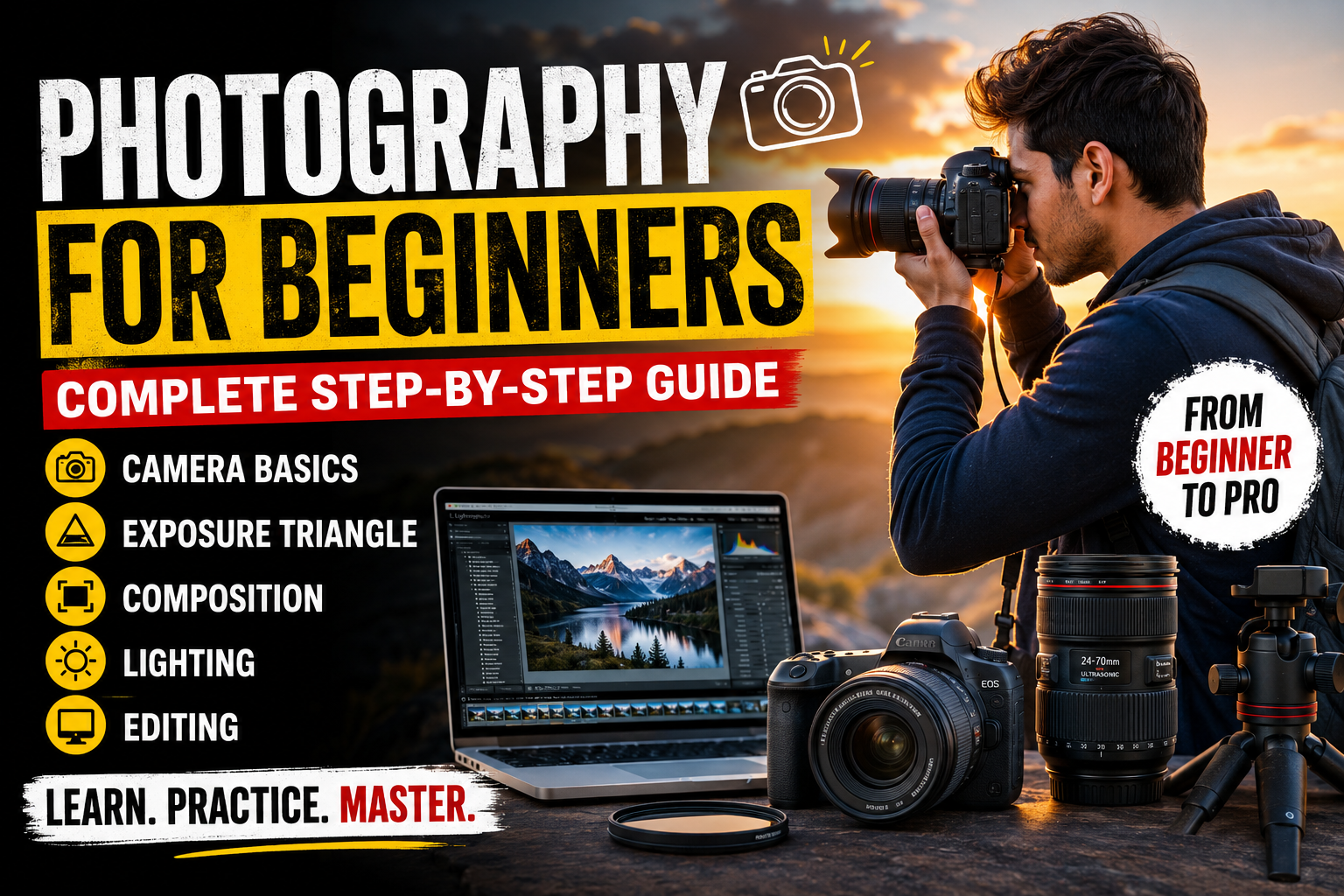
- 25 Essential Photography Tutorials for Beginners
Learn the fundamentals of photography, camera settings, exposure, lenses, and essential techniques. - 25 Essential Camera & Equipment Buying Secrets
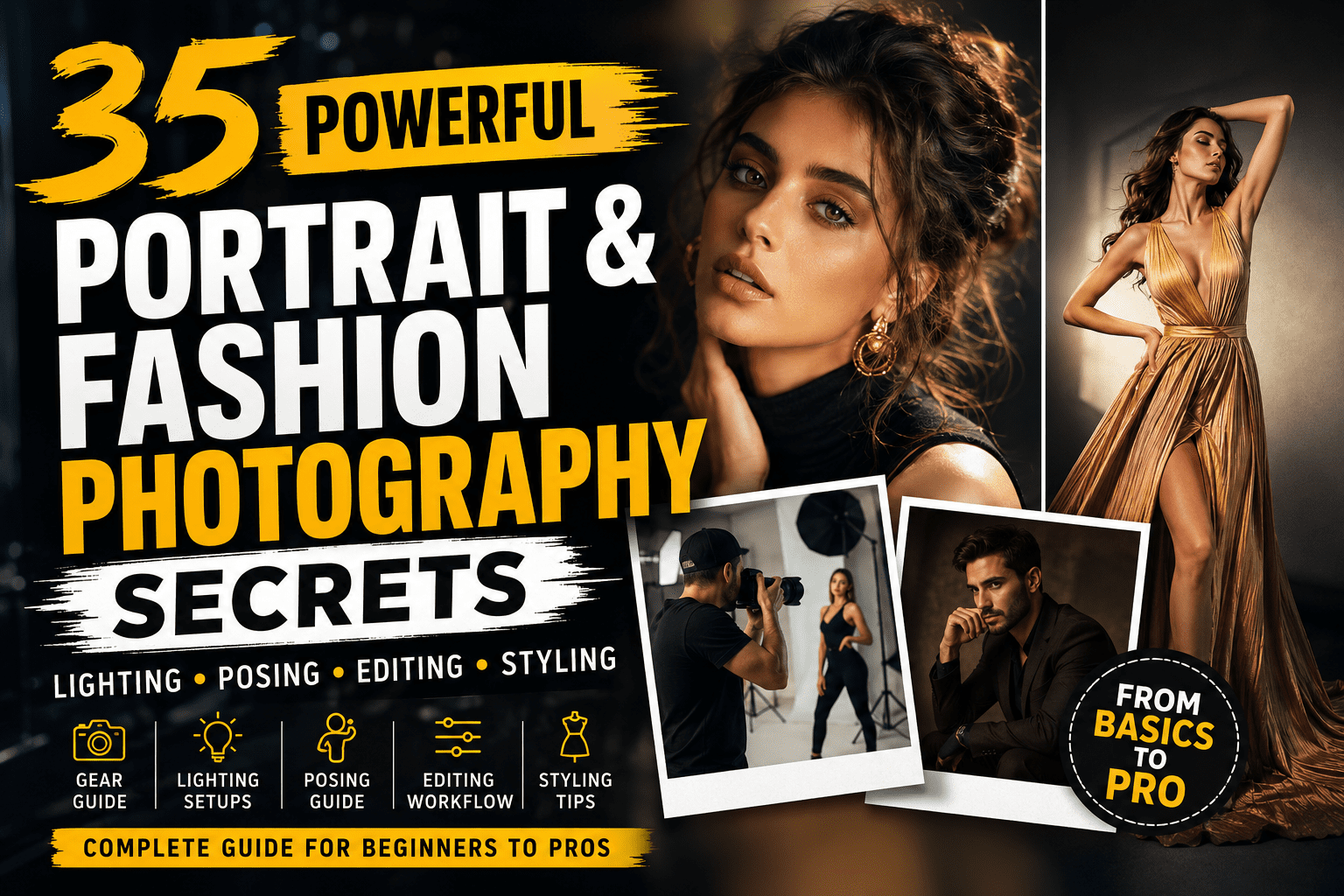
Understand cameras, lenses, sensors, autofocus, and how to choose photography equipment wisely. - 35 Powerful Portrait & Fashion Photography Secrets
Explore portrait composition, lighting, posing, cameras, and fashion photography techniques. - 45 Powerful Product Photography Secrets
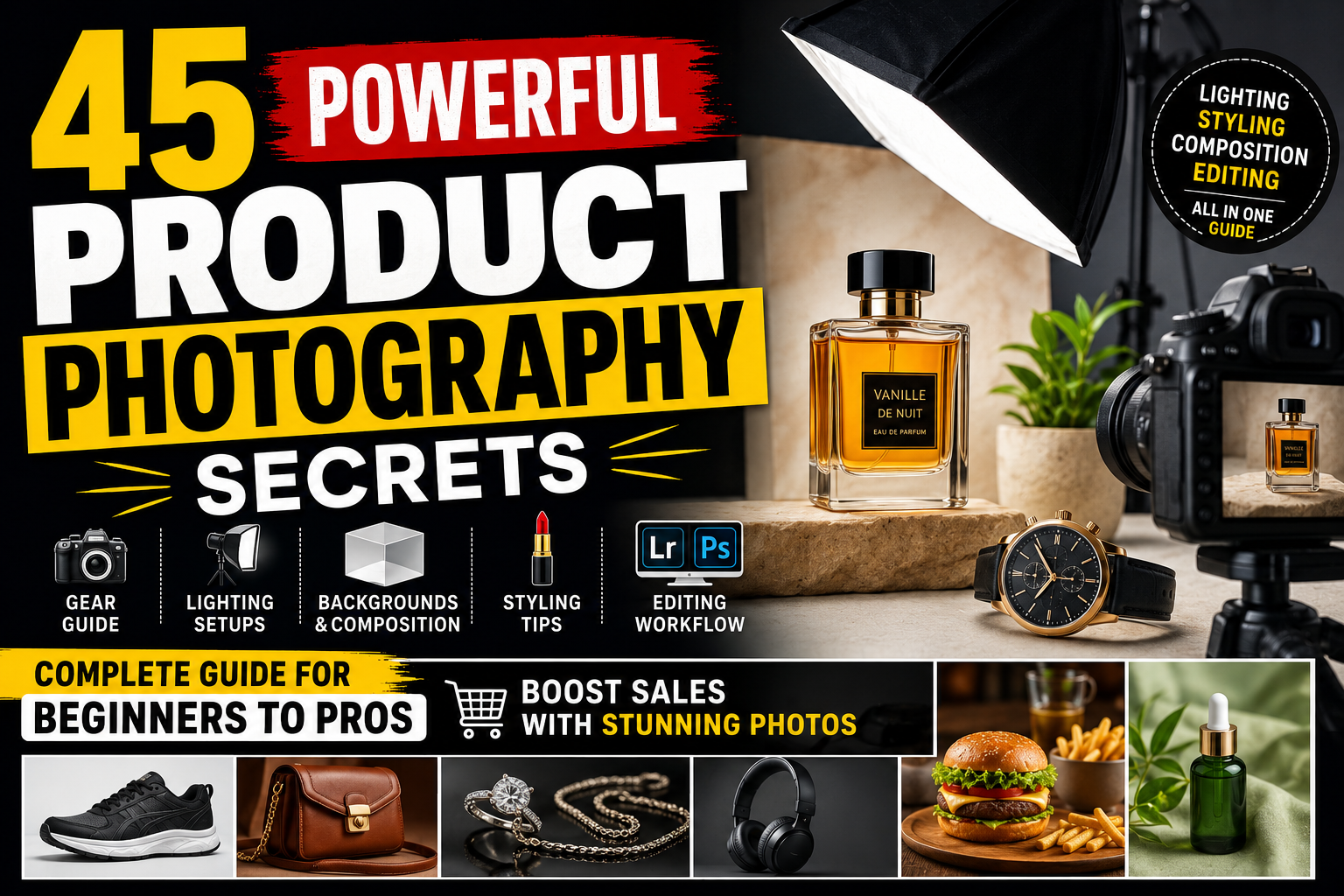
Discover practical product photography techniques, lighting setups, equipment, and creative ideas. - 30 Easy Couple Poses for Photoshoot at Home
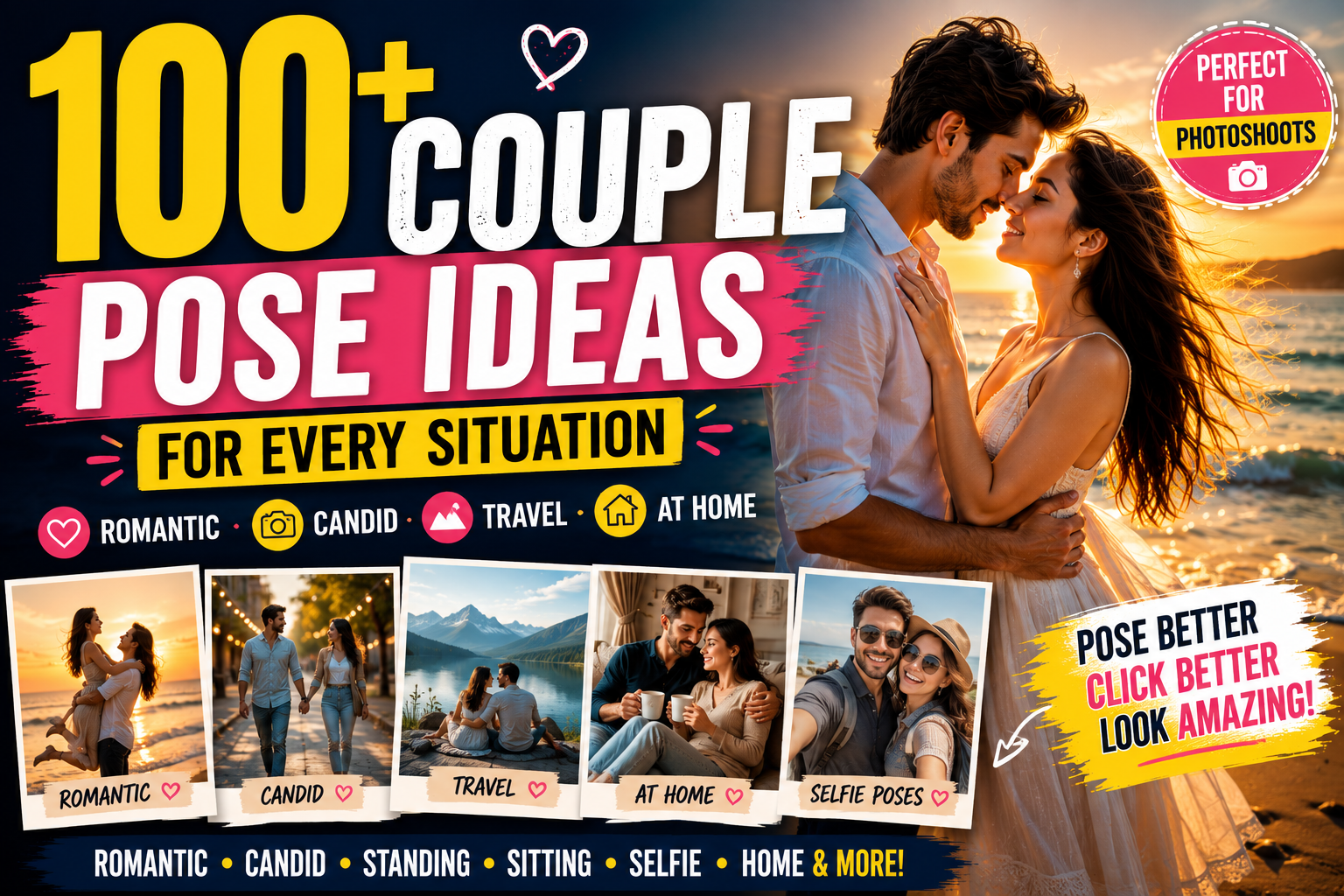
Find simple, romantic, candid, and creative couple poses for indoor and outdoor photoshoots. - How to Use Golden Hour for Stunning Travel Photos
Learn how golden-hour lighting can improve portraits, landscapes, travel photos, and outdoor photography. - AI Photography Guide: Powerful Tools and Tips
Explore AI photography tools, editing workflows, image enhancement, and practical AI techniques. - Couple Photography Guide
Explore more couple photography ideas, posing guides, romantic concepts, and creative photoshoot inspiration. - Photography Tutorials
Browse practical photography tutorials covering camera techniques, composition, lighting, editing, and beginner guidance. - Camera & Equipment Guides
Explore camera buying guides, lenses, equipment comparisons, photography gear, and technical resources.
Last reviewed: [October, 2026]
Editorial team: The Candid Shoot Editorial Team

Leave a Reply