
In this guide, we’ll explore 20 boudoir photography ideas that flatter different body types, ensuring an inclusive and personalized experience for each individual. We’ll also provide posing tips, wardrobe suggestions, and lighting techniques to elevate your boudoir sessions.
Introduction

Boudoir photography is all about celebrating confidence, beauty, and self-expression. Every body type deserves to be captured in a way that highlights its unique grace and power. Whether your clients are petite, curvy, tall, or anywhere in between, the right boudoir photography ideas can help them feel comfortable, empowered, and stunning.
1. The Classic Lying Pose
Why It Works:
Lying poses create a natural curve in the body, emphasizing the waist and elongating the figure. This pose works well for all body types, as it allows the subject to control posture and angles.
How to Do It:
- Have the subject lie on a soft surface, like a plush bed or velvet couch.
- Guide them to extend one leg slightly while bending the other to create dimension.
- Use side lighting to enhance curves and soften the image.
2. The Wrapped-in-Sheets Look
Why It Works:
This timeless pose is perfect for clients who want a soft, romantic aesthetic while keeping the focus on facial expressions and subtle body curves.
How to Do It:
- Wrap the subject in white or neutral-toned sheets for a cozy, intimate feel.
- Have them sit or lie in a relaxed position, letting the fabric drape naturally.
- Use natural light to create a dreamy, ethereal effect.
3. Silhouette Shots for Dramatic Effect
Why It Works:
Silhouettes emphasize body shape while maintaining an air of mystery. This works exceptionally well for all body types, as it highlights contours without drawing attention to specific details.
How to Do It:
- Position the subject in front of a large window with sheer curtains.
- Use backlighting to create a dramatic outline.
- Encourage slow, subtle movements to capture fluidity.
4. The Over-the-Shoulder Look
Why It Works:
This pose enhances back and shoulder definition while maintaining a confident, alluring expression.
How to Do It:
- Have the subject turn their back to the camera and glance over one shoulder.
- Use soft lighting to highlight natural contours.
- Pair with off-the-shoulder tops or lingerie for added elegance.
5. Sitting with a Knee-Up Pose
Why It Works:
A seated position helps create balance, defining the waist while elongating the legs. This is ideal for curvier body types as it enhances hourglass shapes.
How to Do It:
- Have the subject sit with one knee bent upward and the other extended.
- Use a chair or bed for a relaxed setting.
- Encourage natural hand placements to avoid stiffness.
6. The Wall-Lean Confidence Pose
Why It Works:
This pose radiates strength and self-assurance, making it great for anyone who wants to channel empowerment.
How to Do It:
- Have the subject lean against a wall with one leg bent.
- Guide them to shift their weight slightly for a relaxed stance.
- Play with shadowed lighting to add depth and moodiness.
7. Soft Close-Up Portraits
Why It Works:
Close-up shots capture facial expressions, lips, eyes, and collarbones, adding an intimate touch without emphasizing body shape.
How to Do It:
- Focus on specific facial features and upper body.
- Use soft, diffused lighting for a dreamy effect.
- Encourage natural expressions and slight head tilts.
8. Drape Pose with a Silk Robe
Why It Works:
Silk robes add luxury and movement, making them great for all body types.
How to Do It:
- Have the subject drape the robe loosely over their shoulders.
- Use movement to create flowing fabric effects.
- Capture a mix of standing and seated variations.
9. Hands in Hair for a Playful Look
Why It Works:
This simple pose brings attention to facial features while adding a playful touch.
How to Do It:
- Have the subject run fingers through their hair.
- Guide them to tilt their head slightly for added charm.
- Use soft lighting to highlight textures.
10. The Suspended Fabric Shot
Why It Works:
Flowing fabric creates artistic and flattering movement in images.
How to Do It:
- Use sheer scarves or long fabrics to wrap around the subject.
- Capture movement as the fabric falls.
- Utilize natural light for a glowing effect.
Conclusion: Celebrate Every Body with Boudoir Photography
Boudoir photography is about embracing self-love, confidence, and beauty. No matter the body type, these boudoir photography ideas ensure that every client feels empowered and celebrated. By incorporating personalized poses, lighting techniques, and wardrobe choices, photographers can craft unforgettable experiences and images that clients will cherish forever.
Whether you’re just starting or refining your boudoir skills, keep experimenting and adapting to your clients’ unique personalities. The key to successful boudoir photography is making every individual feel confident and beautiful in their own skin.
About The Candid Shoot
The Candid Shoot is an independent photography resource dedicated to helping photographers, creators, couples, models, brands, and photography enthusiasts make better decisions and create better images.
Our content covers practical photography techniques, camera and equipment guidance, posing ideas, portrait and fashion photography, product photography, AI photography tools, and photography workflows.
We focus on practical, experience-informed guidance rather than simply repeating generic information found across the web. Our goal is to make photography easier to understand, easier to apply, and more useful in real-world situations.
Why Trust The Candid Shoot?
We build our articles around a simple editorial principle: useful information first, clear explanations second, and unnecessary hype last.
Our articles are developed with attention to:
- Practical photography use cases and real-world shooting situations
- Camera, lens, software, and photography workflow considerations
- Clear explanations for beginners while retaining useful information for experienced creators
- Current tools, techniques, and photography trends where relevant
- Comparisons of advantages, limitations, features, and practical applications
- Original editorial organization instead of simply rewriting existing articles
- Internal linking to related photography resources so readers can explore a topic in depth
Our objective is not to recommend something simply because it is popular. We aim to explain when a technique, tool, workflow, or approach makes sense — and when it may not.
Our Editorial Process
Every article published on The Candid Shoot follows a structured editorial process designed to improve accuracy, usefulness, and clarity.
Research: We review relevant photography concepts, tools, techniques, product information, and established industry resources before developing an article.
Practical Evaluation: Information is considered from the perspective of actual photography use cases, including shooting conditions, workflow, composition, posing, editing, equipment selection, and creator needs.
Editorial Development: We organize information into clear sections, practical explanations, examples, recommendations, and actionable takeaways.
Fact Checking: Technical claims, specifications, terminology, and important factual information are checked against reliable sources where appropriate.
Reader-First Review: We evaluate whether the article actually answers the search intent, whether the recommendations are understandable, and whether the content provides useful next steps.
Ongoing Updates: Articles may be reviewed and updated when photography technology, software, equipment, techniques, or industry practices change.
Our Editorial Standards
The Candid Shoot aims to keep its editorial content:
Accurate: We work to verify important technical and factual information.
Useful: Information should help the reader solve a real photography problem or make a better decision.
Transparent: We distinguish educational guidance, editorial opinions, comparisons, and factual information.
Practical: Wherever possible, we focus on how photography concepts can actually be applied.
Independent: Articles are created to serve readers first rather than simply promote a product, technique, or trend.
Sources & Photography Resources
We believe readers should be able to continue their research. Depending on the topic, our articles may reference or recommend authoritative photography and technology resources.
Useful external resources may include:
- Adobe Photography
- Adobe Lightroom
- Nikon Learn & Explore
- Canon Learning
- Sony Alpha Universe
- Google Search Central
- Google AI
- OpenAI
External links are included where they provide additional context, technical information, official documentation, or useful learning resources.
Explore More From The Candid Shoot
Continue learning through our photography resources:
Photography Tutorials:
https://thecandidshoot.com/category/photography-tutorials/
Couple Photography:
https://thecandidshoot.com/category/couple-photography/
Camera & Equipment:
https://thecandidshoot.com/category/camera-equipment/
Portrait & Fashion Photography:
https://thecandidshoot.com/category/portrait-fashion-photography/
Product Photography:
https://thecandidshoot.com/category/product-photography/
AI Photography:
https://thecandidshoot.com/category/ai-photography/
Photography Guides & Resources:
https://thecandidshoot.com/
Reader Feedback & Reviews
The Candid Shoot values feedback from photographers, creators, and readers who use our guides in their own work.
Reader questions and feedback help us identify confusing topics, missing information, outdated recommendations, and areas where an article can become more useful.
We continually use this feedback to improve the quality, clarity, and practical value of our photography resources.
Editorial Note
Photography is highly dependent on the subject, lighting conditions, equipment, creative goals, budget, and shooting environment. Recommendations that work for one photographer may not be ideal for another.
For that reason, The Candid Shoot focuses on explaining the reasoning behind a recommendation instead of presenting every technique, product, or workflow as universally suitable.
Related Articles
Continue exploring The Candid Shoot’s photography guides:
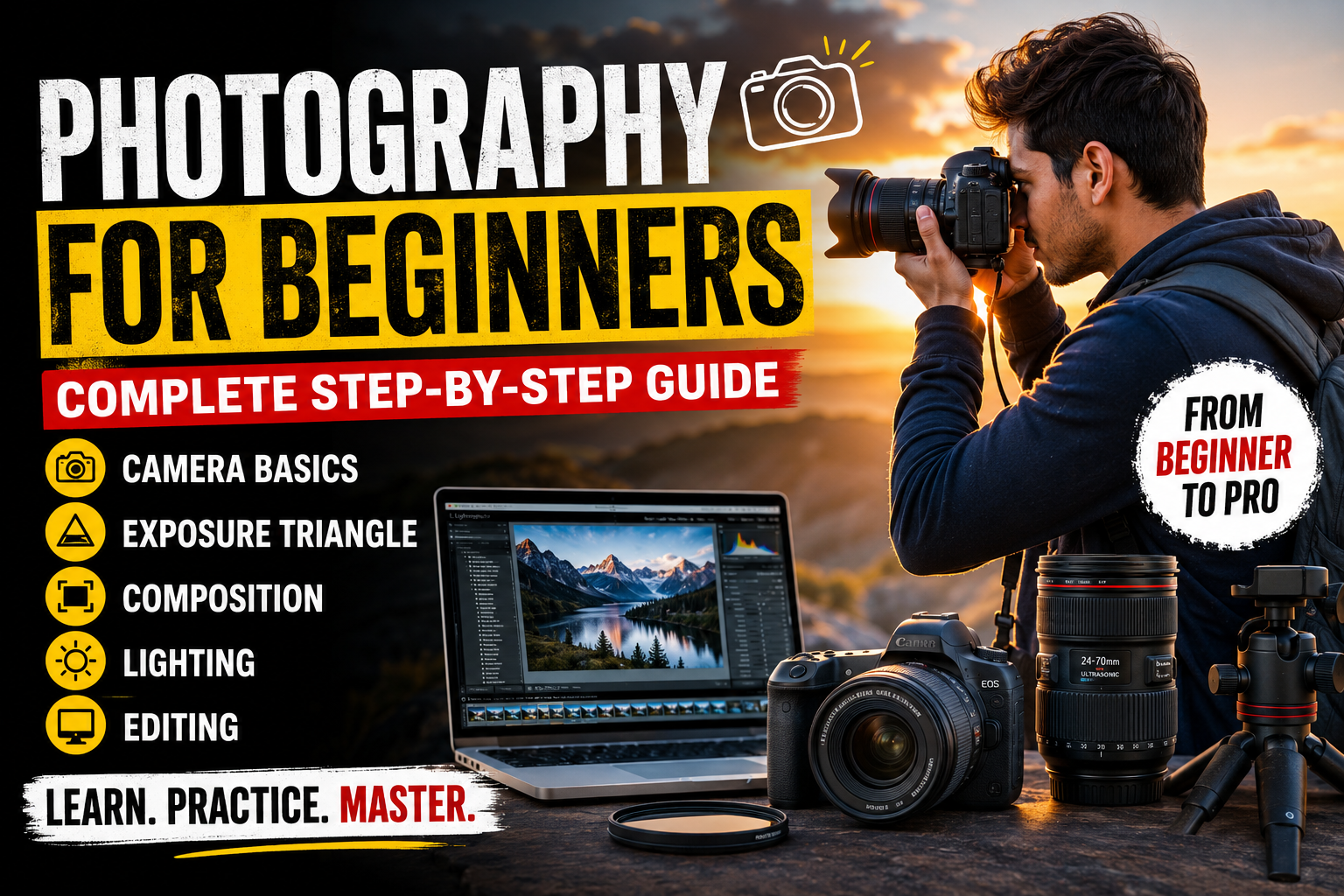
- 25 Essential Photography Tutorials for Beginners
Learn the fundamentals of photography, camera settings, exposure, lenses, and essential techniques. - 25 Essential Camera & Equipment Buying Secrets
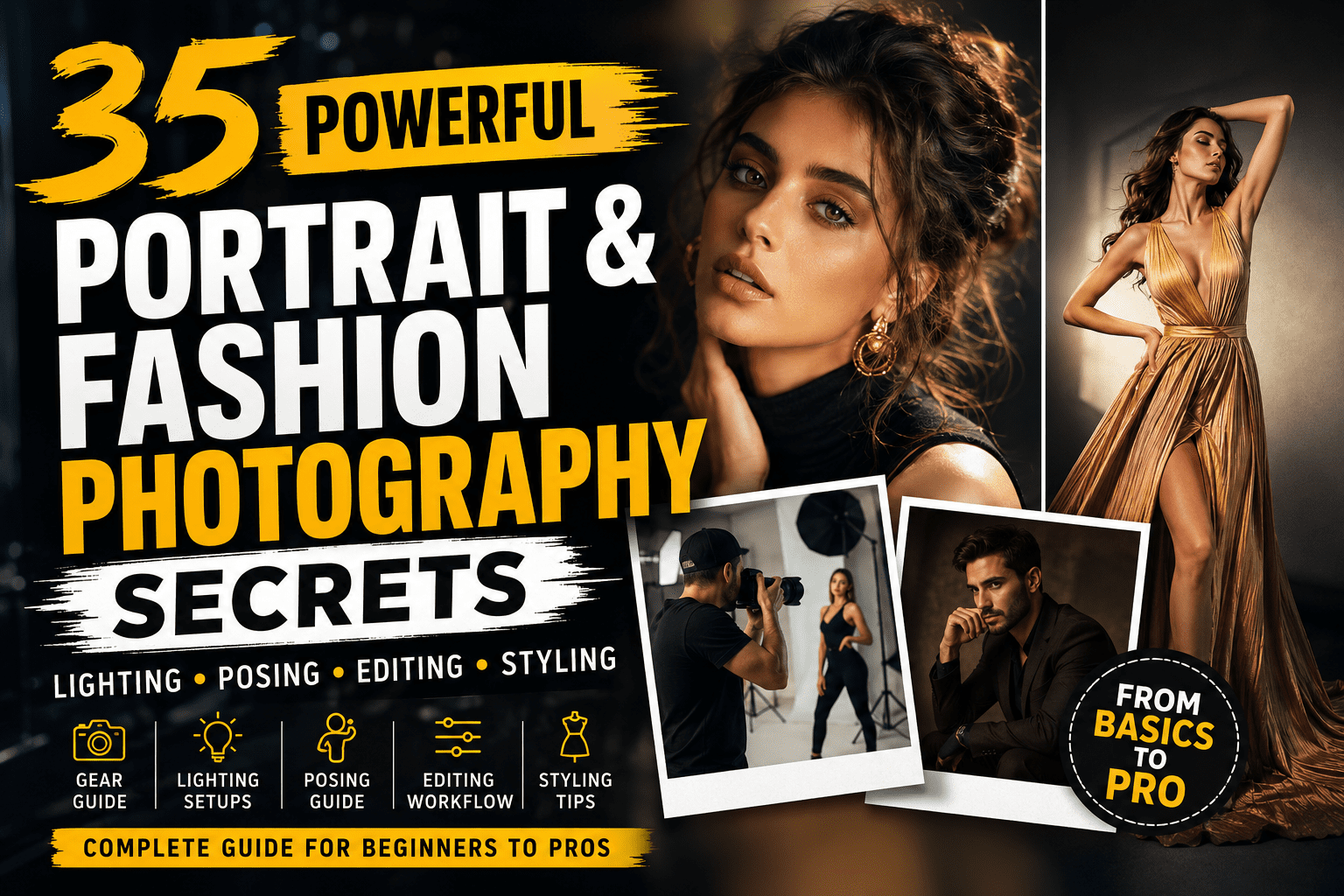
Understand cameras, lenses, sensors, autofocus, and how to choose photography equipment wisely. - 35 Powerful Portrait & Fashion Photography Secrets
Explore portrait composition, lighting, posing, cameras, and fashion photography techniques. - 45 Powerful Product Photography Secrets
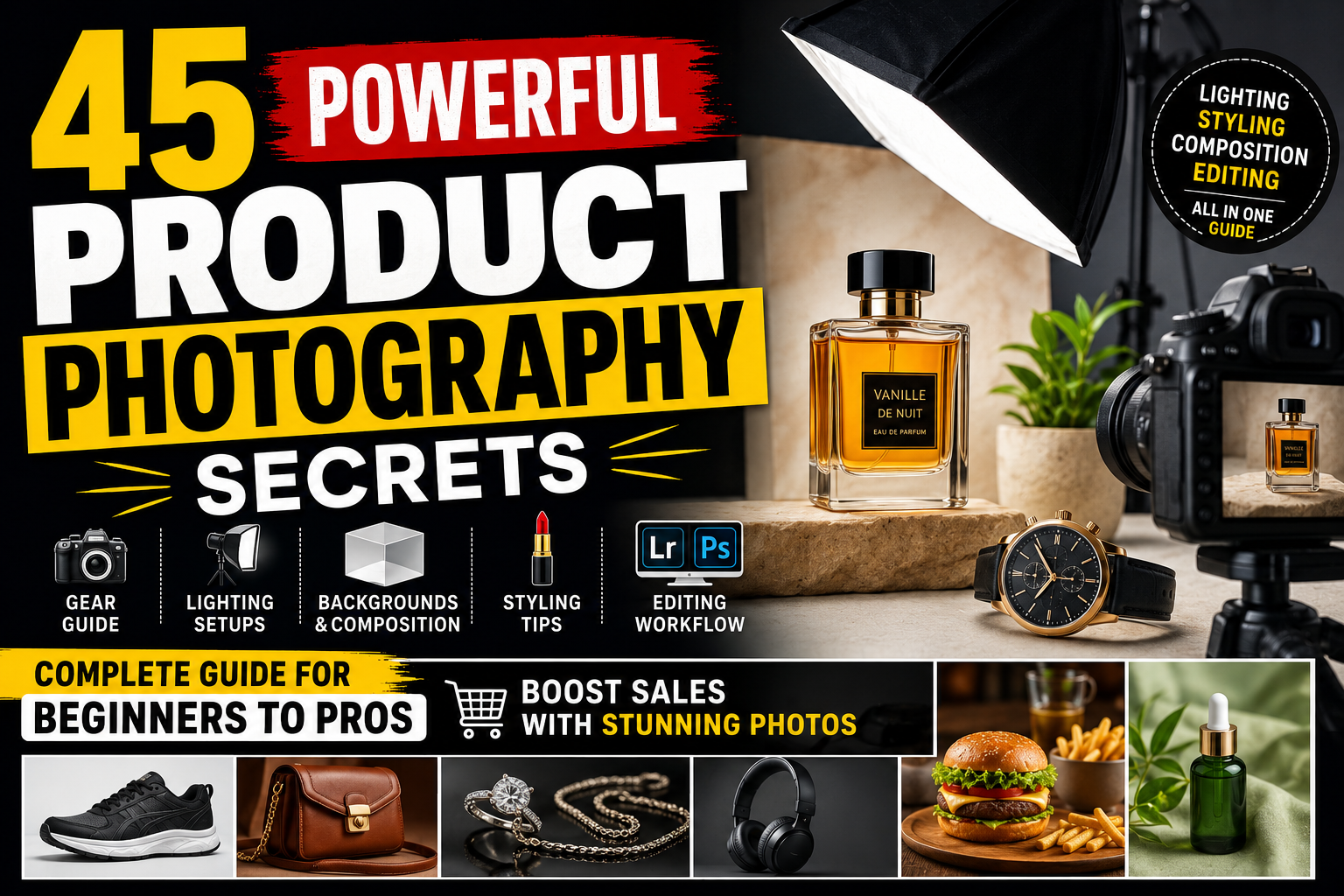
Discover practical product photography techniques, lighting setups, equipment, and creative ideas. - 30 Easy Couple Poses for Photoshoot at Home
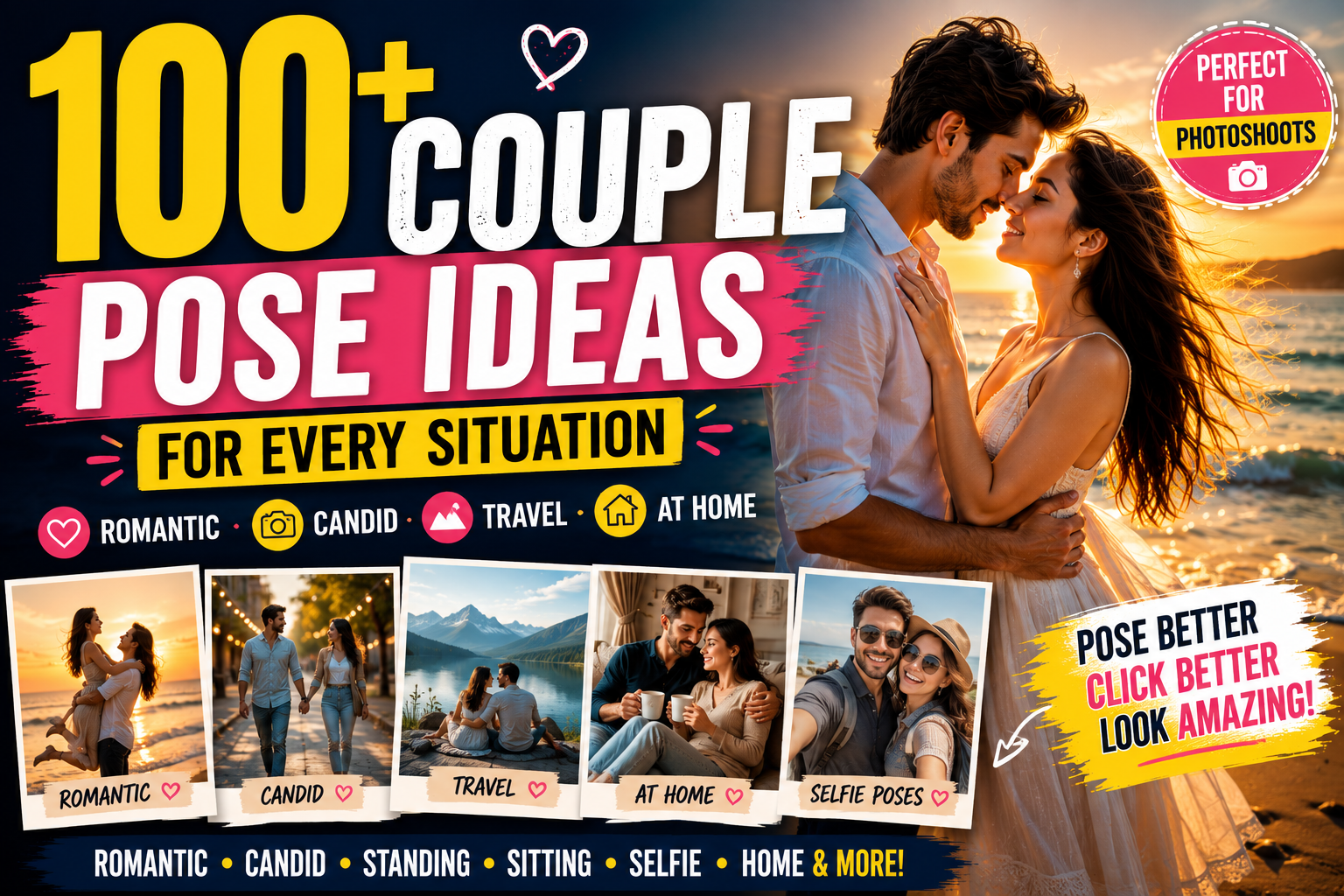
Find simple, romantic, candid, and creative couple poses for indoor and outdoor photoshoots. - How to Use Golden Hour for Stunning Travel Photos
Learn how golden-hour lighting can improve portraits, landscapes, travel photos, and outdoor photography. - AI Photography Guide: Powerful Tools and Tips
Explore AI photography tools, editing workflows, image enhancement, and practical AI techniques. - Couple Photography Guide
Explore more couple photography ideas, posing guides, romantic concepts, and creative photoshoot inspiration. - Photography Tutorials
Browse practical photography tutorials covering camera techniques, composition, lighting, editing, and beginner guidance. - Camera & Equipment Guides
Explore camera buying guides, lenses, equipment comparisons, photography gear, and technical resources.
Last reviewed: [August, 2026]
Editorial team: The Candid Shoot Editorial Team



Leave a Reply