
This comprehensive guide will walk you through everything you need to know about posing confidently and effectively for your portfolio shoot.
Table of Contents
A portfolio shoot is more than just a collection of pictures; it’s a statement of your identity, professionalism, and uniqueness. Whether you’re an aspiring model, actor, or photographer, nailing the right poses is key to making your portfolio stand out. Posing can be intimidating, especially if you’re new to the industry, but with the right techniques and mindset, anyone can pose like a pro.
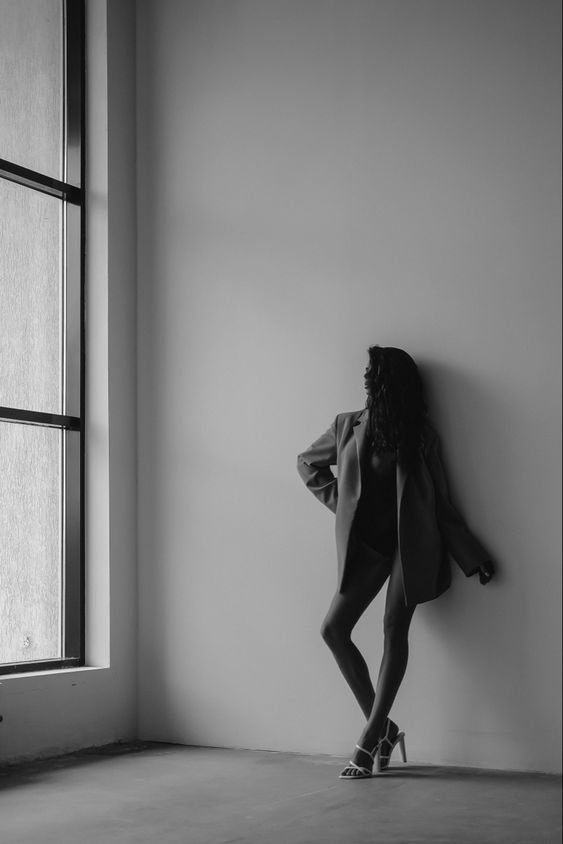
1. Understand Your Portfolio’s Objective
Before stepping in front of the camera, it’s crucial to define the purpose of your portfolio. This clarity will guide your poses, expressions, and overall vibe.
Questions to Ask Yourself
- What roles or opportunities are you aiming for?
- Who is your target audience or industry professional?
- What message or style do you want to convey?
Once you’ve outlined your objectives, you can align your poses to reflect these goals.
2. Build a Connection with Your Photographer
Your relationship with the photographer plays a significant role in how comfortable and confident you feel during the shoot. A good rapport leads to better communication and collaborative creativity.
Tips to Foster Connection
- Meet beforehand: Arrange a meeting or call to discuss your goals and ideas.
- Share references: Show examples of poses or styles you like.
- Be open to feedback: Trust their expertise and welcome their guidance.
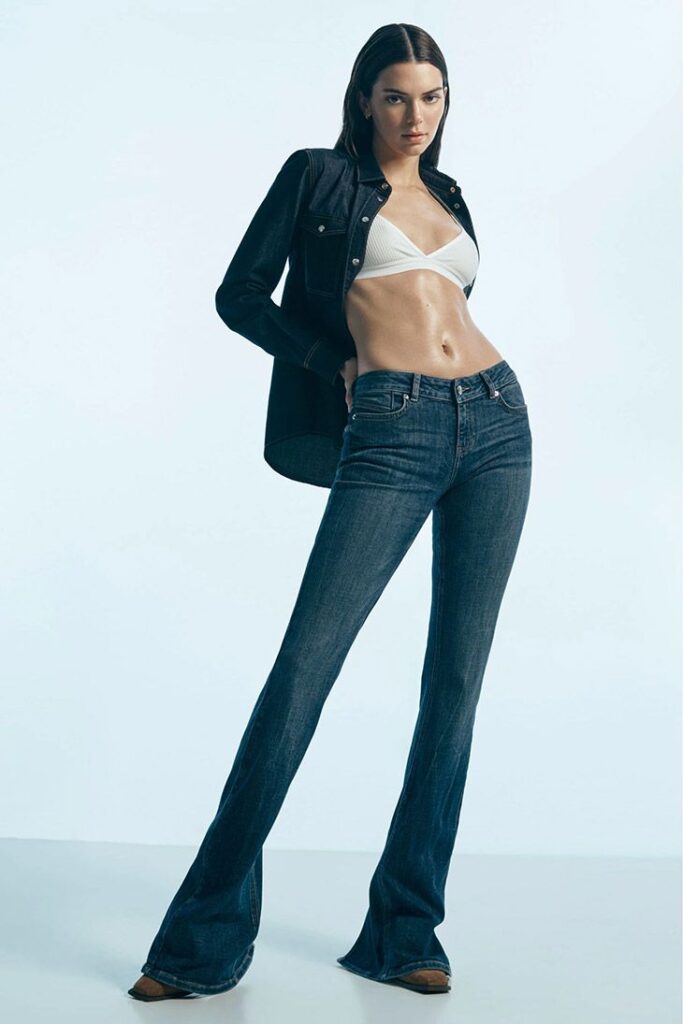
3. Master the Basics of Posing
Understanding fundamental posing principles can make a world of difference. These basics ensure you appear poised and polished in every shot.
Core Posing Tips
- Posture: Keep your back straight and shoulders relaxed.
- Chin Position: Slightly tilt your chin down to avoid a double chin.
- Weight Distribution: Shift your weight onto one leg for a more dynamic pose.
- Hands: Keep them natural; avoid clenching or letting them dangle.
- Angles: Turn slightly to the side to create flattering lines.
4. Research and Practice
Preparation is the key to confidence. Spend time researching poses and practicing them before your shoot.
How to Prepare
- Look for Inspiration: Study magazines, Instagram profiles, or professional portfolios.
- Practice in Front of a Mirror: Familiarize yourself with angles and expressions.
- Record Yourself: Take videos to analyze your poses and refine them.
- Try Different Styles: Experiment with casual, formal, and creative poses.
5. Use Body Language to Convey Confidence
Body language speaks volumes. Even subtle adjustments can transform a pose from awkward to confident.
Tips for Confident Body Language
- Open your shoulders to project self-assurance.
- Avoid crossing your arms unless it’s intentional for the pose.
- Engage your core for better posture and stability.
- Use your eyes to express emotion and connect with the camera.
6. Incorporate Movement
Static poses can feel stiff and unnatural. Adding a sense of movement creates energy and dynamism in your shots.
Ways to Add Movement
- Walk toward or away from the camera.
- Shift your weight between legs.
- Play with your hair or accessories.
- Turn your head slightly while keeping your eyes on the lens.
7. Focus on Your Expressions
Expressions add depth and personality to your images. They convey emotion and help tell a story.
How to Master Expressions
- Practice a range: Work on subtle smiles, fierce gazes, and joyful laughs.
- Stay authentic: Avoid exaggerated or forced expressions.
- Use your eyes: Channel emotions through your gaze.
- Relax your face: Take breaks to prevent tension.
8. Choose the Right Outfits
Your clothing can enhance your poses and bring your vision to life. Wear outfits that complement the theme and make you feel comfortable.
Outfit Tips
- Opt for fitted clothes that highlight your shape.
- Avoid busy patterns unless they align with the shoot’s concept.
- Bring options: Include a mix of casual, formal, and creative pieces.
- Test outfits beforehand to ensure they photograph well.

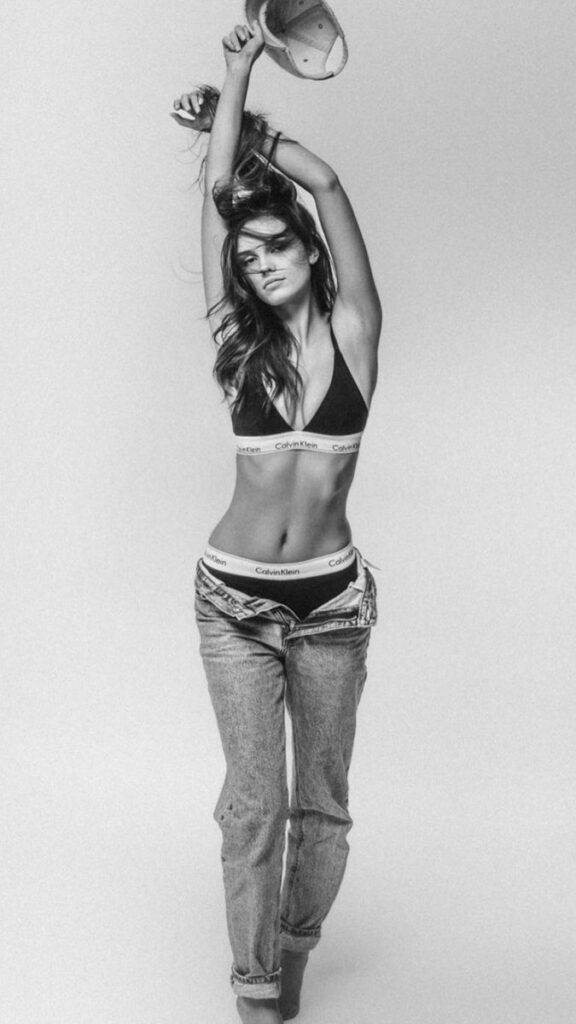
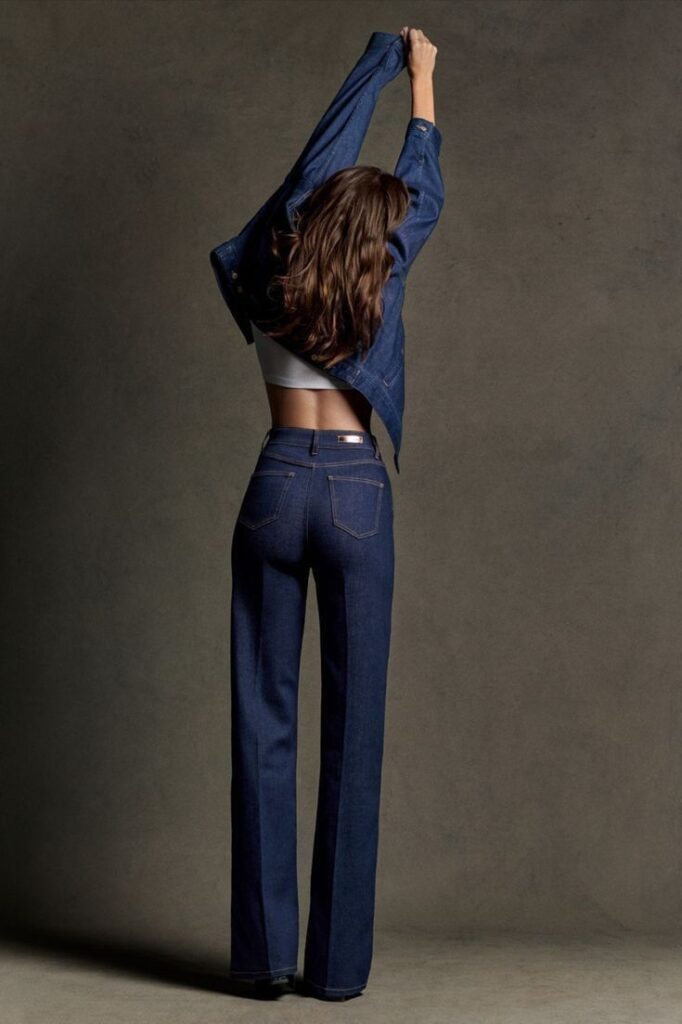
9. Engage with Props and Surroundings
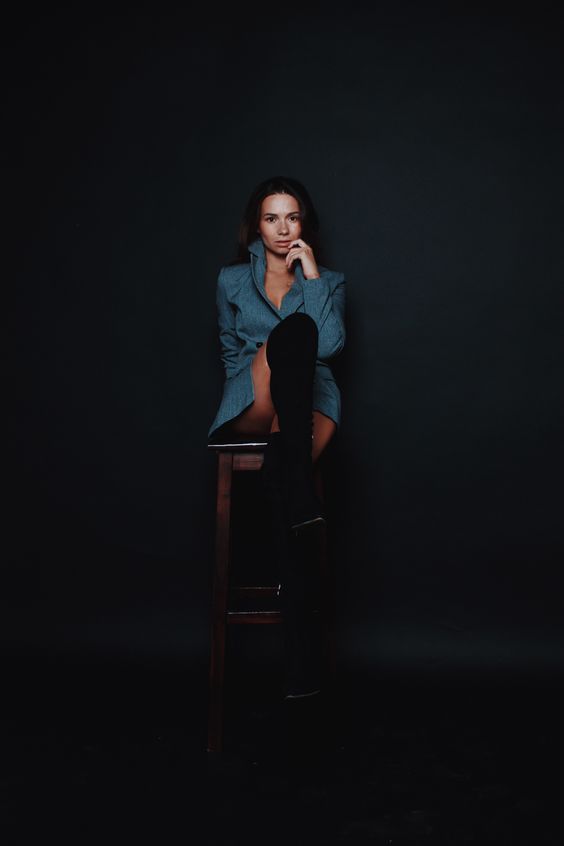
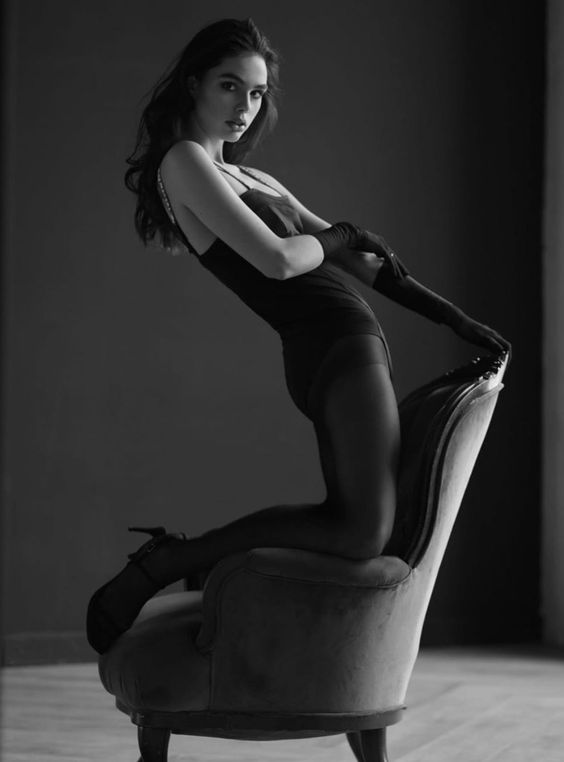
Props and your environment can enhance poses and add context to your images. Use them to your advantage to create dynamic and interesting compositions.
Ideas for Prop Usage
- Hold items like hats, books, or flowers.
- Lean against walls, railings, or furniture.
- Use flowing fabrics to create movement.
- Interact naturally with your surroundings.
10. Experiment with Angles
Angles can make or break a photo. Experimenting with different perspectives allows you to find your most flattering looks.
Tips for Exploring Angles
- Pose slightly sideways to slim your profile.
- Lower the camera angle for a powerful, towering effect.
- Use high angles for softer, more delicate shots.
- Tilt your head subtly to create interesting lines.
11. Learn to Work with Light
Lighting plays a critical role in how your poses appear. Collaborate with your photographer to make the most of the lighting setup.
Lighting Tips
- Face the light source for a natural glow.
- Use shadows to add depth and intrigue.
- Position yourself at an angle for dramatic effects.
- Avoid harsh light that flattens features.
12. Stay Relaxed and Enjoy the Process
Tension can show up in your photos. Staying relaxed allows your true personality to shine through.
How to Stay Relaxed
- Take deep breaths before and during the shoot.
- Laugh and interact with the team to ease nerves.
- Trust the process and have fun.
13. Take Breaks to Recharge
Shoots can be physically and mentally draining. Short breaks help maintain energy and focus.
Break Tips
- Use breaks to review photos and adjust poses.
- Hydrate and snack to stay energized.
- Stretch or move around to release tension.
14. Review and Learn from the Portfolio Shoot
After your session, reviewing the photos provides valuable insights for future shoots.
Post-Shoot Review
- Note which poses and angles worked best.
- Identify areas for improvement.
- Celebrate your progress and achievements.
Conclusion
Posing like a pro during your portfolio shoot requires preparation, practice, and a positive mindset. By understanding your goals, working with your photographer, and mastering the basics of posing, you can create a portfolio that truly reflects your talent and personality. Remember, confidence is key—embrace your uniqueness and enjoy the process of showcasing your best self.
About The Candid Shoot
The Candid Shoot is an independent photography resource dedicated to helping photographers, creators, couples, models, brands, and photography enthusiasts make better decisions and create better images.
Our content covers practical photography techniques, camera and equipment guidance, posing ideas, portrait and fashion photography, product photography, AI photography tools, and photography workflows.
We focus on practical, experience-informed guidance rather than simply repeating generic information found across the web. Our goal is to make photography easier to understand, easier to apply, and more useful in real-world situations.
Why Trust The Candid Shoot?
We build our articles around a simple editorial principle: useful information first, clear explanations second, and unnecessary hype last.
Our articles are developed with attention to:
- Practical photography use cases and real-world shooting situations
- Camera, lens, software, and photography workflow considerations
- Clear explanations for beginners while retaining useful information for experienced creators
- Current tools, techniques, and photography trends where relevant
- Comparisons of advantages, limitations, features, and practical applications
- Original editorial organization instead of simply rewriting existing articles
- Internal linking to related photography resources so readers can explore a topic in depth
Our objective is not to recommend something simply because it is popular. We aim to explain when a technique, tool, workflow, or approach makes sense — and when it may not.
Our Editorial Process
Every article published on The Candid Shoot follows a structured editorial process designed to improve accuracy, usefulness, and clarity.
Research: We review relevant photography concepts, tools, techniques, product information, and established industry resources before developing an article.
Practical Evaluation: Information is considered from the perspective of actual photography use cases, including shooting conditions, workflow, composition, posing, editing, equipment selection, and creator needs.
Editorial Development: We organize information into clear sections, practical explanations, examples, recommendations, and actionable takeaways.
Fact Checking: Technical claims, specifications, terminology, and important factual information are checked against reliable sources where appropriate.
Reader-First Review: We evaluate whether the article actually answers the search intent, whether the recommendations are understandable, and whether the content provides useful next steps.
Ongoing Updates: Articles may be reviewed and updated when photography technology, software, equipment, techniques, or industry practices change.
Our Editorial Standards
The Candid Shoot aims to keep its editorial content:
Accurate: We work to verify important technical and factual information.
Useful: Information should help the reader solve a real photography problem or make a better decision.
Transparent: We distinguish educational guidance, editorial opinions, comparisons, and factual information.
Practical: Wherever possible, we focus on how photography concepts can actually be applied.
Independent: Articles are created to serve readers first rather than simply promote a product, technique, or trend.
Sources & Photography Resources
We believe readers should be able to continue their research. Depending on the topic, our articles may reference or recommend authoritative photography and technology resources.
Useful external resources may include:
- Adobe Photography
- Adobe Lightroom
- Nikon Learn & Explore
- Canon Learning
- Sony Alpha Universe
- Google Search Central
- Google AI
- OpenAI
External links are included where they provide additional context, technical information, official documentation, or useful learning resources.
Explore More From The Candid Shoot
Continue learning through our photography resources:
Photography Tutorials:
https://thecandidshoot.com/category/photography-tutorials/
Couple Photography:
https://thecandidshoot.com/category/couple-photography/
Camera & Equipment:
https://thecandidshoot.com/category/camera-equipment/
Portrait & Fashion Photography:
https://thecandidshoot.com/category/portrait-fashion-photography/
Product Photography:
https://thecandidshoot.com/category/product-photography/
AI Photography:
https://thecandidshoot.com/category/ai-photography/
Photography Guides & Resources:
https://thecandidshoot.com/
Reader Feedback & Reviews
The Candid Shoot values feedback from photographers, creators, and readers who use our guides in their own work.
Reader questions and feedback help us identify confusing topics, missing information, outdated recommendations, and areas where an article can become more useful.
We continually use this feedback to improve the quality, clarity, and practical value of our photography resources.
Editorial Note
Photography is highly dependent on the subject, lighting conditions, equipment, creative goals, budget, and shooting environment. Recommendations that work for one photographer may not be ideal for another.
For that reason, The Candid Shoot focuses on explaining the reasoning behind a recommendation instead of presenting every technique, product, or workflow as universally suitable.
Last reviewed: [August, 2026]
Editorial team: The Candid Shoot Editorial Team





Leave a Reply