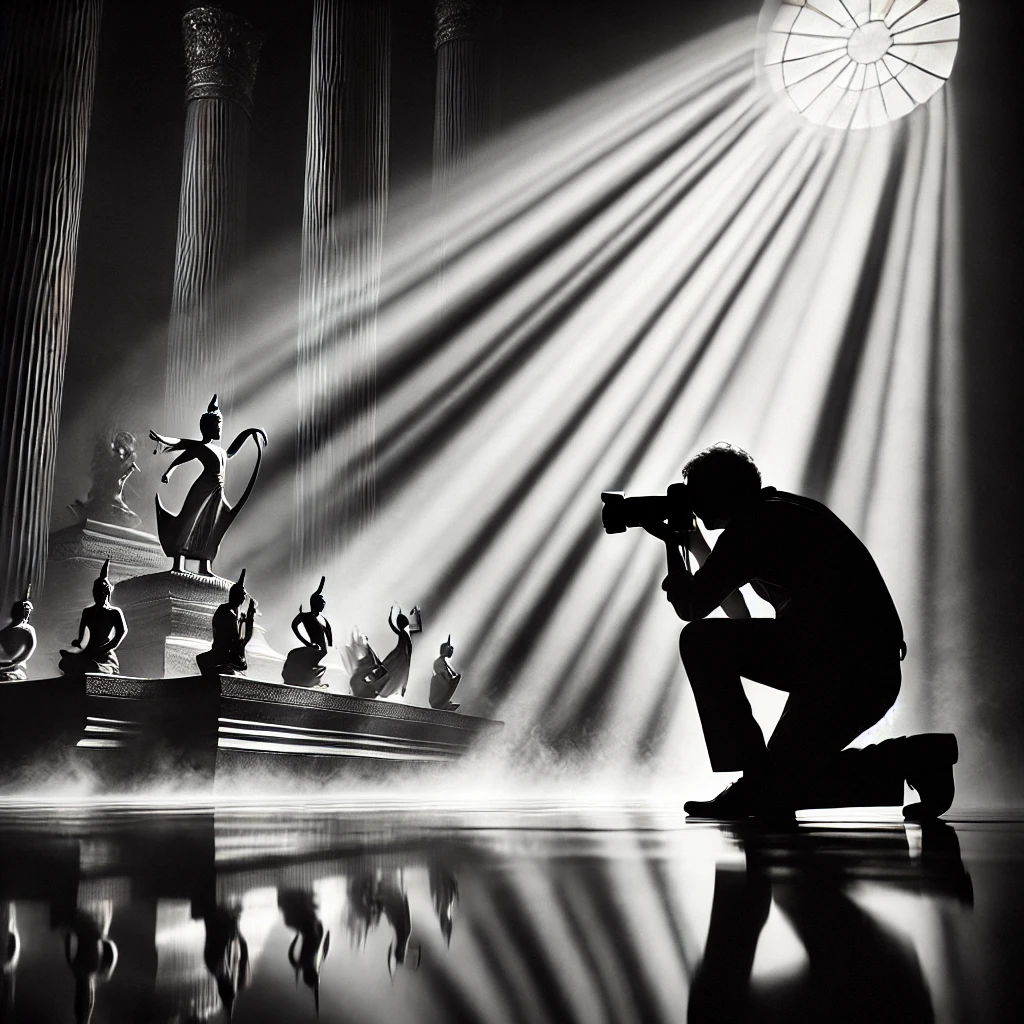
Black & White photography is a powerful art form that transcends trends and time. Without the distraction of color, this style relies on contrast, composition, and texture to convey emotion and meaning. Whether you’re a beginner or an experienced photographer, mastering Black & White photography can add depth to your portfolio.
In this guide, we’ll explore essential techniques to create striking monochrome images that leave a lasting impact.
Why Choose Black & White Photography?
Black & White photography isn’t just about removing color—it’s about enhancing emotion, storytelling, and artistic expression.
Benefits of Shooting in Black & White
- Timeless Appeal: Classic and elegant images that remain relevant for decades.
- Enhanced Contrast: Stronger focus on light, shadow, and textures.
- Emotional Depth: Stripped-down visuals emphasize feelings and mood.
- Eliminates Distractions: Viewers focus on the subject rather than colors.
Understanding Light and Shadows in Black & White Photography
Light and shadows play a significant role in defining a great Black & White photo.
Key Lighting Techniques
- High Contrast Lighting: Creates dramatic and bold images.
- Soft Light: Achieves subtle, moody effects.
- Backlighting: Enhances silhouettes and depth.
- Side Lighting: Brings out textures and shapes.
Composition Techniques for Black & White Photography
A strong composition is crucial since there’s no color to rely on.
Essential Composition Rules
- Rule of Thirds: Place key elements along the grid lines.
- Leading Lines: Draws the viewer’s eye toward the subject.
- Negative Space: Adds simplicity and depth.
- Textures & Patterns: Create visual interest and storytelling.
- Symmetry & Shapes: Make images striking and well-balanced.
Best Camera Settings for Black & White Photography
Choosing the right settings ensures a high-quality monochrome shot.
Ideal Camera Settings
- Shoot in RAW: Offers more flexibility in post-processing.
- Low ISO (100-400): Minimizes noise for cleaner images.
- Aperture: Wide (f/2.8) for portraits, Narrow (f/8-f/11) for landscapes.
- Shutter Speed: Adjust based on movement and light conditions.
Best Subjects for Black & White Photography
Certain subjects work exceptionally well in Black & White.
Ideal Subjects
- Portraits: Emphasize emotion and character.
- Street Photography: Highlights contrast and storytelling.
- Architecture: Focuses on shapes, lines, and textures.
- Nature & Landscapes: Brings out dramatic skies and textures.
- Still Life: Simple compositions with striking light and shadow play.
Post-Processing for Stunning Black & White Images
Editing plays a significant role in refining Black & White images.
Post-Processing Tips
- Increase Contrast: Enhances depth and boldness.
- Adjust Highlights & Shadows: Balances light for better details.
- Use Selective Editing: Enhances specific areas for emphasis.
- Apply Grain for Texture: Adds a vintage, film-like feel.
- Dodge & Burn: Lightens or darkens parts of the image to create depth.
Conclusion
Black & White photograph is a timeless art form that emphasizes emotion, contrast, and composition. By understanding lighting, mastering composition, and fine-tuning your camera settings, you can create compelling monochrome images that stand the test of time.
Start experimenting today, and watch your photography transform!
-
Vivo X300 Pro Photography Kit: Next-Gen Mobile Imaging
-
Empowerment Through Boudoir Photography: The Candid Shoot
-
Bold Photography: Creating Powerful & Confident Visual Stories
-
Jaipur’s Favorite Destination for Couple Shoots | The Candid Shoot
-
Vivo X300 Pro Photography Kit: Next-Gen Mobile Imaging
Discover the complete vivo X300 Pro photography kit guide with in-depth camera analysis, real-world case studies, portrait techniques, cinematic workflows, and pro-level tips. Learn how vivo X300 Pro transforms mobile photography for creators, influencers, and studio professionals. The vivo X300 Pro — Redefining Mobile Imaging for Creators Why the vivo X300 Pro Deserves a Dedicated
-
Empowerment Through Boudoir Photography: The Candid Shoot
Boudoir Photography as Empowerment Boudoir photography has evolved far beyond traditional notions of intimacy or sensuality. Modern boudoir photography is about empowerment, confidence, and self-expression, not merely performing for the camera. At its heart, boudoir photography is a visual dialogue between the subject and themselves, mediated by a professional photographer. It provides a private, safe
-
Jaipur’s Favorite Destination for Couple Shoots | The Candid Shoot
Why Couple Shoots Matter More Than Ever Couple shoots have evolved far beyond posed photographs and forced smiles. Today, couples look for experiences that feel natural, meaningful, and reflective of who they are together. A couple shoot is no longer about perfection. It is about presence, connection, and shared emotion. At The Candid Shoot, we
-
Bold Shoot Photographer with Studio in Jaipur | The Candid Shoot
The phrase “bold shoot photographer” often triggers assumptions—many of them incomplete, outdated, or shaped by stereotypes. In reality, bold photography has evolved far beyond shock value or surface-level aesthetics. Today, bold shoots represent self-expression, body confidence, emotional honesty, and artistic courage. At The Candid Shoot, bold photography is not about exposure—it is about expression. It
-
Styling Tips for Maternity Shoots: Looking Timeless, and Confident
Styling as the Silent Storyteller in Maternity Shoots Maternity shoots are not simply about documenting pregnancy. They are about honoring a season of transformation—physical, emotional, relational, and often spiritual. Styling plays a foundational role in how that transformation appears, feels, and endures through photographs. When people look back at maternity photographs years later, they rarely